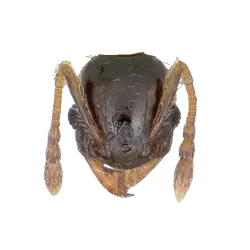
Pheidole indica - "Indian Big-Headed Ant"
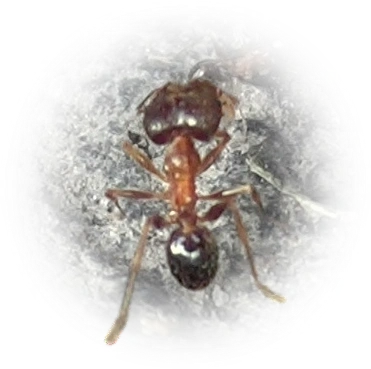
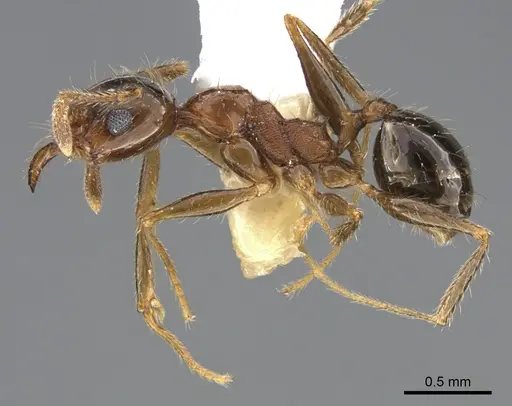
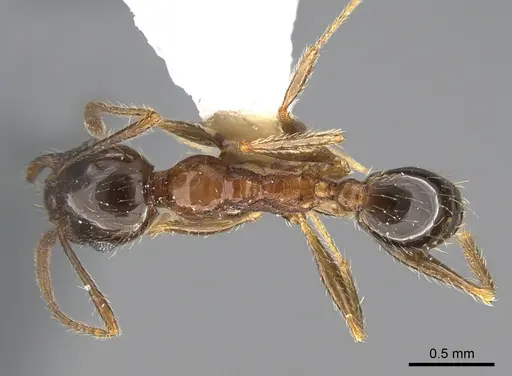
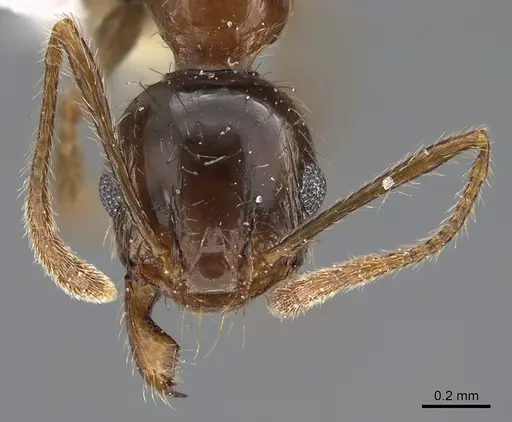
Pheidole indica is a medium-to-large reddish-brown ant species with relatively long limbs, known for its distinct dimorphic worker castes. The colony includes small, agile minor workers and much larger 'soldier' or 'major' workers with disproportionately robust, sculpted heads, sometimes larger than their abdomens. These majors are equipped with strong mandibles for processing food, such as chopping up seeds or insect exoskeletons, which minors then consume. They are a fast-reproducing, territorial species that works very effectively together, and are known for their active foraging, sometimes forming long trails. Pheidole indica are also aggressive towards other ant species.
- Difficulty: Medium
- Origin & Habitat: India, Japan, China, with introduced populations in the Mediterranean, northern Africa, the Malagasy region, Western Australia, Peru, the Caribbean, and Southern California. in Open and dry habitats, often nesting in soil or under stones, also found in urban and garden areas..
- Colony Type: Polygyne (multiple queens), but can function with a single queen., claustral (queen seals herself in) without feeding. founding.
- Size & Growth:
- Queen: 7.0-8.5mm
- Worker: 2.0-3.0mm
- Colony: Large (several thousand workers, typically up to 3000-4000 in captivity, though in nature, colonies rarely exceed 1000 individuals before budding).. Fast (reproduce quickly with warmth). growth.
- Antkeeping:
- Temperature: Nest: 24-28°C (75-82°F). Arena: 21-30°C (70-86°F)..
- Humidity: Nest: 50-80%. Arena: 50-70%..
- Diapause: Not required. Not specified at Not specified.
- Nesting: Soil nests are preferred, sometimes with small mounds. Adaptable to various artificial setups like Wakooshi Ant Farm Modules, Acrylic, Ytong, or Plaster..
- Behavior: Medium (towards other ants, food) aggressiveness.
- Common Issues: Escape artists due to small, agile minors, Mold in nest from uneaten food, Humidity fluctuations impacting brood, Overcrowding leading to colony stress or budding wars.
One key aspect of keeping Pheidole indica is managing their impressive growth rate. These colonies expand quite quickly, especially with sufficient warmth, so be prepared for a thriving population. In their initial year, a queen might raise 30-50 workers, rapidly growing to a few hundred by the second year, eventually reaching several thousand in a mature colony. This rapid expansion means you'll need to consider larger formicaria relatively soon to accommodate their numbers.
The dimorphic worker caste of Pheidole indica is truly fascinating to observe. Minor workers are quick and nimble, tirelessly foraging and tending to the brood. Their larger counterparts, the majors or soldiers, have massive heads and powerful mandibles. These 'big-headed' ants play a crucial role in the colony's food processing, effectively breaking down larger prey items and seeds for the smaller workers to consume. This division of labor is a hallmark of the Pheidole genus and makes them a captivating species to keep.
Escape prevention is paramount when keeping Pheidole indica. The minor workers are particularly small and agile, capable of finding even the tiniest gaps in your setup. Ensuring your formicarium has robust escape prevention methods, like a talcum powder barrier or fluon, is essential to prevent breakouts. These ants are known to be resourceful, and you don't want a colony on the loose in your home.
While Pheidole indica can be quite aggressive towards other ant species in the wild and have even been observed attempting to take over other ant colonies, they are generally not considered a major pest in temperate climates if they were to escape. However, their territorial nature means that providing adequate space is important, as overcrowding or too much unused space could potentially lead to the colony budding off into multiple sub-colonies that might then fight each other.
Humidity and temperature control are crucial for the well-being of Pheidole indica colonies. They thrive in warm conditions, with nest temperatures ideally between 24-28°C, and a slightly wider range for the outworld. Maintaining proper humidity, around 50-80% in the nest, is also important for brood development and overall colony health. Consistent conditions will help ensure your colony flourishes.
Frequently Asked Questions
What kind of food do Pheidole indica eat?
Pheidole indica are quite versatile eaters! They love a good mix of protein from insects like small fruit flies, mealworms, houseflies, and crickets. They also readily accept carbohydrates such as sugar water or honey. For larger colonies, they can even process oily seeds like walnuts or peanuts, and some sources suggest they might even take on a small dead mouse!
Do Pheidole indica need hibernation?
No, Pheidole indica typically do not require a diapause or hibernation period. They are a tropical and subtropical species that thrives with consistent warmth year-round.
How big do Pheidole indica colonies get?
These colonies can grow quite substantially! While they might start with 30-50 workers in the first year, they can reach several thousand individuals in a mature colony, often estimated at around 3000-4000 workers in captivity. In the wild, colony sizes might not exceed a thousand before natural budding occurs.
Are Pheidole indica good for beginners?
Pheidole indica are considered a moderate difficulty species. While they are fast-growing and interesting, their small size and agility mean you'll need excellent escape prevention. They are often recommended for keepers who have successfully kept at least one exotic species or several European ant species, due to their quick growth and specific needs.
What kind of nest is best for Pheidole indica?
Pheidole indica are adaptable and can do well in various nest types. Soil nests are a natural fit for them, and you might even see them create small mounds. They also thrive in artificial setups like acrylic formicaria, Ytong, or plaster nests. The key is ensuring good humidity retention in the nest area and proper escape prevention for their active minor workers.
How fast do Pheidole indica grow?
Pheidole indica are known for their rapid growth rate, especially when provided with adequate warmth. They reproduce quickly, and you'll see your colony's numbers increase steadily.
Do Pheidole indica sting?
Yes, Pheidole indica are capable of stinging as a defense mechanism, in addition to their strong bite.
What is the difference between minor and major workers in Pheidole indica?
Pheidole indica have two distinct worker castes. The minor workers are small (around 2-3mm), long-legged, and very agile, handling most foraging and brood care. The major workers, also called soldiers, are larger (around 4-5mm) with disproportionately robust and sculpted heads. These majors use their strong mandibles to break down larger food items, assisting the minors.
What temperatures are ideal for Pheidole indica?
For optimal health and development, maintain the nest temperature for Pheidole indica between 24-28°C (75-82°F). The outworld or arena can have a slightly broader temperature range, from 21-30°C (70-86°F). Consistent warmth encourages their rapid reproduction.
What humidity levels do Pheidole indica need?
Humidity is important for Pheidole indica, especially in the nesting area. Aim for 50-80% humidity in the nest, and 50-70% in the outworld. Adequate hydration is crucial for their brood.
Are Pheidole indica invasive?
Pheidole indica is considered an invasive species in some areas where it has been introduced, particularly in Mediterranean climates. This is due to their fast growth, strong recruitment, and aggressive nature towards other ant species. However, in colder climates, they are generally not expected to survive winters if they escape.
How do Pheidole indica queens start their colonies?
Pheidole indica queens are claustral, meaning they seal themselves in a chamber and do not need to forage for food until their first workers emerge. They can also be polygynous, meaning a colony can have multiple queens, potentially starting a new colony together.
Why are good escape prevention measures so important for Pheidole indica?
Good escape prevention is critical because the minor workers of Pheidole indica are incredibly small and quick, making them expert escape artists. Even tiny gaps in your setup can be enough for them to find their way out. Using barriers like talcum powder or fluon around the rim of your outworld is highly recommended to keep your colony contained.