

Parasyscia majuscula
- Scientific Name
- Parasyscia majuscula
- Subfamily
- Dorylinae
- Author
- Mann, 1921
- Distribution
- Found in 1 countries
Parasyscia majuscula Overview
Parasyscia majuscula is an ant species of the genus Parasyscia. It is primarily documented in 1 countries , including Fiji. Detailed taxonomic data and occurrence records can be further explored via authoritative databases such as AntWeb or the Global Biodiversity Information Facility (GBIF).
Parasyscia majuscula
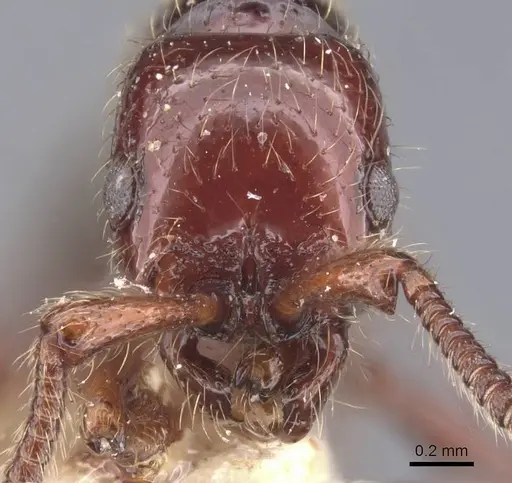
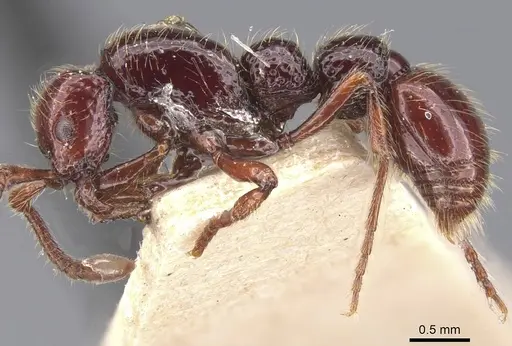
Parasyscia majuscula is a small ant species endemic to Fiji, belonging to the subfamily Dorylinae (army ants and their relatives). Workers are part of the vitiensis species complex and represent the largest and least sculptured species within that group. They feature broad, well-defined foveae (pitted structures) on the postpetiolar dorsum and anterior portions of the pronotum. This species was originally described by Mann in 1921 from workers collected beneath stones in the forests of Nadarivatu on Viti Levu island. No additional specimens have been collected since those original collections, making this one of the rarer Fiji endemics [1][2].
As a Dorylinae species, these ants are predatory hunters that likely forage in small groups or columns. They represent a challenging species to keep due to limited availability and the lack of captive husbandry data. Their natural habitat in Fiji's forests suggests they prefer warm, humid conditions with plenty of ground cover and leaf litter. The limited collection history means much of their biology must be inferred from related species in the genus.
Quick Summary
- Difficulty: Expert
- Origin & Habitat: Endemic to Fiji, specifically found on Viti Levu island in the Nadarivatu region. Original collections came from beneath stones in forest habitats [1][2].
- Colony Type: Colony structure is unconfirmed. Based on typical Dorylinae patterns, likely single-queen colonies, though this has not been directly documented for this species.
- Size & Growth:
- Queen: Estimated 5-7mm based on genus patterns, no specific measurements available
- Worker: Estimated 3-5mm based on genus patterns, no specific measurements available
- Colony: Unknown, no colony size data exists for this species
- Growth: Unknown, growth rate has not been documented
- Development: Estimated 6-8 weeks based on typical Dorylinae development at tropical temperatures (Development timeline is inferred from related Dorylinae species, no direct measurements exist for P. majuscula)
- Antkeeping:
- Temperature: Keep at 24-28°C, reflecting their tropical Fiji origin. A gentle temperature gradient allows ants to regulate their body heat
- Humidity: Maintain high humidity (70-85%) with moist substrate. Their forest floor habitat in Fiji suggests they prefer consistently damp conditions
- Diapause: Unlikely, as a tropical species from Fiji, they probably do not require a diapause period. However, slight seasonal slowdowns during cooler months may occur
- Nesting: Natural nesting occurs under stones in forest environments. In captivity, a naturalistic setup with moist substrate (like a terrarium-style formicarium) or a well-humidified Y-tong/plaster nest works best. Provide plenty of hiding spots and narrow passages
- Behavior: Dorylinae ants are typically aggressive predators with well-developed stingers. Workers likely forage in small groups or columns, hunting small invertebrates. They are probably nocturnal or crepuscular in activity patterns. Their small size means escape prevention is important, use fine mesh barriers and tight-fitting lids. The sting is likely present but may be too small to penetrate human skin effectively, though some Dorylinae can deliver noticeable stings
- Common Issues: limited availability, this species has rarely been collected and may not be available in the antkeeping hobby, lack of captive data means husbandry methods are largely inferred, not proven, tropical humidity requirements can lead to mold problems if ventilation is inadequate, predatory diet requires live prey which can be challenging to maintain, escape prevention is critical due to small worker size
Natural History and Distribution
Parasyscia majuscula is one of the rarest ant species in Fiji, known only from the original collections made by W.M. Mann in the early 1920s from the Nadarivatu region of Viti Levu island. This species belongs to the vitiensis complex and is recognized as the largest and least sculptured member of that group. The distinctive features include broad, well-defined foveae on the postpetiolar dorsum and the anterior portions of the pronotum. The original specimens were collected from beneath stones in forest environments, suggesting this species prefers shaded, humid microhabitats typical of Fiji's tropical forests. No additional specimens have been recorded since those initial collections, making this species a conservation concern and extremely rare in both wild populations and ant collections [1][2][3].
Housing and Nest Setup
For this species, a naturalistic setup works best given their natural history of nesting under stones in forest habitats. A terrarium-style formicarium with a deep layer of moist substrate (coconut fiber or soil mix) allows them to create their own chambers. Alternatively, a well-humidified Y-tong or plaster nest provides the darkness and moisture they prefer. The key is maintaining high humidity (70-85%) while preventing stagnation, use small ventilation holes or mesh to allow slight airflow. Provide plenty of hiding structures like flat stones, cork bark pieces, or leaf litter on the surface. Because workers are small, ensure all connections and boundaries are secure against escapes. A water reservoir connected to the nest helps maintain consistent humidity without frequent misting.
Feeding and Diet
As a Dorylinae species, Parasyscia majuscula is predatory and should be fed small live invertebrates. Based on related species, they likely accept small prey like fruit flies, pinhead crickets, mealworms, and other small arthropods. Offer protein sources 2-3 times per week, removing any uneaten prey after 24-48 hours to prevent mold. Sugar sources may be accepted occasionally, though Dorylinae are primarily protein-focused predators. Some keepers report success with honey water or sugar water offered on soaked cotton balls, but this should be supplemental rather than primary nutrition. Always ensure fresh water is available, a shallow water dish with a cotton wick prevents drowning risk for small workers.
Temperature and Seasonal Care
Being from tropical Fiji, this species requires warm conditions year-round. Maintain temperatures between 24-28°C with a slight gradient (warmer on one end) allowing ants to self-regulate. A heating cable or mat on one side of the nest can achieve this, placed on top of the nest to avoid evaporating moisture too quickly. Avoid temperatures below 20°C for extended periods as this species is not adapted to cool conditions. Diapause is unlikely to be required, though you may observe reduced activity during what would be Fiji's cooler season (roughly May to October). Keep humidity consistent, sudden drops in moisture can stress colonies. Monitor for mold growth, which is a common issue in high-humidity setups.
Behavior and Handling
Dorylinae ants are generally more aggressive and predatory than many common ant genera. Workers likely forage in small groups or columns, using chemical trails to communicate and recruit nestmates to prey items. They possess stingers, though the effect on humans is typically minimal due to their small size. However, some Dorylinae species can deliver noticeable stings, so handle with care. They are probably more active during cooler parts of the day (evening/night) based on typical forest floor ant behavior. When threatened, they may raise their gasters in a defensive posture. These ants are not suitable for beginners due to their specific humidity requirements, predatory diet needs, and the general lack of captive husbandry information for this rare species.
Frequently Asked Questions
How do I keep Parasyscia majuscula ants?
This is an expert-level species requiring a naturalistic setup with high humidity (70-85%) and warm temperatures (24-28°C). Use a well-humidified formicarium or Y-tong nest with moist substrate. Feed small live prey regularly and ensure escape prevention is excellent due to their small size.
What do Parasyscia majuscula ants eat?
They are predatory Dorylinae ants that need small live invertebrates. Offer fruit flies, small crickets, mealworms, or other tiny arthropods 2-3 times weekly. Sugar sources like honey water may be accepted occasionally but should not be the primary food.
How long does it take for Parasyscia majuscula to develop from egg to worker?
The exact timeline is unknown for this species. Based on typical Dorylinae development in tropical conditions, estimate approximately 6-8 weeks from egg to first worker at optimal temperatures.
Are Parasyscia majuscula good for beginners?
No. This species is not recommended for beginners. It is extremely rare in the hobby, requires specific high-humidity tropical conditions, needs a predatory diet of live prey, and has no established captive husbandry protocols. Related Dorylinae species are generally more challenging to keep than common genera like Lasius or Camponotus.
How big do Parasyscia majuscula colonies get?
The maximum colony size is unknown, no colony size data exists for this species. Based on related Dorylinae species, colonies likely reach several hundred workers at most.
Does Parasyscia majuscula need hibernation?
No. As a tropical species from Fiji, they do not require hibernation. Maintain warm temperatures (24-28°C) year-round. Slight seasonal slowdowns may occur during Fiji's cooler months but active heating is still recommended.
Can I keep multiple Parasyscia majuscula queens together?
This is unknown. The colony structure has not been documented for this species. Based on typical Dorylinae patterns, they likely form single-queen colonies. Do not attempt combining unrelated queens without specific evidence they will tolerate each other.
Why is Parasyscia majuscula so rare in the antkeeping hobby?
This species has only been collected once (in the early 1920s) and no additional specimens have been found since. It is endemic to a limited area in Fiji and likely has very small, localized populations. Obtaining this species would be extremely difficult even for experienced collectors.
References

This caresheet is licensed under CC BY-SA 4.0 .
CASENT0911260
View on AntWeb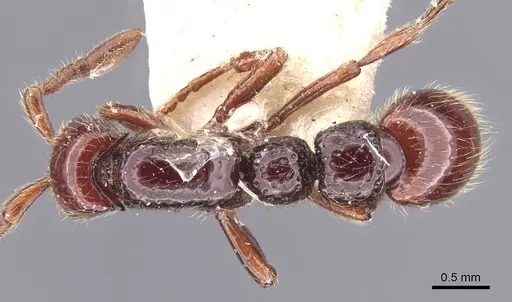
Literature
Loading...Loading products...