

Parasyscia lamborni
- Scientific Name
- Parasyscia lamborni
- Subfamily
- Dorylinae
- Author
- Crawley, 1923
- Distribution
- Found in 2 countries
Parasyscia lamborni Overview
Parasyscia lamborni is an ant species of the genus Parasyscia. It is primarily documented in 2 countries , including Côte d'Ivoire, Tanzania, United Republic of. Detailed taxonomic data and occurrence records can be further explored via authoritative databases such as AntWeb or the Global Biodiversity Information Facility (GBIF).
Parasyscia lamborni
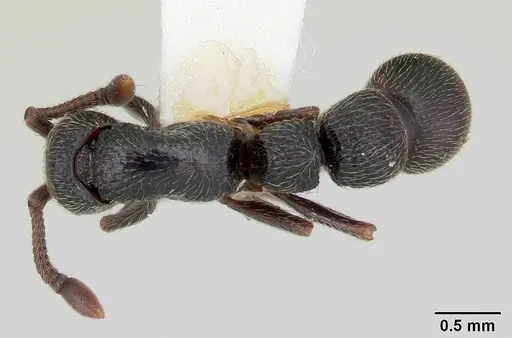
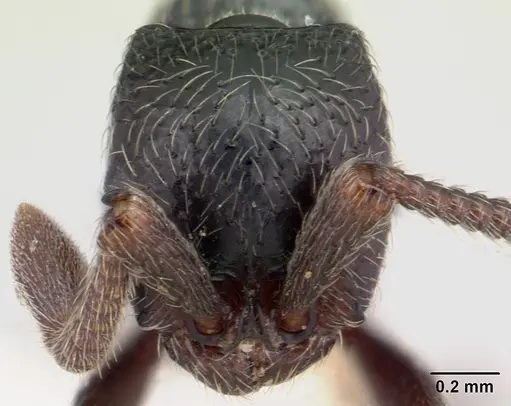
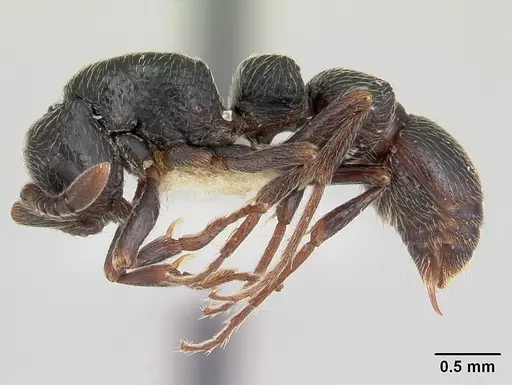
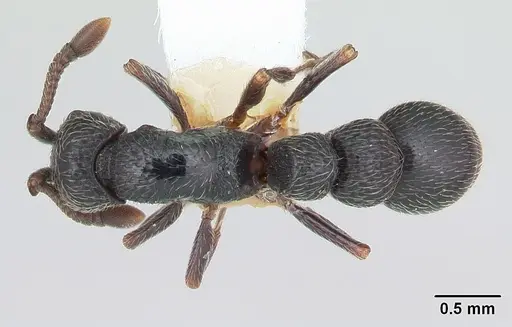
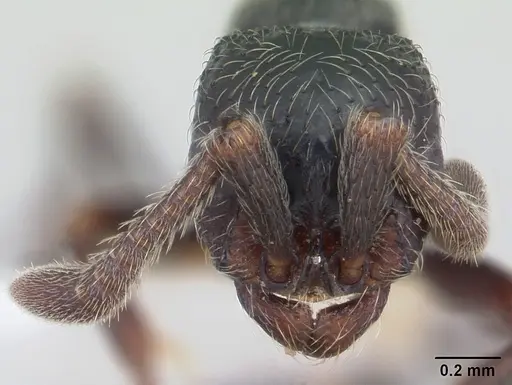
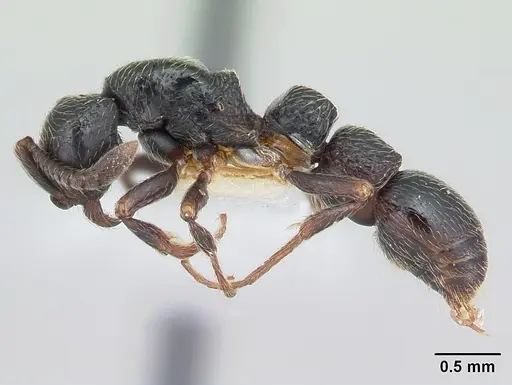
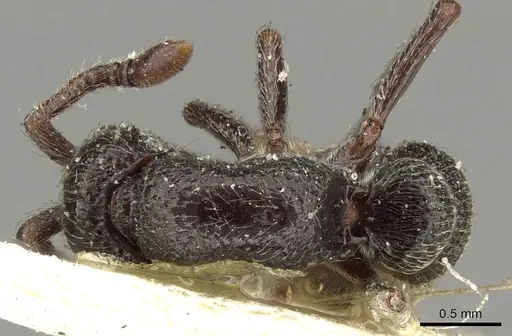
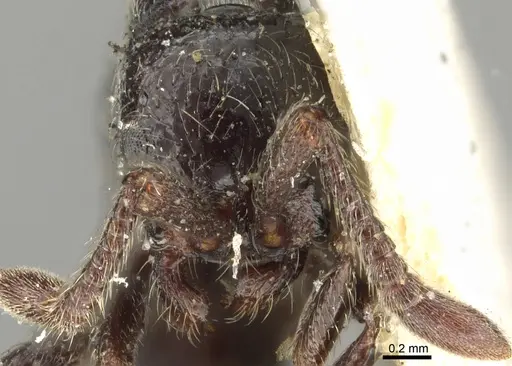
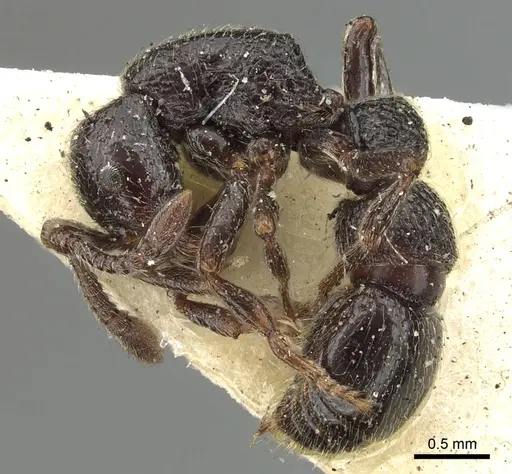
Parasyscia lamborni is a small predatory ant belonging to the Dorylinae subfamily, which includes army ants. Workers are tiny, measuring just a few millimeters, with the typical dark coloration common to many Dorylinae species. This species is native to the Afrotropical region, specifically found in Kenya, Malawi, and South Sudan [1][2]. The species was originally described as Parasyscia lamborni in 1923,with Parasyscia pigra later recognized as a synonym [2]. As with most Dorylinae ants, they are predatory and likely form small to moderate colonies. This is a rarely kept species in captivity with limited documented husbandry information.
Quick Summary
- Difficulty: Unknown, likely Expert due to limited available husbandry data
- Origin & Habitat: Kenya, Malawi, and South Sudan in the Afrotropical region. Found in tropical forest environments at elevations around 3800 feet [2].
- Colony Type: Colony structure is unconfirmed. Like other Dorylinae, likely forms colonies with a single queen (monogyne), though this has not been directly documented for this species.
- Size & Growth:
- Queen: Unknown, not documented in available literature
- Worker: Unknown, worker measurements not provided in source materials
- Colony: Unknown, no colony size data available
- Growth: Unknown, no development data available
- Development: Unknown, no specific timeline documented for this species (Based on typical Dorylinae patterns, development likely takes several weeks to a few months at optimal temperature. More specific data is not available.)
- Antkeeping:
- Temperature: Unknown, no species-specific data available. Based on its Afrotropical distribution, likely requires warm conditions in the low-to-mid 20s°C range. Start around 24-26°C and observe colony activity for guidance.
- Humidity: Unknown, no documented requirements. Based on origin in tropical forest regions of East Africa, likely prefers moderate to high humidity. Keep nest substrate consistently moist but not waterlogged.
- Diapause: Unknown, no documented hibernation requirements. As a tropical species from East Africa, may not require a true diapause period.
- Nesting: No specific nesting data available. In captivity, Dorylinae species typically accept test tubes, Y-tong nests, or naturalistic setups with moist substrate. Provide narrow chambers appropriate for their small size.
- Behavior: Behavior is not well documented. Dorylinae ants are typically predatory, hunting small invertebrates and other ants. They are likely more active foragers compared to slower-moving ant subfamilies. Escape prevention is critical due to their tiny size, use fine mesh barriers and tight-fitting lids. Aggression levels toward keepers are unknown but likely minimal given their small size.
- Common Issues: lack of documented husbandry information makes this species extremely challenging to keep, tiny size creates significant escape risk without proper barriers, predatory diet may be difficult to meet in captivity, no available data on acceptable foods or feeding schedules, wild-caught colonies may have parasites that are poorly understood
Species Background and Identification
Parasyscia lamborni was originally described by Crawley in 1923 from specimens collected in Malawi. The species was later synonymized with Parasyscia pigra, which was described from South Sudan specimens, but the name lamborni takes priority as the senior synonym [2]. This species belongs to the Dorylinae subfamily, commonly known as army ants, which are distributed worldwide but are most diverse in tropical regions. The genus Parasyscia contains numerous species primarily found in Africa and Asia. Identification to species level typically requires examination of morphological characters under magnification, and the small size of these ants makes identification challenging without proper specimen preparation.
Distribution and Natural Habitat
Parasyscia lamborni is found in three East African countries: Kenya, Malawi, and South Sudan [1][2]. The type locality in Malawi is Monkey Bay (also recorded as Lusumbwe), while specimens from South Sudan were collected in the Imatong Mountains at approximately 3800 feet elevation [2]. These locations suggest the species inhabits tropical forest environments in the Afrotropical region. The Imatong Mountains area represents a transitional zone between Central African and East African faunas. More specific microhabitat preferences within these regions have not been documented in available literature.
Keeping Parasyscia lamborni in Captivity
This species is extremely rare in the antkeeping hobby, and no established husbandry protocols exist. Based on its placement in Dorylinae, it is likely a predatory ant that hunts small invertebrates. Temperature requirements are unconfirmed but should be warm given its tropical origin, consider starting around 24-26°C and adjusting based on colony behavior. Humidity needs are unknown but likely moderate to high, similar to other tropical forest ants. Housing should include appropriately sized chambers scaled to their tiny body size. Test tube setups or Y-tong nests with fine mesh barriers are essential to prevent escapes. Feeding will likely require small live prey such as springtails, fruit flies, or other tiny arthropods. Sugar sources may or may not be accepted, experimentation is needed.
Challenges and Considerations
This species presents significant challenges for antkeepers. The complete lack of documented captive care information means you will be essentially pioneering husbandry methods. Expect a steep learning curve with potential for colony failure. Escape prevention is critical due to their very small size, even standard ant farm barriers may be insufficient. Obtaining this species may be difficult as it is not commonly available from suppliers. If you do acquire a colony, document your observations carefully to contribute to the collective knowledge base. Consider whether this species is appropriate for your experience level, more established species like common Lasius or Camponotus may be better choices for developing antkeeping skills before attempting rare or poorly documented species.
Frequently Asked Questions
How do I keep Parasyscia lamborni ants?
No established husbandry protocols exist for this species. Based on Dorylinae biology, provide warm temperatures (around 24-26°C), moderate humidity, and small live prey. This species is extremely rare in captivity and not recommended for beginners.
What do Parasyscia lamborni ants eat?
Diet is unconfirmed, but Dorylinae ants are predatory. Likely accepts small live invertebrates like springtails, fruit flies, and other micro-arthropods. Sugar acceptance is unknown and would require experimentation.
How big do Parasyscia lamborni colonies get?
Colony size is unknown. Dorylinae colonies vary widely, some reach thousands of workers while others remain much smaller. No specific data exists for this species.
Are Parasyscia lamborni good for beginners?
No. This species is not recommended for beginners due to complete lack of documented husbandry information, tiny size making escape likely, and the need to develop care protocols through experimentation.
What temperature do Parasyscia lamborni ants need?
Temperature requirements are unconfirmed. Based on their Afrotropical distribution, likely need warm conditions in the low-to-mid 20s°C. Start around 24-26°C and observe colony activity for guidance.
Do Parasyscia lamborni need hibernation?
Diapause requirements are unknown. As a tropical East African species, they likely do not require a true hibernation period. Cooler temperatures during winter months may slow activity but complete dormancy is unlikely.
How long does it take for Parasyscia lamborni to develop from egg to worker?
The egg-to-worker timeline is unknown. Typical Dorylinae development takes several weeks to a few months depending on temperature, but no specific data exists for this species.
Can I keep multiple Parasyscia lamborni queens together?
Colony structure is unconfirmed. Multiple queen combination has not been documented for this species and is not recommended based on typical Dorylinae behavior.
Where can I get Parasyscia lamborni ants?
This species is extremely rare in the antkeeping hobby and is not commonly available from commercial suppliers. It may occasionally be available through specialized dealers or by collecting in its native range (with proper permits).
References

This caresheet is licensed under CC BY-SA 4.0 .
Literature
Loading...Loading products...