

Parasyscia kenyensis
- Scientific Name
- Parasyscia kenyensis
- Subfamily
- Dorylinae
- Author
- Consani, 1951
- Distribution
- Found in 2 countries
Parasyscia kenyensis Overview
Parasyscia kenyensis is an ant species of the genus Parasyscia. It is primarily documented in 2 countries , including Kenya, Uganda. Detailed taxonomic data and occurrence records can be further explored via authoritative databases such as AntWeb or the Global Biodiversity Information Facility (GBIF).
Parasyscia kenyensis
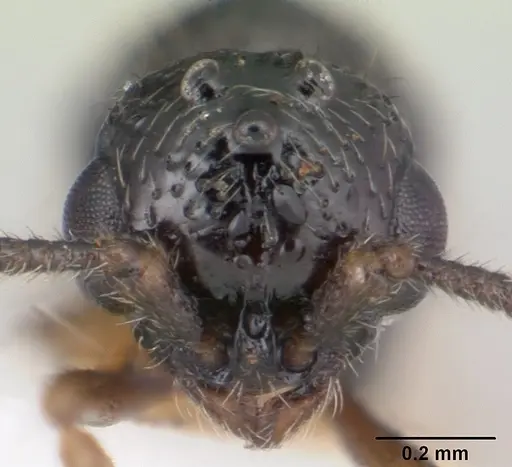
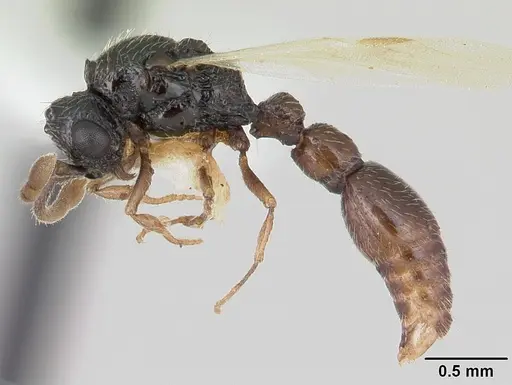
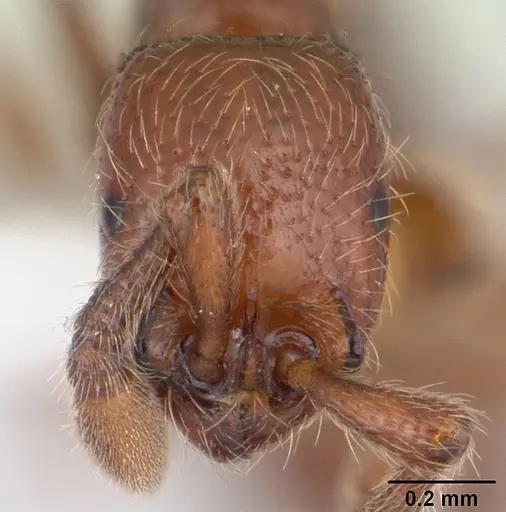
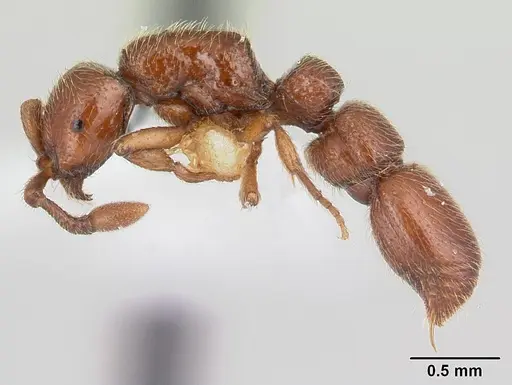
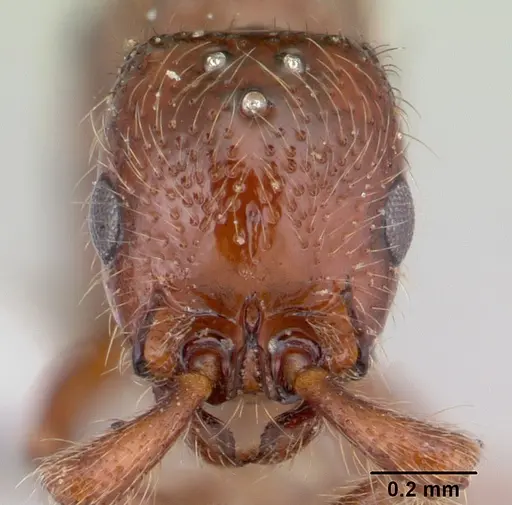
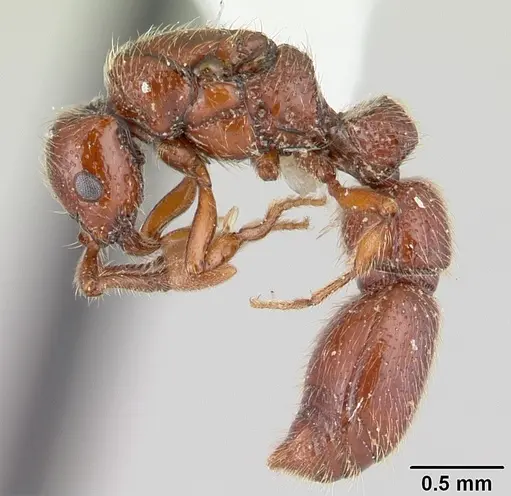
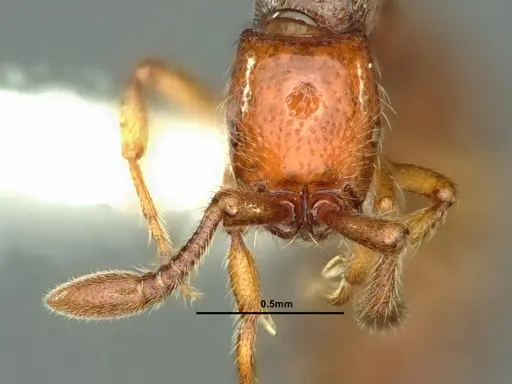
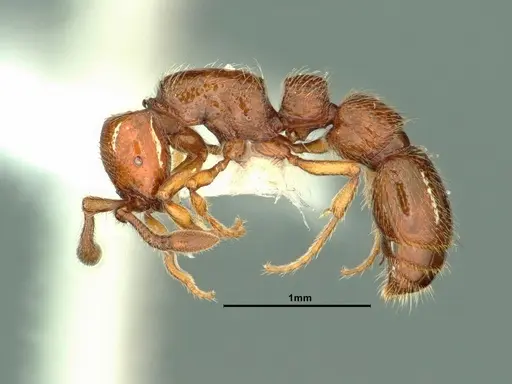
Parasyscia kenyensis is a small predatory ant native to East Africa, originally described from Nairobi, Kenya in 1951. Workers are modest in size with the characteristic doryline morphology, a compact body with a relatively large head and powerful mandibles suited for capturing prey. The species shows morphological similarity to P. rifati but can be distinguished by its smaller eyes, longer scapes that extend beyond the posterior margin of the head, and a dull cephalic surface with deep punctures [1]. This ant belongs to the Dorylinae subfamily, which includes army ants and other predatory species that hunt other arthropods. The species has been recorded across the Afrotropical region including Kenya, Uganda, and Ivory Coast [2].
Quick Summary
- Difficulty: Unknown, likely Expert
- Origin & Habitat: East Africa (Kenya, Uganda, Ivory Coast). Based on related species research in similar habitats, this species likely inhabits forest margins and tropical rainforest areas where it nests in soil or under stones [1][2].
- Colony Type: Unconfirmed, likely small colonies based on typical Dorylinae patterns
- Size & Growth:
- Queen: Unknown, estimated 4-6mm based on genus patterns
- Worker: Estimated 2-4mm based on related Parasyscia species
- Colony: Unknown, likely small colonies (dozens to low hundreds) based on genus patterns for rare cryptic species
- Growth: Unknown, likely moderate based on typical Dorylinae development
- Development: Unknown, estimated 6-10 weeks based on related Dorylinae species at optimal temperature (No direct data available. Estimates based on typical Dorylinae development patterns.)
- Antkeeping:
- Temperature: Start around 22-26°C and observe colony activity. No species-specific data available, this is a warm-adapted African species so moderate warmth is appropriate.
- Humidity: Keep nest substrate moderately moist. Based on East African forest margin habitat, aim for damp but not waterlogged conditions with some drier areas available.
- Diapause: Unknown for this species. Many African ants reduce activity during drier/cooler seasons but specific diapause requirements are unconfirmed.
- Nesting: Based on typical Parasyscia ecology, they likely prefer naturalistic setups with soil or small chambers. A Y-tong or plaster nest with tight chambers scaled to their small size would work. Provide access to a humid outworld for foraging.
- Behavior: This is a cryptic, predatory ant that likely forages primarily underground or in leaf litter. Based on Dorylinae behavior, workers likely hunt small arthropods and may use chemical trails to coordinate foraging. They are not aggressive toward humans but their small size and cryptic habits make them interesting observational ants. Escape prevention should be good despite their small size as they are not strong climbers, but fine mesh is still recommended given their size [1].
- Common Issues: lack of available care information makes this an expert-level species requiring significant research and experimentation, predatory diet requirements may be challenging, likely needs live small arthropods, slow colony growth typical of cryptic Dorylinae species may frustrate beginners, humidity balance is critical, too wet causes mold, too dry causes desiccation, wild-caught colonies may have parasites that are difficult to treat in captivity
Species Identification and Taxonomy
Parasyscia kenyensis was originally described as Parasyscia kenyensis by Consani in 1951 from a worker collected in Nairobi, Kenya. It was later transferred to the genus Parasyscia by Borowiec in 2016 during a comprehensive generic revision of the Dorylinae subfamily. The species can be identified by its small eyes (only 1-5 ommatidia in the longest row), long scapes that extend past the posterior margin of the head, deep punctures covering the body surface, and a dull cephalic surface. It is morphologically closest to P. rifati but can be differentiated by these characteristics [1]. The genus Parasyscia contains rare, cryptic ants that are infrequently encountered due to their subterranean or leaf-litter dwelling habits.
Distribution and Habitat
Parasyscia kenyensis is known from the Afrotropical region with confirmed records from Kenya (type locality: Nairobi), Uganda, and Ivory Coast. The species appears to prefer forest margin habitats and tropical areas. Research in Ivory Coast has shown that ant communities in forest margins are affected by land use types, with selective logging intensity predicting reductions in ant diversity, this suggests P. kenyensis may be sensitive to habitat disturbance. The East African distribution (Kenya, Uganda) indicates adaptation to warm, relatively humid conditions typical of equatorial forest environments. [1][2]
Nest Preferences and Housing
Based on typical Parasyscia ecology and related Dorylinae behavior, this species likely nests in soil, under stones, or in decaying wood on the forest floor. They are cryptic ants that spend much of their time underground or in leaf litter, making them challenging to observe in captivity. For housing, a naturalistic setup with a soil chamber or a Y-tong/plaster nest with small, tight chambers scaled to their tiny size works best. Provide a humid outworld where they can forage. Avoid tall, open spaces that would stress these small, ground-dwelling ants. Ensure excellent escape prevention despite their modest climbing abilities, their small size means they can slip through surprisingly small gaps.
Feeding and Diet
As a Dorylinae ant, Parasyscia kenyensis is likely a predator that hunts small arthropods. Based on related species, they probably accept small live prey such as springtails, fruit flies, and other tiny insects. Their diet likely consists primarily of protein from prey, with possibly limited sugar intake. Feed small live prey items 2-3 times per week, adjusting based on colony size and consumption. Remove uneaten prey after 24-48 hours to prevent mold. Sugar water may be offered occasionally but should not be a primary food source unless acceptance is confirmed through observation.
Temperature and Seasonal Care
As an East African species from Kenya and Uganda, Parasyscia kenyensis likely prefers warm, stable conditions. Start around 22-26°C and monitor colony behavior, if workers cluster near heat sources, increase temperature slightly, if they avoid heated areas, reduce temperature. A heating cable on one side of the nest can create a temperature gradient allowing the ants to self-regulate. Place the heating on top of the nest to avoid drying out the substrate. Specific diapause requirements are unknown, but many African ants reduce activity during natural cool or dry seasons, consider reducing temperatures slightly (by 3-5°C) during winter months to simulate natural cycles.
Behavior and Colony Dynamics
Parasyscia kenyensis is a cryptic species that likely forages underground or in leaf litter rather than openly on the surface. Dorylinae ants typically use chemical pheromone trails to coordinate group foraging raids on arthropod prey. Workers are likely modest in size with good mandibles for capturing prey. Colonies are probably small compared to typical army ants, possibly reaching only dozens to low hundreds of workers. The species is not known to be aggressive toward humans and poses no danger. Observation is challenging due to their cryptic habits, a naturalistic setup with good visibility into nesting areas helps. Colony growth is likely slow, requiring patience from keepers.
Frequently Asked Questions
How long does it take for Parasyscia kenyensis to develop from egg to worker?
The exact development timeline is unknown for this species. Based on typical Dorylinae patterns, estimate 6-10 weeks from egg to first worker at optimal temperature (around 24-26°C). Growth is likely slow compared to faster-developing genera like Tapinoma or Monomorium.
What do Parasyscia kenyensis ants eat?
Based on Dorylinae biology, they are predators that hunt small arthropods. Feed small live prey such as springtails, fruit flies, and tiny crickets. Protein should be the primary food. Sugar water may be accepted occasionally but is not a primary dietary requirement.
Can beginners keep Parasyscia kenyensis?
This species is not recommended for beginners. There is very limited care information available, and their specific requirements (humidity, temperature, diet) are not well-documented. They require expert-level husbandry and significant experimentation. Consider starting with better-documented species like Lasius, Tetramorium, or Camponotus.
What size colony does Parasyscia kenyensis reach?
Colony size is unknown but likely small, probably dozens to low hundreds of workers based on typical cryptic Dorylinae patterns. They are not likely to form large colonies like some army ants.
What temperature should I keep Parasyscia kenyensis at?
Start around 22-26°C as a baseline. This is an East African species adapted to warm conditions. Use a heating cable on part of the nest to create a gradient, and adjust based on colony behavior. Observe where workers cluster to determine their preference.
Does Parasyscia kenyensis need hibernation?
Specific diapause requirements are unknown. Many African ants from equatorial regions do not require true hibernation but may reduce activity during cooler or drier seasons. Consider a slight temperature reduction (3-5°C) during winter months but do not force full hibernation.
What type of nest is best for Parasyscia kenyensis?
A naturalistic setup with soil or a Y-tong/plaster nest with small, tight chambers works best. They are cryptic, ground-dwelling ants that prefer dark, humid nesting areas. Provide good visibility for observation while maintaining appropriate humidity.
Is Parasys kenyensis a monogyne or polygyne species?
Colony structure is unconfirmed for this species. No research documents whether they have single or multiple queens. Based on typical Dorylinae patterns, single-queen colonies are more likely but this is not confirmed.
Where can I get Parasyscia kenyensis?
This is a rare species with limited distribution in East Africa. It is unlikely to be available through commercial ant vendors. Any colonies in captivity would likely be wild-caught, which carries risks of parasites and stress from collection and transport.
References

This caresheet is licensed under CC BY-SA 4.0 .
CASENT0178205
View on AntWeb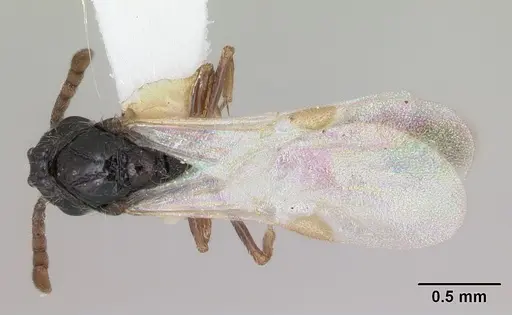
CASENT0178206
View on AntWeb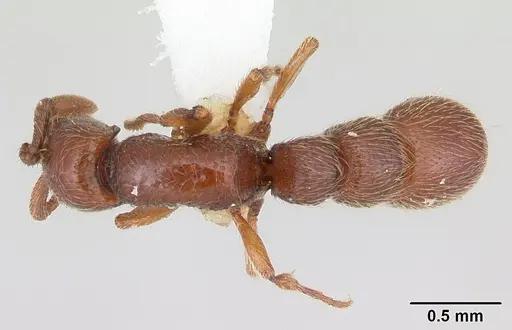
CASENT0178207
View on AntWeb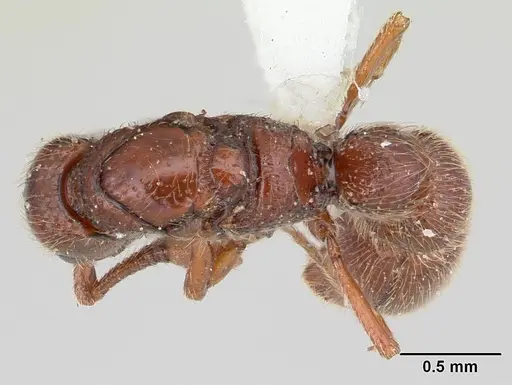
CASENT0883443
View on AntWeb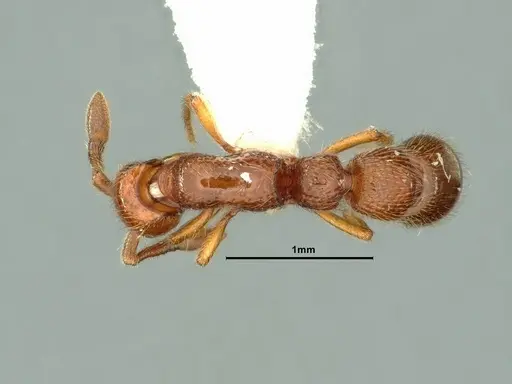
Literature
Loading...Loading products...