

Parasyscia imerinensis
- Scientific Name
- Parasyscia imerinensis
- Subfamily
- Dorylinae
- Author
- Forel, 1891
- Distribution
- Found in 1 countries
Parasyscia imerinensis Overview
Parasyscia imerinensis is an ant species of the genus Parasyscia. It is primarily documented in 1 countries , including Madagascar. Detailed taxonomic data and occurrence records can be further explored via authoritative databases such as AntWeb or the Global Biodiversity Information Facility (GBIF).
Parasyscia imerinensis
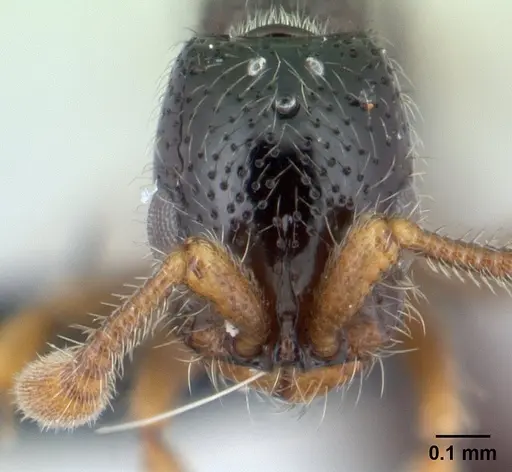
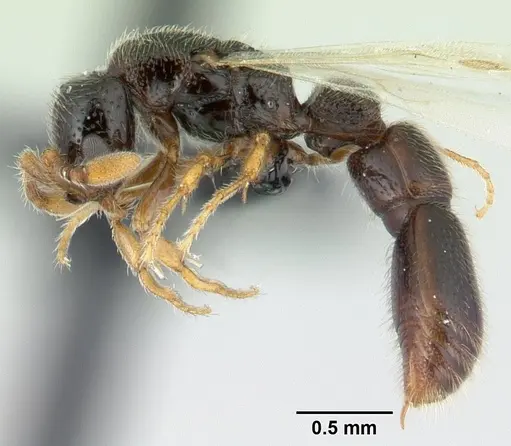
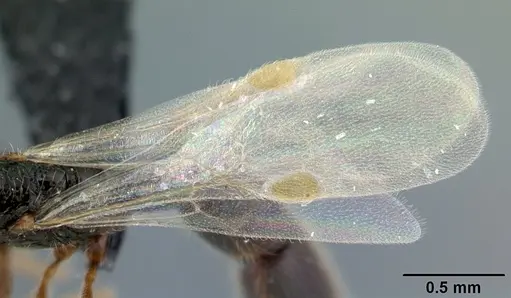
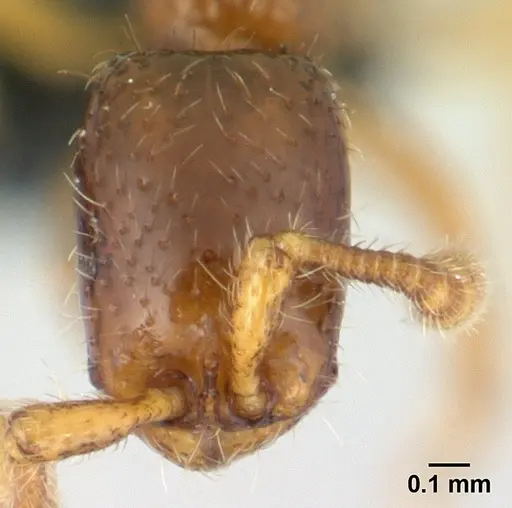
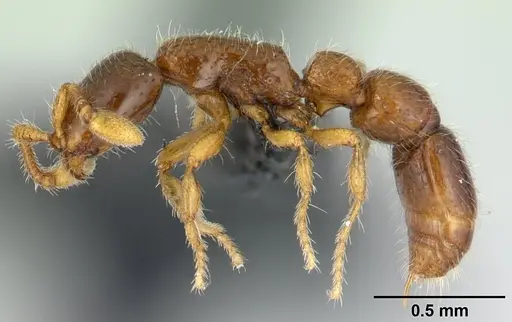
Parasyscia imerinensis is a small, predatory ant species native to Madagascar, specifically found in the Imérina region around Antananarivo. These ants belong to the Dorylinae subfamily, which includes army ants and their predatory relatives. Workers are typically small and slender, adapted for hunting small invertebrates. The species was originally described by Forel in 1891 from a queen collected in Imérina (Camboué). While once classified as Cerapachys, taxonomic revisions placed it in the genus Parasyscia. This species has been observed in urban habitats, including the botanical garden and zoo in Antananarivo, suggesting some tolerance for disturbed environments [1]. Dorylinae ants are known for their predatory nature and efficient colony organization, making them fascinating but challenging to keep in captivity.
Quick Summary
- Difficulty: Medium
- Origin & Habitat: Native to Madagascar, specifically the Imérina region (highlands around Antananarivo). Found in urban habitats including botanical gardens and zoos [1]. Madagascar has a tropical climate with distinct wet and dry seasons.
- Colony Type: Colony structure is unconfirmed. Dorylinae species typically have single-queen colonies, though some can be multi-queen. Further research needed on this specific species.
- Size & Growth:
- Queen: Unknown, the original type specimen has been lost [2]. Estimated based on related Dorylinae: likely 4-7mm.
- Worker: Estimated 2-4mm based on genus typical sizes.
- Colony: Unknown for this species. Dorylinae colonies range from dozens to thousands of workers depending on the species.
- Growth: Unknown, likely moderate to fast based on predatory feeding patterns.
- Development: Unconfirmed. Estimated 4-8 weeks based on typical Dorylinae development at tropical temperatures. (Development timeline is unconfirmed for this species. Estimates based on related Dorylinae patterns.)
- Antkeeping:
- Temperature: Keep at tropical temperatures, roughly 24-28°C. Madagascar highlands are warm but not extreme. Provide a temperature gradient allowing workers to self-regulate.
- Humidity: Moderate to high humidity preferred. The Imérina region experiences seasonal variation but maintains reasonable moisture. Keep nest substrate consistently damp but not waterlogged.
- Diapause: Unknown for this species. Many Madagascar ants do not enter true diapause but may reduce activity during the dry season. Monitor colony behavior and reduce feeding if workers become less active.
- Nesting: Natural nesting habits are unconfirmed. Dorylinae ants typically nest in soil or rotting wood. In captivity, a moist plaster nest or test tube setup with access to a foraging area works well. Provide damp substrate for brood chambers.
- Behavior: Parasyscia imerinensis is a predatory ant species. Like other Dorylinae, they likely hunt small invertebrates and may form raiding columns. They are probably more active during warmer periods and may show increased foraging activity at night. Their small size means escape prevention is important, use fine mesh barriers. Temperament is likely defensive if provoked, but they are not aggressive toward humans. As predatory ants, they will likely attack and consume small live prey.
- Common Issues: limited species-specific information makes care recommendations uncertain, predatory diet requires live prey which can be challenging to provide consistently, escape prevention is important due to small worker size, humidity control is critical, too dry causes brood death, too wet causes mold, wild-caught colonies may carry parasites that are difficult to detect
Housing and Nest Setup
Parasyscia imerinensis can be housed in standard ant keeping setups. A test tube setup with a water reservoir works well for founding colonies. For established colonies, a small formicarium with plaster or acrylic chambers connected to a foraging area is appropriate. Because this is a small species, ensure that connections between nest and foraging areas are not too large, as this can cause stress. Provide a damp substrate in the nest area for brood development. The foraging area should be escape-proof, these tiny ants can squeeze through surprisingly small gaps. Use fluon on container edges or fine mesh coverings. [1]
Feeding and Diet
As a Dorylinae ant, P. imerinensis is predatory and requires live prey. Offer small live insects such as fruit flies, pinhead crickets, small mealworms, and other appropriately-sized invertebrates. The prey should be small enough for the workers to subdue and dismember. Feed every 2-3 days, adjusting based on colony size and consumption. Remove uneaten prey after 24 hours to prevent mold. Sugar sources are unlikely to be accepted, these are strict predators. Some Dorylinae species will scavenge on dead insects, so occasional frozen-then-thawed prey may be accepted, but live prey should form the primary diet.
Temperature and Seasonal Care
Maintain temperatures between 24-28°C for optimal colony health and development. A slight temperature gradient is beneficial, allowing workers to move between warmer and cooler areas. In Madagascar, the Imérina region experiences a warm temperate climate, so these ants are not extreme heat lovers. Room temperature within this range is acceptable. If your room is cooler, a heating cable on one side of the nest can provide warmth. Avoid temperatures above 32°C. Seasonal changes in activity are possible, reduce feeding slightly during any natural slow periods, but do not cool them dramatically unless the colony shows clear signs of dormancy. [1]
Humidity Requirements
Keep the nest substrate consistently moist but not waterlogged. The substrate should feel damp to the touch. Madagascar has distinct wet and dry seasons, but the Imérina highlands maintain moderate humidity year-round. Mist the nest area occasionally, but allow it to dry slightly between mistings to prevent mold buildup. A water tube or reservoir in the test tube setup provides constant humidity. Monitor for condensation, excessive condensation can indicate too much moisture, while a completely dry nest indicates too little.
Behavior and Colony Dynamics
Dorylinae ants are known for their predatory raids and organized foraging. Workers likely communicate through chemical signals and may form trails to food sources. Colonies probably grow gradually, with the queen laying eggs continuously once established. Unlike some ants, Dorylinae workers typically do not store large amounts of food, they feed the brood directly. The colony may show increased activity at certain times of day. Watch for workers carrying dismembered prey back to the nest, this indicates successful hunting. Workers are small but can deliver a nip if threatened, though they are not considered dangerous to humans.
Frequently Asked Questions
How long does it take for Parasyscia imerinensis to produce first workers?
The egg-to-worker timeline is unconfirmed for this species. Based on typical Dorylinae development, expect 4-8 weeks at optimal tropical temperatures (24-28°C). Growth may be slower if temperatures are lower.
What do Parasyscia imerinensis ants eat?
They are predatory ants that require live prey. Feed small live insects like fruit flies, pinhead crickets, small mealworms, and similar appropriately-sized invertebrates. Remove uneaten prey after 24 hours.
Can I keep Parasyscia imerinensis in a test tube?
Yes, test tubes work well for founding colonies. Use a test tube with a water reservoir and cotton plug, keeping it horizontal and dark for the first few weeks. Once the colony has 10+ workers, you can connect it to a foraging area.
What temperature do Parasyscia imerinensis need?
Keep them at 24-28°C. This matches their native Madagascar highland environment. A temperature gradient is beneficial so workers can regulate their own temperature.
Are Parasyscia imerinensis good for beginners?
This species is rated as medium difficulty. While not the most challenging ant to keep, the need for live prey and limited species-specific information makes it better suited for keepers with some experience.
How big do Parasyscia imerinensis colonies get?
Colony size is unconfirmed for this species. Based on related Dorylinae, colonies likely reach dozens to a few hundred workers. They are not among the largest ant species.
Do Parasyscia imerinensis need hibernation?
Hibernation requirements are unknown for this species. As a Madagascar ant, they likely do not require true hibernation but may reduce activity during cooler or drier periods. Monitor your colony and adjust care accordingly.
Why are my Parasyscia imerinensis dying?
Common causes include: improper humidity (too dry or too wet), temperatures outside their preferred range, lack of live prey, mold from uneaten food, or stress from too-large enclosures. Review each of these factors and adjust accordingly.
References

This caresheet is licensed under CC BY-SA 4.0 .
CASENT0097099
View on AntWeb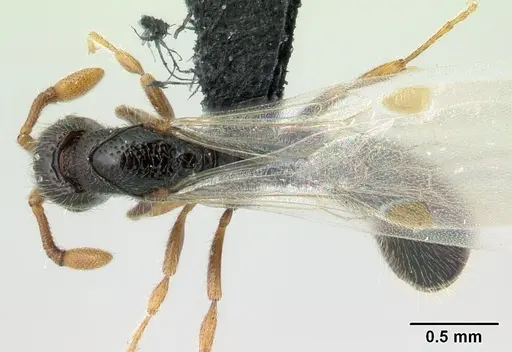
CASENT0492142
View on AntWeb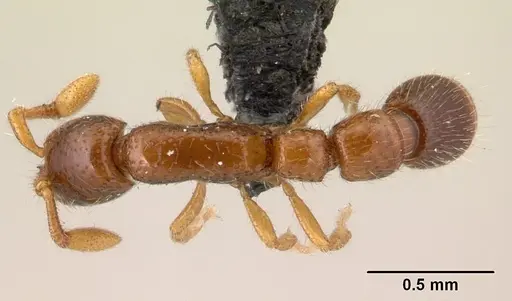
Literature
Loading...Loading products...