

Parasyscia desposyne
- Scientific Name
- Parasyscia desposyne
- Subfamily
- Dorylinae
- Author
- Wilson, 1959
- Distribution
- Found in 1 countries
Parasyscia desposyne Overview
Parasyscia desposyne is an ant species of the genus Parasyscia. It is primarily documented in 1 countries , including Papua New Guinea. Detailed taxonomic data and occurrence records can be further explored via authoritative databases such as AntWeb or the Global Biodiversity Information Facility (GBIF).
Parasyscia desposyne
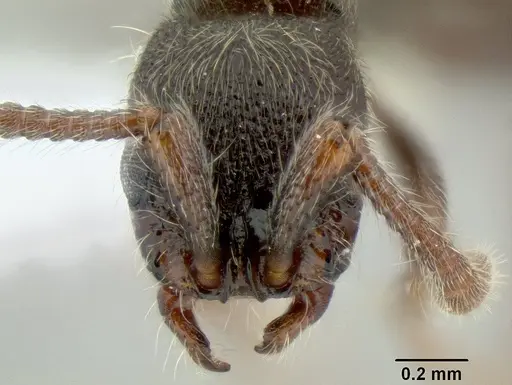
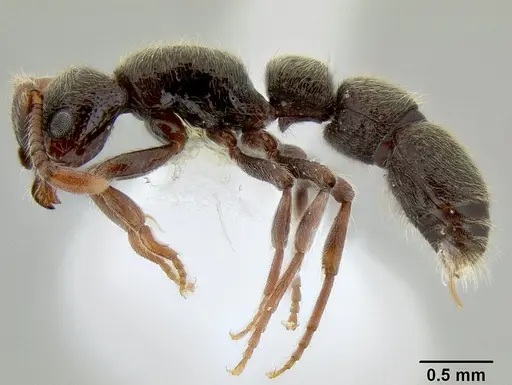
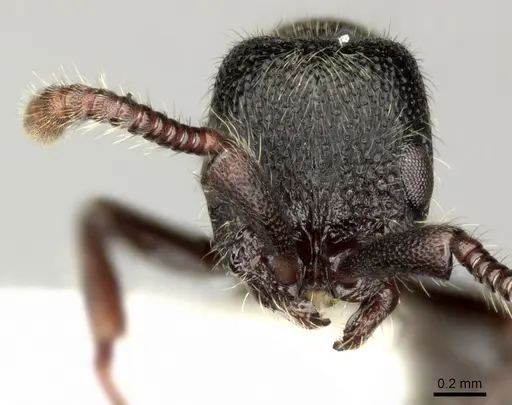
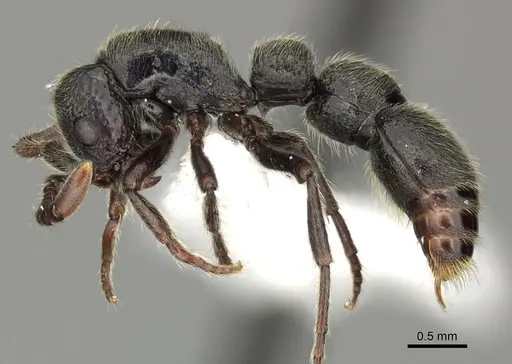
Parasyscia desposyne is a small predatory ant species native to Papua New Guinea, formerly classified as Parasyscia desposyne before taxonomic revision moved it to the genus Parasyscia. Workers are tiny at just 2-3mm, with the characteristic doryline ant morphology including a compact body and short, powerful mandibles adapted for predation. This species belongs to the Old World Sphinctomyrmex/Eusphinctus clade within the army ant relatives group, indicating specialized predatory behavior [1]. As a Dorylinae species from tropical New Guinea, these ants inhabit the warm, humid forest floor environment where they hunt small invertebrates.
Quick Summary
- Difficulty: Medium
- Origin & Habitat: Papua New Guinea, specifically the Bisianumu area near Sogeri at 500m elevation in the Australasian region. Found in tropical forest environments typical of lowland Papua New Guinea [2].
- Colony Type: Colony structure is unconfirmed. Based on Dorylinae patterns, likely single-queen colonies with moderate worker populations.
- Size & Growth:
- Queen: Unconfirmed, estimated 4-5mm based on genus patterns
- Worker: 2-3mm
- Colony: Likely under 500 workers based on typical Parasyscia colony sizes
- Growth: Moderate
- Development: Estimated 6-10 weeks based on related Dorylinae species at tropical temperatures (Development time is estimated from genus-level data since species-specific timing is unconfirmed)
- Antkeeping:
- Temperature: Keep at 24-28°C, these are tropical ants from warm, humid Papua New Guinea [2]. A heating cable on one side of the nest creates a suitable gradient.
- Humidity: High humidity required, around 70-85%. Keep the nest substrate consistently moist but not waterlogged. Mist occasionally and use a water reservoir.
- Diapause: Unlikely, as a tropical species from near-equator latitudes, they probably do not require a true diapause. Some reduced activity during cooler months may occur.
- Nesting: Natural nesting occurs in soil and rotting wood in forest floor habitats. In captivity, a test tube setup works well for founding colonies. For established colonies, a Y-tong or plaster nest with small chambers scaled to their tiny size works well.
- Behavior: These are predatory ants with active hunting behavior. Workers are small but aggressive toward prey items. They likely use chemical trails to coordinate group hunting, similar to other Dorylinae. Escape prevention is critical due to their tiny 2-3mm size, they can squeeze through remarkably small gaps. Use fine mesh barriers and tight-fitting lids.
- Common Issues: escape prevention is critical due to their very small size, they squeeze through the tiniest gaps, predatory diet means they need constant access to live small prey, failure to provide adequate protein causes colony decline, high humidity requirements can lead to mold problems if ventilation is poor, tropical species may struggle in cool rooms below 24°C, small colony sizes mean losses have bigger impact, every worker counts
Housing and Setup
For a newly caught queen, a simple test tube setup works well. Fill a test tube one-third with water, plug with a cotton ball to create a water reservoir, then add the queen. Cover the tube with a dark cloth for the first week to reduce stress. For established colonies with 20+ workers, you can move to a small formicarium. Y-tong nests work well because the chambers can be sized appropriately for their tiny workers. Avoid large, open spaces that they cannot patrol effectively. Escape prevention is absolutely critical, these ants are among the smallest in the hobby and will find any gap. Use fine mesh (at least 0.5mm or finer) on all ventilation holes and ensure lids fit tightly.
Feeding and Diet
Parasyscia desposyne is a predatory species, meaning they hunt and kill small invertebrates for food. In captivity, offer small live prey such as fruit flies, pinhead crickets, small mealworms, and most importantly, live springtails or other micro-arthropods. Their small size means they can only tackle prey they can handle, typically items smaller than themselves. Feed every 2-3 days, offering prey that can be consumed within 24 hours. Remove any uneaten prey to prevent mold. Sugar sources like honey or sugar water may be accepted occasionally but should not be the primary food, these are protein-focused predators.
Temperature and Humidity
As a tropical species from Papua New Guinea, Parasyscia desposyne needs warm, humid conditions. Keep the nest area at 24-28°C consistently. A small heating cable placed on top of the nest (never under, as it can dry out the substrate) helps maintain warmth. Humidity should be high, around 70-85%. The substrate should feel consistently moist but never waterlogged. You can achieve this by including a water reservoir in your test tube setup or misting the nest regularly. A gradient is helpful, keep one area slightly drier so the ants can choose their preferred humidity. Avoid temperatures below 22°C as this can slow activity and potentially harm brood development. [2]
Colony Development
A newly mated queen will found her colony alone, sealing herself in a chamber to lay eggs and raise the first workers (this is claustral founding, typical of Dorylinae). The first workers, called nanitics, are often smaller than normal workers and may take 6-10 weeks to emerge at optimal temperatures. After the first workers hatch, the colony grows gradually. Expect moderate growth rates, these are not fast-growing ants like some Formicinae. Colony size likely maxes out under 500 workers based on typical Parasyscia patterns. Be patient with founding colonies, disturbing them too often can cause queen stress and abandonment of brood.
Behavior and Temperament
These ants are active hunters with a predatory lifestyle. Workers are small but show coordinated behavior when hunting, likely using chemical pheromone trails to recruit nestmates to food sources. They are not aggressive toward humans but will defend their nest if threatened. The workers are fast-moving for their size and can be skittish. Their small size means they are excellent escape artists, even a 1mm gap is enough for them to squeeze through. Always use multiple escape barriers (Fluon on test tube rims, fine mesh on vents) and check enclosures daily during the founding period.
Frequently Asked Questions
How long does it take for Parasyscia desposyne to have first workers?
Expect 6-10 weeks from egg to first worker at optimal tropical temperatures (24-28°C). This is an estimate based on related Dorylinae species since species-specific development data is unavailable.
Can I keep Parasyscia desposyne in a test tube?
Yes, test tubes work well for founding colonies. Use a water reservoir setup with cotton to maintain humidity. Cover with a dark cloth initially to reduce stress. Transition to a small formicarium once the colony reaches 20+ workers.
What do Parasyscia desposyne ants eat?
They are predatory ants that need live protein. Feed small live prey like fruit flies, springtails, tiny crickets, and small mealworms. Offer prey every 2-3 days and remove uneaten items. Sugar water may be accepted occasionally but protein is essential.
Do Parasyscia desposyne ants sting?
They are too small to effectively sting humans. However, they may bite if handled roughly, though this is rare given their docile nature toward keepers.
Are Parasyscia desposyne good for beginners?
They are rated as medium difficulty. The main challenges are their tiny size (escape prevention is critical), high humidity needs, and predatory diet requiring live prey. Experienced antkeepers who can provide these conditions will have success.
What temperature do Parasyscia desposyne need?
Keep them warm at 24-28°C. This tropical species from Papua New Guinea needs consistent warmth. A small heating cable on top of the nest helps maintain proper temperatures.
How big do Parasyscia desposyne colonies get?
Colony size is estimated at under 500 workers based on typical Parasyscia patterns. They are not large colony ants like some Lasius or Camponotus species.
Do Parasyscia desposyne need hibernation?
No, they are tropical ants from near-equator latitudes and do not require hibernation. Simply maintain warm temperatures year-round.
Why are my Parasyscia desposyne escaping?
Their tiny 2-3mm size means they can escape through remarkably small gaps. Use fine mesh (0.5mm or finer), apply Fluon to test tube rims, and check all ventilation holes. Multiple barriers are essential.
When should I move my colony to a formicarium?
Move to a small formicarium (Y-tong or plaster nest) once the colony reaches 15-25 workers. Make sure the chambers are appropriately sized for their tiny workers, too-large spaces stress them.
References

This caresheet is licensed under CC BY-SA 4.0 .
CASENT0106204
View on AntWeb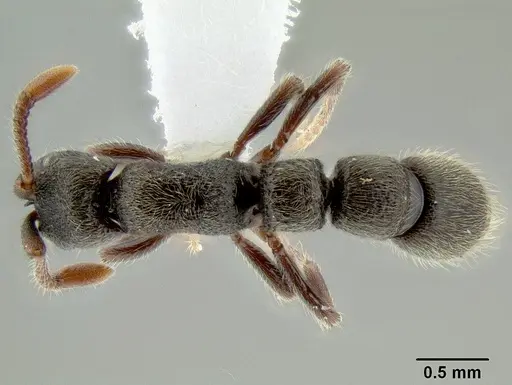
CASENT0249312
View on AntWeb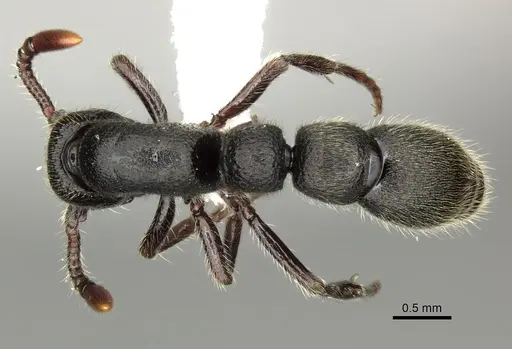
Literature
Loading...Loading products...