
Paraponera clavata shows an extended activity window from January through December, spanning 11 months. This longer season suggests multiple flight events or varying conditions across its range. Peak activity occurs in January. This extended season suggests multiple flight events or varying conditions across its range.
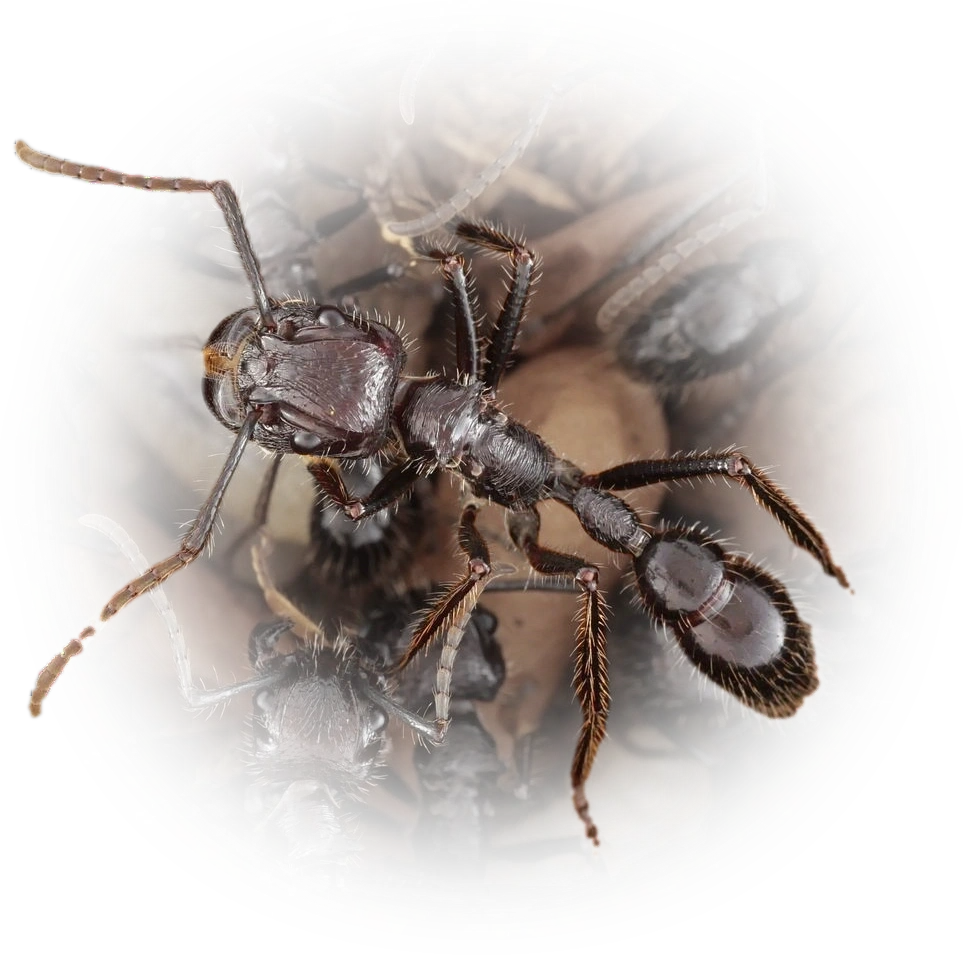
Paraponera clavata
- Scientific Name
- Paraponera clavata
- Tribe
- Paraponerini
- Subfamily
- Paraponerinae
- Author
- Fabricius, 1775
- Common Name
- Bullet Ant
- Distribution
- Found in 10 countries
- Nuptial Flight
- from January to December, peaking in January
Paraponera clavata Overview
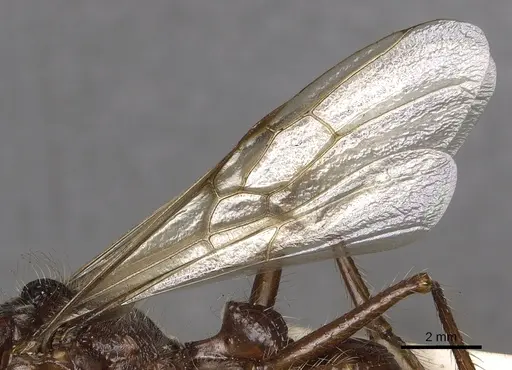
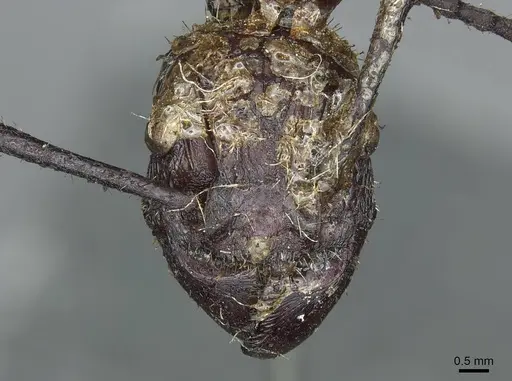
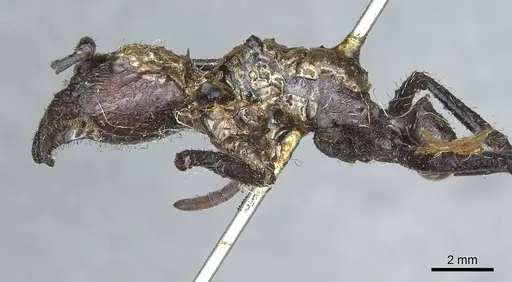
Paraponera clavata (commonly known as the Bullet Ant) is an ant species of the genus Paraponera. It is primarily documented in 10 countries , including Bolivia, Plurinational State of, Brazil. Detailed taxonomic data and occurrence records can be further explored via authoritative databases such as AntWeb or the Global Biodiversity Information Facility (GBIF).
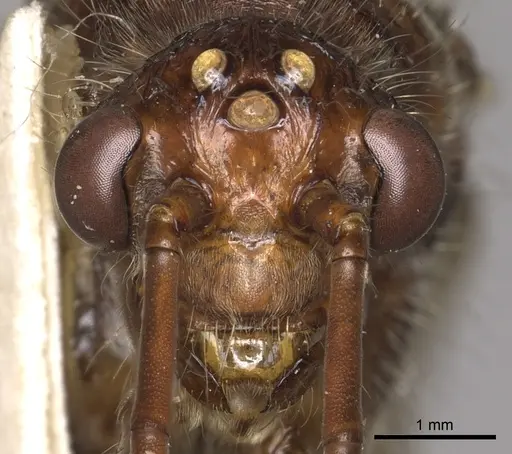
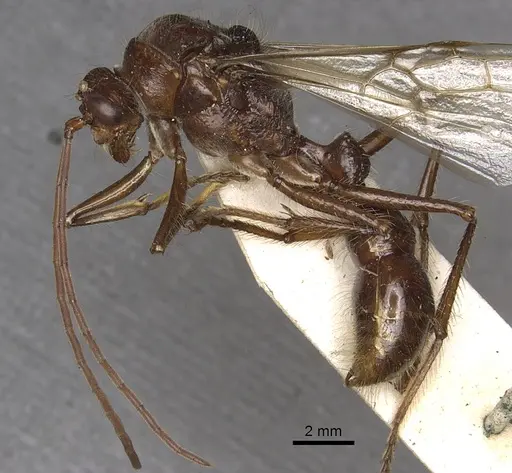
The nuptial flight of Paraponera clavata is a significant biological event, typically occurring from January to December, peaking in January. During this time, winged queens and males leave the nest to mate and establish new colonies.
Paraponera clavata - "Bullet Ant"
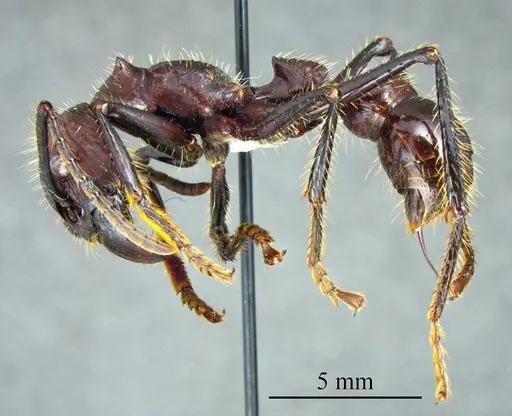
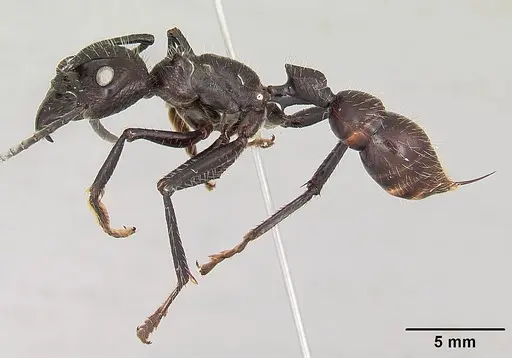
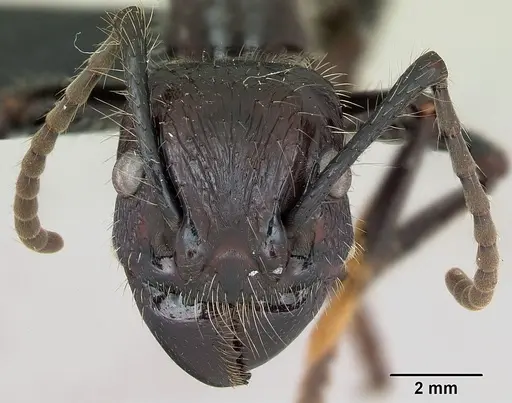
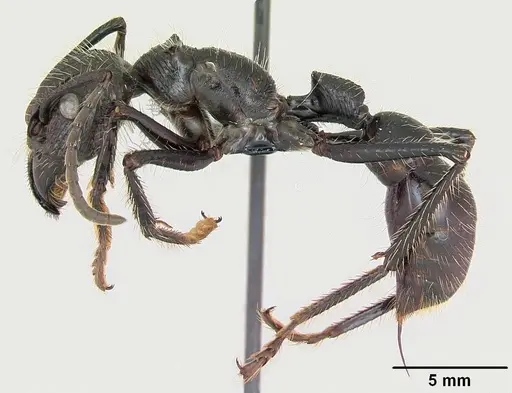
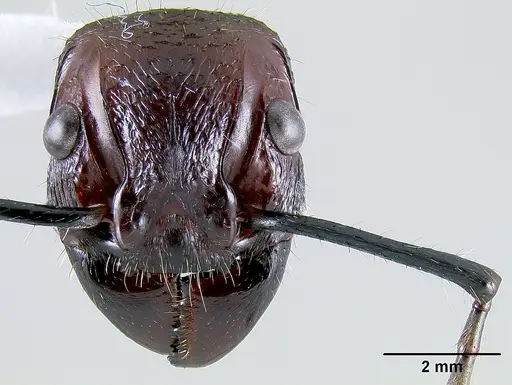
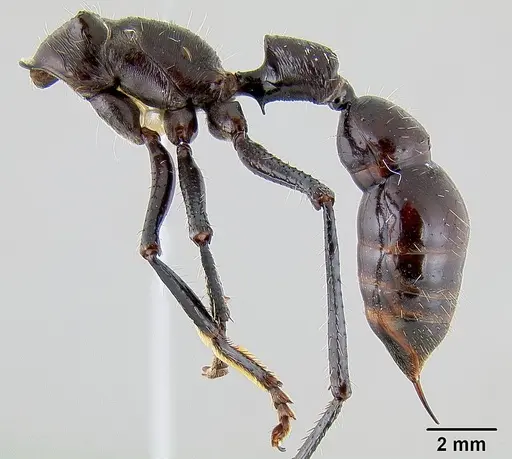
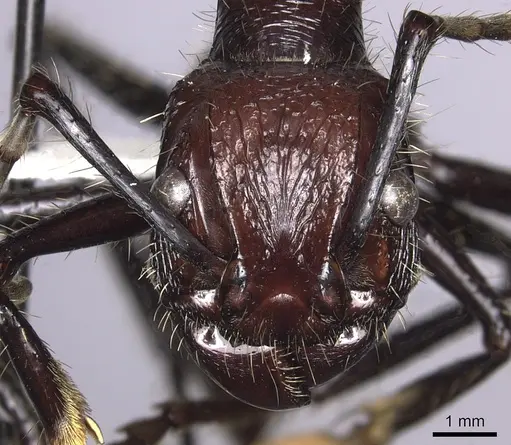
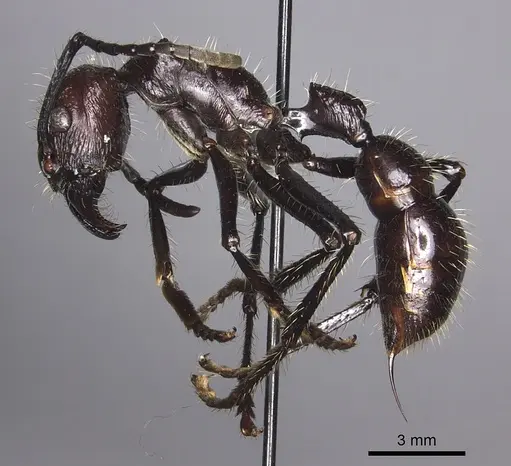
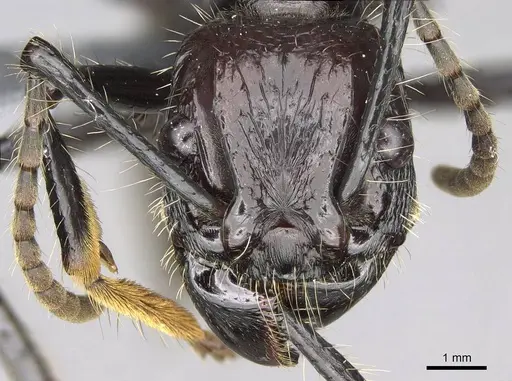
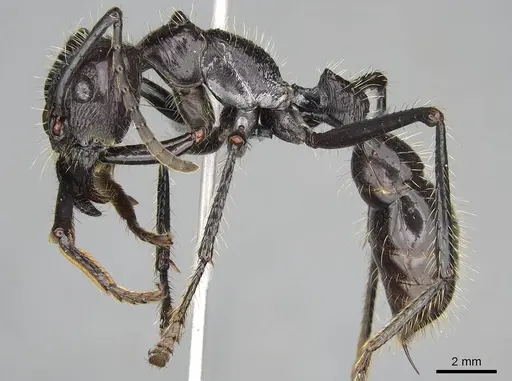
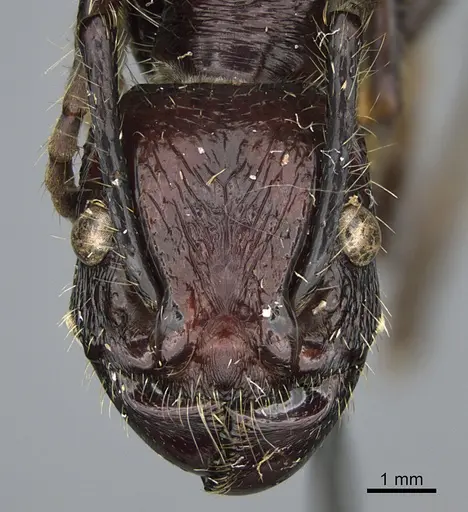
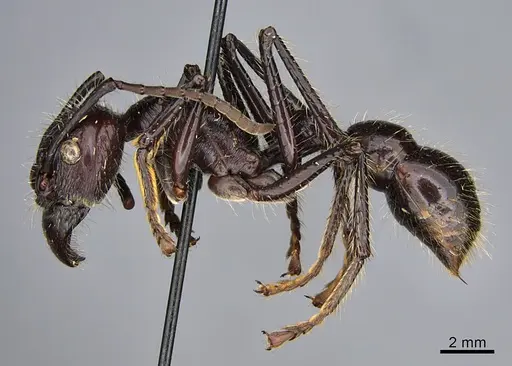
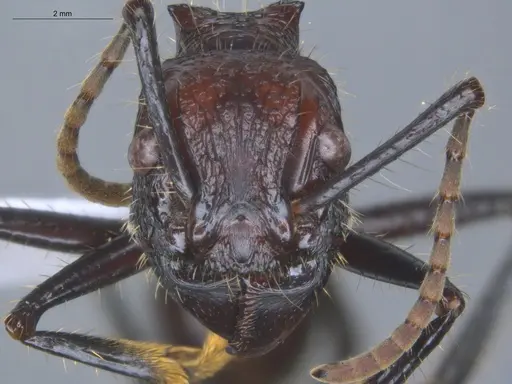
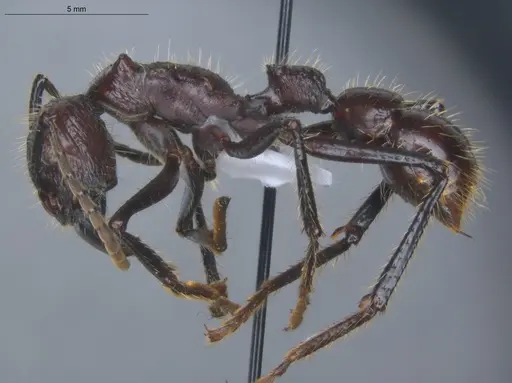
Paraponera clavata is one of the largest ants in the world, with workers measuring 18-30mm in length [1]. These impressive ants are easily recognized by their large size, dark reddish-black coloration, and the distinctive V-shaped antennal scrobes that curve above their eyes [2]. They are the sole living species in the subfamily Paraponerinae, making them phylogenetically unique among ants [3]. In the wild, they inhabit tropical rainforests across Central and South America, from Honduras down to Paraguay and Brazil, typically nesting at the base of large trees [2][4]. What truly sets this species apart is their extraordinarily painful sting, rated the maximum 4 on the Schmidt pain index, earning them the name 'bullet ant' for feeling like a gunshot wound [5]. The venom contains poneratoxin, a peptide that causes intense, throbbing pain lasting 3-5 hours or even 24+ hours, along with systemic symptoms like fever, vomiting, and cardiac arrhythmia [2][5].
Quick Summary
- Difficulty: Expert
- Origin & Habitat: Tropical rainforests of Central and South America (Nicaragua to Paraguay and São Paulo, Brazil), typically found in mesophyllous forests below 1000m elevation [2][4]. They prefer humid forest environments and nest at the base of trees, though 5-15% of nests can be arboreal in tree cavities [2].
- Colony Type: Monogyne, colonies have a single queen per nest [2][4]. Colonies contain approximately 200-3000 workers and can reach up to 2326 workers in mature colonies [2][1].
- Colony: Monogyne
- Founding: Semi-claustral
- Size & Growth:
- Queen: Queen head width 4.8mm, weight approximately 185mg [1]
- Worker: Workers are 18-30mm long, weighing 100-250mg each [2][1]. Head width ranges from 3.7mm in smallest workers to 4.7mm in larger workers [1].
- Colony: Up to 2000-3000 workers per colony [2][6]
- Growth: Slow, development takes approximately one year from egg to first workers [1]
- Development: Approximately 48-52 weeks (egg to larva: 4 weeks, larva to cocoon: 6-8 weeks, cocoon to adult: 6-7 weeks) [1] (First two workers (nanitics) emerged after 5-6 months in captivity. Total development time even with abundant food is approximately one year to produce first five workers [1].)
- Antkeeping:
- Temperature: Tropical species requiring warm, stable temperatures. Keep nest area around 24-28°C, which mimics their natural rainforest habitat. Avoid temperatures below 22°C as this species is adapted to consistently warm conditions [2].
- Humidity: High humidity required, they naturally inhabit humid tropical forests. Keep nest substrate consistently moist but not waterlogged. Provide a water reservoir for drinking. The natural nest humidity is significantly lower than surrounding soil but still high [2][4].
- Diapause: No, as a tropical species, they do not require hibernation. However, slight temperature reductions during the dry season may be beneficial as this mimics natural seasonal variation [2].
- Nesting: This species requires spacious nesting accommodations due to their large size. They naturally nest underground at tree bases with chambers 13-16mm high and 5-10cm diameter, tunnels 2-3cm diameter, extending up to one cubic meter in volume [2][4]. In captivity, a large naturalistic setup with deep substrate (at least 15-20cm depth) or a custom-built formicarium with appropriately-sized chambers works best. They need access to a tree trunk or vertical structure to climb to forage in the canopy [2].
- Behavior: Paraponera clavata is a nocturnal species that forages primarily at night but can also forage during cloudy days [2]. Workers forage solitarily in vegetation, climbing trees to access the canopy where they collect extrafloral nectar and hunt prey [2]. They are opportunistic omnivores with 34-90% of their diet being liquid (nectar, honeydew, plant sap) and 8-30% being prey or carrion [2]. They use pheromone trails for recruitment and can recruit up to 352 workers to food sources [2]. They are aggressive when defending their nest and will sting readily. Workers carry liquid food externally between their mandibles rather than internally [7]. Escape risk is moderate, while large, they are excellent climbers and will escape if given the opportunity. Use secure barriers.
- Common Issues: Slow development, colonies grow very slowly, taking up to a year for first workers. Beginners may lose patience or overfeed during this period., Sting hazard, this species has the most painful sting of any ant. Handle with extreme caution. Sting can cause systemic symptoms lasting 24+ hours., Large space requirements, colonies need significant space for nesting chambers and foraging areas. Inappropriate housing can stress colonies., Specialized diet, they require a mix of protein prey and sugar sources. Sugar water alone is insufficient, they need live insects and nectar sources., Colony mortality, wild colonies have high mortality rates (13-70% depending on interval). Captive colonies can be fragile if conditions aren't optimal [2].
Queen Ant Activity Analysis 839 observations
Queen Activity by Hour 839 observations
Paraponera clavata queen activity peaks around 20:00 during the evening. Activity is spread across a 17-hour window (06:00–22:00). Times may be influenced by human observation patterns.
Housing and Nest Setup
Paraponera clavata requires significantly more space than typical ant species due to their large size and colony needs. Naturalistic setups work best, a deep soil-based formicarium with chambers sized 13-16mm height and 5-10cm diameter accommodates their requirements [2][4]. The nest should extend 35-62cm below the surface in the wild, so aim for at least 20-30cm depth in captivity [2]. Include a water reservoir for drinking and maintain high humidity. Provide a vertical structure (fake tree trunk or PVC pipe) reaching upward, this allows workers to climb to an outworld where they can forage, mimicking their natural canopy-foraging behavior [2]. Use a secure, tall outworld as these ants are excellent climbers. Escape prevention is critical despite their size, they can squeeze through surprisingly small gaps.
Feeding and Diet
This species is an opportunistic omnivore with a varied diet. In the wild,34-90% of their foraging returns consist of liquid food (extrafloral nectar, floral nectar, plant sap, fruit juice, resin) while 8-30% is prey or carrion [2]. They are generalist predators mainly hunting adult Hymenoptera and Lepidoptera larvae, but also take snails and small vertebrates. Workers can tackle prey up to 10 times their own weight [2]. In captivity, offer a combination of sugar water or honey (for carbohydrates) and live insects like crickets, mealworms, or other arthropods for protein. They will also accept fruit juice and will scavenge carrion. Workers carry liquid food externally between their mandibles rather than in their crop [7]. Feed protein 2-3 times per week and ensure constant access to sugar water. They evaluate food quality based on volume, concentration, and distance from the nest [2].
Temperature and Climate Control
As a tropical species, Paraponera clavata requires warm, stable temperatures to thrive. Maintain nest temperatures between 24-28°C, avoiding any drops below 22°C [2]. These ants are adapted to the consistent warmth of tropical rainforests and do not tolerate cool conditions. Use a heating cable or mat on one side of the nest to create a gentle temperature gradient, placing it on top of the nest to avoid evaporating moisture. Monitor with a thermometer placed at nest level. Unlike temperate species, they do not require hibernation or winter cooling periods. However, slight seasonal temperature variations mimicking wet/dry seasons may benefit long-term colony health. High humidity is also essential, aim for 70-80% relative humidity in the nest area.
Colony Development and Reproduction
Colony founding in Paraponera clavata is semi-claustral, meaning the queen must leave the nest to forage for food while raising her first brood [1]. This is unusual among ants and requires special consideration. The queen hunts arthropod prey and collects nectar to feed her larvae. In a documented case, a captive queen took approximately 18 months to rear her first ten adult workers, with the first two nanitics emerging after 5-6 months [1]. Development from egg to worker takes approximately one year even under optimal conditions with abundant food [1]. Once workers emerge, they can lay trophic eggs, special eggs fed directly to larvae rather than developing into new ants. This was the first documented case of first-generation workers producing trophic eggs to feed queen's larvae [1]. Colonies are monogynous with a single queen. Males can live remarkably long, up to 116 days in laboratory conditions, the longest documented for any ant male [2].
Sting and Safety
Paraponera clavata has the most painful sting of any Hymenoptera insect, rated 4+ on the Schmidt pain index, the highest possible rating [5]. The pain has been described as feeling like a gunshot wound or being hit with a crowbar. The venom contains poneratoxin, a 25-amino acid peptide that modulates sodium channels, causing intense, throbbing pain that peaks over several hours and can last 24+ hours [2][5]. Systemic symptoms include dizziness, fever, chills, nausea, vomiting, swelling, lymphadenopathy, and cardiac arrhythmia [2]. The LD50 (lethal dose for 50% of test subjects) is approximately 6mg/kg or 30 stings per kg in vertebrates [2][5]. This species should only be kept by experienced antkeepers who understand the risks. Always use protective equipment when interacting with the colony. If stung, seek medical attention as the venom can cause serious systemic reactions in some individuals.
Behavior and Foraging
Paraponera clavata workers are primarily nocturnal but can forage during the day, especially under cloudy conditions [2]. They forage solitarily in vegetation, climbing trees to access the canopy where they harvest extrafloral nectar and hunt prey [2]. Workers can travel up to 60m from the nest during foraging trips, with average trip duration around 1 hour 15 minutes covering approximately 125m [2]. They use a combination of pheromone trails and visual landmarks for navigation [2]. When a valuable food source is found, they can recruit nestmates using mass recruitment, up to 352 workers can be recruited to a single food source [2]. They also employ a 'bucket brigade' system where workers stationed in vegetation transfer nectar to nest-bound workers, reducing time and energy costs [2]. Workers avoid branches smaller than 2.7mm diameter when foraging [2]. They are aggressive when defending the nest and will readily sting intruders.
Frequently Asked Questions
How long does it take for Paraponera clavata to produce first workers?
Expect approximately one year from egg to first workers. In documented captive colonies, the first nanitic workers emerged after 5-6 months, with a total of ten workers produced over 18 months [1]. This slow development is normal for the species.
Can I keep multiple Paraponera clavata queens together?
No. Paraponera clavata is monogyne, colonies have a single queen. Multiple unrelated queens will fight. Only keep one queen per colony.
What do bullet ants eat?
They are opportunistic omnivores. Offer a mix of sugar sources (honey water, sugar water, fruit juice) for carbohydrates and live insects (crickets, mealworms, other arthropods) for protein. They also scavenge carrion. Feed protein 2-3 times per week with constant access to sugar water [2].
Do Paraponera clavata need hibernation?
No. As a tropical species, they do not require hibernation. Keep them warm year-round at 24-28°C [2].
How big do Paraponera clavata colonies get?
Mature colonies reach 2000-3000 workers, with documented colonies of up to 2326 workers [2][1]. This is a large colony size requiring significant space.
Are Paraponera clavata dangerous?
Yes, extremely. They have the most painful sting of any Hymenoptera. The pain lasts 3-5 hours minimum, often 24+ hours, and can cause systemic symptoms including fever, vomiting, and cardiac arrhythmia. Only experienced antkeepers should attempt to keep this species [5][2].
What size nest do I need for bullet ants?
They need large chambers (13-16mm height,5-10cm diameter) and deep substrate (20-30cm minimum). Their natural nests extend 35-62cm deep and occupy up to one cubic meter [2][4]. Standard small formicaria are inadequate.
How often should I feed my Paraponera clavata colony?
Offer protein (live insects) 2-3 times per week. Keep sugar water available constantly. Remove uneaten prey after 24-48 hours to prevent mold. Adjust based on colony size and consumption rate [2].
Why is my Paraponera clavata colony dying?
Common causes include: incorrect temperature (too cold), improper humidity (too dry), insufficient space, poor diet, or stress from overhandling. Wild colonies have naturally high mortality (13-70%), so some loss is normal. Ensure all parameters are within range and avoid disturbing the colony unnecessarily [2].
References

This caresheet is licensed under CC BY-SA 4.0 .
ANTWEB1008572
View on AntWeb
ANTWEB1041410
View on AntWeb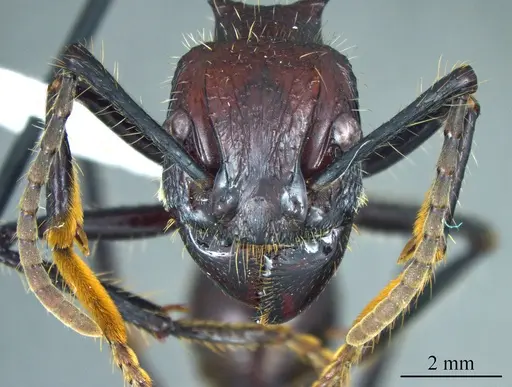
CASENT0003165
View on AntWeb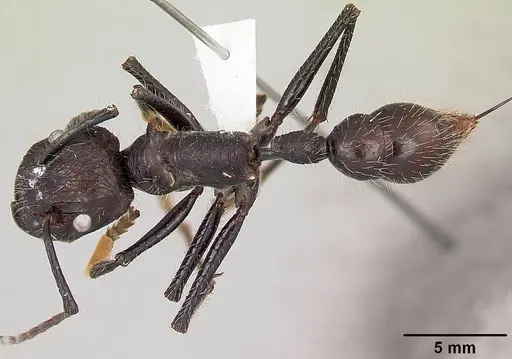
CASENT0006789
View on AntWeb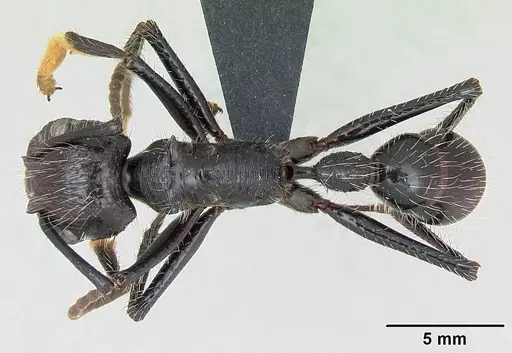
CASENT0106092
View on AntWeb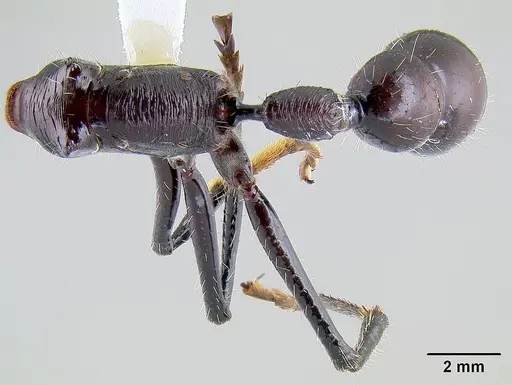
CASENT0260470
View on AntWeb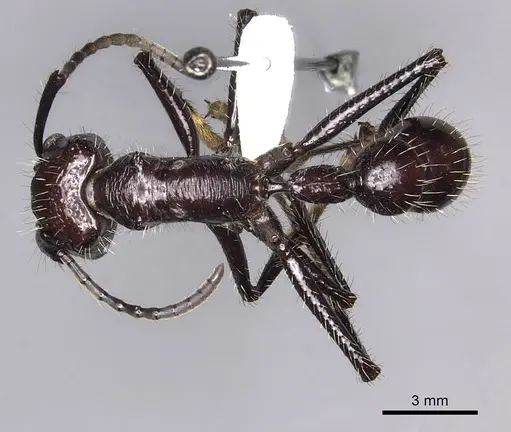
CASENT0370946
View on AntWeb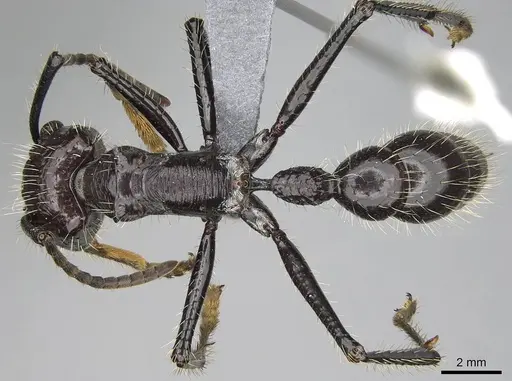
CASENT0902407
View on AntWeb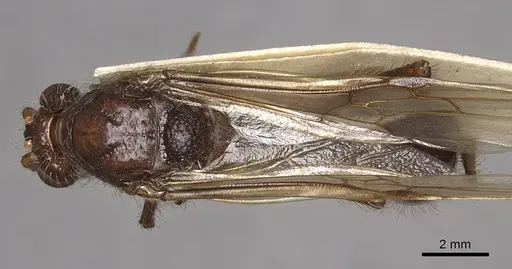
CASENT0913717
View on AntWeb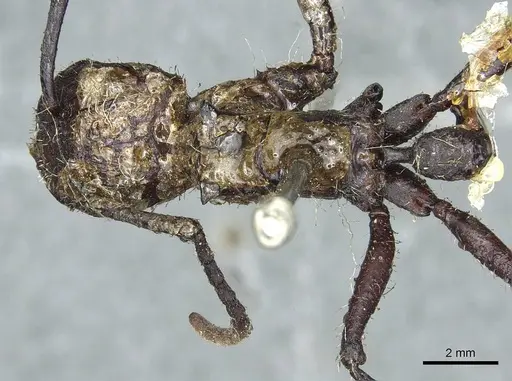
CASENT0923638
View on AntWeb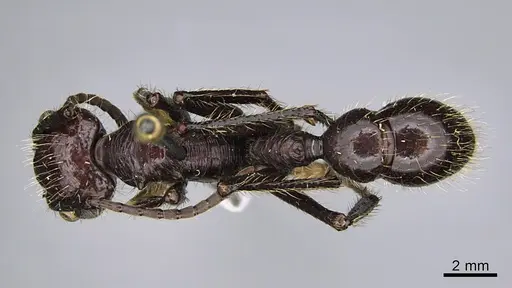
ECOFOG-BUG-2060-04
View on AntWeb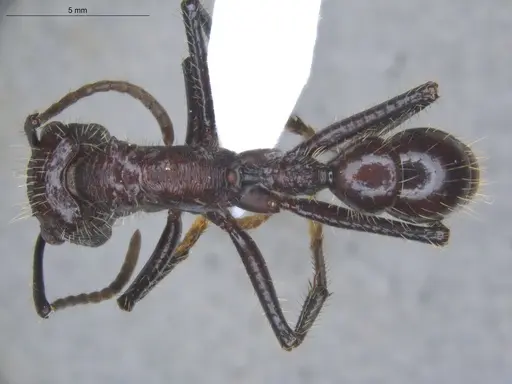
Literature
Loading...Loading products...