

Paraparatrechina sauteri
- Scientific Name
- Paraparatrechina sauteri
- Tribe
- Lasiini
- Subfamily
- Formicinae
- Author
- Forel, 1913
- Distribution
- Found in 4 countries
Paraparatrechina sauteri Overview
Paraparatrechina sauteri is an ant species of the genus Paraparatrechina. It is primarily documented in 4 countries , including China, Hong Kong, Lao People's Democratic Republic. Detailed taxonomic data and occurrence records can be further explored via authoritative databases such as AntWeb or the Global Biodiversity Information Facility (GBIF).
Paraparatrechina sauteri
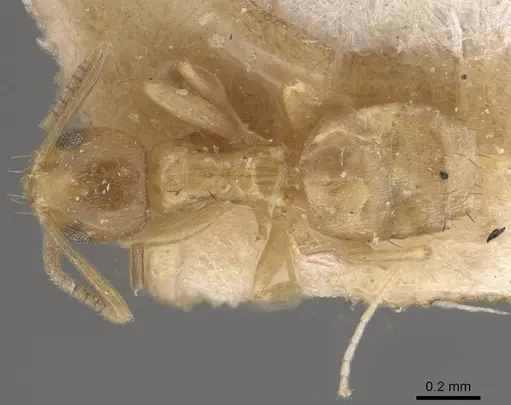
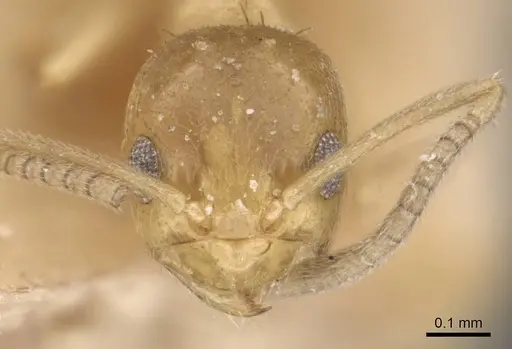
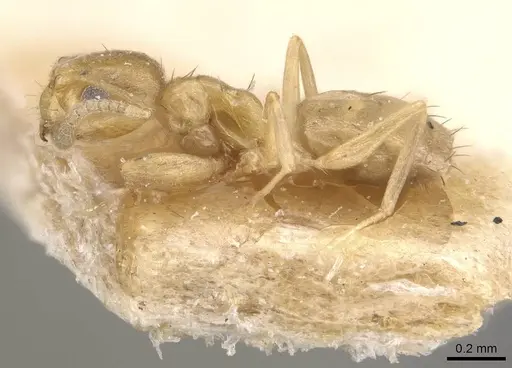
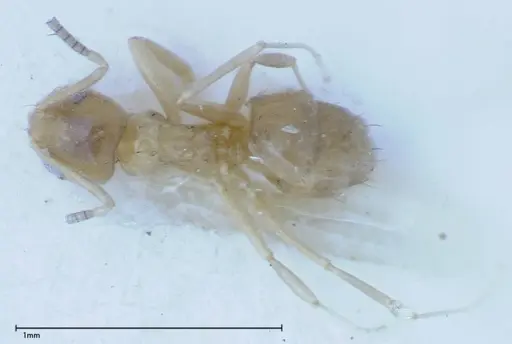
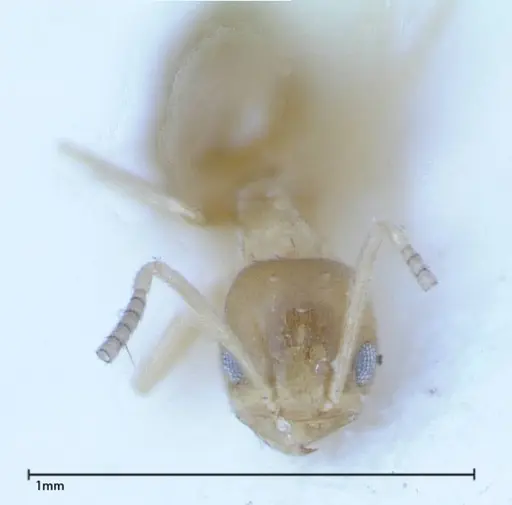
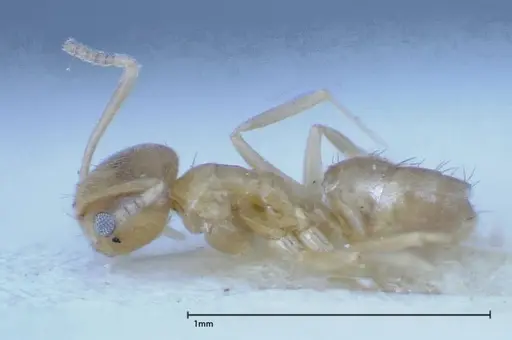
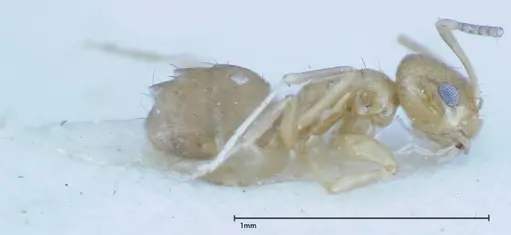
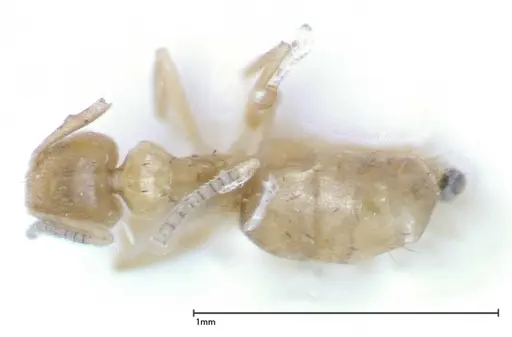
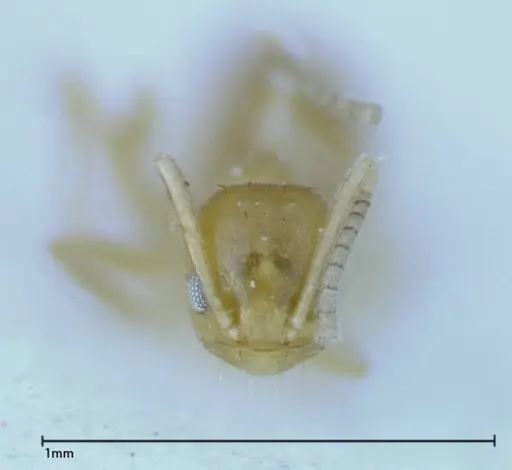
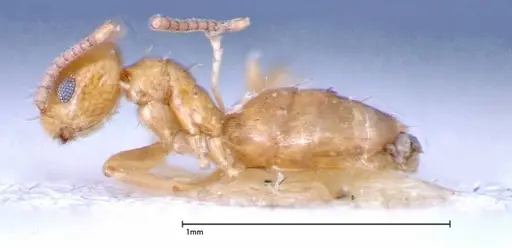
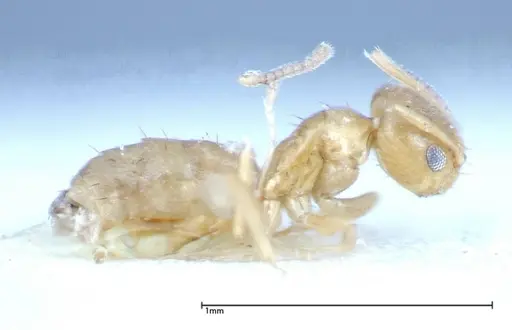
Paraparatrechina sauteri is a tiny ant species native to East Asia, found across Taiwan, China, and the Korean Peninsula. Workers are small and slender, typically measuring 1.5-2.5mm, with a pale to yellowish-brown coloration that helps them blend into leaf litter and soil environments. This species belongs to the Formicinae subfamily and Lasiini tribe, making them relatives of Nylanderia and Paratrechina ants. They thrive in diverse habitats ranging from natural forests to disturbed urban areas, demonstrating adaptability to different environmental conditions [1][2].
What makes P. sauteri interesting is its ability to colonize urban environments, it was first recorded in urban areas of Asia in 2006 and has since been found in highly disturbed landscapes while still maintaining healthy populations [1]. This suggests the species is relatively adaptable and may be more forgiving of captive conditions than some specialized tropical ants. However, being a small litter-dwelling ant means escape prevention is critical, and they require careful attention to humidity and small prey items.
Quick Summary
- Difficulty: Medium
- Origin & Habitat: Native to East Asia, Taiwan, China, and both North and South Korea. Found in Indomalaya and Palaearctic regions. In nature, they inhabit leaf litter, soil, and rotting wood in forests and disturbed areas [3][1].
- Colony Type: Colony structure is unconfirmed. Based on genus patterns, likely single-queen colonies (monogyne), though multi-queen colonies may be possible in some populations.
- Colony: Monogyne
- Founding: Claustral
- Size & Growth:
- Queen: Estimated 3-4mm based on genus Paraparatrechina patterns
- Worker: 1.5-2.5mm [3]
- Colony: Likely small to moderate, probably several hundred workers at maturity based on typical litter ant colonies
- Growth: Moderate, estimated 6-10 weeks from egg to first worker at optimal temperature
- Development: 6-10 weeks (estimated based on related Lasiini species) (Development time is estimated, no direct species-specific data available. Temperature-dependent, warmer conditions generally speed development.)
- Antkeeping:
- Temperature: Keep at 22-26°C. They come from temperate to subtropical regions, so room temperature or slightly warm conditions work well. A gentle gradient allows workers to regulate their temperature preference.
- Humidity: Moderate to high, they prefer damp leaf litter environments. Keep the nest substrate consistently moist but not waterlogged. Mist occasionally and provide a water source.
- Diapause: Yes, as a species from temperate East Asia, they likely require a winter rest period. Reduce temperature to 10-15°C for 2-3 months during winter.
- Nesting: They naturally nest in soil, under stones, and in rotting wood. In captivity, a test tube setup works well for founding colonies. For established colonies, a Y-tong or plaster nest with small chambers scaled to their tiny size provides appropriate humidity control.
- Behavior: These are small, active ants that forage in the leaf litter layer. They are not aggressive and typically flee from threats rather than engage. Workers search for small prey and honeydew. Their tiny size makes them excellent escape artists, use fine mesh barriers and tight-fitting lids. They are primarily nocturnal or crepuscular in activity patterns.
- Common Issues: escape prevention is critical due to their very small size, they can squeeze through standard ant keeping barriers, slow founding phase may cause beginners to lose patience and disturb the queen, wild-caught colonies may carry parasites that can decimate the colony in captivity, overfeeding leads to mold issues in small nest setups, dry conditions cause founding colonies to fail quickly
Housing and Setup
For founding colonies, a simple test tube setup works well. Fill a test tube one-third with water, plug with cotton, and place the queen in a dark area. The queen will seal herself in and not leave to forage, this is claustral founding behavior typical of Formicinae. Keep the tube at room temperature (22-26°C) and wait patiently. Do not disturb the queen during the founding phase, which can last several months.
Once the first workers (nanitics) emerge and the colony grows to 20+ workers, you can consider moving to a small formicarium. A Y-tong (acrylic) nest or plaster nest with small chambers works well. The chambers should be appropriately scaled to their tiny 1.5-2.5mm worker size, avoid large, open spaces. Maintain moderate humidity by keeping the nest substrate damp but not saturated.
Feeding and Diet
Paraparatrechina sauteri is a generalist forager that likely collects honeydew from aphids and small insects in the wild. In captivity, offer sugar water or honey as a constant energy source. For protein, provide small live prey items like fruit flies, pinhead crickets, or mealworm pieces. Because of their tiny size, prey items should be appropriately scaled, too large and they cannot subdue or transport it.
Feed small amounts of sugar water every few days, replacing before it spoils. Offer protein prey 2-3 times per week, removing any uneaten portions within 24 hours to prevent mold. Observe worker behavior, active foraging indicates hunger, while ignoring food may mean they are satiated or conditions need adjustment.
Temperature and Seasonal Care
These ants come from temperate to subtropical regions of East Asia, so they do well at moderate temperatures. Aim for 22-26°C during the active season. Room temperature often falls within this range, making them relatively easy to keep warm. If needed, a heating cable on one side of the nest creates a temperature gradient allowing workers to choose their preferred warmth.
As a species from regions with distinct seasons, they require a winter diapause. In late autumn, gradually reduce temperature to 10-15°C and maintain this for 2-3 months. Reduce feeding during this period and keep the nest slightly drier. In spring, slowly warm them back to active temperatures. This rest period supports healthy colony development and mimics their natural seasonal cycle.
Escape Prevention and Handling
Due to their very small size (1.5-2.5mm workers), escape prevention is critical. Standard barrier methods may not work, these ants can squeeze through tiny gaps. Use fine mesh (at least 0.5mm) on any ventilation holes. Ensure all lids fit tightly and consider using fluon or petroleum jelly on rim edges.
When observing your colony, work in a contained area. If you need to move or transport them, use smooth-surfaced containers they cannot grip. Avoid handling the ants directly, they are small and fragile. Instead, coax them into test tubes or use soft brushes if absolutely necessary. Remember that stress from handling can harm the colony, especially during the founding phase.
Frequently Asked Questions
How long does it take for Paraparatrechina sauteri to produce first workers?
Expect 6-10 weeks from egg to first worker at optimal temperature (22-26°C). This is an estimate based on related Lasiini species, as no specific development data exists for P. sauteri. The exact time depends on temperature and whether the queen was mated prior to capture.
Can I keep Paraparatrechina sauteri in a test tube setup?
Yes, test tubes work well for founding colonies. Use a standard test tube setup with a water reservoir plugged with cotton. Keep it dark and undisturbed. Once the colony reaches 20-30 workers, consider upgrading to a small formicarium with appropriately sized chambers.
What temperature do Paraparatrechina sauteri need?
Keep them at 22-26°C during the active season. They come from temperate East Asia, so they handle room temperature well. A slight temperature gradient allows workers to regulate their own comfort.
Do Paraparatrechina sauteri need hibernation?
Yes, they require a winter rest period. Reduce temperature to 10-15°C for 2-3 months during winter. This mimics their natural seasonal cycle in Korea and China. Reduce feeding during this time and keep the nest slightly drier.
Are Paraparatrechina sauteri good for beginners?
They are moderate difficulty. Their small size requires attention to escape prevention, and their founding phase is slow. However, they are adaptable and can tolerate some variation in conditions once established. Beginners should be prepared for a long waiting period during colony founding.
How big do Paraparatrechina sauteri colonies get?
Based on typical litter ant colonies, they likely reach several hundred workers at maturity. Exact maximum size is unknown, but expect moderate-sized colonies rather than massive supercolonies.
Why are my Paraparatrechina sauteri escaping?
Their tiny size allows them to squeeze through standard barriers. Use fine mesh (0.5mm or smaller), ensure all lids fit tightly, and apply fluon or petroleum jelly to rim edges. Check all ventilation holes and connections.
What do Paraparatrechina sauteri eat?
Feed them sugar water or honey as a constant energy source. For protein, offer small live prey like fruit flies, small crickets, or mealworm pieces. Prey should be appropriately sized for their tiny 1.5-2.5mm workers.
When should I move my colony to a formicarium?
Wait until the colony has 20-30 workers and the test tube is becoming crowded. Moving too early can stress the colony. When moving, connect the test tube to the formicarium and let them move at their own pace.
References

This caresheet is licensed under CC BY-SA 4.0 .
Literature
Loading...Loading products...