

Paraparatrechina pallida
- Scientific Name
- Paraparatrechina pallida
- Tribe
- Lasiini
- Subfamily
- Formicinae
- Author
- Donisthorpe, 1947
- Distribution
- Found in 2 countries
Paraparatrechina pallida Overview
Paraparatrechina pallida is an ant species of the genus Paraparatrechina. It is primarily documented in 2 countries , including Indonesia, Papua New Guinea. Detailed taxonomic data and occurrence records can be further explored via authoritative databases such as AntWeb or the Global Biodiversity Information Facility (GBIF).
Paraparatrechina pallida
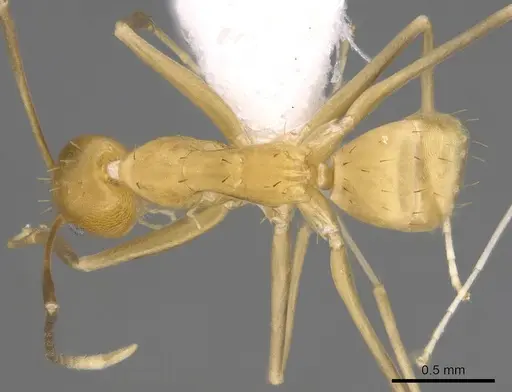
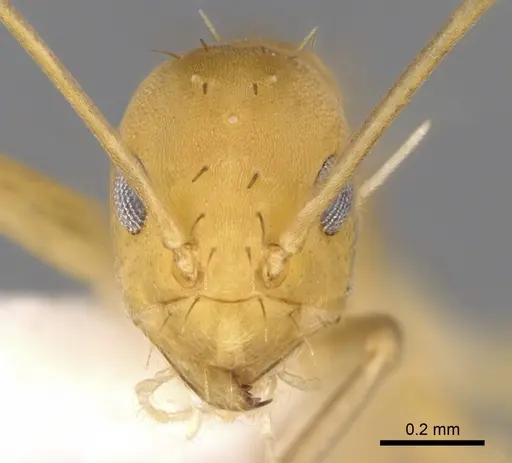
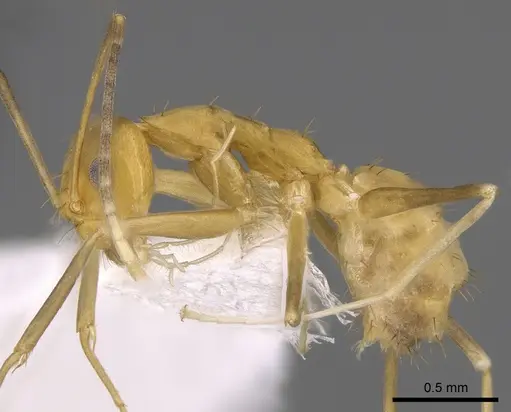
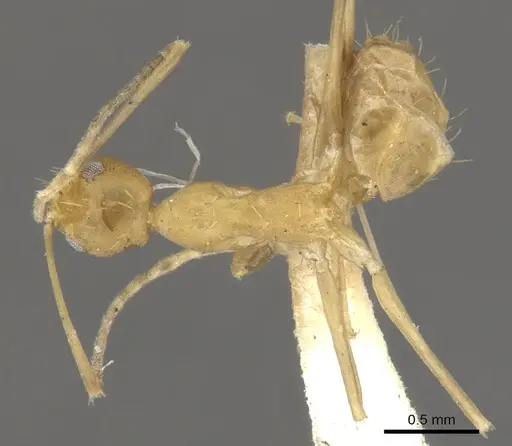
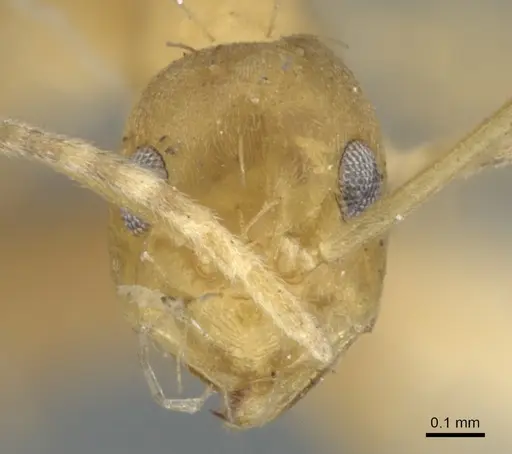
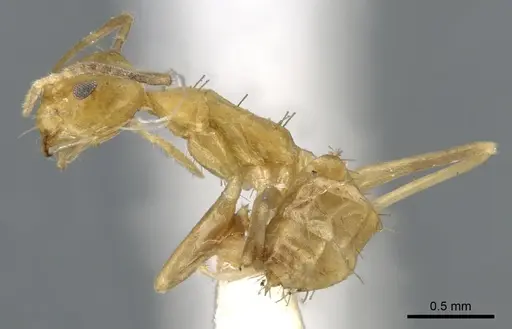
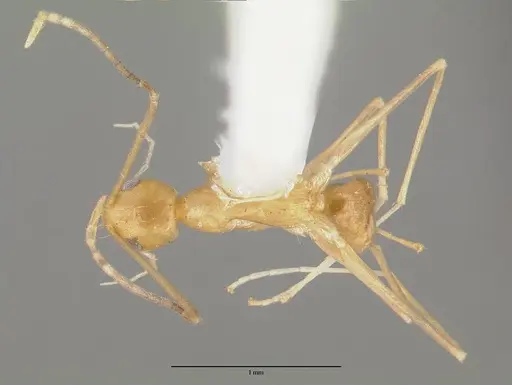
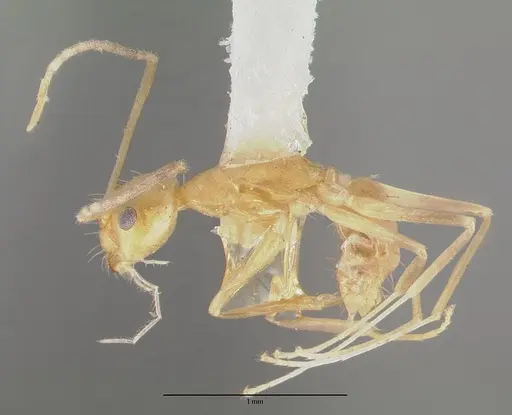
Paraparatrechina pallida is a tiny arboreal ant species native to New Guinea and surrounding regions. Workers are small and slender with a pale coloration, measuring approximately 2-3mm. The genus Paraparatrechina belongs to the Formicinae subfamily and is known for its elongated, slender body shape compared to related genera. These ants are exclusively arboreal, nesting in the canopy of tropical rainforest trees rather than on the ground. They are one of the most common ant species in their range, found across elevations from 200m to 900m in tropical forest canopies [1][2][3].
What makes P. pallida interesting is its ecological flexibility, it's one of only five ant species found at multiple elevation zones in New Guinea rainforests, demonstrating adaptability to different canopy conditions. As a tree-nesting species, they construct small nests in hollow twigs, under bark, or in pre-existing cavities in living trees. Their small size allows them to access tiny nesting spaces that larger arboreal ants cannot use [2][3].
Quick Summary
- Difficulty: Medium
- Origin & Habitat: Native to New Guinea in the Australasian region. This is a strictly arboreal species that nests in the canopy of tropical rainforests, typically in hollow twigs, under bark, or in tree cavities. Found at elevations between 200-900m in primary and disturbed forest canopies [1][2][3].
- Colony Type: Colony structure is not fully documented in available research. Like other Paraparatrechina species, they likely form single-queen colonies (monogyne) with claustral founding. Colonies are typically moderate in size with dozens to a few hundred workers based on related species patterns.
- Size & Growth:
- Queen: Estimated 4-5mm based on genus patterns [1]
- Worker: Approximately 2-3mm [1]
- Colony: Likely reaches several hundred workers based on occurrence data showing 39-59 individuals per tree [3]
- Growth: Moderate, estimated based on tropical arboreal ant patterns
- Development: Estimated 6-8 weeks at optimal tropical temperatures (24-28°C) based on related Formicinae (Development time inferred from genus-level data, direct measurements unavailable for this species)
- Antkeeping:
- Temperature: Keep at 24-28°C. As a tropical species from lowland New Guinea, they need warm, stable temperatures year-round. A small heating cable on one side of the nest can help maintain warmth if room temperature is below 24°C.
- Humidity: High humidity is essential, aim for 70-80% relative humidity. These ants live in rainforest canopies where humidity stays consistently high. Use moist substrate in the nest area and ensure good ventilation to prevent mold while maintaining humidity.
- Diapause: No, as a tropical species, they do not require hibernation. Keep temperatures stable year-round without seasonal cooling.
- Nesting: Arboreal setup is essential. These ants need vertical space and climbing opportunities. A naturalistic setup with cork bark, twigs, and live plants works well. Alternatively, a Y-tong or acrylic nest with small chambers and multiple connecting tubes to outworlds allows them to climb and forage naturally. Avoid ground-based setups.
- Behavior: These ants are generally peaceful and non-aggressive. Workers are active foragers that search for honeydew, small insects, and nectar in the canopy. They are excellent climbers and will readily traverse branches, plants, and any vertical surfaces. Their small size makes them capable of escaping through tiny gaps, excellent escape prevention is critical. They are not known to sting and pose no danger to keepers.
- Common Issues: escape prevention is critical due to their tiny size, use fine mesh and seal all gaps, tropical humidity requirements can lead to mold problems if ventilation is inadequate, they may reject ground-level food sources, offer food in elevated positions, wild-caught colonies may carry parasites that can devastate captive colonies, slow founding phase means colonies need patience, claustral queens may take months to raise first workers
Housing and Nest Setup
Paraparatrechina pallida requires an arboreal setup that mimics their natural canopy habitat. Unlike ground-nesting ants, they need vertical space and climbing structures. A naturalistic vivarium with cork bark, live plants, and twigs works exceptionally well. You can also use a Y-tong or acrylic formicarium connected to multiple outworlds via tubes, allowing the ants to climb between nest areas and foraging spaces. The nest chambers should be small and tight-fitting to their body size, these are tiny ants that can slip through surprisingly small gaps. Provide multiple small water reservoirs and keep the nest substrate consistently moist but not waterlogged. Since they nest in tree cavities in the wild, consider providing hollow twigs or bamboo sections as nest options. [1][2][3]
Feeding and Diet
In the wild, P. pallida forages for honeydew from aphids and scale insects, small insects, and floral nectar. In captivity, offer a varied diet including sugar water or honey (placed on cotton or directly in the outworld), small live prey like fruit flies or pinhead crickets, and occasional protein sources like boiled chicken or mealworm pieces. Since they are arboreal foragers, place food at elevated positions rather than on the ground, this mimics their natural canopy foraging behavior. Feed small amounts every 2-3 days and remove uneaten food within 24 hours to prevent mold. Sugar should be available constantly. [3]
Temperature and Humidity
As a tropical species from New Guinea, P. pallida needs warm, humid conditions year-round. Maintain temperatures between 24-28°C, this is ideal for brood development and colony activity. A small heating cable placed on top of the nest (never under it, as this causes excessive drying) can help maintain warmth if your room temperature runs cooler. Humidity should stay around 70-80%. Use a moisture reservoir in the nest and mist occasionally, but ensure adequate ventilation to prevent stagnant air and mold growth. These ants are sensitive to temperature drops and dry conditions, so avoid placing their setup near air conditioning vents or in drafty areas. [2][3]
Behavior and Colony Dynamics
P. pallida workers are active, agile foragers that spend most of their time searching for food in the canopy layer. They are excellent climbers and will readily traverse plants, mesh, and any textured surface. Colonies are relatively peaceful, they won't aggressively defend territory but may skirmish with other ant species over food sources. The colony will establish a central nest area and send foragers out to collect food. Workers communicate through chemical trails, so you may see them establishing paths to food sources. Their small size means they can access food items and nesting sites that larger ants cannot, giving them a unique ecological niche in the rainforest canopy. [3][2]
Frequently Asked Questions
Can I keep Paraparatrechina pallida in a test tube?
Test tubes are not ideal for this species. They are arboreal ants that need vertical space and climbing opportunities. A naturalistic setup with plants and branches, or a Y-tong nest with multiple climbing tubes to outworlds, works much better. If you must use a test tube setup, provide multiple connected tubes with damp cotton and connect to a vertical outworld with climbing structures.
How long does it take for Paraparatrechina pallida to raise first workers?
Based on related Formicinae species, expect approximately 6-8 weeks from egg to first worker at optimal temperatures (24-28°C). The claustral queen will seal herself in a chamber and survive on stored fat reserves while raising the first brood. Be patient, founding colonies can take several months to establish and may appear inactive during this time.
Are Paraparatrechina pallida ants good for beginners?
This species is rated as medium difficulty. While not the hardest species to keep, they require specific arboreal setups with proper humidity and temperature control. Their tiny size also demands excellent escape prevention. Beginners might find the setup requirements more challenging than ground-nesting species, but those willing to invest in a proper arboreal vivarium can succeed with this species.
What do Paraparatrechina pallida eat?
They are omnivores that primarily forage for honeydew, nectar, and small insects. In captivity, offer sugar water or honey constantly, along with small live prey like fruit flies or micro crickets 2-3 times per week. They may also accept protein sources like boiled chicken or small pieces of mealworm.
When should I move Paraparatrechina pallida to a formicarium?
Start them in a simple setup, a small container with damp substrate and a few small twigs works for founding colonies. Once the colony reaches 20-30 workers and you see they are established, you can move them to a more elaborate arboreal setup. However, these ants often do better in naturalistic vivariums than traditional formicariums.
Do Paraparatrechina pallida need hibernation?
No, they do not hibernate. As a tropical species from New Guinea, they need consistent warmth year-round. Maintain temperatures between 24-28°C without seasonal variation. Cooling the colony below 20°C can stress or kill them.
Why are my Paraparatrechina pallida dying?
Common causes include: temperature too cold (below 24°C), humidity too low or too high (aim for 70-80% with good ventilation), escape-related deaths due to inadequate barriers, parasites from wild-caught colonies, or mold from poor ventilation. Review each of these parameters and adjust accordingly. Also ensure food is being consumed, uneaten food causes mold that can be lethal.
How big do Paraparatrechina pallida colonies get?
Based on occurrence data from studies, colonies likely reach several hundred workers. One study found 39-59 individuals per tree, suggesting moderate colony sizes. With optimal care, you can expect a mature colony of 200-500 workers over several years.
Can I keep multiple Paraparatrechina pallida queens together?
This is not recommended. While the exact colony structure is unconfirmed, Paraparatrechina species typically form single-queen colonies. Combining unrelated foundress queens often leads to fighting and colony failure. It's best to start with one founding queen.
References

This caresheet is licensed under CC BY-SA 4.0 .

Literature
Loading...Loading products...