

Paraparatrechina oceanica
- Scientific Name
- Paraparatrechina oceanica
- Tribe
- Lasiini
- Subfamily
- Formicinae
- Author
- Mann, 1921
- Distribution
- Found in 2 countries
Paraparatrechina oceanica Overview
Paraparatrechina oceanica is an ant species of the genus Paraparatrechina. It is primarily documented in 2 countries , including Fiji, Wallis and Futuna. Detailed taxonomic data and occurrence records can be further explored via authoritative databases such as AntWeb or the Global Biodiversity Information Facility (GBIF).
Paraparatrechina oceanica
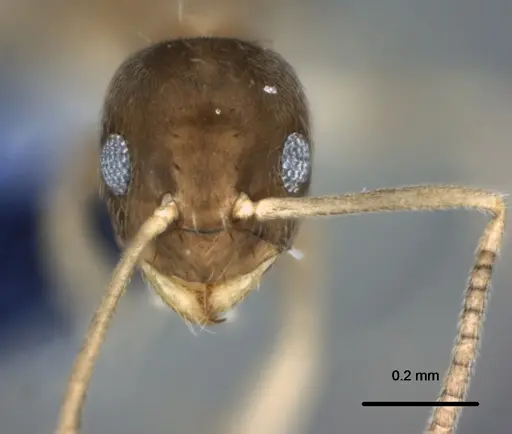
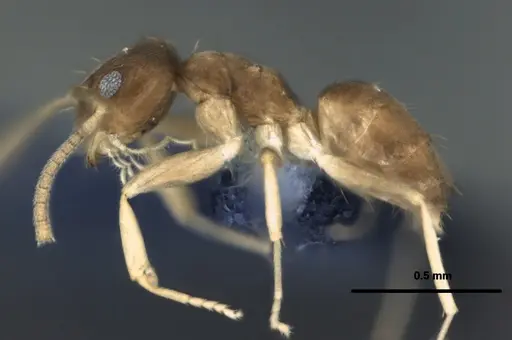
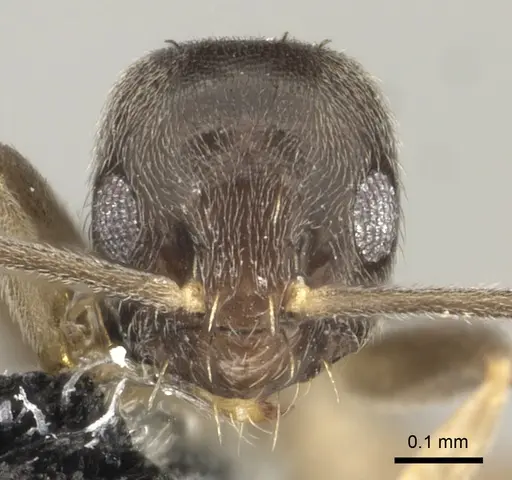
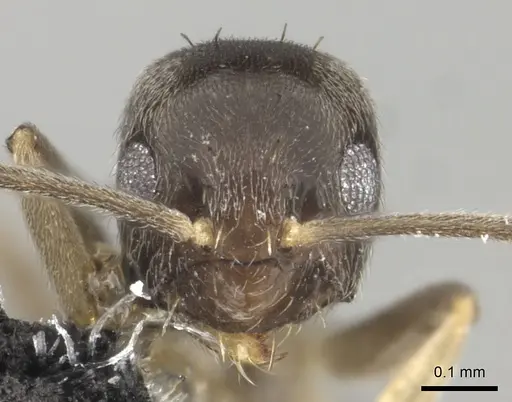
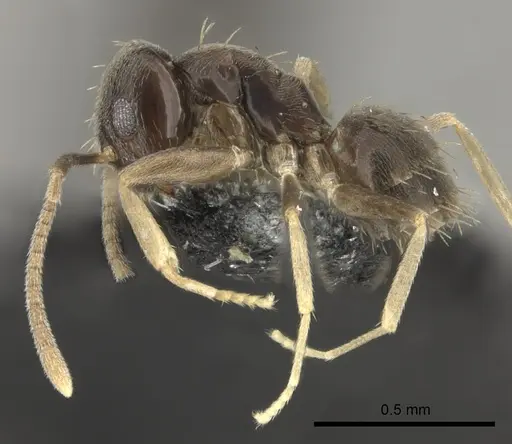
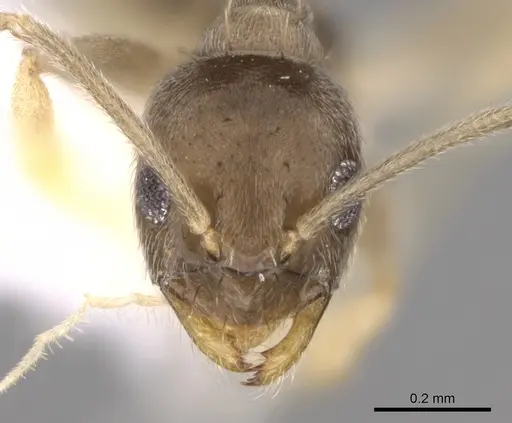
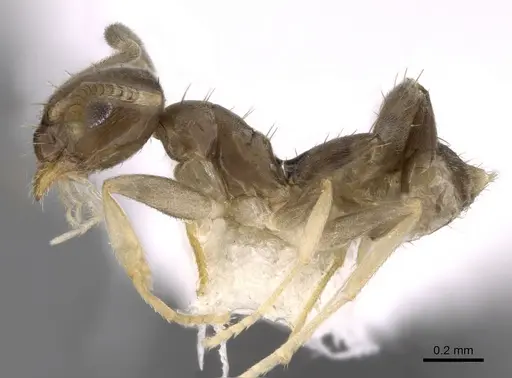
Paraparatrechina oceanica is a tiny ant species native to Fiji, measuring just 1.5-2mm in total length. Workers have a distinctive appearance with a dark brown to black head, mesosoma, and gaster that contrasts sharply with their pale brown to pale yellow legs and antennae. This coloration pattern makes them relatively easy to identify among Fijian ants. The species shows considerable variation in both size and color depending on the specific island population, specimens from the Nadarivatu area tend to be notably larger, while those from Kadavu are smaller and paler. This variation is one of the species' most interesting characteristics and reflects the isolated island evolution that has shaped Fijian biodiversity [1].
Quick Summary
- Difficulty: Medium
- Origin & Habitat: Paraparatrechina oceanica is endemic to Fiji, found on islands including Viti Levu, Vanua Levu, Taveuni, Beqa, Gau, Kadavu, Koro, Lakeba, Moala, and Ovalau. In the wild, these ants nest in decaying wood and ant-plants (plants that house symbiotic ant colonies), while foragers are active on the ground, stones, and vegetation [1]. As a tropical species from the Paleotropics, they are adapted to warm, humid conditions year-round.
- Colony Type: Likely single-queen (monogyne) colonies based on typical Prenolepis genus patterns, though colony structure has not been directly documented for this species. Colonies are relatively small, likely reaching a few hundred workers at most given their very small worker size.
- Colony: Monogyne
- Founding: Claustral
- Size & Growth:
- Queen: Estimated 3-4mm based on genus patterns for tiny Prenolepis-group ants
- Worker: 1.5-2mm [1]
- Colony: Likely a few hundred workers based on similar tiny tropical ants
- Growth: Moderate, typical for small tropical ants
- Development: Estimated 5-7 weeks at optimal tropical temperatures (25-28°C), based on related Prenolepis species development patterns (Development is likely faster than temperate species due to tropical origin. Nanitics (first workers) will be very small, matching the worker size range.)
- Antkeeping:
- Temperature: Keep at 24-28°C. Being a tropical species from Fiji, they need consistently warm conditions. A heating cable on one side of the nest creates a gentle gradient allowing workers to regulate their temperature [1]. Room temperature may suffice if your home stays in the mid-70s°F (around 24°C).
- Humidity: Moderate to high humidity (60-80%). These ants naturally inhabit damp forest environments in Fiji. Keep the nest substrate consistently moist but not waterlogged. The nesting preference for decaying wood indicates they need some moisture retention in their environment [1].
- Diapause: No, as a tropical species from Fiji, they do not require hibernation or winter dormancy. Maintain warm conditions year-round.
- Nesting: Y-tong (AAC) nests work well for their tiny size, or small acrylic/formicarium setups with appropriately scaled chambers. They naturally nest in decaying wood and plant cavities, so a naturalistic setup with small wood pieces or plants can mimic their preferred habitat. Tight chambers scaled to their 1.5-2mm size are essential.
- Behavior: Paraparatrechina oceanica is a small, relatively docile species. Workers forage actively on surfaces including ground, stones, and vegetation, searching for honeydew, small insects, and nectar. Due to their minute size, escape prevention is critical, they can easily slip through standard barrier setups. Use fine mesh and ensure all connections are sealed. They are not aggressive and pose no sting risk to humans. Their small size means they are excellent climbers and may explore widely in search of food.
- Common Issues: escape prevention is critical due to their tiny 1.5-2mm size, they can squeeze through the smallest gaps, maintaining consistent warmth is essential for this tropical species, cool temperatures will slow or stop brood development, small colony size means they consume modest amounts of food, overfeeding can lead to mold problems, wild-caught colonies may have parasites or diseases that can cause colony collapse in captivity, their natural nesting in decaying wood means they need humidity-appropriate housing that won't dry out quickly
Housing and Nest Setup
Because Paraparatrechina oceanica workers measure only 1.5-2mm, housing them requires attention to scale. A Y-tong (AAC) nest with small, tight chambers works exceptionally well for these tiny ants. The chambers should be appropriately sized, not too large or the ants may feel exposed and stressed. Acrylic nests designed for small species are also suitable. If using a naturalistic setup, include small pieces of decaying wood or cork bark, which mimics their natural nesting preference in rotting wood and ant-plants [1]. The nest substrate should retain moisture well, as these ants naturally inhabit damp forest floor environments. A thin layer of moist soil or plaster works as a base. Always use excellent escape prevention, these tiny ants can slip through gaps that would hold back larger species. Apply Fluon or similar barriers to all connection points and use fine mesh on any ventilation openings.
Feeding and Diet
In the wild, Paraparatrechina oceanica forages for honeydew from aphids and scale insects, small insects, and nectar from flowers. In captivity, offer a varied diet including sugar water or honey (diluted 1:1 with water) as a constant energy source. For protein, provide small live prey appropriate to their tiny size, fruit flies, pinhead crickets, and small mealworms are all suitable. They will also accept small pieces of insects. Feed protein sources 2-3 times per week, and remove any uneaten prey after 24 hours to prevent mold. Because of their small size, portion sizes should be tiny, a few drops of sugar water and prey items smaller than their 2mm body length. They are not aggressive foragers, so place food near active worker trails.
Temperature and Seasonal Care
As a species endemic to Fiji, Paraparatrechina oceanica requires warm, stable temperatures year-round. The ideal range is 24-28°C (75-82°F). Temperatures below 22°C will slow their metabolism and can stall brood development, while temperatures above 30°C may cause stress. Use a heating cable on one side of the nest to create a gentle thermal gradient, allowing workers to move between warmer and cooler areas as needed. Place the heating element on top of the nest rather than underneath to avoid drying out the substrate through excessive evaporation. Unlike temperate species, they do not require hibernation or winter cooling periods. Maintain tropical conditions consistently throughout the year, including during any colony transport or relocation. [1]
Humidity and Water
Paraparatrechina oceanica requires moderate to high humidity, reflecting their natural habitat in damp Fijian forests. Keep the nest substrate consistently moist but never waterlogged, the substrate should feel damp to the touch but not have standing water. A water tube or reservoir attached to the nest can help maintain humidity through evaporation. Check moisture levels every few days and rehydrate when the surface begins drying. In naturalistic setups, mist lightly when needed. The key is balance: too dry and the colony will desiccate, too wet and mold becomes a serious risk. Their preference for nesting in decaying wood indicates they are adapted to humid conditions with good air circulation. [1]
Colony Development and Growth
Paraparatrechina oceanica colonies start with a claustral queen who seals herself in a small chamber and raises the first brood alone using stored fat reserves. The first workers (nanitics) will be very small, matching the species' tiny 1.5-2mm worker size. Development from egg to worker likely takes 5-7 weeks at optimal temperatures, based on patterns from related Prenolepis species. Colony growth is moderate, expect the first batch of workers to number only 5-15 nanitics. Growth continues steadily if fed appropriately and kept warm. Maximum colony size is estimated at a few hundred workers, as their tiny body size limits population density. The great range of size and color observed in wild populations [1] suggests that environmental conditions significantly influence development, so optimal care can produce robust, well-developed workers.
Behavior and Temperament
These are small, docile ants with no defensive sting. Workers are active foragers, searching for food both on the ground and on vegetation [1]. They are not aggressive toward humans and pose no sting risk. However, their tiny size makes them excellent climbers and escape artists, even small gaps in setup connections can allow them to escape. They are social and typically stay in groups, with workers frequently communicating through chemical trails when food is discovered. The species shows interesting variation across different Fijian islands, with some populations being notably larger (Nadarivatu area) and others smaller and paler (Kadavu) [1]. This adaptability suggests they can adjust to varying conditions, which is helpful for captive husbandry.
Frequently Asked Questions
How long does it take for Paraparatrechina oceanica to produce first workers?
Expect first workers (nanitics) to emerge 5-7 weeks after the queen lays her first eggs, assuming optimal temperatures of 24-28°C. This estimate is based on related Prenolepis species development patterns, as specific development data for P. oceanica is not available. The first batch will be small, typically 5-15 workers matching the species' tiny 1.5-2mm size.
What do Paraparatrechina oceanica ants eat?
They accept a varied diet including sugar water or honey as an energy source, and small protein sources like fruit flies, tiny mealworms, and small insects. In nature they forage for honeydew, small insects, and nectar. Feed protein 2-3 times per week and keep sugar water available constantly. Remove uneaten prey after 24 hours to prevent mold.
What temperature do Paraparatrechina oceanica ants need?
Keep them at 24-28°C (75-82°F). As a tropical species from Fiji, they require consistently warm conditions year-round. A heating cable on one side of the nest creates a gradient. Temperatures below 22°C will slow their metabolism and stall brood development.
Are Paraparatrechina oceanica good for beginners?
They are moderately challenging due to their tiny size requiring excellent escape prevention and their need for consistent tropical conditions. They are docile and don't require hibernation, which simplifies seasonal care. However, their small size demands attention to housing scale and escape barriers that beginners may find tricky.
How big do Paraparatrechina oceanica colonies get?
Colonies likely reach a few hundred workers at maximum. Their tiny 1.5-2mm worker size limits how large colonies can grow compared to larger ant species. Growth is moderate, expect steady expansion over several months to years with proper care.
Do Paraparatrechina oceanica need hibernation?
No, they do not require hibernation. Being a tropical species endemic to Fiji, they are adapted to warm conditions year-round. Maintain tropical temperatures (24-28°C) throughout the year without cooling periods.
When should I move Paraparatrechina oceanica to a formicarium?
Wait until the colony has at least 50-100 workers before moving to a formicarium. Initially, keep them in a simple test tube setup. Once the colony is established and actively foraging, you can transition them to a small acrylic nest or Y-tong setup appropriate to their tiny size. Ensure the formicarium chambers are appropriately scaled.
Why are my Paraparatrechina oceanica escaping?
Their tiny 1.5-2mm size means they can squeeze through remarkably small gaps. Review all connection points, lid seals, and barrier applications. Use fine mesh for ventilation and apply Fluon or similar escape barriers to all potential exit points. Even standard ant keeping setups may have gaps that these minute ants can exploit.
Can I keep multiple Paraparatrechina oceanica queens together?
This has not been documented for this species. Based on typical Prenolepis patterns, they likely form single-queen colonies. Combining unrelated queens is not recommended as it could result in aggression. If you obtain a wild colony, it likely has one founding queen.
References

This caresheet is licensed under CC BY-SA 4.0 .
CASENT0106330
View on AntWeb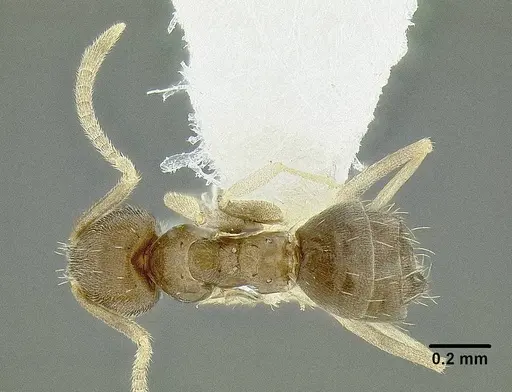
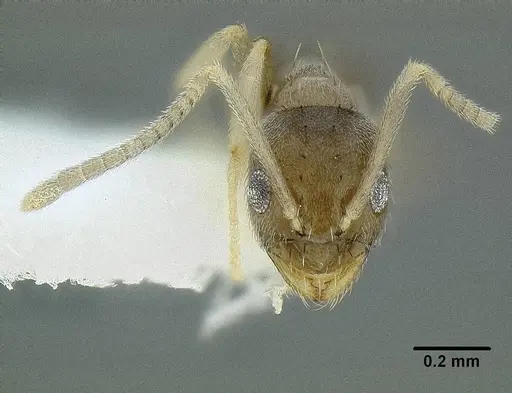
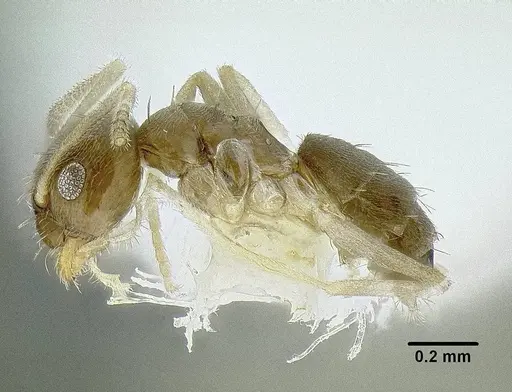
CASENT0181253
View on AntWeb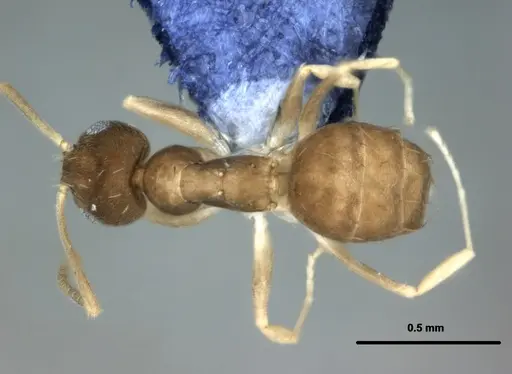
CASENT0181303
View on AntWeb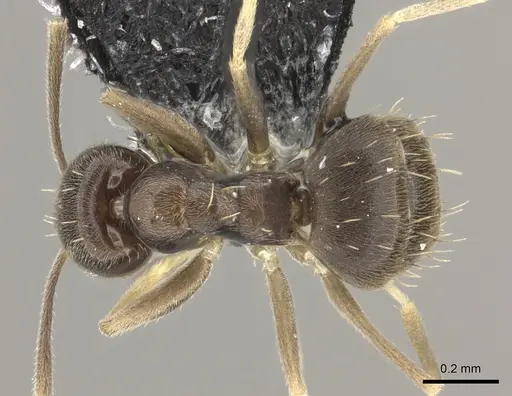
CASENT0281149
View on AntWeb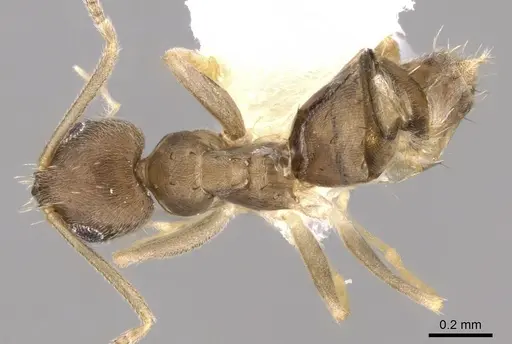
Literature
Loading...Loading products...