

Paraparatrechina illusio
- Scientific Name
- Paraparatrechina illusio
- Tribe
- Lasiini
- Subfamily
- Formicinae
- Author
- LaPolla & Fisher, 2014
- Distribution
- Found in 2 countries
Paraparatrechina illusio Overview
Paraparatrechina illusio is an ant species of the genus Paraparatrechina. It is primarily documented in 2 countries , including Malaysia, Seychelles. Detailed taxonomic data and occurrence records can be further explored via authoritative databases such as AntWeb or the Global Biodiversity Information Facility (GBIF).
Paraparatrechina illusio
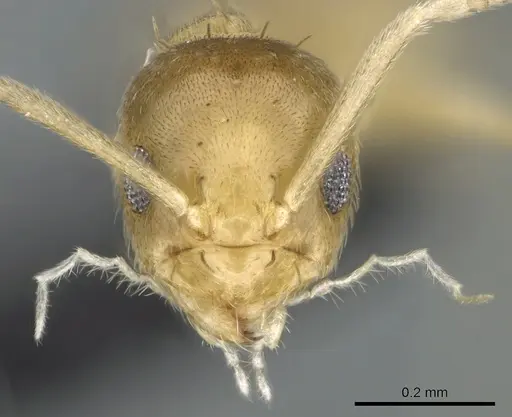
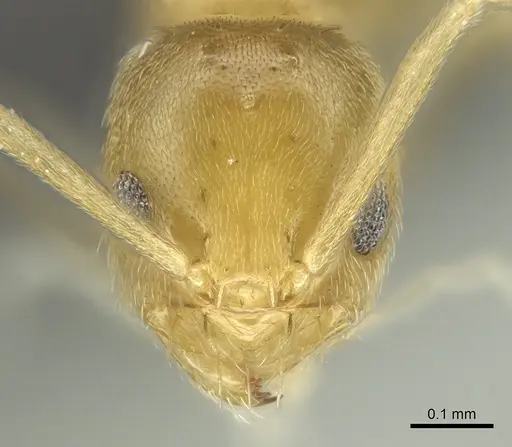
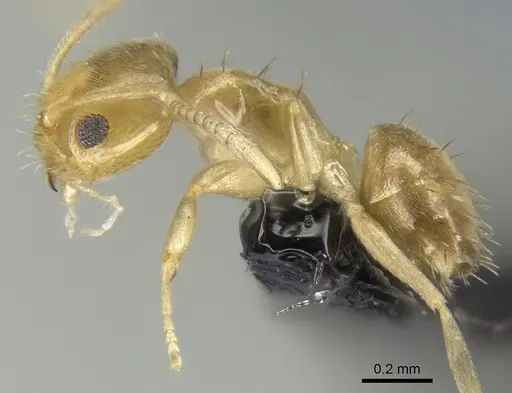
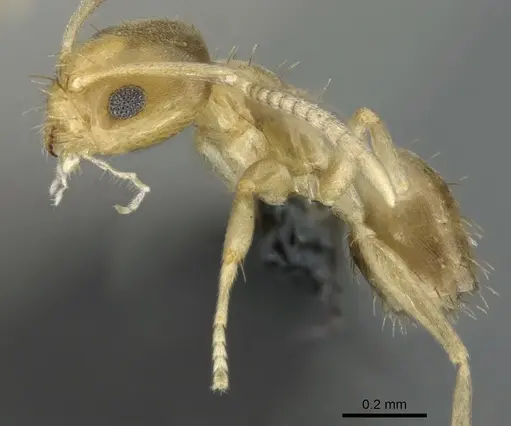
Paraparatrechina illusio is a tiny yellow ant species newly described in 2014,found only in the Seychelles islands. Workers measure just 1.2-1.7mm, making them among the smaller ants you can keep. They have a distinctive yellow to brownish-yellow coloration with lighter legs and antennae, and their most notable feature is the short, silky pubescence on their gaster that appears in neat rows. Queens are larger at 2.9-3.2mm and have a darker yellowish-brown gaster compared to the rest of their body. This species was discovered in mixed palm forests and coastal scrub habitats on islands like Praslin, Conception, Curieuse, and Silhouette.
Quick Summary
- Difficulty: Medium
- Origin & Habitat: Endemic to the Seychelles islands, found on Praslin Island, Conception Island, Curieuse Island, and Silhouette Island in mixed palm forest and coastal scrub habitats at elevations ranging from 5m to 280m [1].
- Colony Type: Colony structure is unconfirmed. Based on related Paraparatrechina species, likely single-queen colonies, but this requires further study.
- Size & Growth:
- Queen: 2.92-3.23 mm [1]
- Worker: 1.20-1.67 mm [1]
- Colony: Unknown, no colony size data available for this species
- Growth: Unknown, no development data available
- Development: Unknown, estimated 4-8 weeks based on typical tropical Formicinae patterns (No direct development studies exist for this species. Estimates based on related genera.)
- Antkeeping:
- Temperature: Keep at 24-28°C. These are tropical ants from the Seychelles, so they need warmth. A heating cable on one side of the nest creates a suitable gradient.
- Humidity: Moderate to high humidity (60-80%). Their natural habitat includes coastal scrub and palm forest, which are humid environments. Keep the nest substrate moist but not waterlogged.
- Diapause: Unlikely, being a tropical species from the Seychelles, they probably do not require a hibernation period. However, a slight cooling period during cooler months may be beneficial.
- Nesting: In captivity, they likely prefer a naturalistic setup with moist substrate or a Y-tong/plaster nest. Their tiny size means they need tight chambers and narrow passages. Avoid tall, open spaces.
- Behavior: These ants are very small and quite active. They will likely show typical Formicinae behavior, moderate foraging activity and likely tend aphids for honeydew. Their tiny size means escape prevention is critical, they can squeeze through the smallest gaps. Use fine mesh and tight-fitting lids.
- Common Issues: escape prevention is critical due to their very small size, they can slip through gaps that larger ants cannot, lack of available care information makes this a species for experienced keepers willing to experiment, slow colony growth may frustrate beginners, these are tiny ants with likely modest colony sizes, humidity control is important, too dry and they may desicate, too wet and mold becomes a problem
Appearance and Identification
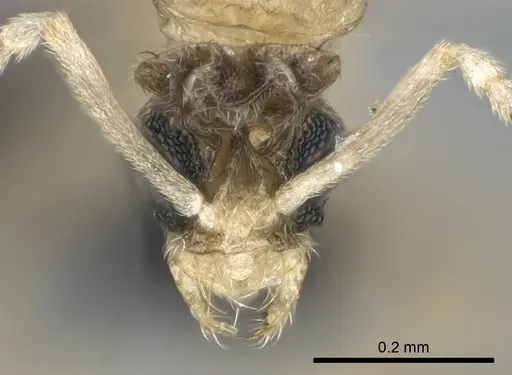
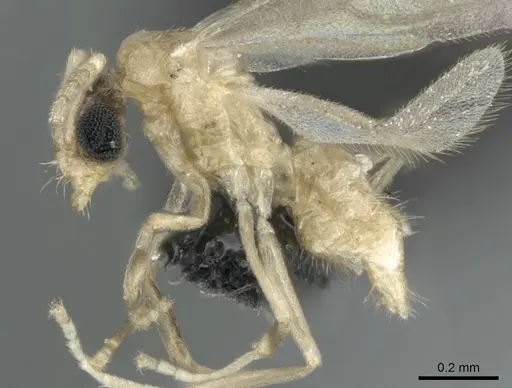
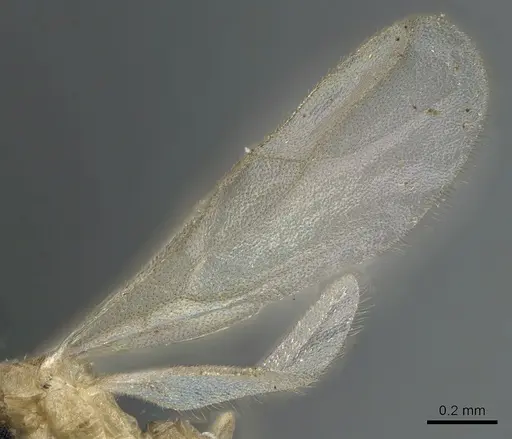
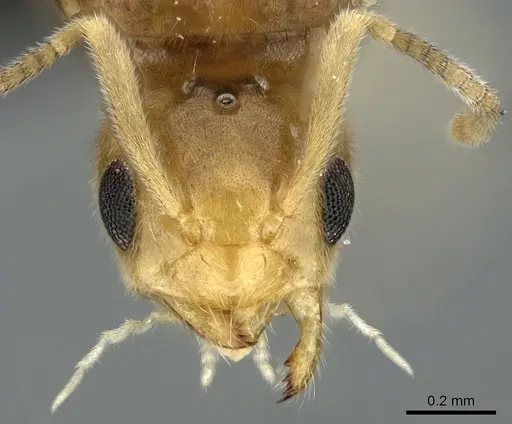
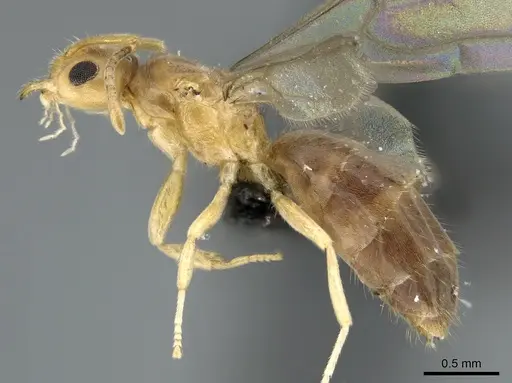
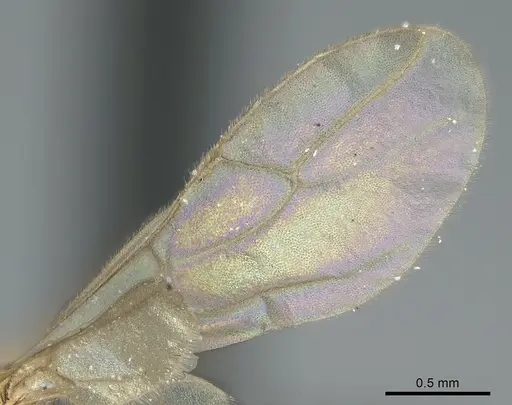
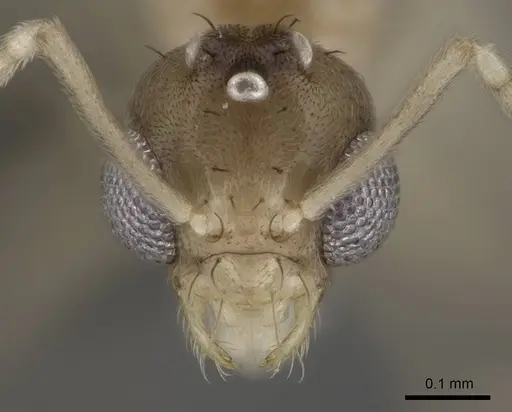
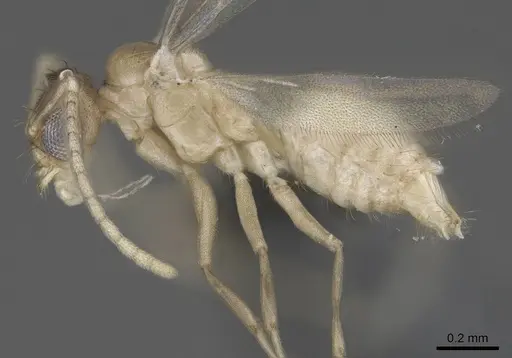
Paraparatrechina illusio workers are tiny at just 1.2-1.7mm, making them one of the smaller ant species kept in captivity. They are yellow to brownish-yellow in color, with lighter legs and antennae. The most distinctive feature is the short, silky pubescence on their gaster that appears in neat rows, this gives them a somewhat iridescent or silky sheen. Their head is nearly square with a straight posterior margin, and their antennae extend past the back of the head by about 2-3 segments. Queens are significantly larger at 2.9-3.2mm and have a darker yellowish-brown gaster that contrasts with the rest of their body. Males are similar in size to workers at 1.55mm and have notably large eyes that occupy most of the lateral head region. [1]
Natural Habitat and Distribution
This species is endemic to the Seychelles islands, meaning it is found nowhere else on Earth. It has been collected from multiple islands including Praslin Island (at 280m elevation in mixed palm forest), Conception Island (at 65m in mixed forest), Curieuse Island (at 5m in coastal scrub), and Silhouette Island (at 20m in coastal scrub). This range shows they inhabit both lowland coastal areas and slightly elevated forest environments. The Seychelles provide a tropical climate with consistent warmth and humidity year-round. In captivity, aim to replicate these conditions with stable temperatures in the mid-to-high 20s Celsius and moderate to high humidity. [1]
Feeding and Diet
While no specific dietary studies exist for P. illusio, Paraparatrechina species are typical Formicinae ants that likely feed on honeydew, nectar, and small insects. In captivity, you should offer a varied diet including sugar water or honey as a constant energy source, and protein sources like small fruit flies, pinhead crickets, or other tiny insects. Their tiny worker size means prey items must be appropriately small, springtails or fruit fly pupae work well. Being tropical ants, they are likely active year-round and will benefit from regular feeding schedules. Remove uneaten prey within a day or two to prevent mold issues in the nest.
Nest Setup and Housing
Due to their very small size, Paraparatrechina illusio requires careful nest selection. Y-tong (acrylic) nests or plaster nests with small chambers work well. The passages and chambers must be appropriately scaled to their tiny 1-2mm body size, standard formicarium tunnels may be too large and make them feel insecure. A naturalistic setup with a moist soil substrate can also work well, mimicking their forest floor habitat. Use excellent escape prevention, these tiny ants can slip through standard mesh and gaps in lid seals. Fine mesh (at least 0.5mm or smaller) is essential. Provide a water tube with a cotton plug for humidity, and consider occasional misting of the outworld to maintain moisture levels.
Temperature and Seasonal Care
As tropical ants from the Seychelles, Paraparatrechina illusio requires warm conditions. Keep the nest area at 24-28°C (75-82°F). A heating cable placed on one side of the nest creates a temperature gradient allowing the ants to self-regulate. Avoid temperatures below 20°C for extended periods. Unlike temperate species, they likely do not require a true hibernation, but you might observe slightly reduced activity during cooler months. If your room temperature naturally drops in winter, a slight reduction to around 22°C is acceptable, but avoid dramatic temperature swings. Consistent warmth year-round is best for this tropical species.
Colony Development and Growth
No specific development timeline exists for this species. Based on typical Formicinae patterns and their tropical origin, expect eggs to develop into workers in approximately 4-8 weeks at optimal temperature (around 26°C). The first generation (nanitics) will likely be smaller than subsequent workers. Colony growth will likely be moderate rather than explosive, these are tiny ants with naturally modest colony sizes. Be patient with founding colonies, queen-only colonies may take several months before the first workers emerge. Once established, colony growth should be steady but not rapid. Maximum colony size is unknown but likely remains modest, possibly under 500 workers given their tiny size.
Frequently Asked Questions
How long does it take for Paraparatrechina illusio to have first workers?
The exact timeline is unknown, but based on typical Formicinae development patterns, expect 4-8 weeks from egg to worker at optimal temperature (around 26°C). Founding colonies require patience, the queen will lay eggs and raise the first brood alone until workers emerge.
What do Paraparatrechina illusio ants eat?
While not specifically studied, they likely accept sugar sources (honey water, sugar water) and small protein sources (fruit flies, tiny insects, springtails). Their tiny size means prey must be very small. Offer sugar water constantly and protein prey 2-3 times per week.
Can I keep Paraparatrechina illusio in a test tube?
Test tubes can work for founding colonies, but due to their very small size, ensure the water reservoir is not too large and use cotton that is tightly packed to prevent flooding. Consider moving to a small formicarium once the colony reaches 20-30 workers.
What temperature do Paraparatrechina illusio need?
Keep them warm at 24-28°C (75-82°F). Being tropical Seychelles ants, they need consistent warmth. A heating cable on one side of the nest creates a suitable gradient.
Are Paraparatrechina illusio good for beginners?
This is not an ideal beginner species. Being newly described with limited available care information, and requiring excellent escape prevention due to their tiny size, this species is better suited for experienced antkeepers willing to experiment and document their findings.
How big do Paraparatrechina illusio colonies get?
Colony size is not documented, but based on their tiny worker size (1.2-1.7mm), colonies likely remain modest, probably under 500 workers. They are not a rapidly multiplying species.
Do Paraparatrechina illusio need hibernation?
Unlikely, being a tropical species from the Seychelles, they probably do not require a hibernation period. Maintain warm temperatures year-round for best results.
Why are my Paraparatrechina illusio escaping?
Their tiny size (1.2-1.7mm workers) means they can slip through incredibly small gaps. Use fine mesh (0.5mm or smaller), ensure all lid seals are tight, and consider using fluon or other barriers on nest edges. Escape prevention must be excellent.
When should I move my colony to a formicarium?
Move from the founding test tube to a small formicarium or Y-tong nest once the colony reaches 20-40 workers. The chambers should be appropriately sized for their tiny body size, standard formicarium tunnels may be too large.
References

This caresheet is licensed under CC BY-SA 4.0 .
CASENT0159099
View on AntWeb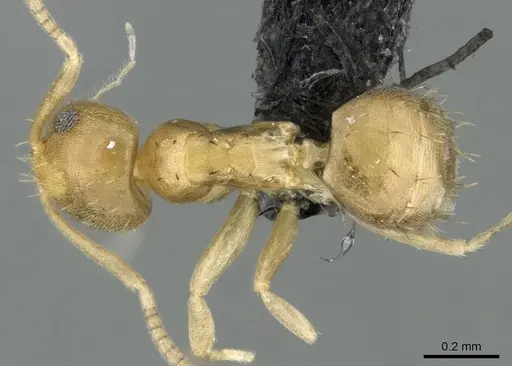
CASENT0159242
View on AntWeb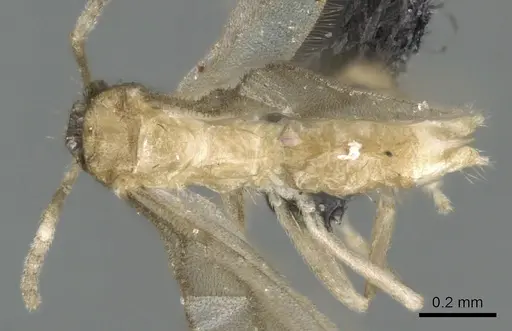
CASENT0160097
View on AntWeb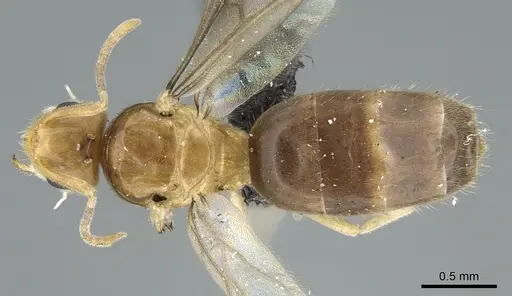
CASENT0914145
View on AntWeb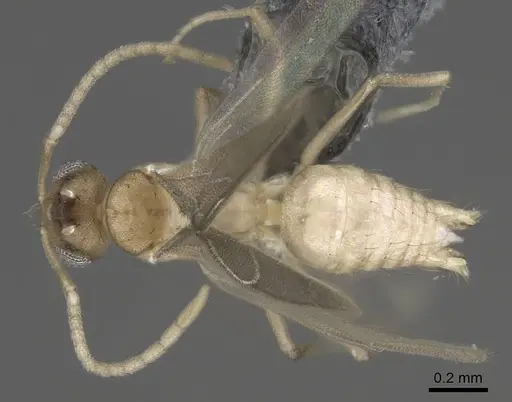
Literature
Loading...Loading products...