

Paraparatrechina bufona
- Scientific Name
- Paraparatrechina bufona
- Tribe
- Lasiini
- Subfamily
- Formicinae
- Author
- Wheeler, 1922
- Distribution
- Found in 2 countries
Paraparatrechina bufona Overview
Paraparatrechina bufona is an ant species of the genus Paraparatrechina. It is primarily documented in 2 countries , including Congo, Democratic Republic of the, Zambia. Detailed taxonomic data and occurrence records can be further explored via authoritative databases such as AntWeb or the Global Biodiversity Information Facility (GBIF).
Paraparatrechina bufona
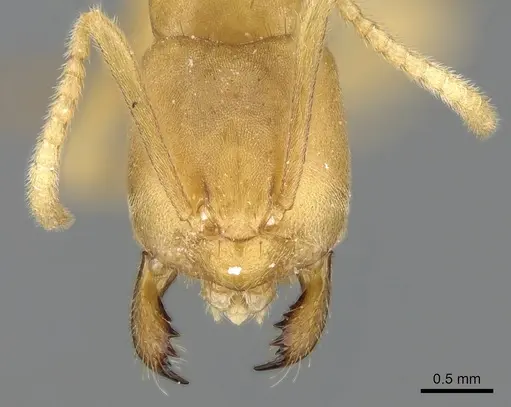
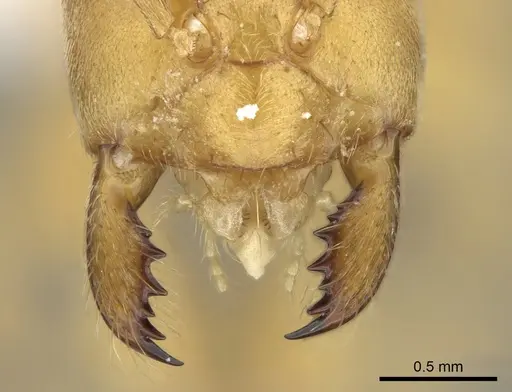
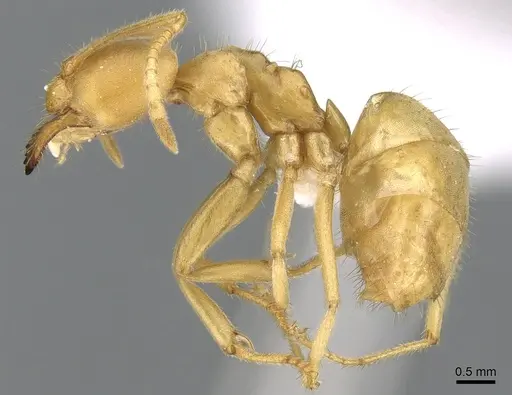
Paraparatrechina bufona is a small, polymorphic ant species from the Afrotropical region, found primarily in Central Africa (Cameroon, Democratic Republic of Congo, and Gabon). Workers are tiny, measuring just 2-3mm, with a distinctive appearance featuring numerous erect hairs on the head, scapes, mesosoma, and legs. This species is one of only two known polymorphic Paraparatrechina species, meaning it has both major (larger) and minor (smaller) workers, a rare trait in this genus. The species is morphologically adapted for a hypogaeic (underground) lifestyle, spending most of its time hidden beneath the soil surface. The queen has never been formally described, as the specimens originally identified as queens were later determined to be a different species (P. weissi).
Quick Summary
- Difficulty: Expert
- Origin & Habitat: Central Africa, Cameroon, Democratic Republic of Congo, and Gabon. This species lives in hypogaeic (underground) habitats, rarely coming to the surface. Type locality is Medje in the DRC [1][2].
- Colony Type: Unknown colony structure, the queen has never been formally described. Based on related species, likely single-queen colonies, but this is unconfirmed.
- Size & Growth:
- Queen: Unknown, queen has not been described [3]
- Worker: 2-3mm estimated (based on genus patterns and minor worker measurements)
- Colony: Unknown, no colony size data exists
- Growth: Unknown
- Development: Unknown, development has not been studied. Based on related Formicinae, estimate 6-10 weeks at warm temperatures. (No direct data exists. This is a rough estimate based on genus-level patterns for small tropical ants.)
- Antkeeping:
- Temperature: Keep warm, around 24-28°C. This is an African species from tropical regions, so elevated temperatures are likely beneficial. Use a heating cable on one side of the nest to create a gradient if room temperature is below this range.
- Humidity: Keep the nest substrate consistently moist but not waterlogged. Hypogaeic species prefer higher humidity. The substrate should feel damp to the touch with some slightly drier areas available for the ants to regulate their own conditions.
- Diapause: Unknown, no research exists on seasonal behavior. Being a tropical species, diapause may not be required, but related species from higher elevations might need a slight cool period.
- Nesting: Use a naturalistic setup with deep soil or a Y-tong/plaster nest with chambers scaled to their tiny size. They are adapted to underground life, so enclosed chambers with soil-like substrate work best. Avoid dry, exposed setups.
- Behavior: Extremely secretive and rarely seen. Workers are photophobic (avoid light) and spend most of their time underground. Workers occasionally emerge at nest entrances, particularly during nuptial flights when reproductives leave the nest. They are not known to be aggressive and likely flee from threats rather than fight. Escape risk is moderate, their small size means they can slip through small gaps, but their subterranean habits make them less likely to wander. Handle with care as they are fragile and easily stressed.
- Common Issues: this species is virtually unknown in captivity, no established care protocols exist, the queen has never been described, making colony founding extremely difficult, hypogaeic lifestyle means workers rarely emerge, making observation difficult, no data on diet acceptance, what to feed is essentially unknown, colony size and growth rate are completely unstudied, risk of colony collapse from standard antkeeping conditions that may not match their needs
Why This Species Is So Challenging
Paraparatrechina bufona is one of the most poorly documented ant species in the world. The natural history remains almost completely unknown, we don't know what they eat, how fast they grow, how big colonies get, or even what the queen looks like. The original type specimens described as queens in 1922 were later discovered to be a different species entirely (P. weissi). This means there are essentially no established care protocols for keeping this ant. You will be pioneering everything. This species is recommended only for very experienced antkeepers who enjoy the challenge of working with completely undocumented species and who can afford to experiment with different conditions. Expect high failure rates and be prepared to learn entirely through trial and error. [3][2]
Natural History and Biology
What we know about P. bufona comes from a handful of museum specimens and a few historical observations. The species was first described by Wheeler in 1922 from specimens collected in Medje, Democratic Republic of Congo. It belongs to the weissi species group, which is characterized by having both major and minor workers, making it one of only two known polymorphic Paraparatrechina species. The morphology (body structure) strongly suggests a hypogaeic lifestyle: these ants are adapted to live underground, rarely coming to the surface. This is supported by observations of workers and males being found in the stomachs of toads (Bufo superciliaris and Bufo polycercus), the ants were likely near nest entrances when the toads caught them. Similar behavior is seen in other hypogaeic ants like Acropyga, where workers briefly emerge at nest openings to allow reproductives to depart for their mating flights. [3][2]
Housing and Nest Setup
Given their hypogaeic nature, these ants need a setup that mimics underground conditions. A naturalistic setup with deep, moist substrate works best, think of a terrarium-style setup with several inches of soil-like material they can tunnel through. Alternatively, a Y-tong (acrylic) nest with tight chambers and a moisture reservoir can work, but ensure the chambers are humid. The key is providing darkness and moisture, these ants avoid light and need damp conditions. Use a dark cover over observation windows if using a formicarium. Because they rarely come to the surface, you may not see much activity. Consider connecting a foraging area but don't expect to see constant traffic. Escape prevention should be moderate, while small, their subterranean habits mean they're not aggressive escape artists like some other tiny ants.
Feeding and Diet
The diet of P. bufona is completely unstudied. Based on related Paraparatrechina species, they are likely generalist feeders accepting both sugar sources and protein. However, being hypogaeic, they may have unusual dietary preferences. Start with standard ant foods: a sugar water or honey source, and small protein sources like fruit flies, pinhead crickets, or mealworms. Given their tiny size, prey items must be very small. Monitor carefully for acceptance. Do not be surprised if they ignore standard foods, you may need to experiment with micro-prey like springtails or other tiny arthropods. Sugar acceptance is uncertain, offer occasionally but don't rely on it. This is another area where keeper experimentation will be essential.
Temperature and Seasonal Care
No research exists on the temperature or seasonal requirements of this species. As a tropical African species from Cameroon, DRC, and Gabon, they likely prefer warm conditions in the range of 24-28°C. A heating cable on one side of the nest can provide a gradient. Regarding diapause or winter rest: being from a tropical region, they may not require a cool period, but this is entirely uncertain. Some related species from higher elevations or southern parts of their range might benefit from a slight temperature reduction in winter. For now, maintain stable warm conditions year-round and observe colony behavior for signs of stress or dormancy. If the colony becomes less active in cooler months, you may have found their preferred cycle.
Frequently Asked Questions
Can I keep Paraparatrechina bufona as a beginner?
No. This species is not recommended for beginners. The natural history is essentially unknown, we don't know what they eat, how fast they grow, what size colonies reach, or even what the queen looks like. There are no established care protocols. You will be experimenting entirely from scratch. Only experienced antkeepers who enjoy working with poorly documented species should attempt this.
What do Paraparatrechina bufona eat?
We don't know. Their diet has never been studied. Based on related species, they likely accept sugar sources and small protein, but this is entirely an estimate. Start with sugar water/honey and tiny prey like fruit flies or springtails. Be prepared to experiment with different foods.
How long does it take for Paraparatrechina bufona to develop from egg to worker?
Unknown, no research exists on their development timeline. Based on typical Formicinae patterns for small tropical ants, a rough estimate would be 6-10 weeks at warm temperatures, but this is just an educated guess.
Can I keep multiple queens together?
Unknown. The colony structure has never been studied, we don't even know what the queen looks like. There is no data on whether they are single-queen or multi-queen colonies. Do not attempt combining unrelated queens without research to base it on.
What is the colony size of Paraparatrechina bufona?
Unknown, no colony size data exists. Even the maximum colony size in the wild has never been documented. Related species are typically small colonies, but this is just a guess.
Do Paraparatrechina bufona need hibernation?
Unknown. As a tropical African species, they likely do not require true hibernation. However, no research exists on their seasonal behavior. Maintain stable warm conditions and observe your colony.
Why can't I find this species in ant shops?
This species is virtually unknown in the antkeeping hobby. The queen has never been formally described, making colony founding nearly impossible. Wild colonies are rarely encountered due to their hypogaeic (underground) lifestyle. Only a handful of museum specimens exist.
What makes Paraparatrechina bufona special?
They are one of only two known polymorphic Paraparatrechina species (having both major and minor workers). Their entire natural history is unknown, keeping them would be pioneering work. They are extremely rare even in museum collections.
Are Paraparatrechina bufona aggressive?
Unknown, their behavior has never been observed in captivity or studied in the wild. Based on their hypogaeic lifestyle and related species, they are likely non-aggressive and will avoid confrontation rather than fight.
References

This caresheet is licensed under CC BY-SA 4.0 .
CASENT0906212
View on AntWeb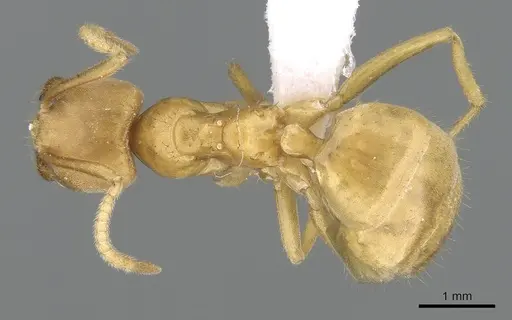
Literature
Loading...Loading products...