

Paraparatrechina albipes
- Scientific Name
- Paraparatrechina albipes
- Tribe
- Lasiini
- Subfamily
- Formicinae
- Author
- Emery, 1899
- Distribution
- Found in 7 countries
Paraparatrechina albipes Overview
Paraparatrechina albipes is an ant species of the genus Paraparatrechina. It is primarily documented in 7 countries , including Central African Republic, Congo, Gabon. Detailed taxonomic data and occurrence records can be further explored via authoritative databases such as AntWeb or the Global Biodiversity Information Facility (GBIF).
Paraparatrechina albipes
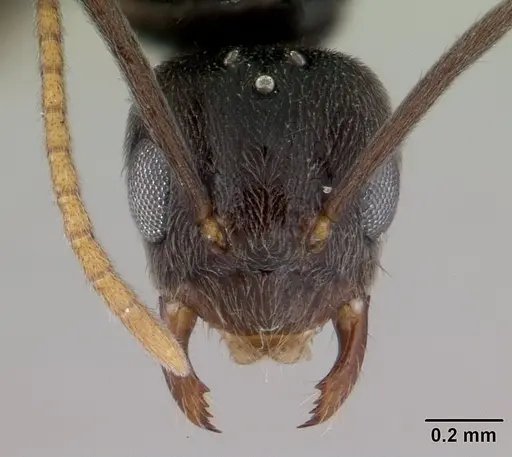
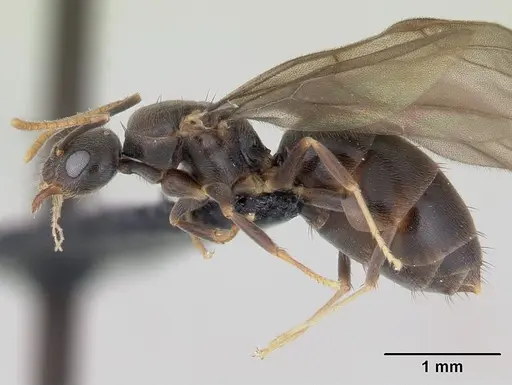
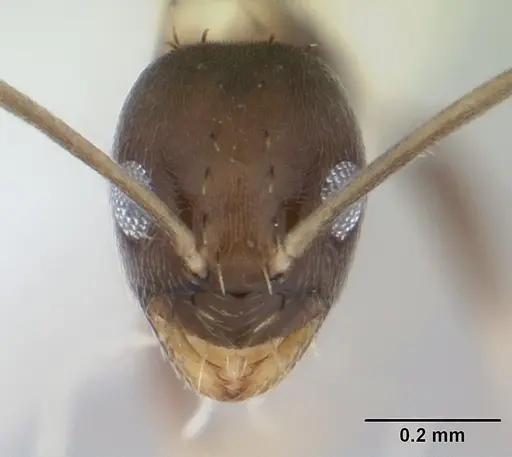
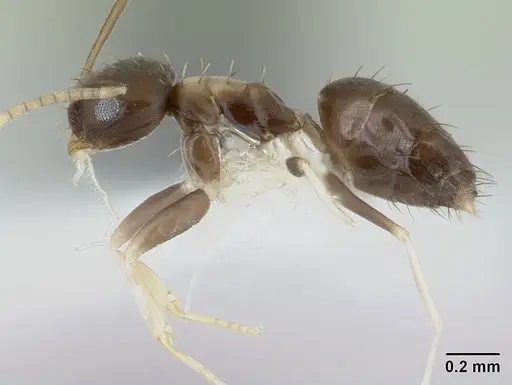
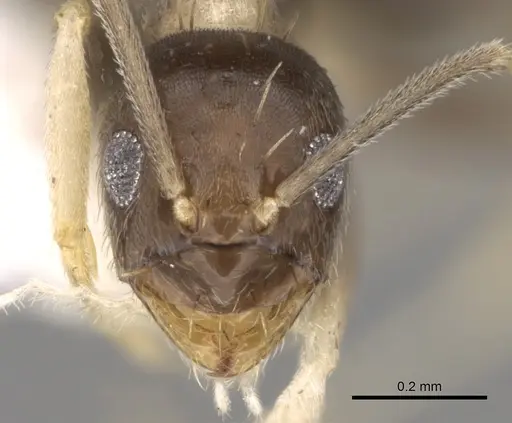
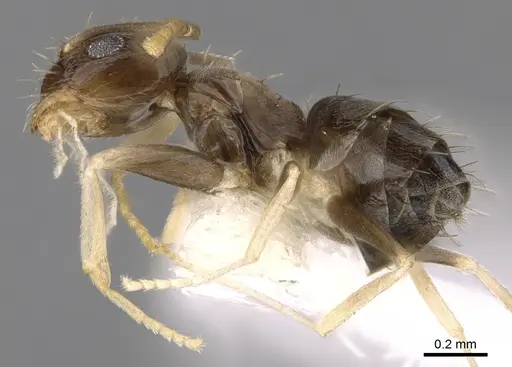
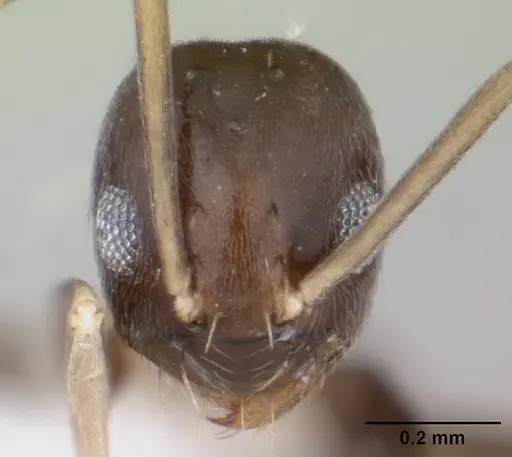
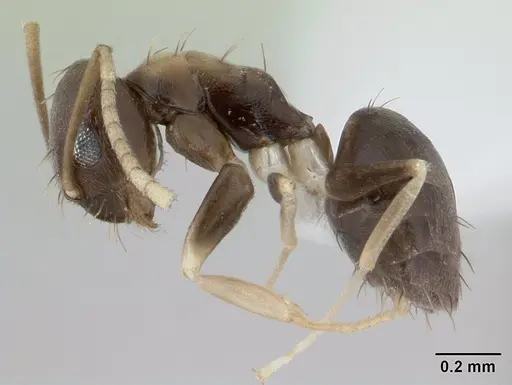
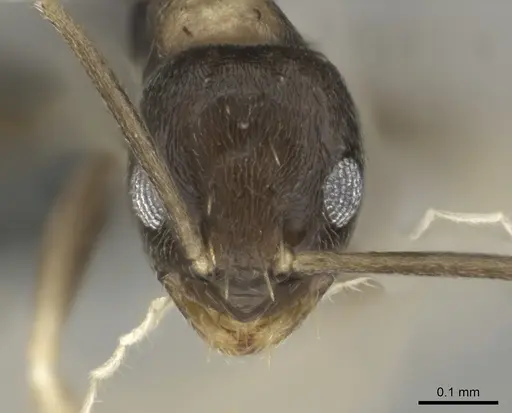
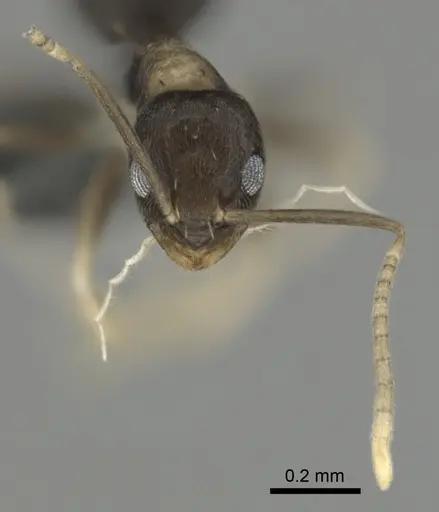
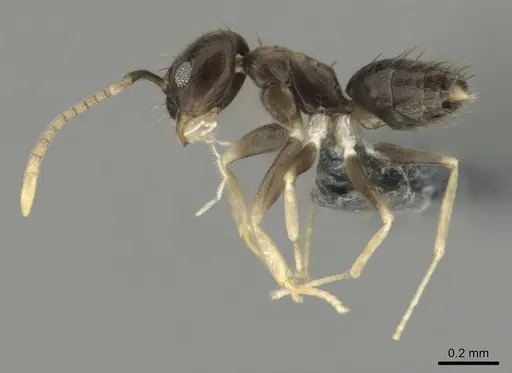
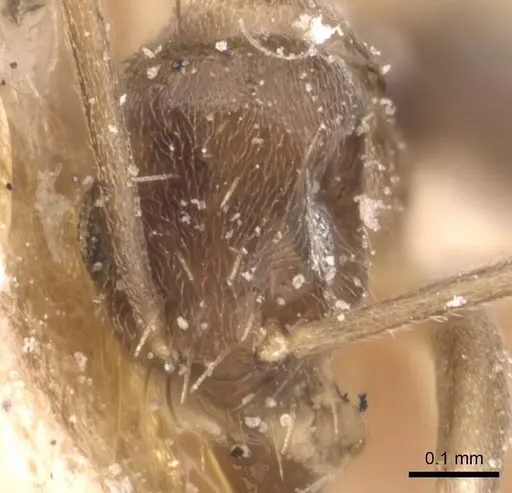
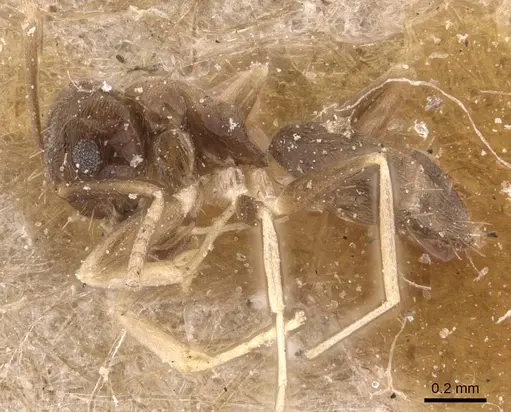
Paraparatrechina albipes is a tiny rainforest ant native to West Africa, found in Cameroon, Central African Republic, Gabon, Ghana, Nigeria, and Togo [1]. Workers measure just 1.4-1.9mm, making them among the smallest ants you'll encounter, their minute size means they can slip through gaps you'd never notice [1]. The most striking feature is their distinctive coloration: workers have a bold white to yellowish patch covering the pronotum and mesonotum that contrasts sharply with their dark brown head and gaster. This white pubescence covers their body in neat rows, giving them a frosted appearance [2][3]. Queens are considerably larger at 4.28mm and lack the white mesosomal patch, appearing darker overall [4].
What makes this species unusual in captivity is its combination of tiny size and striking markings, the white dorsal patch is visible even to the naked eye, making these ants a visually interesting addition to your collection. As a rainforest species, they require warm, humid conditions to thrive. This is a relatively new species in the antkeeping hobby, so established care protocols are still developing.
Quick Summary
- Difficulty: Medium
- Origin & Habitat: West African rainforests, Cameroon, Central African Republic, Gabon, Ghana, Nigeria, and Togo [1][5]. They inhabit rainforest environments and have been found in timber plantations in Ghana, suggesting they can adapt to some human-modified habitats [6].
- Colony Type: Colony structure is unconfirmed. No published data on whether they are single-queen (monogyne) or multi-queen (polygyne) colonies.
- Size & Growth:
- Queen: 4.28mm
- Worker: 1.41-1.89mm [1]
- Colony: Unknown, no published colony size data. Based on their tiny size and typical Paraparatrechina patterns, colonies likely reach a few hundred workers at most.
- Growth: Unknown, growth rate has not been documented. Expect moderate growth based on their small size.
- Development: Estimated 6-8 weeks based on related Formicinae genera at optimal temperature. No direct development data exists for this species. (Development time is estimated from related Prenolepis-group ants. Actual timing may vary.)
- Antkeeping:
- Temperature: Keep at 24-28°C. As a West African rainforest species, they need warm, stable temperatures. A heating cable on one side of the nest creates a suitable gradient. Avoid temperatures below 22°C or above 32°C.
- Humidity: High humidity required, aim for 70-85%. Keep the nest substrate consistently moist but not waterlogged. These rainforest ants dry out quickly in dry conditions. Use a water reservoir in your setup and mist occasionally.
- Diapause: Unknown, no published data on overwintering requirements. As a tropical species, they likely do not require a true diapause. However, a slight reduction in temperature during winter months may be beneficial.
- Nesting: In the wild they likely nest in rotting wood, leaf litter, or soil in forest habitats. In captivity, a small test tube setup works well for founding colonies. For established colonies, a small acrylic or Y-tong nest with tight chambers scaled to their tiny size works best. Avoid large, open spaces.
- Behavior: These ants are small and generally non-aggressive. They are likely nocturnal or crepuscular foragers based on their large eyes. Workers probably forage for honeydew, small insects, and nectar. Escape prevention is critical, at 1.4-1.9mm, they can slip through the tiniest gaps. Use fine mesh barriers and ensure all connections are sealed. They are not known to sting and pose no danger to keepers.
- Common Issues: escape prevention is critical, their tiny size means they squeeze through gaps that larger ants cannot, high humidity must be maintained or colonies will desiccate, slow growth can frustrate beginners, be patient with founding colonies, wild-caught colonies may carry parasites that are difficult to treat in captivity, test tube setups must have appropriately sized water reservoirs, too large and they drown, too small and they dry out
Housing and Setup
Because of their extremely small size, Paraparatrechina albipes requires careful housing setup. For founding colonies, a standard test tube setup works well, but ensure the water reservoir is appropriately sized, too much water risks drowning the queen and brood, while too little leads to desiccation. Fill the tube about one-third with water, then add a cotton barrier. For established colonies, a small acrylic nest or Y-tong formicarium with chambers scaled to their tiny dimensions works best. The passages should be narrow, these ants feel secure in tight spaces. Escape prevention is absolutely critical: use fine mesh (at least 0.5mm or finer), seal all gaps and connections, and consider using Fluon or another barrier compound. Even a tiny gap that you wouldn't notice with larger ants will result in escapes. Place the nest in a dark area with minimal vibration, these are subtle ants that prefer quiet environments. [1][2]
Temperature and Humidity
As a West African rainforest species, Paraparatrechina albipes requires warm and humid conditions. Maintain temperatures between 24-28°C, with a slight gradient if possible. A heating cable placed on one side of the nest (never directly on the nest material) helps create this gradient. Avoid temperatures below 22°C or above 32°C, prolonged exposure to either extreme can be fatal. Humidity should remain high at 70-85%. The nest substrate should feel consistently moist to the touch. Check water levels in test tube setups every 1-2 weeks and refill as needed. In acrylic nests, ensure the water reservoir is adequate. Misting the outworld occasionally helps maintain humidity, but avoid creating standing water. Good ventilation is also important to prevent mold, balance humidity with airflow. [5]
Feeding and Diet
In the wild, these ants likely forage for honeydew from aphids and scale insects, small insects, and nectar. In captivity, offer a varied diet. Sugar water or honey water should be available at all times, place a small drop on a piece of foil or in a shallow container. For protein, offer tiny prey items: fruit flies, pinhead crickets, small mealworms, or other small insects. Prey should be appropriately sized for these tiny ants, if the prey is larger than the workers themselves, they may have difficulty subduing it. Feed protein 2-3 times per week, removing any uneaten prey after 24 hours. Observe your colony's acceptance of different foods and adjust accordingly. Fresh fruit slices can also be offered occasionally. Always ensure clean water is available. [6]
Growth and Development
The development timeline for Paraparatrechina albipes has not been directly studied. Based on related Formicinae genera (particularly the Prenolepis group), expect egg-to-worker development to take approximately 6-8 weeks at optimal temperature (around 26°C). Queens lay relatively small numbers of eggs, perhaps 10-20 initially. The first workers (nanitics) will be very small, as is typical for tiny ant species. Growth rate is likely moderate rather than fast. Founding colonies often appear stagnant for weeks at a time, this is normal. The queen will remain in the nest chamber, tended by her first workers. Do not disturb the colony during this critical period. Once the first nanitics emerge, growth typically accelerates as more workers are produced. Patience is essential with this species. [1]
Behavior and Temperament
Paraparatrechina albipes is a docile, non-aggressive species. Workers are small and likely forage primarily at night or during low-light conditions, based on their relatively large eyes. They are not known to sting and pose no danger to keepers. The most notable behavior is their distinctive appearance, the white dorsal patch makes them easily identifiable under magnification. Colonies are likely modest in size, with workers moving deliberately rather than frantically. They probably establish multiple chambers within their nest for different functions (brood storage, food storage, waste). Workers likely use chemical trails to guide nestmates to food sources. Their tiny size means they are easily overlooked, but under magnification they reveal fascinating details of ant anatomy and behavior. [2][3]
Colony Maintenance
Maintaining a healthy Paraparatrechina albipes colony requires attention to several key factors. First, humidity management is ongoing, check water levels regularly and mist the outworld when needed. Second, escape prevention must be maintained continuously, inspect barriers weekly and repair any wear. Third, feeding schedules should be condition-based rather than calendar-based: offer fresh prey when previous items have been consumed, and keep sugar water available at all times. Fourth, avoid disturbing the nest unnecessarily, these ants prefer stability. When cleaning the outworld, do so gently to avoid stressing the colony. Finally, monitor for mold, which can develop in humid setups. Remove any mold promptly and improve ventilation if it becomes a recurring issue. With proper care, these unusual little ants can thrive in captivity.
Frequently Asked Questions
How long does it take for Paraparatrechina albipes to produce first workers?
The exact timeline is unconfirmed, but based on related Formicinae species, expect 6-8 weeks from egg to first worker at optimal temperature (around 26°C). Founding colonies often appear dormant for extended periods, this is normal. Patience is essential.
What do Paraparatrechina albipes eat?
They likely accept sugar sources (honey water, sugar water) and small protein prey like fruit flies, pinhead crickets, or tiny mealworms. Feed protein 2-3 times per week and keep sugar water available constantly.
Are Paraparatrechina albipes dangerous?
No, they are not dangerous. These tiny ants do not sting and are completely harmless to keepers. Their small size means they cannot penetrate human skin.
What temperature do Paraparatrechina albipes need?
Keep them warm at 24-28°C. As a West African rainforest species, they need consistently warm conditions. A heating cable on one side of the nest creates a suitable gradient.
How big do Paraparatrechina albipes colonies get?
Colony size is not documented, but based on their tiny worker size (1.4-1.9mm), colonies likely reach a few hundred workers at most. They are not a large colony species.
Can I keep multiple queens together?
Colony structure (single-queen vs multi-queen) has not been documented for this species. It is not recommended to combine unrelated foundress queens, as this has not been studied and may result in aggression.
Why are my Paraparatrechina albipes escaping?
Their tiny size (1.4-1.9mm) means they can slip through incredibly small gaps. Use fine mesh (0.5mm or finer), seal all connections, and apply barrier compounds like Fluon. Check your setup daily for the first few weeks.
Do Paraparatrechina albipes need hibernation?
Hibernation requirements are unknown. As a tropical rainforest species, they likely do not require a true diapause. A slight temperature reduction during winter months may be beneficial but is not required.
What makes Paraparatrechina albipes special?
Their most distinctive feature is the white to yellowish patch on the mesosomal dorsum, which contrasts with their dark brown head and gaster. This makes them visually striking under magnification. They are also among the smallest ants kept in captivity.
Are Paraparatrechina albipes good for beginners?
They are rated as medium difficulty. Their tiny size makes escape prevention challenging, and they require specific humidity and temperature conditions. Experienced antkeepers will have more success with this species.
References

This caresheet is licensed under CC BY-SA 4.0 .
CASENT0088326
View on AntWeb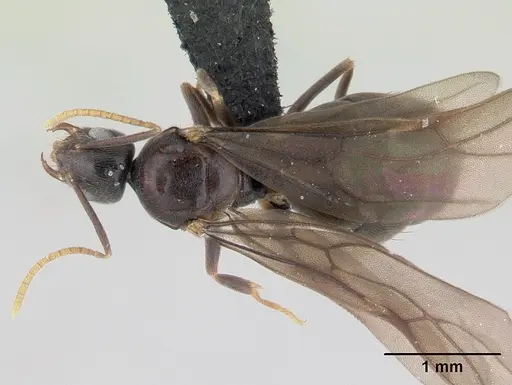
CASENT0178759
View on AntWeb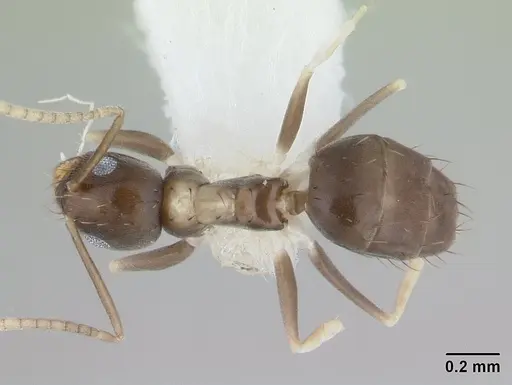
CASENT0281152
View on AntWeb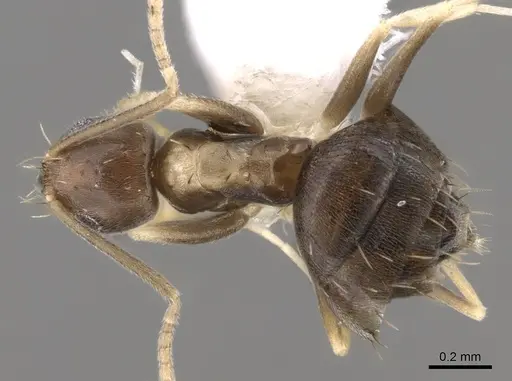
CASENT0400632
View on AntWeb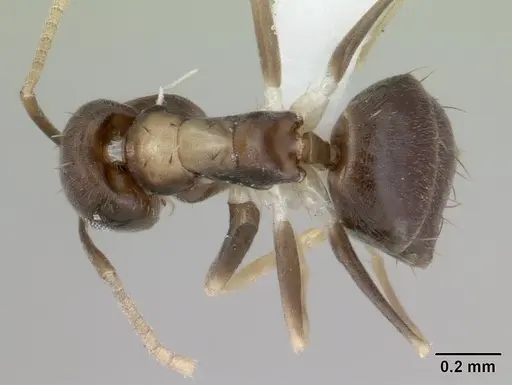
CASENT0815684
View on AntWeb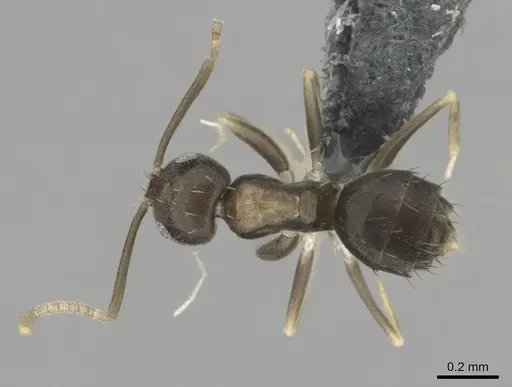
CASENT0905663
View on AntWeb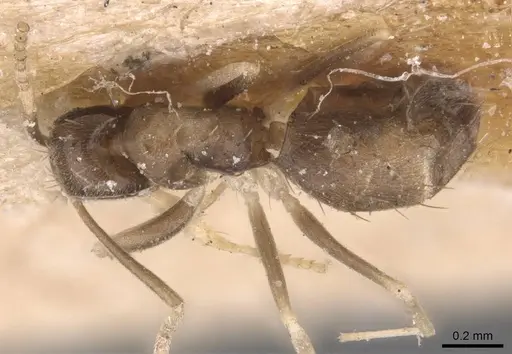
Literature
Loading...Loading products...