

Papyrius nitidus
- Scientific Name
- Papyrius nitidus
- Tribe
- Leptomyrmecini
- Subfamily
- Dolichoderinae
- Author
- Mayr, 1862
- Distribution
- Found in 2 countries
Papyrius nitidus Overview
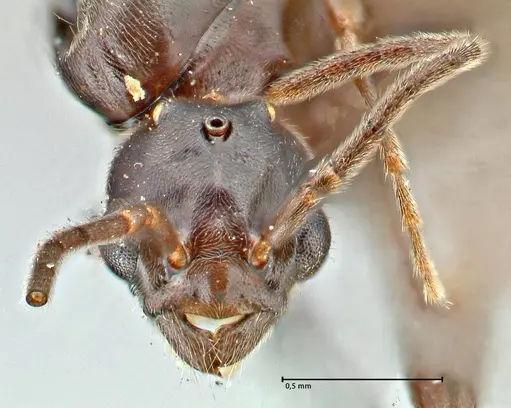
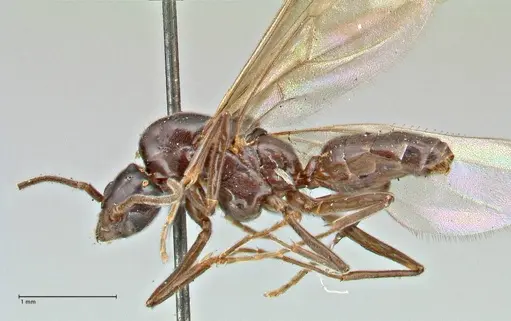
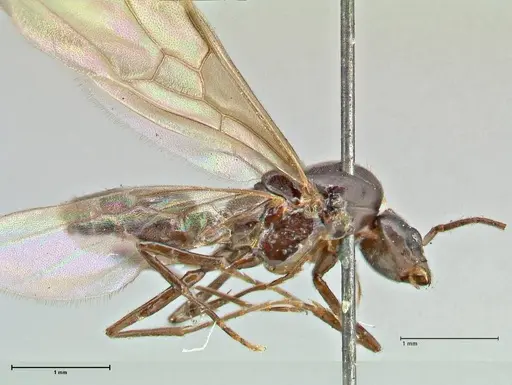
Papyrius nitidus is an ant species of the genus Papyrius. It is primarily documented in 2 countries , including Australia, Papua New Guinea. Detailed taxonomic data and occurrence records can be further explored via authoritative databases such as AntWeb or the Global Biodiversity Information Facility (GBIF).
Papyrius nitidus
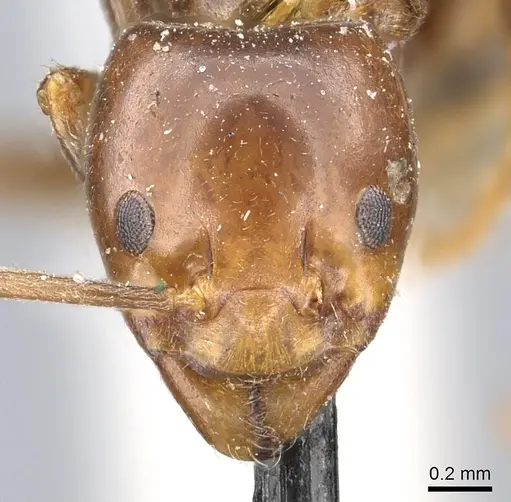
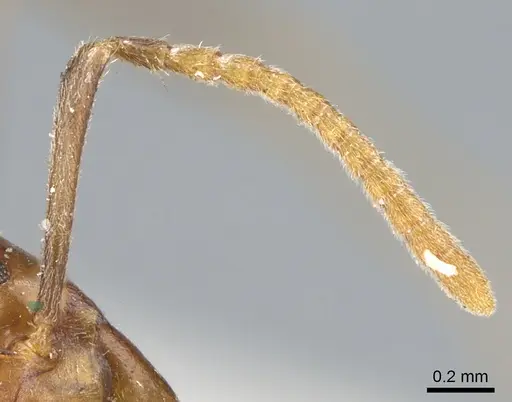
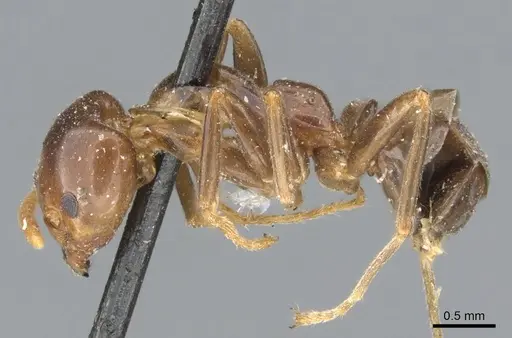
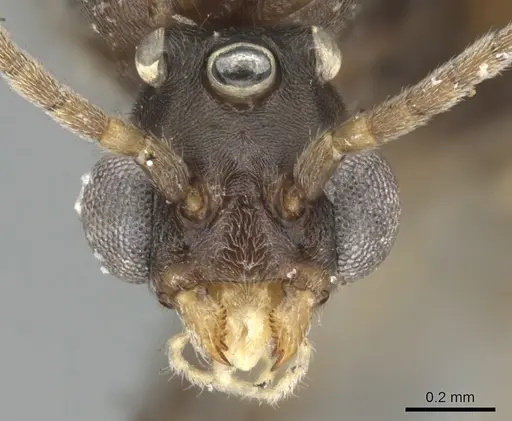
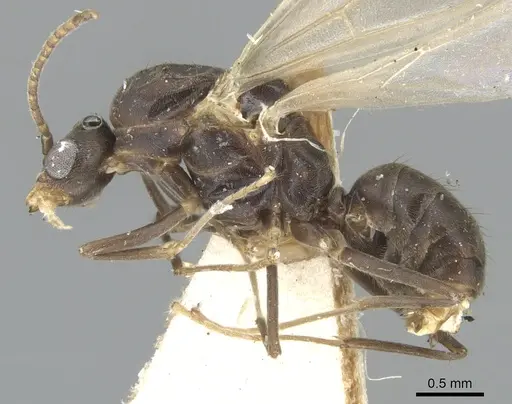
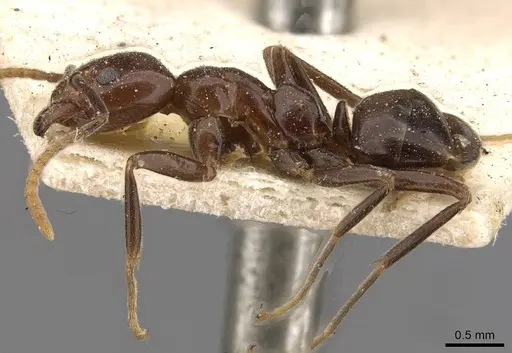
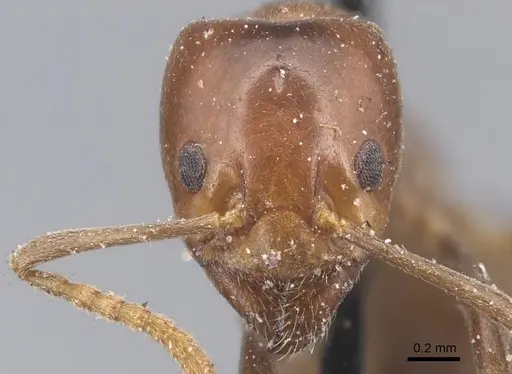
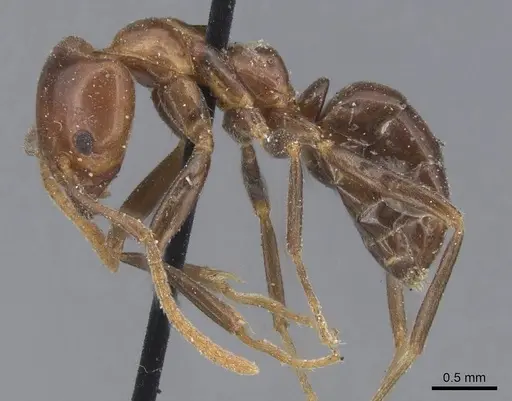
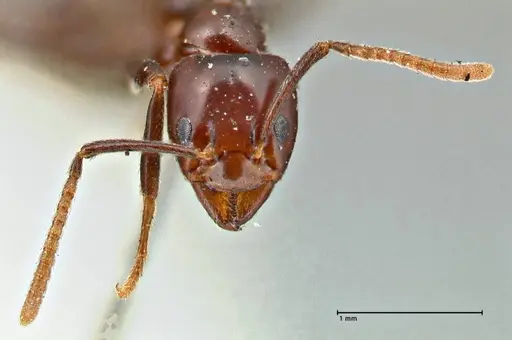
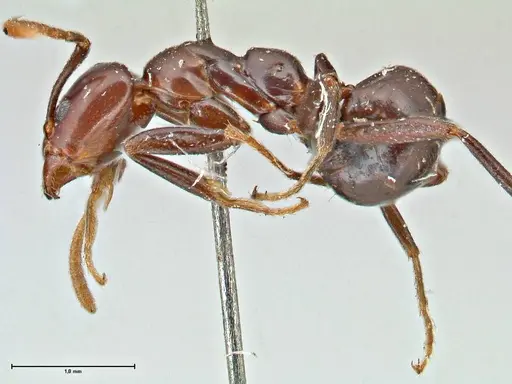
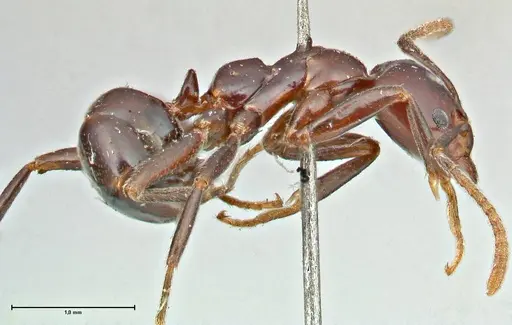
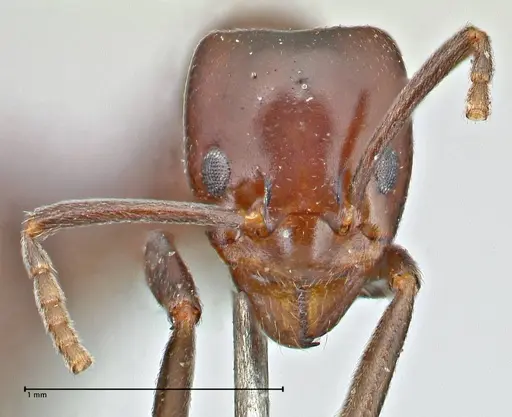
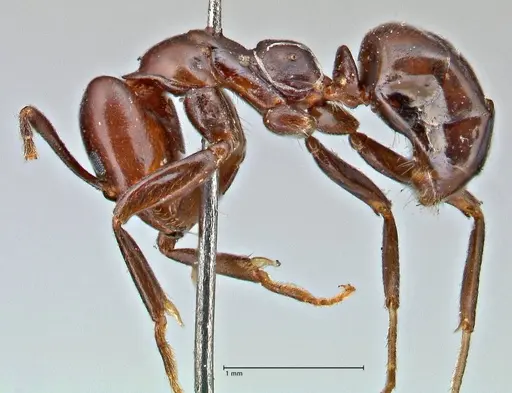
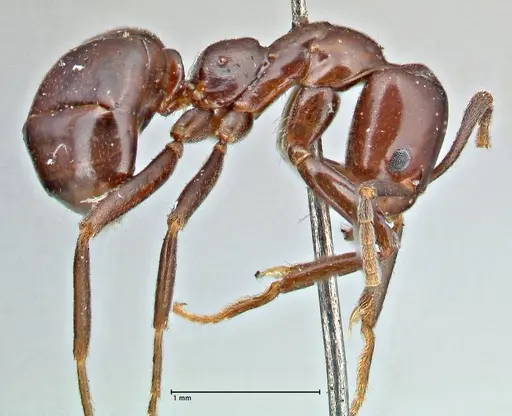
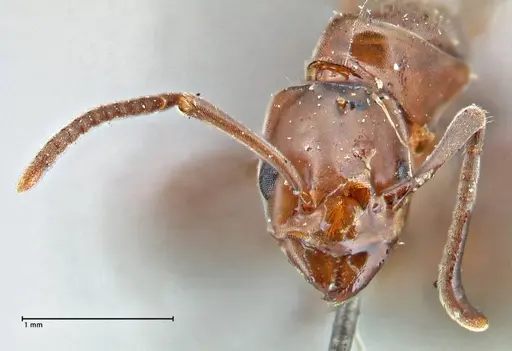
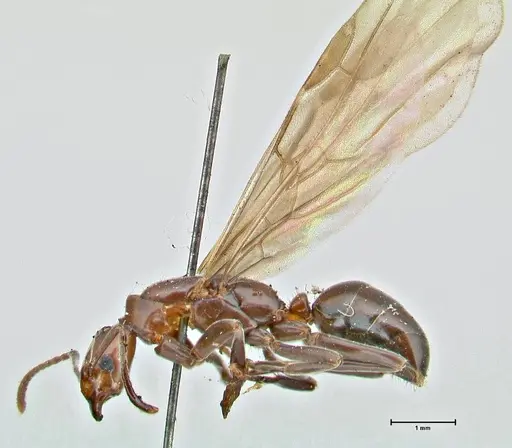
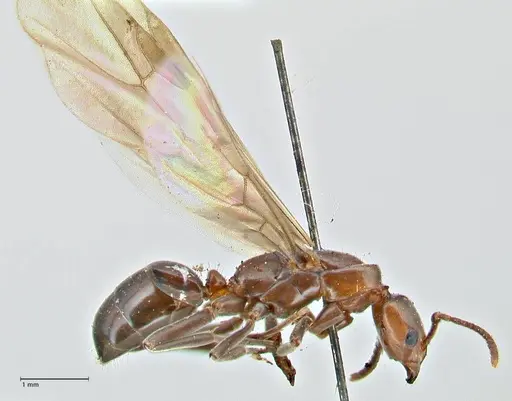
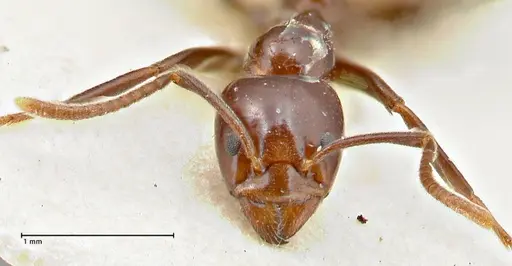
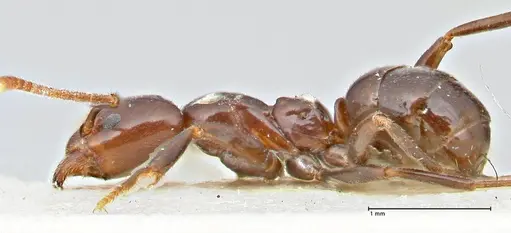
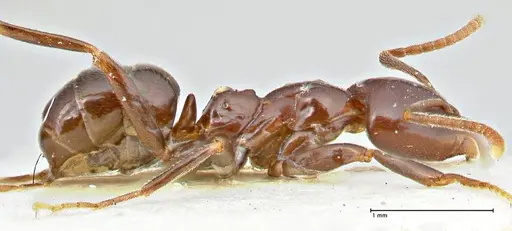
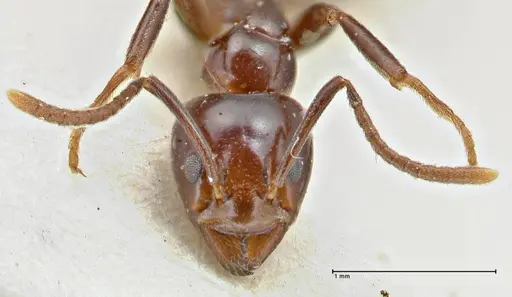
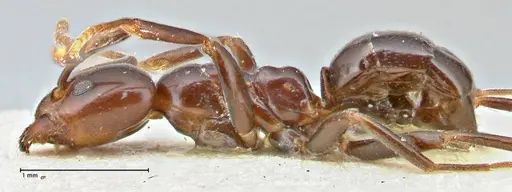
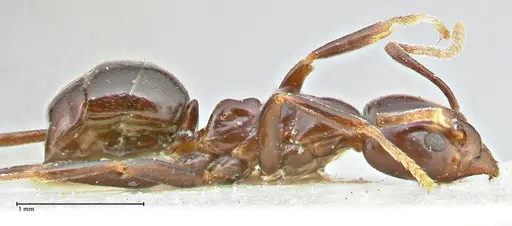
Papyrius nitidus is a small to medium-sized ant belonging to the Dolichoderinae subfamily, found throughout Australia (particularly WA, NSW, and NT) as well as New Guinea. Workers are modest in size and typically dark in coloration. This species is the only representative of the genus Papyrius in Western Australia, making it a distinctive part of the ant fauna in that region [1].
What makes Papyrius nitidus particularly interesting is its role as a host species for multiple myrmecophilous (ant-loving) organisms. The larvae of the butterfly Pseudodipsas myrmecophila illidgei have been found living directly within their nests, and the ants tend these butterfly larvae alongside their own brood [2]. Additionally, this ant species tends scale insects and has been documented attending leafhoppers, a behavior that makes them valuable in some agricultural contexts [3].
Quick Summary
- Difficulty: Easy
- Origin & Habitat: Native to Australia (WA, NSW, NT) and New Guinea. Widespread across the South-West Botanical Province of Western Australia and also occurs in the Kimberley Region. In nature, they nest in fallen logs and ground locations, making them a typical forest-floor ant species [1][2].
- Colony Type: Colony structure is not well-documented in scientific literature. Likely single-queen colonies based on typical Dolichoderinae patterns, but this requires confirmation.
- Size & Growth:
- Queen: Approximately 6-7mm based on genus-level estimates for Dolichoderinae [4]
- Worker: Approximately 3-5mm based on typical Dolichoderinae worker sizes [4]
- Colony: Likely moderate colonies of several hundred workers based on related genera patterns [4]
- Growth: Moderate, growth rate is estimated based on typical Dolichoderinae development
- Development: 6-10 weeks estimated based on related Dolichoderinae species [4] (Development time is inferred from genus-level patterns since specific development data is not available for this species)
- Antkeeping:
- Temperature: Keep at 22-26°C. Australian ants generally tolerate a range from 20-30°C, but aim for moderate warmth with a slight gradient [4]
- Humidity: Moderate humidity around 50-70%. They prefer somewhat moist nest substrate but not waterlogged conditions. Provide a water tube and allow the nest to dry slightly between rehydrations [4]
- Diapause: Likely a mild winter slowdown period given their Australian distribution, but specific diapause requirements are unconfirmed. Consider reducing temperatures to 15-18°C for 2-3 months during winter if colony shows reduced activity.
- Nesting: In captivity, they do well in standard formicariums, Y-tong nests, or test tube setups. They naturally nest in rotting wood and soil, so a naturalistic setup with some organic material works well. Acceptable nest types include acrylic, plaster, and ytong nests [4]
- Behavior: Papyrius nitidus is a relatively calm, non-aggressive species. Workers are active foragers that tend to attend honeydew-producing insects in nature. They show moderate activity levels and are not particularly aggressive toward keepers. Escape risk is moderate, standard barrier methods work well for this size class. They readily accept sugar water and protein sources in captivity.
- Common Issues: colonies may fail if kept too dry, ensure consistent moisture in nesting area, slow growth compared to some tropical species may frustrate beginners expecting rapid development, wild-caught colonies may harbor parasites that can decimate captive populations, queen replacement or colony structure is unconfirmed, if queen dies, colony may not recover, tending behavior means they may ignore other food sources if honeydew/sugar is constantly available
Housing and Nest Preferences
Papyrius nitidus adapts well to various captive setups. In the wild, they nest in fallen logs and ground-level locations, so a naturalistic formicarium with some rotting wood or organic material works beautifully. However, they also readily accept standard setups like Y-tong (AAC) nests, acrylic formicariums, or simple test tube arrangements. The key is providing a nest chamber that maintains moderate humidity while allowing some drying between water additions. A gradient from moist to slightly drier areas gives the ants choice. Since they're not large ants, avoid overly spacious nests, moderately sized chambers help them feel secure. [2][1][4]
Feeding and Diet
In the wild, Papyrius nitidus is known for tending scale insects (Coccoidea) and attending butterfly caterpillars, which means they have a strong appetite for sugar sources like honeydew [3]. In captivity, offer sugar water or honey water as a constant staple, they'll readily accept it. For protein, they take typical ant prey like small crickets, mealworms, and other insects. Their tendency to tend other insects means they may ignore solid protein if sugar sources are constantly available, so balance these offerings. A varied diet with both sugar and protein ensures healthy colony development. Feed protein prey 2-3 times per week and keep sugar water available at all times.
Temperature and Seasonal Care
As an Australian species, Papyrius nitidus prefers warmer conditions but is adaptable. Keep the nest area around 22-26°C for optimal activity and brood development. Room temperature within this range works well. During Australian winter (roughly June-August in the southern hemisphere), you may notice reduced activity, this is normal. If your colony shows signs of slowing down, you can reduce temperatures to 15-18°C for a few months to simulate winter, but this is not strictly required in captivity. Many keepers successfully keep Australian Dolichoderines at stable room temperature year-round without issues. [4]
Behavior and Colony Dynamics
Papyrius nitidus workers are active foragers with a generally calm temperament. Unlike some ants, they don't show strong territorial aggression and handle disturbance reasonably well. Their most notable behavioral trait is the tendency to attend and tend other insects, this is a mutualistic relationship where the ants get honeydew (a sugar-rich secretion) and the other insects get protection. In captivity, you might observe this tending behavior if you keep other insects near the colony. Workers are moderately sized and can climb smooth surfaces, so standard escape barriers (like fluon on container rims) work well. They don't have a painful sting, making them safe for handling. [3][2][4]
Frequently Asked Questions
How long does it take for Papyrius nitidus to produce first workers?
Based on typical Dolichoderinae development, expect 6-10 weeks from egg to first worker at optimal temperature (around 24°C). This is an estimate since specific development data for this species is not documented.
Can I keep Papyrius nitidus in a test tube setup?
Yes, test tube setups work well for founding colonies. Keep the cotton moist but not flooded, and ensure the tube is in a dark, quiet location. Once the colony reaches 20-30 workers, consider moving them to a larger formicarium.
What do Papyrius nitidus eat?
They readily accept sugar water or honey as a constant food source. For protein, offer small insects like fruit flies, pinhead crickets, or mealworms. Their natural tendency to tend scale insects means they'll enthusiastically take sugar sources.
Are Papyrius nitidus good for beginners?
Yes, they're considered an easy-to-keep species. They adapt well to various nest types, readily accept common ant foods, and have a calm temperament. Their moderate growth rate and straightforward care requirements make them suitable for new antkeepers.
Do Papyrius nitidus need hibernation?
They likely experience a mild winter slowdown but strict hibernation is not required in captivity. If your colony becomes less active during winter months, you can reduce temperatures to 15-18°C for 2-3 months, but many keepers successfully maintain them at stable room temperature year-round.
When should I move my colony to a formicarium?
Move them when the test tube no longer comfortably accommodates the colony, typically when you see 20-30+ workers and the water reservoir is getting low. They do well in formicariums with moderate chamber sizes.
How big do Papyrius nitidus colonies get?
Based on related Dolichoderinae species, colonies likely reach several hundred workers over time. Exact maximum size is not documented, but expect moderate colony development over 1-3 years.
Why are my Papyrius nitidus dying?
Common causes include: too dry nesting conditions (keep substrate consistently moist), poor nutrition (ensure both sugar and protein are offered), parasites from wild-caught colonies, or temperature stress (avoid extremes above 30°C or below 15°C). Check these parameters and adjust accordingly.
References

This caresheet is licensed under CC BY-SA 4.0 .
CASENT0070200
View on AntWeb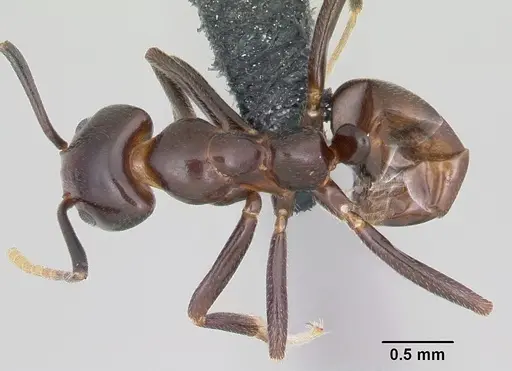
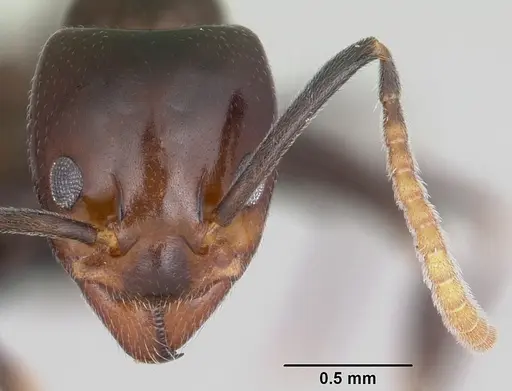
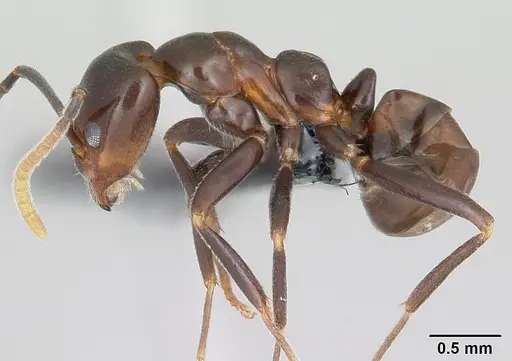
CASENT0104657
View on AntWeb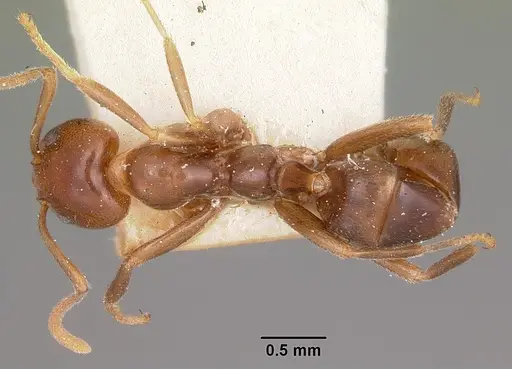
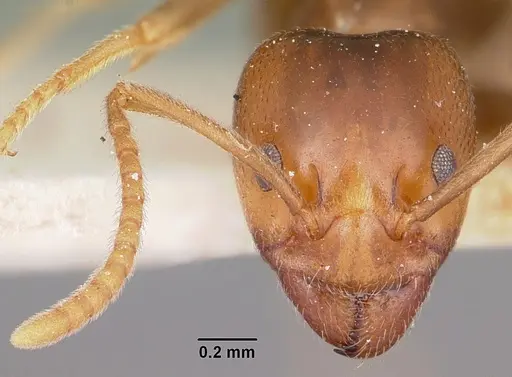
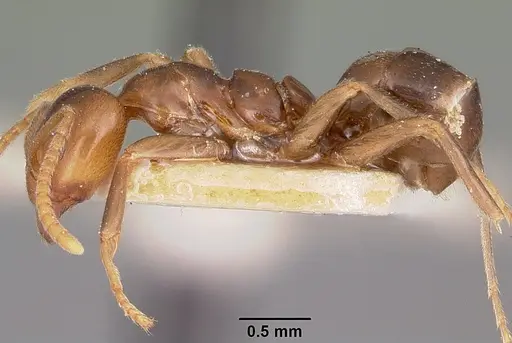
CASENT0106012
View on AntWeb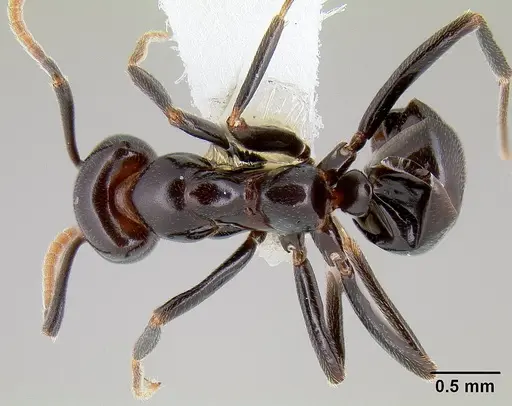
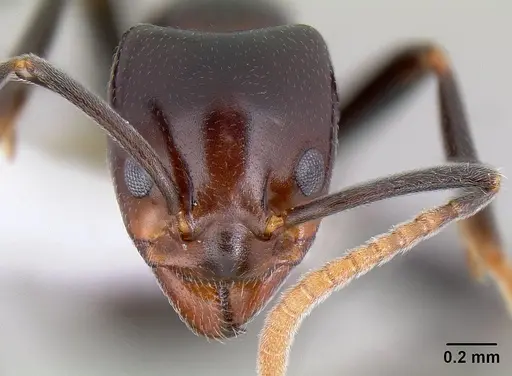
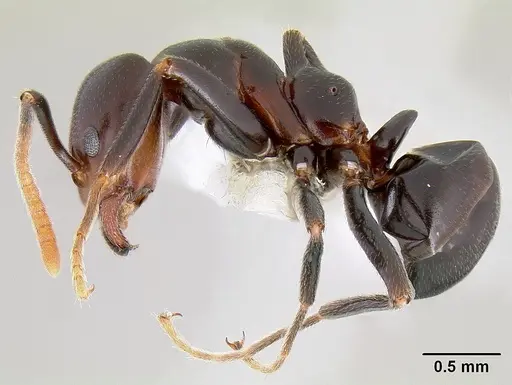
CASENT0249756
View on AntWeb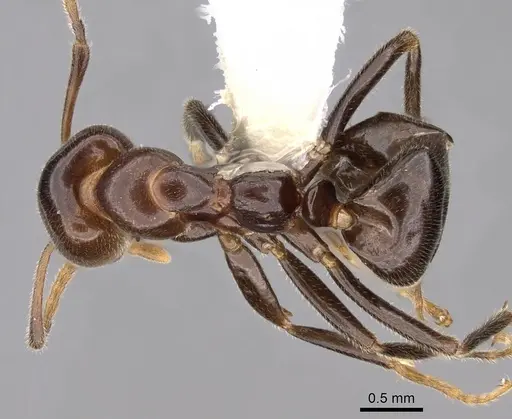
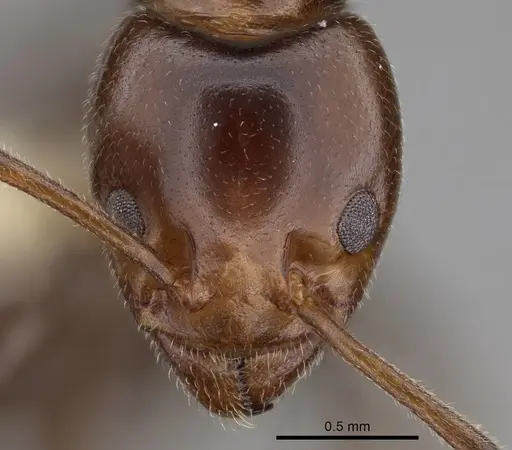
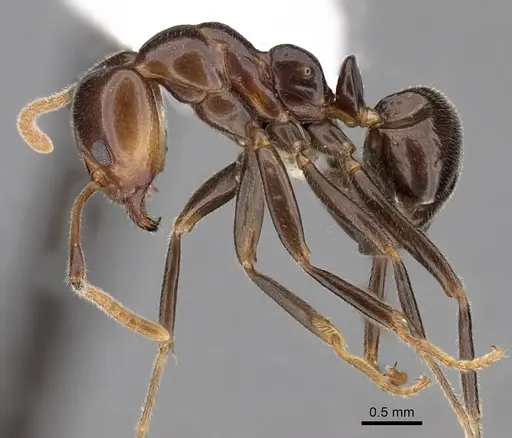
CASENT0886964
View on AntWeb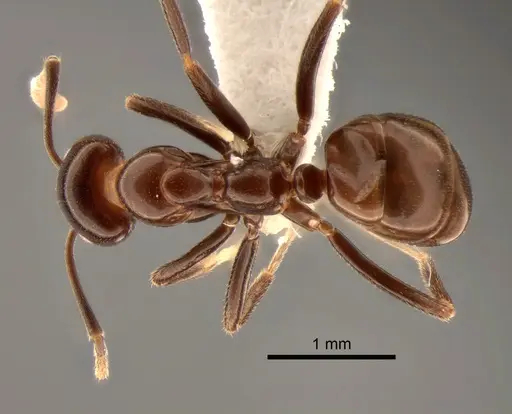
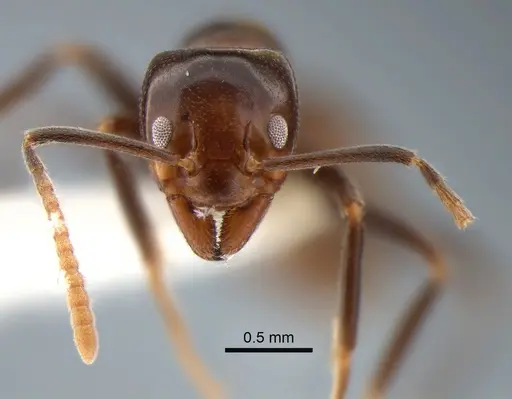
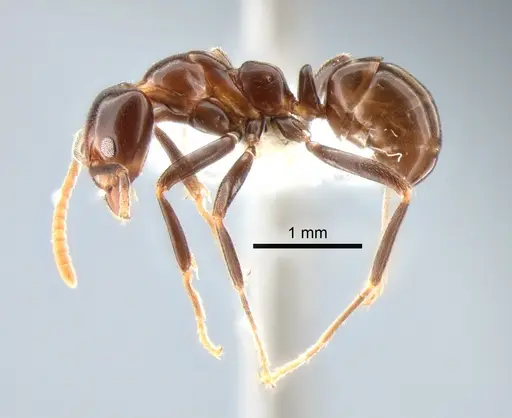
CASENT0902997
View on AntWeb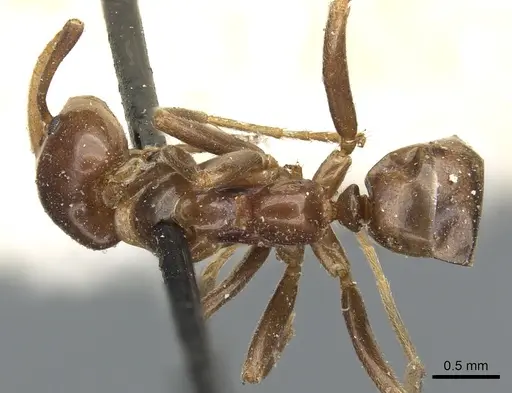
CASENT0903664
View on AntWeb
CASENT0909552
View on AntWeb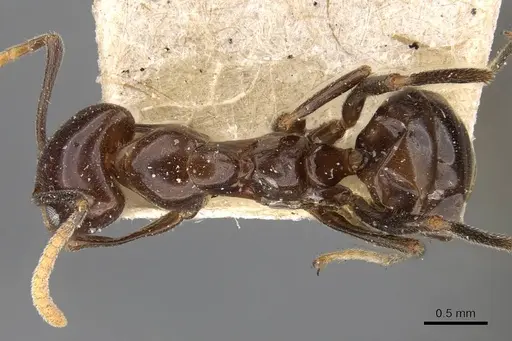
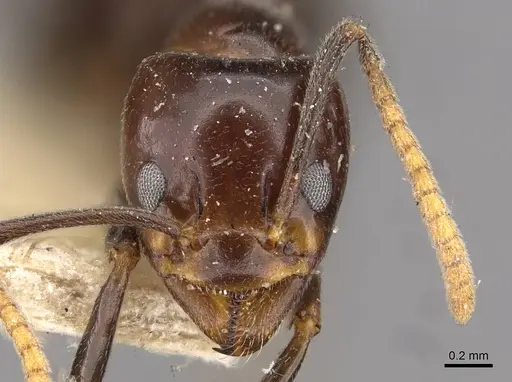
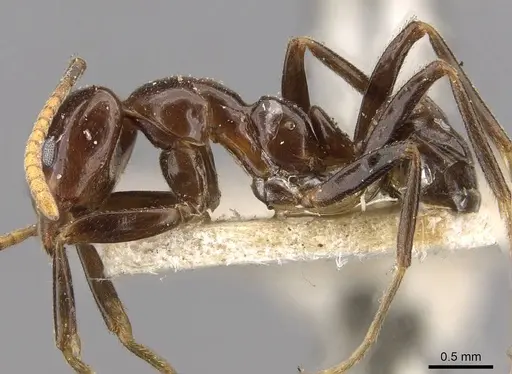
CASENT0909553
View on AntWeb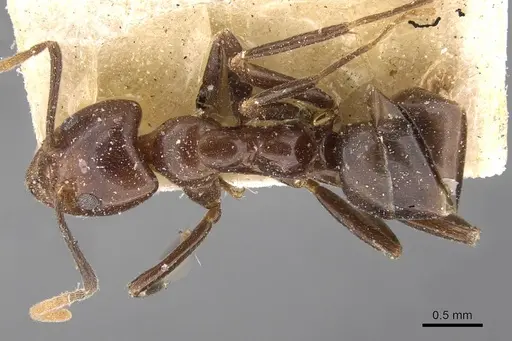
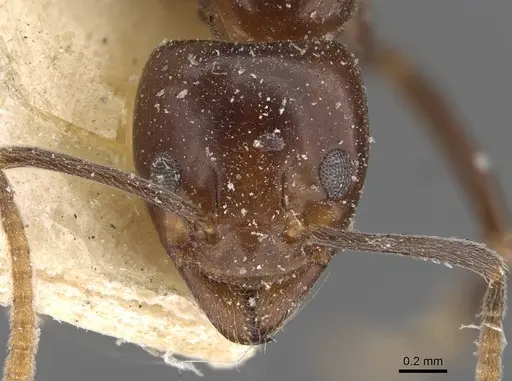
CASENT0915546
View on AntWeb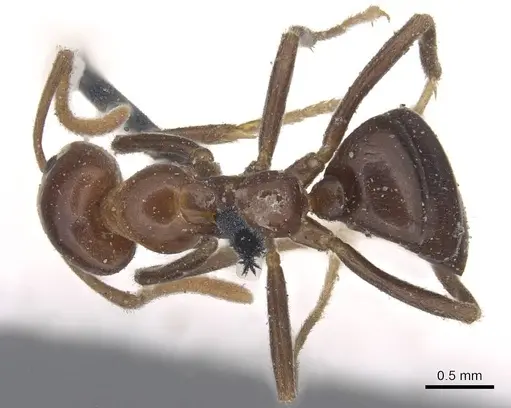
FOCOL2841
View on AntWeb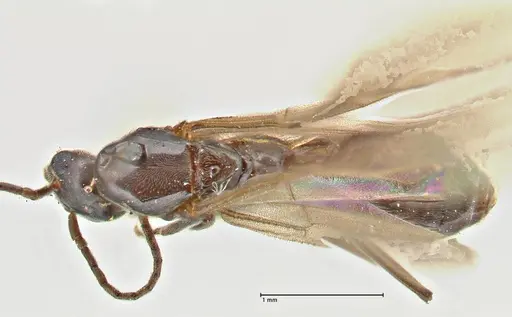
FOCOL2842
View on AntWeb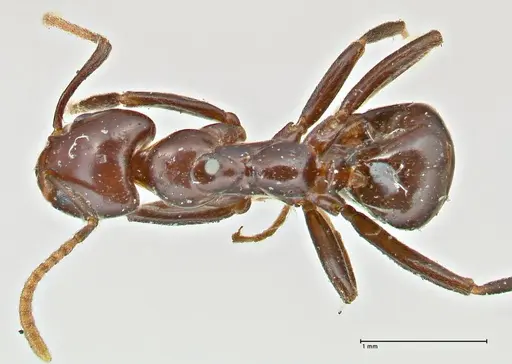
FOCOL2843
View on AntWeb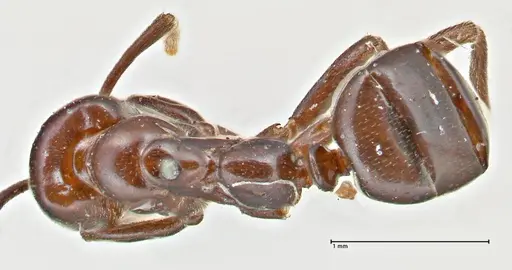
FOCOL2844
View on AntWeb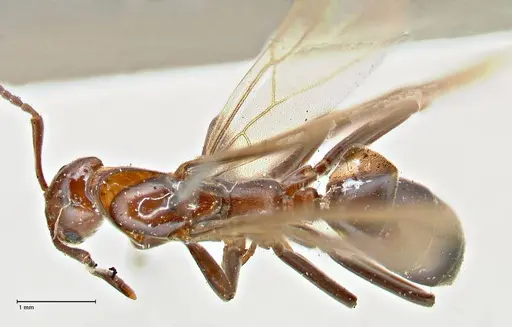
FOCOL2845
View on AntWeb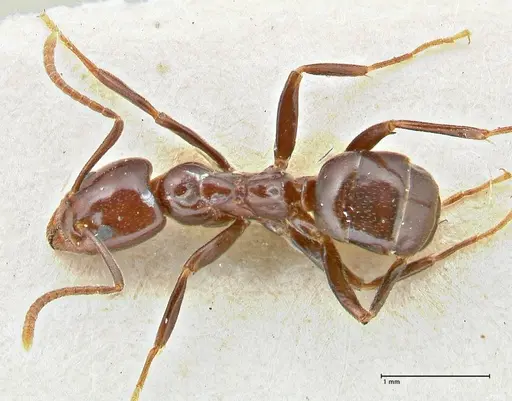
FOCOL2846
View on AntWeb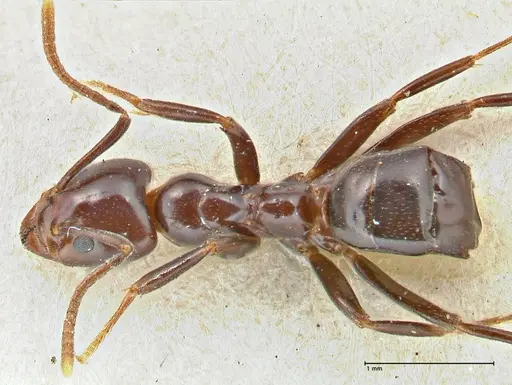
Literature
Loading...Loading products...