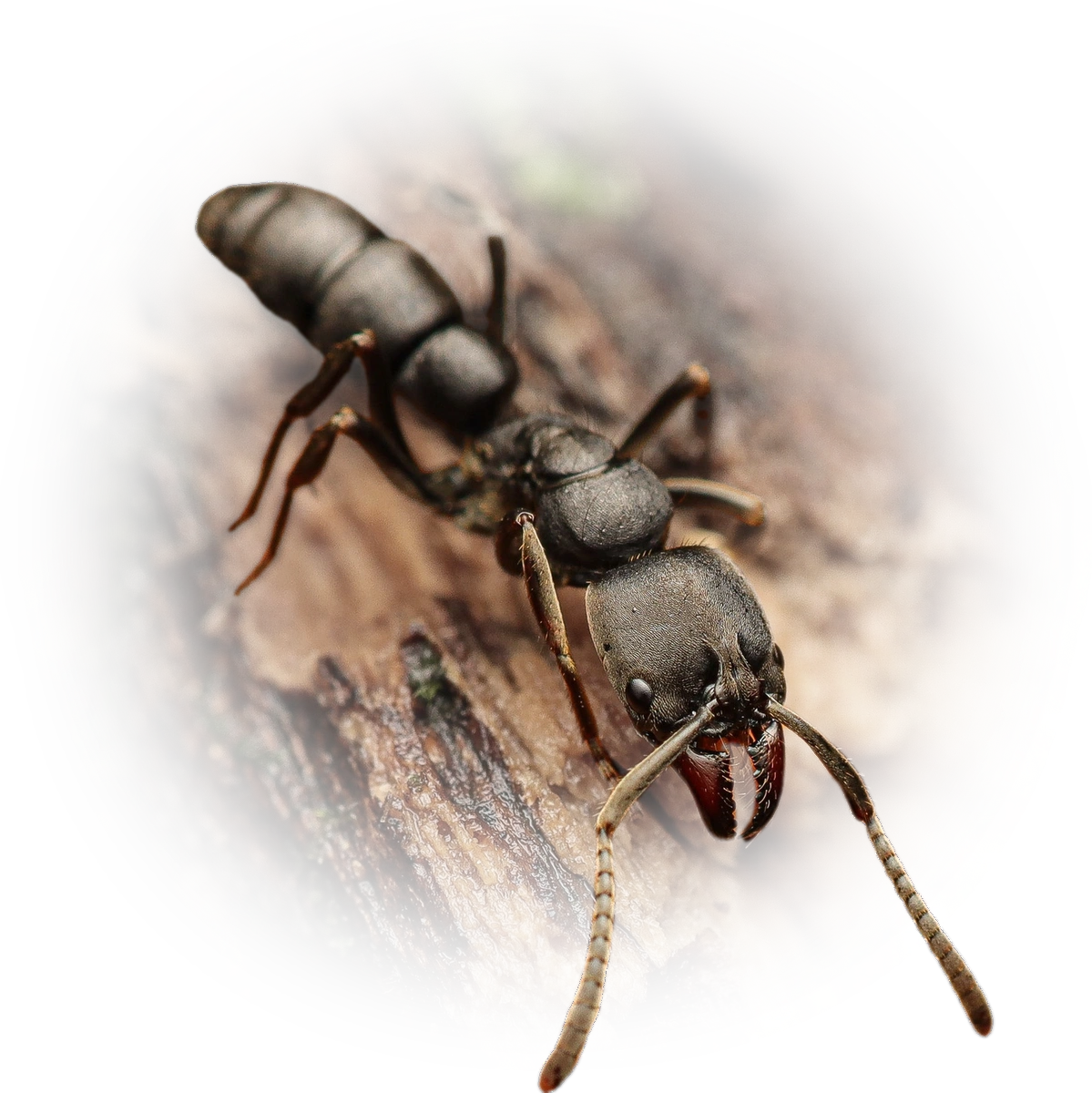

Pachycondyla impressa
- Scientific Name
- Pachycondyla impressa
- Tribe
- Ponerini
- Subfamily
- Ponerinae
- Author
- Roger, 1861
- Distribution
- Found in 10 countries
Pachycondyla impressa Overview
Pachycondyla impressa is an ant species of the genus Pachycondyla. It is primarily documented in 10 countries , including Brazil, Colombia, Costa Rica. Detailed taxonomic data and occurrence records can be further explored via authoritative databases such as AntWeb or the Global Biodiversity Information Facility (GBIF).
Pachycondyla impressa
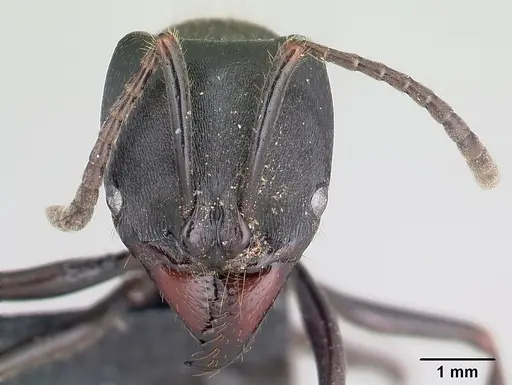
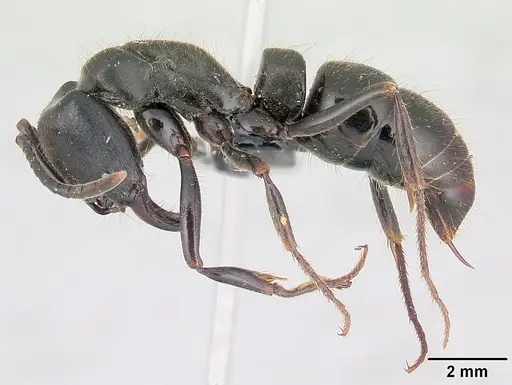
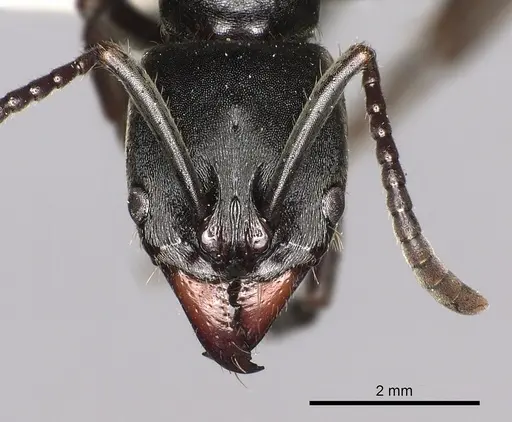
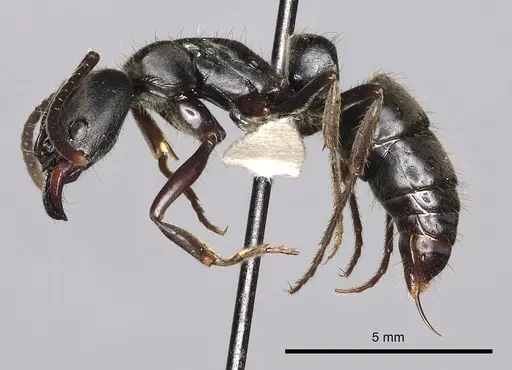
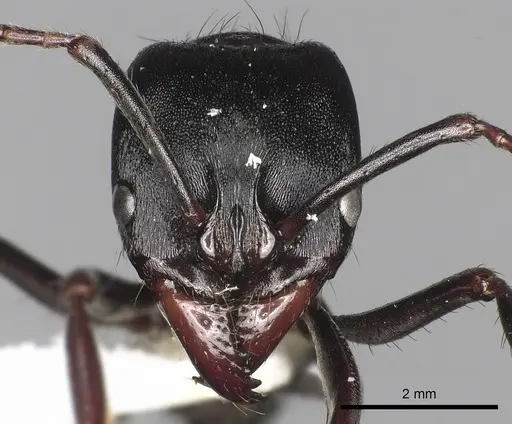
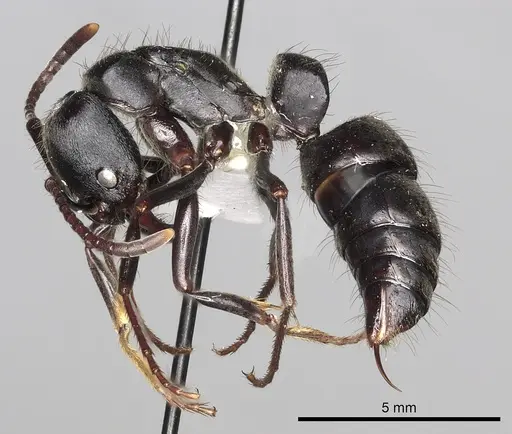
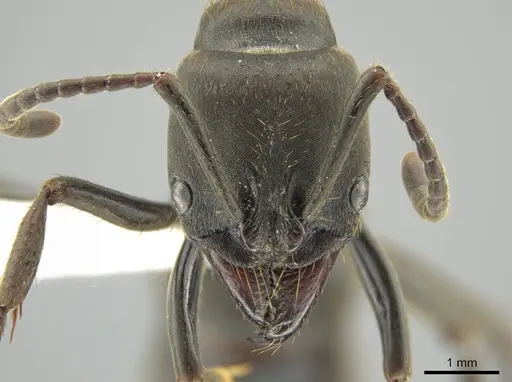
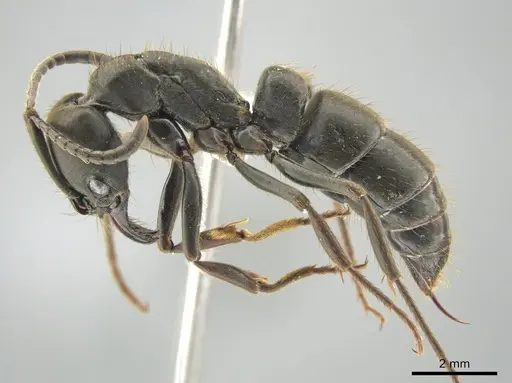
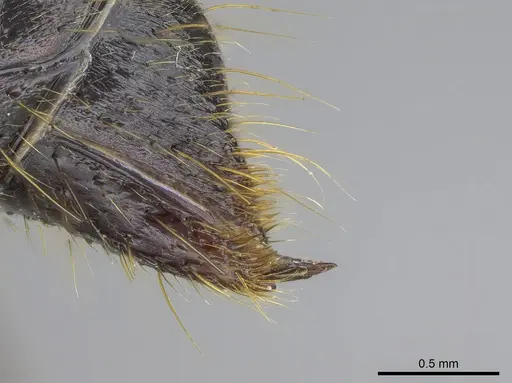
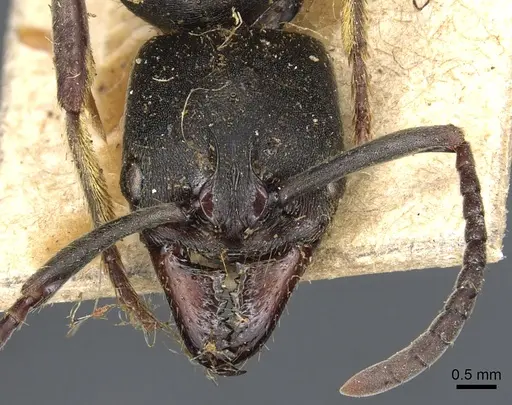
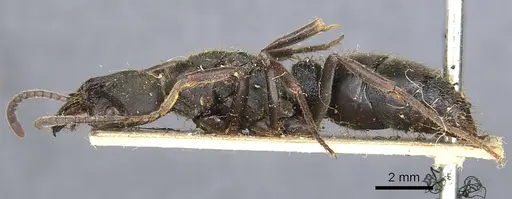
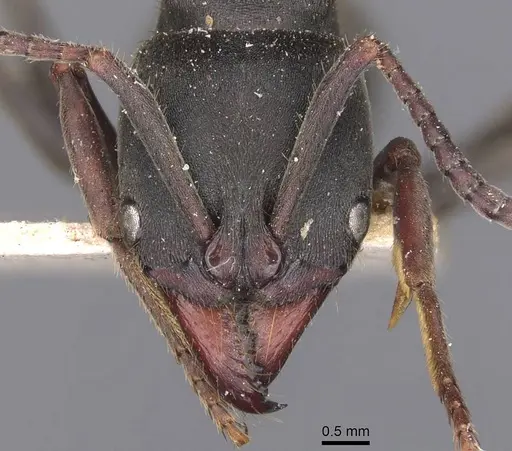
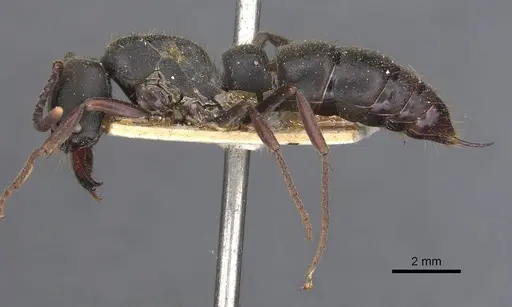
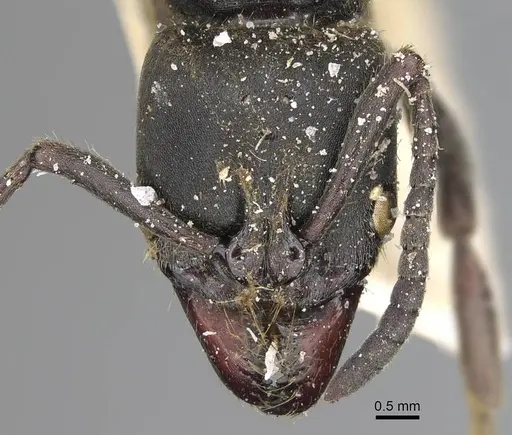
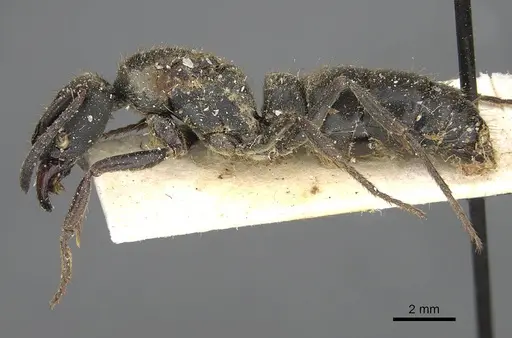
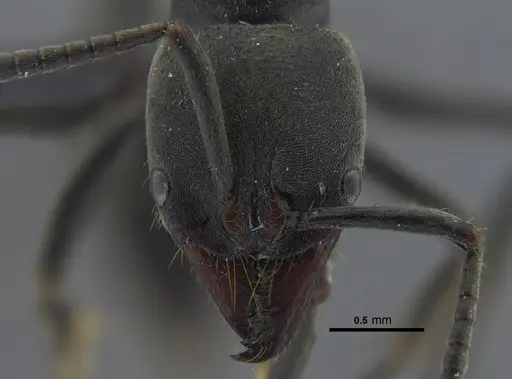
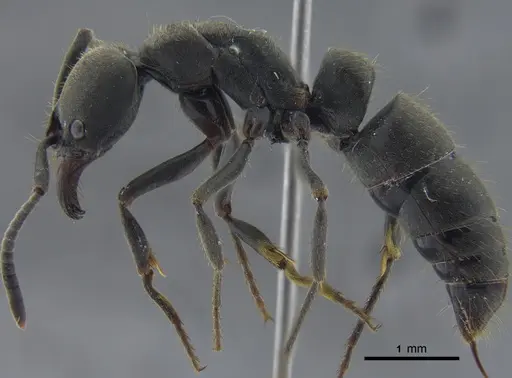
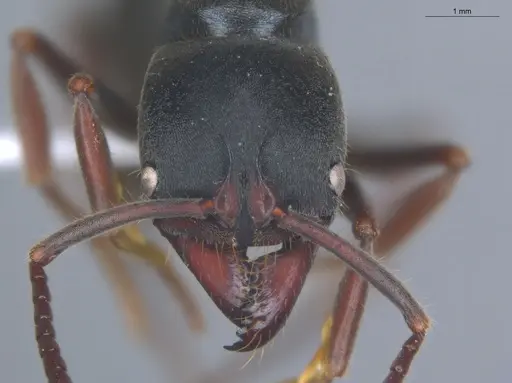
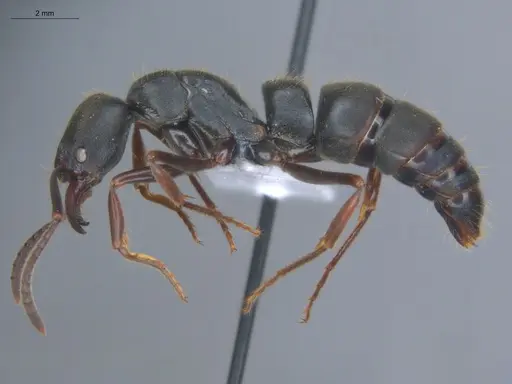
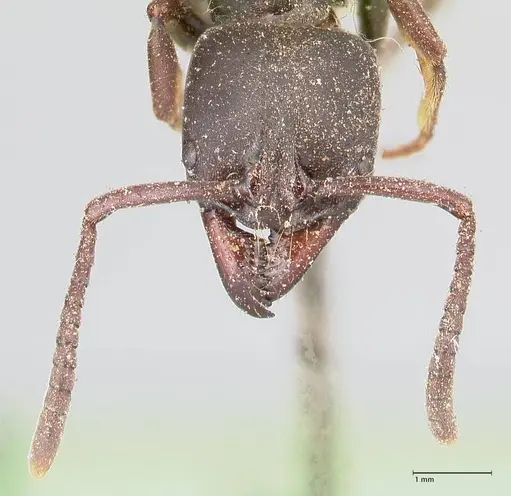
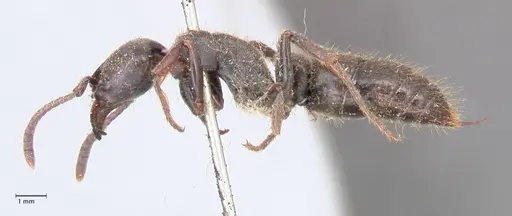
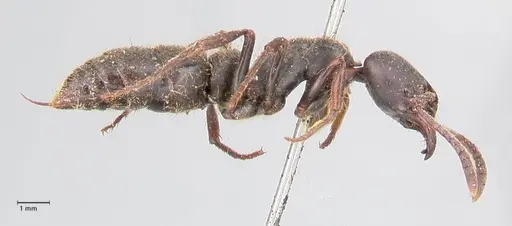
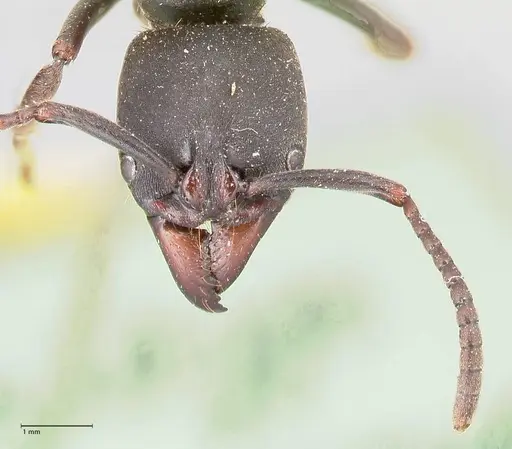
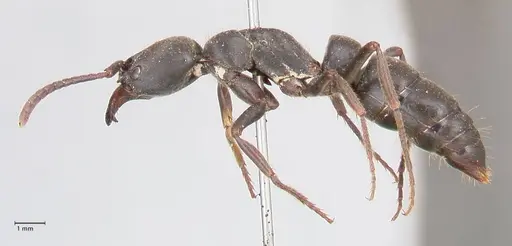
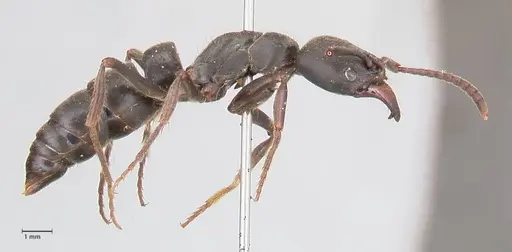
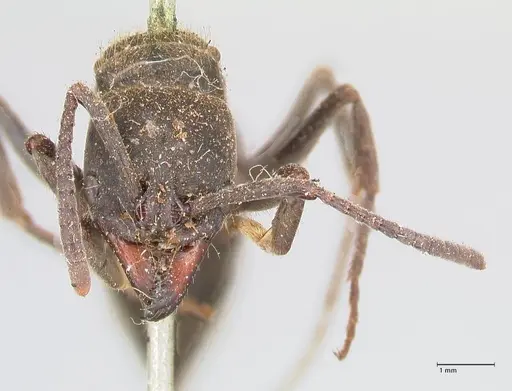
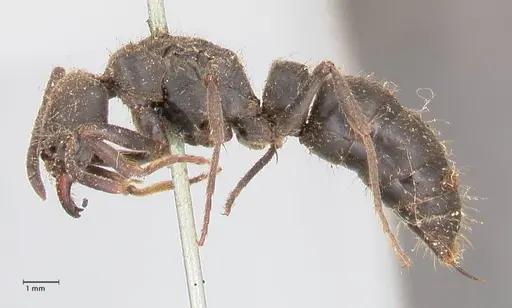
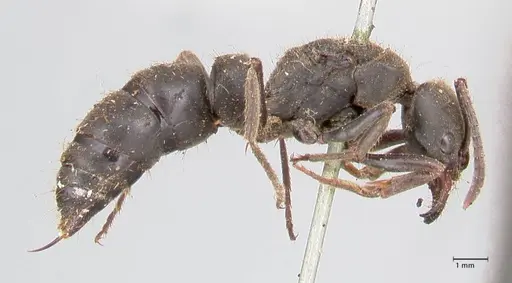
Pachycondyla impressa is a large predatory ant species native to Central and South America, ranging from Mexico down to southern Brazil [1]. Workers are impressively sized at around 11mm, with a robust black body and reddish-brown appendages. The species gets its scientific name from the Latin word 'impressio' meaning 'pressing into, ' referring to its distinctive depressed pygidium (the rear section of the body) [2]. These ants have dull, punctate body surfaces rather than the shiny appearance found in similar species, and their pronotal shoulders are rounded rather than sharply defined. Queens are even larger at approximately 16mm and possess fully developed ocelli. This is a generalist predator that hunts alone through leaf litter and soil, using its stinger to subdue prey. Colonies are relatively small, typically containing fewer than 500 workers [3].
Quick Summary
- Difficulty: Medium
- Origin & Habitat: Native to the Neotropical region, found from Mexico through Central America to southern Brazil, including Colombia (the type locality), Costa Rica, Ecuador, Peru, Venezuela, and Trinidad [1][4]. Inhabits a wide range of elevations from 10 to 2350 meters, including lowland rainforests, cloud forests, tropical dry forests, cacao plantations, and montane hardwood forests [2].
- Colony Type: Colony structure is not well documented in scientific literature. Nests have been found in rotting logs and under stones, with colonies containing relatively few individuals (under 500 workers) [3]. The presence of ergatoid (wingless) replacement reproductives has not been specifically documented for this species.
- Colony: Monogyne
- Size & Growth:
- Queen: Approximately 16mm [2]. This is an estimate based on species description.
- Worker: Approximately 11mm total length [2]. This is an estimate based on species description.
- Colony: Up to approximately 500 workers [3]. This is an estimate based on colony studies.
- Growth: Moderate, based on typical Pachycondyla development patterns.
- Development: Estimated 8-12 weeks at tropical temperatures (around 24-26°C). This is inferred from genus-level data. (Development time is estimated based on typical Ponerinae patterns. Brood has been observed in nests during July and August, suggesting seasonal reproduction tied to wet conditions.)
- Antkeeping:
- Temperature: Keep nest area at 24-28°C. This species comes from tropical and subtropical environments with warm, stable temperatures year-round. A gentle gradient allowing workers to self-regulate is beneficial.
- Humidity: High humidity is essential, these ants inhabit forest floor environments. Keep nest substrate consistently moist but not waterlogged. The substrate should feel damp to the touch, with some drier areas available. Mist occasionally and use a water reservoir.
- Diapause: No true diapause, this is a tropical species. However, activity may slow during cooler or drier periods in captivity. No hibernation is required.
- Nesting: In nature, they nest in and under rotten logs, under stones, in bromeliads, leaf litter, and tree holes [3][2]. In captivity, a naturalistic setup with moist substrate (like a dirt farm or acrylic nest with soil) works well. Provide rotting wood pieces or cork bark as nesting material. They prefer dark, humid enclosed spaces.
- Behavior: Pachycondyla impressa is an alert, fast-moving predator that forages alone or in small groups (tandem running) through leaf litter [5]. Workers are generalist predators, hunting various small invertebrates. They are not aggressive toward humans but possess a functional stinger in the Ponerinae subfamily, expect a painful sting if handled roughly. Escape prevention is important as they are active and quick. They are attracted to protein baits like peanut butter in the wild [2].
- Common Issues: fungal parasitism, this species is known to be infected by Ophiocordyceps fungi in the wild, which can be fatal in captivity if conditions are too humid and stagnant, small colony size means slower population growth, don't expect rapid expansion, escape risk, workers are fast and alert, requiring secure barriers, parasitoid flies, Apocephalus phorid flies are known parasites that can attack foragers, overheating, being from forest floor, they prefer stable temperatures without direct heat sources drying out their nest
Housing and Nest Setup
Pachycondyla impressa is a forest-floor species that requires a humid, dark nesting environment. In the wild, they nest in rotting logs, under stones, in bromeliads, and within leaf litter [3]. For captivity, a naturalistic setup works best, a dirt-based formicarium or acrylic nest filled with moist soil-type substrate. Add pieces of rotting wood, cork bark, or similar materials for them to nest in. The nest chamber should be dark and enclosed. Keep the outworld separate but connected, with a water tube for humidity. Because they forager through leaf litter, a deeper substrate (at least 5-8cm) allows them to hunt and explore naturally. Escape prevention is critical, these ants are fast and will exploit any gaps. Use fluon on tube connections and ensure all openings are sealed.
Feeding and Diet
This is a generalist predator that hunts various small invertebrates in nature [6]. In captivity, offer a varied protein diet: small crickets, mealworms, fruit flies, and other appropriately-sized live prey. They will accept dead prey but hunting behavior is more engaging to observe. They are attracted to peanut butter baits in the wild [2], suggesting they can accept some carbohydrate sources, but protein is the primary dietary need. Feed prey items 2-3 times per week, adjusting based on colony size and consumption. Remove uneaten prey after 24-48 hours to prevent mold. A small dish of sugar water or honey can be offered occasionally but is not required.
Temperature and Humidity
Being a Neotropical species, Pachycondyla impressa requires warm, humid conditions. Keep the nest area at 24-28°C with minimal fluctuations. Room temperature in most homes (20-24°C) may be slightly cool, consider a gentle heat source like a heating cable on one side of the nest to create a gradient. Humidity is critical, maintain substrate moisture at all times. The forest floor environment they inhabit is consistently damp. Use a water tube or mist regularly to keep conditions humid. Avoid both drying out the nest and allowing stagnant, mold-prone conditions. Good ventilation while maintaining humidity is key, small holes or mesh in the outworld help without causing excessive drying. [3][1]
Behavior and Temperament
Workers are described as alert and fast-moving [2]. They forage singly or in small groups through leaf litter, hunting various small invertebrates [5]. This is not an aggressive species toward humans, but they possess a functional stinger as members of the Ponerinae subfamily. If threatened or handled roughly, they may sting, which causes moderate pain. The sting is not dangerous to healthy humans but can be irritating. In the colony, workers are typically calm and go about their business. They are not territorial or overly defensive at the nest entrance. Observe their hunting behavior, it's fascinating to watch these large predators stalk and capture prey. They may form small hunting trails when food is discovered.
Health and Parasites
Pachycondyla impressa faces several parasite threats in the wild that can affect captive colonies. They are known to be parasitized by the fungal pathogen Ophiocordyceps evansii [7], and also by Ophiocordyceps australis s.l. in the Amazon [5]. These fungi manipulate ant behavior before killing the host. Additionally, they are parasitized by Apocephalus phorid flies, which are known as head-decapitating flies [2]. To minimize disease risk, maintain clean enclosures, remove uneaten prey promptly, ensure good ventilation without drafts, and avoid overly humid stagnant conditions that promote fungal growth. Quarantine any wild-caught colonies before introducing them to established setups. If you notice workers acting strangely or dying in unusual numbers, fungal infection may be the cause.
Colony Growth and Development
Colonies remain relatively small compared to many common ant species, typically reaching under 500 workers [3]. Growth rate is moderate. Brood has been observed in nests during July and August in Costa Rica, and in January in Panama [2], suggesting reproduction may be tied to wet seasons in their native range. Queens are large (approximately 16mm) and likely claustral, sealing themselves in to raise the first workers. The founding stage may take several months. Once established, expect slow but steady growth. First workers (nanitics) will be smaller than mature workers. Be patient, Pachycondyla colonies do not explode in numbers like some faster-growing species. Focus on maintaining stable conditions rather than pushing for rapid growth.
Frequently Asked Questions
How long does it take for Pachycondyla impressa to produce first workers?
Based on typical Ponerinae development, expect 8-12 weeks from egg to worker at optimal temperatures (24-28°C). The exact timeline is not scientifically documented for this species, so this is an estimate based on genus-level patterns.
What do Pachycondyla impressa eat?
They are generalist predators that hunt small invertebrates. In captivity, feed them appropriately-sized live or dead prey such as crickets, mealworms, fruit flies, and other small insects. They may occasionally accept sugar sources like honey water, but protein is their primary food need.
How big do Pachycondyla impressa colonies get?
Colonies are relatively small, typically reaching under 500 workers [3]. They do not form large supercolonies like some ant species.
What temperature do Pachycondyla impressa need?
Keep them warm at 24-28°C. This tropical species prefers stable, warm conditions typical of forest floor environments in Central and South America.
Do Pachycondyla impressa need hibernation?
No, they do not require hibernation. This is a tropical species that remains active year-round in its native habitat. However, activity may slow during cooler periods in captivity.
What humidity level do Pachycondyla impressa need?
High humidity is essential. Keep the nest substrate consistently moist but not waterlogged. These ants inhabit damp forest floor environments. Mist occasionally and use a water reservoir to maintain humidity.
Are Pachycondyla impressa good for beginners?
This species is rated as medium difficulty. While rewarding to keep, they require specific humidity and temperature conditions that may be challenging for complete beginners. Their small colony size and slower growth also require patience. They are best suited for keepers who can maintain stable, humid conditions.
Why are my Pachycondyla impressa dying?
Common causes include fungal infection (watch for unusual worker behavior or deaths), improper humidity (too dry or too stagnant), temperatures outside their preferred range, or parasite attack. Ensure good ventilation, proper moisture levels, and clean feeding practices. Wild-caught colonies may carry parasites that manifest in captivity.
References

This caresheet is licensed under CC BY-SA 4.0 .
ANTWEB1041412
View on AntWeb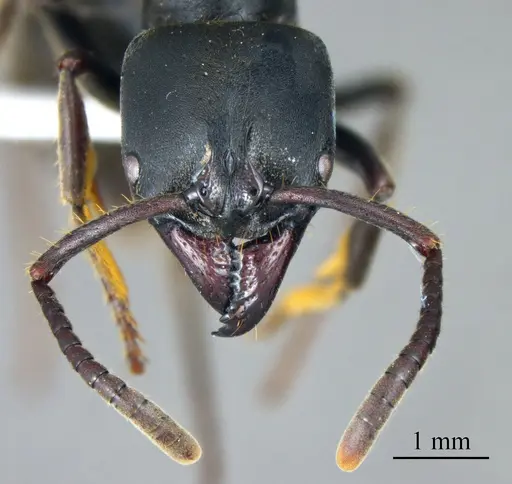
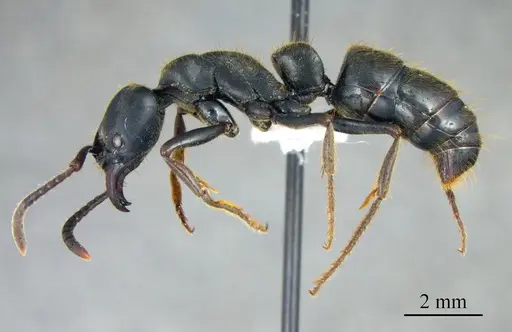
CASENT0178689
View on AntWeb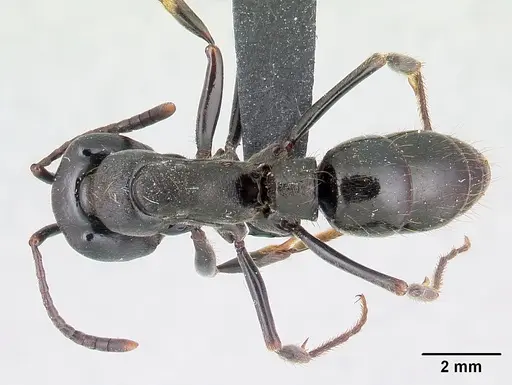
CASENT0249151
View on AntWeb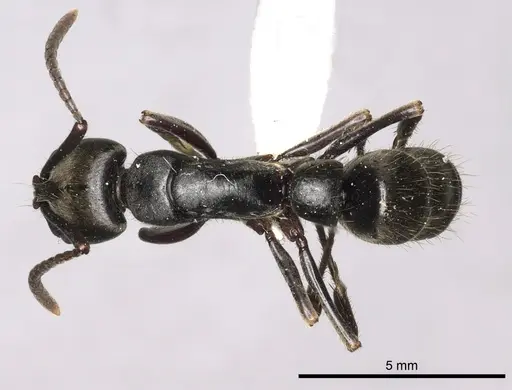
CASENT0249161
View on AntWeb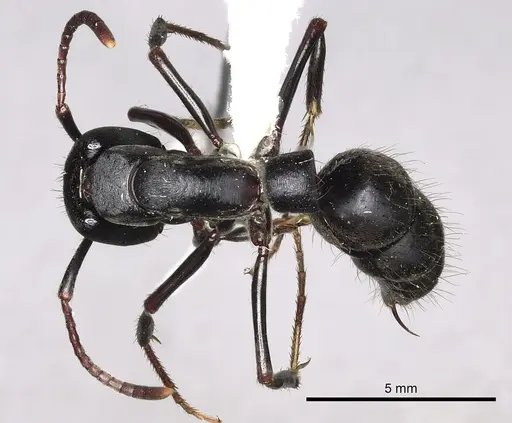
CASENT0636810
View on AntWeb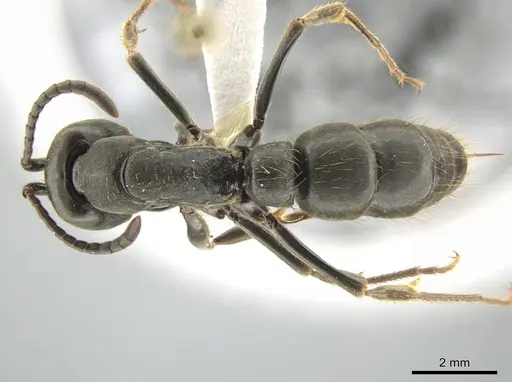
CASENT0872958
View on AntWeb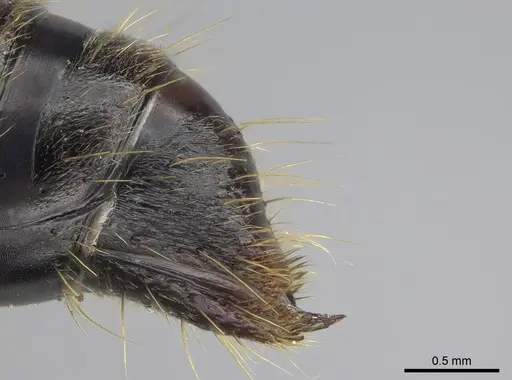
CASENT0903887
View on AntWeb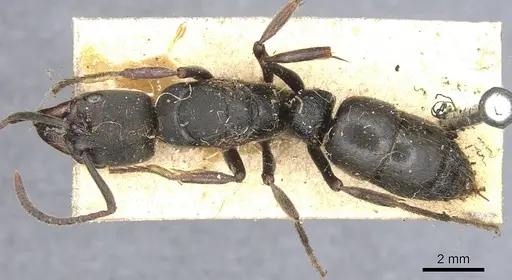
CASENT0907249
View on AntWeb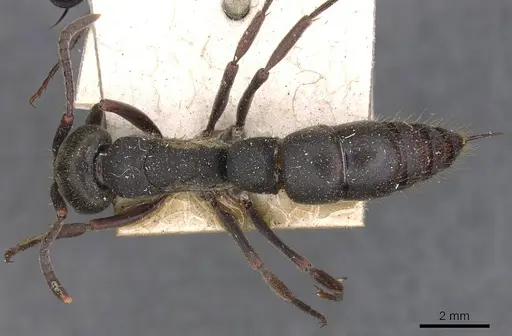
CASENT0922392
View on AntWeb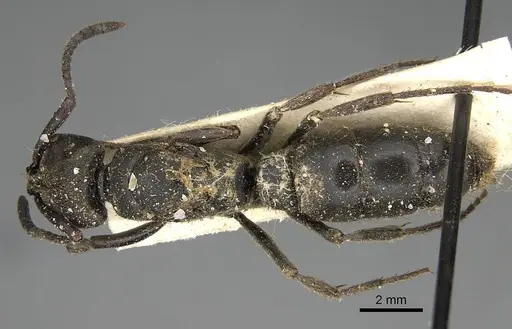
CBUMAGENT41729
View on AntWeb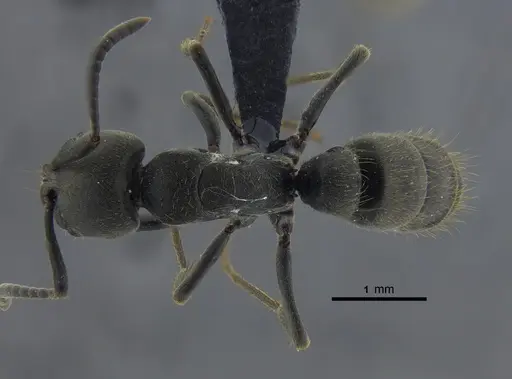
ECOFOG-IT14-0286-08
View on AntWeb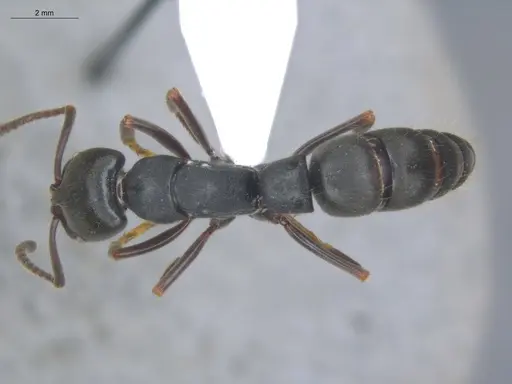
FOCOL0951
View on AntWeb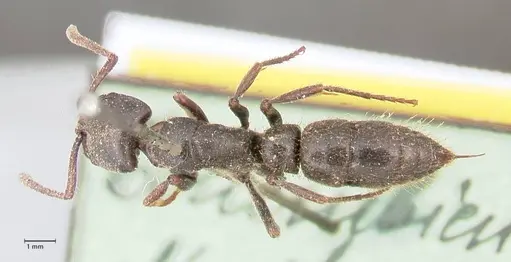
FOCOL0952
View on AntWeb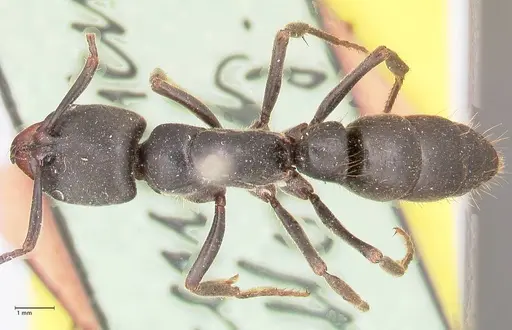
FOCOL0953
View on AntWeb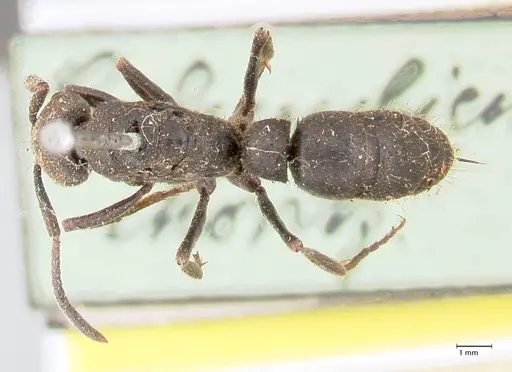
Literature
Loading...Loading products...