

Oxyepoecus rastratus
- Scientific Name
- Oxyepoecus rastratus
- Tribe
- Solenopsidini
- Subfamily
- Myrmicinae
- Author
- Mayr, 1887
- Distribution
- Found in 3 countries
Oxyepoecus rastratus Overview
Oxyepoecus rastratus is an ant species of the genus Oxyepoecus. It is primarily documented in 3 countries , including Bolivia, Plurinational State of, Brazil. Detailed taxonomic data and occurrence records can be further explored via authoritative databases such as AntWeb or the Global Biodiversity Information Facility (GBIF).
Oxyepoecus rastratus
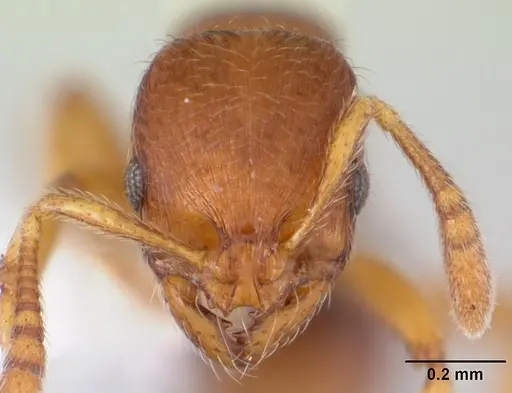
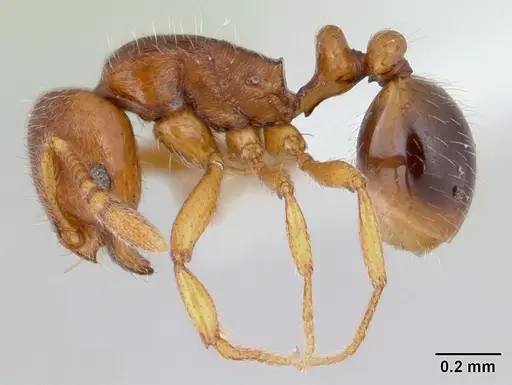
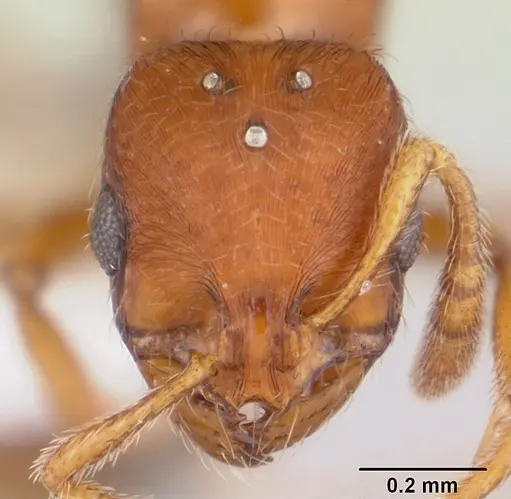
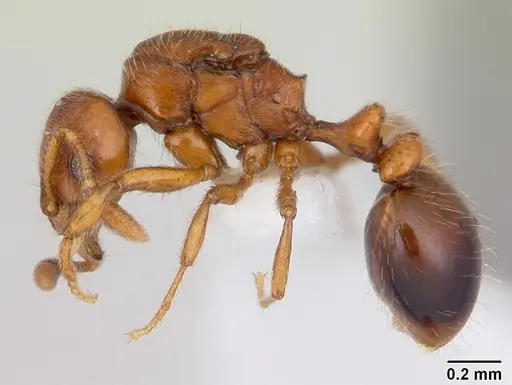
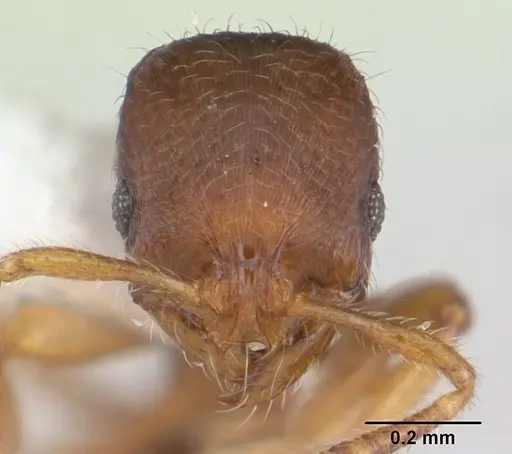
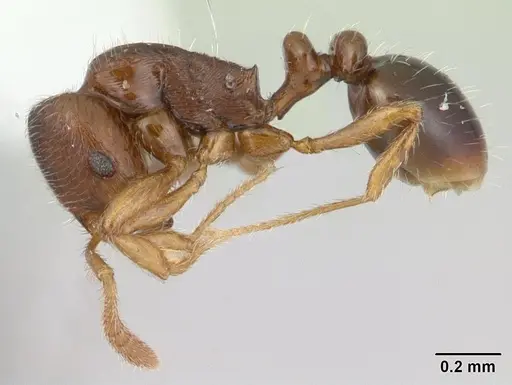
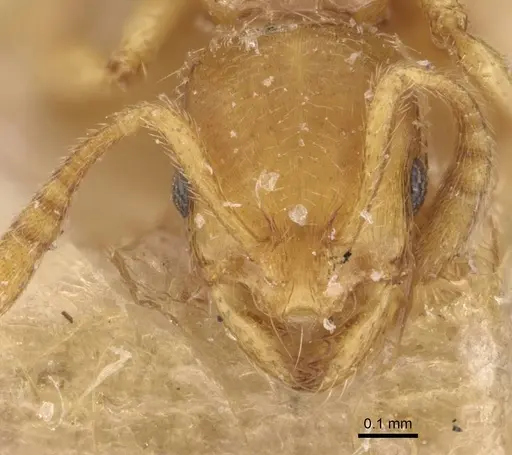
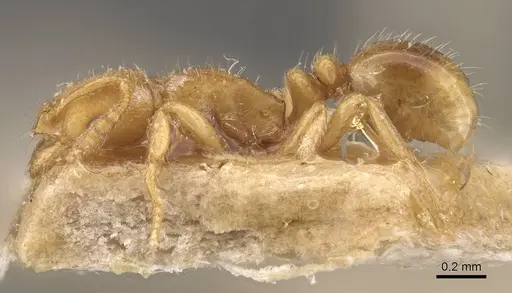
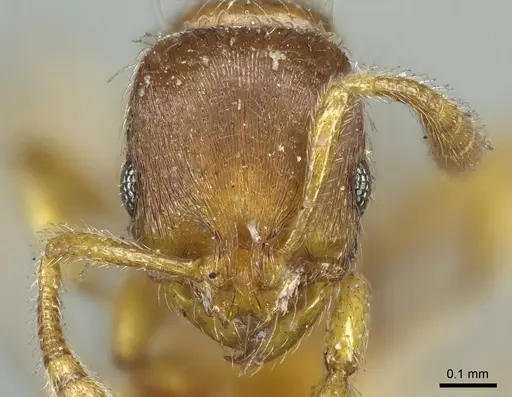
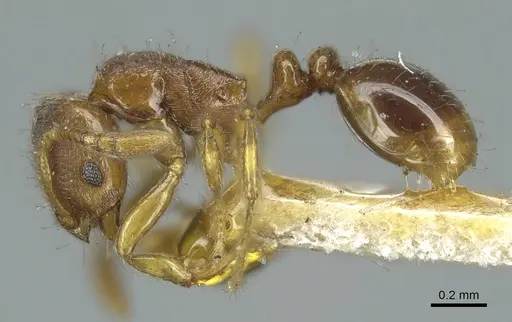
Oxyepoecus rastratus is a tiny cryptic ant species native to southeastern South America, measuring just 2.2-2.8mm for workers and 2.7-3.2mm for queens [1]. Workers have a distinctive reddish-yellow to chestnut brown coloration with intricate costulate (grooved) sculpture on the head that extends to the compound eyes and back to the vertex, this is the key identifying feature of the species [1][2]. They belong to the Solenopsidini tribe, making them distant relatives of fire ants, though much smaller and far less aggressive. This species is a habitat specialist found exclusively in primary Atlantic Forest, with records from Brazil's Paraná, Santa Catarina, Espírito Santo, Minas Gerais, Rio de Janeiro, São Paulo, and eastern Paraguay [1][2]. They nest in decaying logs on the forest floor, living in small chambers within rotting wood [2].
Quick Summary
- Difficulty: Medium
- Origin & Habitat: Southeastern South America (Brazil and Paraguay), primary Atlantic Forest specialist [3][4]. Found in humid subtropical tall forest and associated with decaying logs on the forest floor [2].
- Colony Type: Single-queen colonies are documented, a dealate queen was found in a nest chamber with workers [2]. Colony size appears small based on limited field observations.
- Colony: Monogyne
- Size & Growth:
- Queen: 2.7-3.2 mm [5]
- Worker: 2.2-2.8 mm [1]
- Colony: Unknown, field records show small colonies with 7 workers + queen in a single chamber [2]
- Growth: Unknown, likely slow to moderate based on small colony sizes
- Development: Unknown, no direct studies on development time (Development timeline has not been documented in scientific literature. Estimates based on related Solenopsidini suggest 6-10 weeks at optimal temperature, but this is speculative.)
- Antkeeping:
- Temperature: Keep at 22-26°C, they inhabit warm, humid Atlantic Forest regions of Brazil [2]. A gentle temperature gradient is recommended.
- Humidity: High humidity required, they nest in rotting wood in humid forests. Keep nest substrate consistently moist but not waterlogged. Aim for 70-80% relative humidity.
- Diapause: No, being from tropical/subtropical Brazil, they do not require hibernation. Maintain consistent temperatures year-round.
- Nesting: Rotting wood nesting specialist, they inhabit chambers within decaying logs on the forest floor [2]. In captivity, they do well in naturalistic setups with rotten wood pieces or a Y-tong/plaster nest with high humidity. Avoid dry conditions.
- Behavior: This is a cryptic, slow-moving ant species that forages in leaf litter. Workers are small and non-aggressive, they lack a functional stinger large enough to penetrate human skin. They are considered specialized feeders [6]. Escape prevention is critical due to their tiny 2-3mm size, use fine mesh barriers. They are shy and will avoid confrontation, making them a peaceful colony resident.
- Common Issues: tiny size means escapes are likely without fine mesh barriers, primary forest specialist may not tolerate suboptimal conditions, they are sensitive to habitat degradation, small colony sizes in nature suggest they may be slow to establish in captivity, high humidity requirements can lead to mold issues if ventilation is poor, specialized habitat needs mean they may not adapt well to test tube setups designed for more generalist ants
Natural History and Distribution
Oxyepoecus rastratus is found exclusively in primary Atlantic Forest habitats across southeastern Brazil (Paraná, Santa Catarina, Espírito Santo, Minas Gerais, Rio de Janeiro, São Paulo) and eastern Paraguay [1][2]. This is a habitat specialist, research shows they are never found in secondary forest, pine plantations, or degraded areas [3][4][7]. They occupy at least 7 distinct regions in primary forest but are completely absent from secondary growth [3]. The species was once considered restricted to eastern Paraguay and southern-southeastern Brazil, but discoveries in western Paraguay have extended their known range by nearly 700km [2]. They appear to tolerate some variation in biome type, with specimens collected in both humid subtropical tall forest and dry Chaco regions [2]. In Brazil, they are often collected from leaf-litter samples using Winkler extractors, indicating they forage in the forest floor layer.
Nesting Preferences
In the wild, Oxyepoecus rastratus nests exclusively within decaying logs on the forest floor [2]. A Paraguay collection documented a nest in red rotting log where one chamber was uncovered containing a dealate queen and brood [2]. The wood was described as too hard for full excavation, suggesting these ants carve small chambers in moderately decayed wood. They have also been collected from leaf-mold berlesates, indicating they foraged in the upper soil layers [5]. For captive care, a naturalistic setup with pieces of rotting wood or a Y-tong/plaster nest with high humidity works best. They need tight chambers scaled to their tiny 2-3mm size. Test tube setups can work if kept humid, but these ants prefer the texture of real wood. Avoid dry conditions entirely, this is a species that absolutely requires moisture.
Feeding and Diet
Oxyepoecus rastratus is described as having specialized feeding habits within its genus [6]. As a member of the Solenopsidini tribe (relatives of fire ants), they are likely omnivorous but may prefer protein sources. In the wild, they forage in leaf litter where they probably hunt small invertebrates and collect honeydew from aphids or scale insects. For captive colonies, offer small protein sources like fruit flies, pinhead crickets, or mealworm pieces. They are tiny ants, so prey items must be appropriately sized. Sugar water or honey can be offered occasionally, though acceptance may vary. Feed small amounts every 2-3 days and remove uneaten food to prevent mold in their humid environment.
Temperature and Care
Being from southeastern Brazil's Atlantic Forest region, these ants prefer warm, stable temperatures in the 22-26°C range [2]. The Atlantic Forest is a humid subtropical/tropical environment, so they need consistent warmth without temperature swings. A heating cable on one side of the nest can create a gentle gradient, but ensure humidity doesn't evaporate too quickly. Never let temperatures drop below 18°C for extended periods. Since they don't require hibernation, maintain year-round warmth. The key challenge is balancing heat with humidity, too much heat dries out the nest, too little cool slows colony activity. Monitor condensation as an indicator of proper humidity levels.
Behavior and Temperament
This is a cryptic, docile ant species. Workers are small (2.2-2.8mm), slow-moving, and non-aggressive [1]. They lack a functional stinger capable of penetrating human skin, making them completely harmless to keepers. Colonies are peaceful and will retreat from threats rather than engage. They are foragers in leaf litter, searching for small prey and honeydew. Their tiny size makes them excellent escape artists, use fine mesh (at least 0.5mm) on all enclosures and apply Fluon to barrier edges. Workers may not travel far from the nest, so place food sources close to colony locations. They are shy and may take time to establish, so patience is key when starting new colonies.
Colony Establishment
Starting an Oxyepoecus rastratus colony requires patience. Queens measure 2.7-3.2mm and are dealate when found in established nests [5]. If acquiring a founding queen, she will likely seal herself in a chamber (claustral founding is typical for this tribe, though not directly documented for this species). The first workers (nanitics) will be very small and may take several months to emerge. Wild-caught colonies may contain only a few workers and a queen, these small fragment colonies grow slowly. Do not disturb founding chambers unnecessarily. Once workers arrive, growth is gradual. Expect 6-10 months to reach 20-30 workers under good conditions. They are not fast-growing ants, but can live for several years with proper care.
Frequently Asked Questions
How long does it take for Oxyepoecus rastratus to produce first workers?
The exact egg-to-worker timeline is unconfirmed for this species. Based on related Solenopsidini ants, expect 6-10 weeks at optimal temperature (24-26°C), but this is an estimate. Founding colonies may take several months to produce their first nanitics due to the small colony size and likely slow development.
Can I keep Oxyepoecus rastratus in a test tube setup?
Test tubes can work but are not ideal, these ants naturally nest in rotting wood and prefer higher humidity than typical test tube setups provide. If using test tubes, keep them in a humid environment and consider adding a small piece of damp cotton or peat moss. A naturalistic setup with rotting wood or a plaster/Y-tong nest maintains humidity better.
What do Oxyepoecus rastratus eat?
They are considered specialized feeders [6]. Offer small protein sources like fruit flies, tiny crickets, or mealworm pieces. They likely also consume honeydew and sugar sources in the wild. In captivity, offer small prey items 2-3 times per week and a sugar water/honey droplet occasionally. Remove uneaten food promptly to prevent mold in their humid habitat.
Are Oxyepoecus rastratus good for beginners?
This species is rated as Medium difficulty. While they are docile and harmless, they have specific habitat requirements, being primary forest specialists, they need high humidity and may not tolerate suboptimal conditions. They also grow slowly and require excellent escape prevention due to their tiny size. Experienced antkeepers who can maintain consistent humidity will have better success.
How big do Oxyepoecus rastratus colonies get?
Colony size is not well documented in the wild. Field observations show small colonies, one nest had only 7 workers plus a queen in a single chamber [2]. In captivity, colonies likely reach several dozen to perhaps 100 workers over several years. They are not large colony builders like some Myrmicinae.
Do Oxyepoecus rastratus need hibernation?
No, being from tropical/subtropical Brazil, they do not require hibernation or winter cooling. Maintain consistent temperatures year-round in the 22-26°C range. Temperature drops below 18°C for extended periods should be avoided.
Why are my Oxyepoecus rastratus dying?
The most common causes are: 1) Low humidity, they need consistently moist conditions, not dry test tubes. 2) Temperature issues, too cold slows activity, too hot dries the nest. 3) Escape, their tiny size means they can slip through standard barriers. 4) Poor food acceptance, offer appropriately sized live prey. 5) Being a primary forest specialist, they may be sensitive to environmental changes, stability is key.
When should I move Oxyepoecus rastratus to a formicarium?
Wait until the colony has at least 20-30 workers and is actively foraging. These ants prefer naturalistic setups with rotting wood anyway, so consider a plaster or Y-tong nest with wood pieces rather than a traditional formicarium. They need high humidity, so any setup must retain moisture well.
Can I keep multiple Oxyepoecus rastratus queens together?
Not recommended, single-queen colonies are documented in the wild [2]. Combining unrelated queens has not been studied and could result in aggression. Stick to one queen per colony for best success.
References

This caresheet is licensed under CC BY-SA 4.0 .
CASENT0178099
View on AntWeb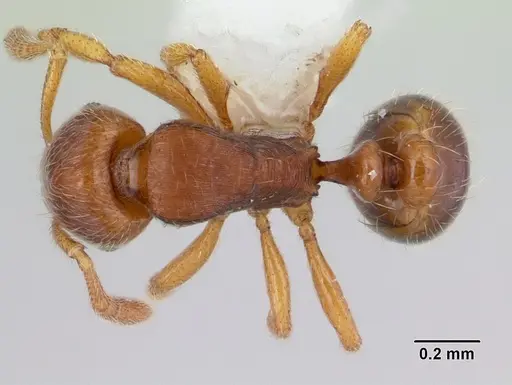
CASENT0178100
View on AntWeb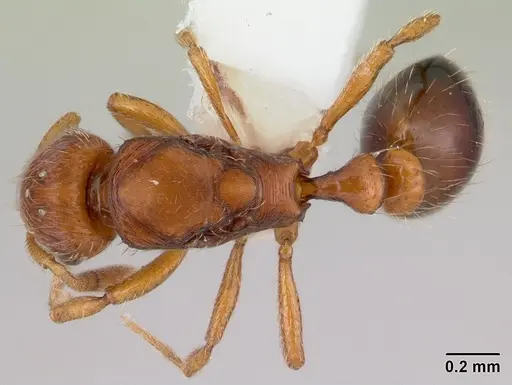
CASENT0178854
View on AntWeb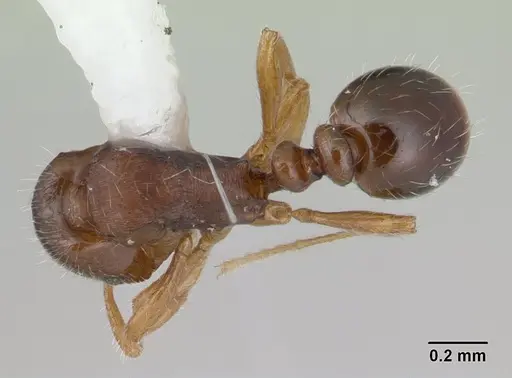
CASENT0908762
View on AntWeb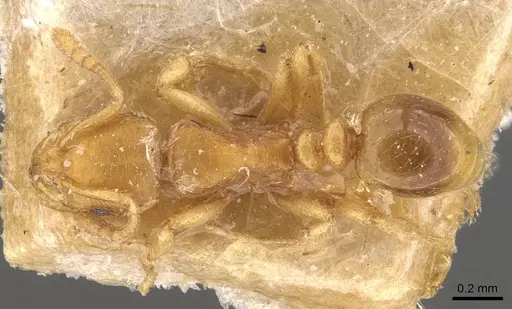
CASENT0916036
View on AntWeb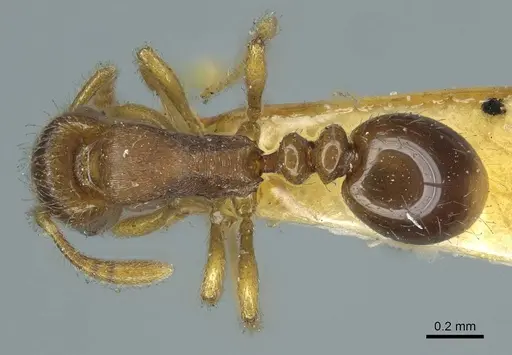
Literature
Loading...Loading products...