

Oxyepoecus ephippiatus
- Scientific Name
- Oxyepoecus ephippiatus
- Tribe
- Solenopsidini
- Subfamily
- Myrmicinae
- Author
- Albuquerque & Brandão, 2004
- Distribution
- Found in 3 countries
Oxyepoecus ephippiatus Overview
Oxyepoecus ephippiatus is an ant species of the genus Oxyepoecus. It is primarily documented in 3 countries , including Brazil, Ecuador, French Guiana. Detailed taxonomic data and occurrence records can be further explored via authoritative databases such as AntWeb or the Global Biodiversity Information Facility (GBIF).
Oxyepoecus ephippiatus
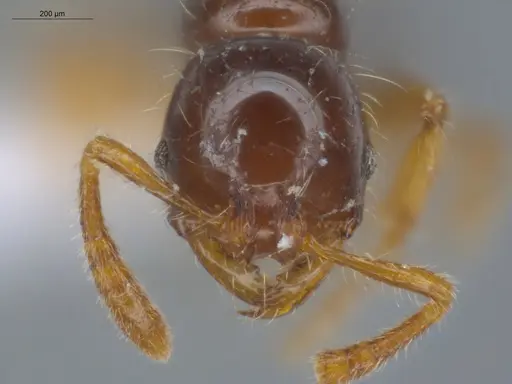
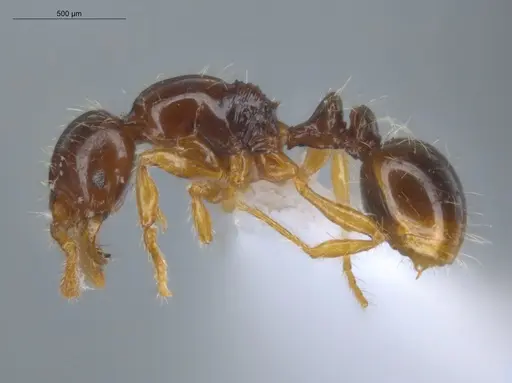
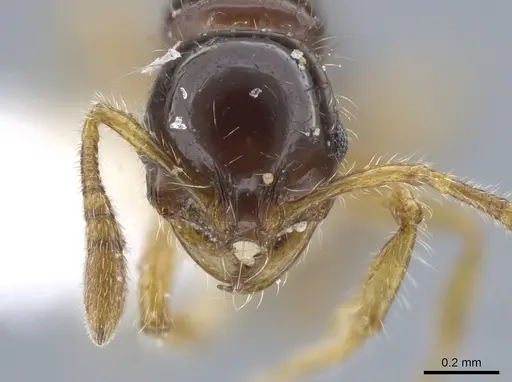
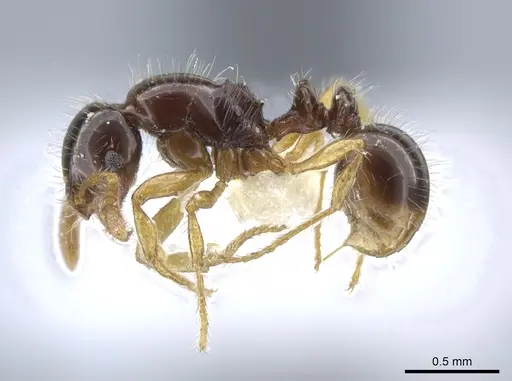
Oxyepoecus ephippiatus is a tiny Neotropical ant belonging to the Solenopsidini tribe. Workers measure just 2.57-2.62mm in total length, making them among the smaller ant species you'll encounter. They are reddish-brown in color with a remarkably distinctive feature: a saddle-shaped propodeum (the section behind the mesosoma) that sits noticeably higher than the rest of the body, this is how they got their name 'ephippiatus', from the Latin word for saddle [1]. The species was only described in 2004 and is known from just a handful of specimens collected in the Amazon basin around Manaus, Brazil [1].
This is one of the most poorly known ants in the hobby, literally nothing has been documented about their biology in the scientific literature. They are a true mystery ant, making them an exciting (if challenging) species for advanced antkeepers who enjoy discovering what makes a species tick. Based on their tiny size and leaf-litter habitat, they likely behave like other small Solenopsidini: secretive, slow-spreading colonies that prefer humid, shaded environments [2].
Quick Summary
- Difficulty: Expert
- Origin & Habitat: Amazonian lowland rainforest in Brazil (Manaus region), also recorded from Colombia, Ecuador, and French Guiana [1][2]. Collected from soil leaf litter samples using Winkler extractors.
- Colony Type: Unknown colony structure. No data exists on whether they are single-queen (monogyne) or multi-queen (polygyne), and founding behavior has never been documented.
- Size & Growth:
- Queen: 3.32mm total length [1], directly measured from type specimens
- Worker: 2.57-2.62mm total length [1], directly measured from type specimens
- Colony: Unknown, no colony samples have been studied
- Growth: Unknown
- Development: Unknown, no development data exists for this species (Based on similar tiny Solenopsidini, expect development of several months from egg to first worker. Related fire ants (Solenopsis) and thief ants take 4-8 weeks at warm temperatures, but smaller species often develop slower.)
- Antkeeping:
- Temperature: Aim for 24-28°C, warm, stable conditions matching lowland tropical rainforest. Use a heating cable on one side of the nest to create a gentle gradient.
- Humidity: Keep consistently humid, these are rainforest litter ants. Maintain moist (not waterlogged) substrate and provide a water tube. Mist occasionally and ensure good ventilation to prevent mold.
- Diapause: No, as an Amazon species, they likely remain active year-round without a winter rest period.
- Nesting: Use a small, tight chamber nest (test tube setup or Y-tong with narrow passages). Their tiny size means they need chambers scaled to their minute dimensions. A naturalistic setup with moist soil and hiding spots works well.
- Behavior: Behavior is completely unstudied. Based on their tiny size and Solenopsidini tribe membership, they are likely secretive, slow-moving, and prefer to stay hidden in the substrate. They probably forage individually in leaf litter rather than forming visible trails. Escape prevention is critical, at under 3mm, they can squeeze through remarkably small gaps. Use fine mesh and tight-fitting barriers.
- Common Issues: completely unknown biology means trial-and-error care, expect losses while learning what works, tiny size makes them vulnerable to drying out and escape through standard barriers, no established feeding protocols, you will need to experiment with what they accept, slow growth and secretive behavior can make it difficult to assess colony health, wild-caught colonies may have parasites or diseases that are impossible to treat without any species-specific knowledge
Why Keep Oxyepoecus ephippiatus?
This species represents a genuine frontier in antkeeping. Since absolutely nothing has been documented about their biology, not what they eat, how they found colonies, when they have nuptial flights, nothing, you are essentially becoming a pioneer. Every observation you make contributes to our understanding of this species. They are not for beginners or anyone who wants clear, established care protocols. But if you enjoy experimentation and discovery, this is an exciting opportunity to learn alongside your colony. The saddle-shaped propodeum also makes them visually distinctive among ant species. [1]
Housing and Setup
Given their tiny size (under 3mm), housing requires attention to scale. A test tube setup works well for founding colonies, use a small diameter tube so the water reservoir doesn't overwhelm the ants. For established colonies, a Y-tong nest with narrow chambers or a small naturalistic setup with moist soil works best. The key is creating tight spaces that make the ants feel secure while maintaining humidity. Escape prevention must be excellent, these tiny ants can slip through gaps that would hold back larger species. Use fine mesh on any ventilation holes and ensure all connections are sealed. A layer of fluon on the inner rim of the outworld helps prevent escapes.
Feeding - An Unknown Frontier
This is genuinely uncharted territory. No one has documented what Oxyepoecus ephippiatus eats in captivity. Based on their tribe (Solenopsidini), which includes fire ants and thief ants, they are likely omnivorous with a preference for small protein sources. Start with tiny live prey: springtails, fruit fly larvae, and other micro-arthropods scaled to their size. They may also accept sugar sources, though this is unconfirmed. Feed small amounts and observe carefully, with no reference data, your colony's acceptance or rejection of foods is valuable information. Remove uneaten prey after 24-48 hours to prevent mold.
Temperature and Humidity
As Amazonian rainforest litter ants, they need warm, humid conditions. Keep the nest area at 24-28°C, with a gentle gradient so workers can self-regulate. A low-wattage heating cable on one side of the nest creates this gradient effectively. Place the heating on top of the nest material, not underneath, to avoid drying it out too quickly. Humidity should be high, the substrate should feel consistently moist but never waterlogged. A water tube in the outworld provides drinking water. Good ventilation is essential to prevent mold, but avoid excessive airflow that dries the nest.
Growth Expectations
Realistic expectations are crucial with this species. Since nothing is known about their development, assume slow growth. From egg to first worker, expect 2-4 months at optimal temperature, this is a guess based on similar tiny Solenopsidini, but could be shorter or longer. Colony size will likely remain small, probably under 100 workers given their minute size. Do not expect the rapid growth seen in species like Lasius or Camponotus. Patience is essential. Document your observations carefully, this data helps the antkeeping community understand this species better.
Frequently Asked Questions
How difficult is Oxyepoecus ephippiatus to keep?
This is an expert-level species. Since absolutely nothing is known about their biology in the scientific literature, you are essentially pioneering their care. There are no established feeding protocols, development timelines, or colony management guidelines. Expect trial-and-error and potential losses while learning what works.
What do Oxyepoecus ephippiatus eat?
This has never been documented. Based on their tribe (Solenopsidini), they likely accept small protein sources like micro-arthropods. Start with springtails, fruit fly larvae, or other tiny live prey scaled to their 2.5mm size. Sugar acceptance is uncertain, offer occasionally but do not rely on it.
How big do Oxyepoecus ephippiatus colonies get?
Unknown, no colony samples have been studied. Based on their tiny worker size (under 3mm) and leaf-litter habits, they likely form small colonies of probably under 100 workers. Do not expect large colonies.
What temperature do Oxyepoecus ephippiatus need?
Aim for 24-28°C based on their Amazonian rainforest origin. Use a heating cable on one side of the nest to create a gentle gradient. They are a tropical species and likely do not tolerate cool temperatures.
Do Oxyepoecus ephippiatus need hibernation?
No, as an Amazonian species, they likely remain active year-round without a winter rest period. Maintain warm temperatures throughout the year.
How long does it take for Oxyepoecus ephippiatus to develop from egg to worker?
Unknown, no development data exists for this species. Based on similar tiny Solenopsidini, estimate several months (2-4 months) from egg to first worker at warm temperatures. Be patient.
Can I keep multiple Oxyepoecus ephippiatus queens together?
Not documented. No data exists on their colony structure or whether they tolerate multiple queens. Do not attempt combining unrelated queens, the risks are unknown.
Are Oxyepoecus ephippiatus good for beginners?
No, absolutely not. This is one of the most poorly known ant species in the hobby. There are no established care protocols, and you will face constant unknowns. Only keep this species if you have significant antkeeping experience and enjoy experimentation.
Where is Oxyepoecus ephippiatus found?
The species is known from the Amazon basin in Brazil (Manaus region), with records also from Colombia, Ecuador, and French Guiana. They live in lowland rainforest leaf litter and have been collected using Winkler extractors from soil samples.
How do I prevent my Oxyepoecus ephippiatus from escaping?
Excellent escape prevention is essential. At under 3mm, they can squeeze through remarkably small gaps. Use fine mesh (at least 0.5mm or smaller) on all ventilation. Seal all connections and gaps. Apply fluon to the inner rim of the outworld. Check regularly for escapes, especially near water tubes where surface tension can create pathways.
References

This caresheet is licensed under CC BY-SA 4.0 .
ECOFOG-KW14-0023-12
View on AntWeb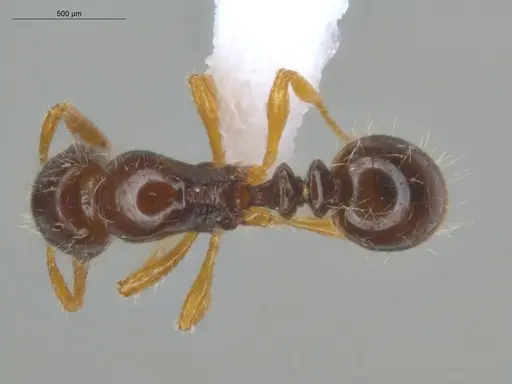
JTLC000006165
View on AntWeb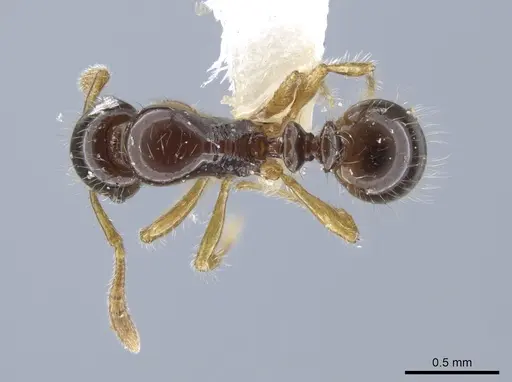
Literature
Loading...Loading products...