

Orectognathus mjobergi
- Scientific Name
- Orectognathus mjobergi
- Tribe
- Attini
- Subfamily
- Myrmicinae
- Author
- Forel, 1915
- Distribution
- Found in 1 countries
Orectognathus mjobergi Overview
Orectognathus mjobergi is an ant species of the genus Orectognathus. It is primarily documented in 1 countries , including Australia. Detailed taxonomic data and occurrence records can be further explored via authoritative databases such as AntWeb or the Global Biodiversity Information Facility (GBIF).
Orectognathus mjobergi
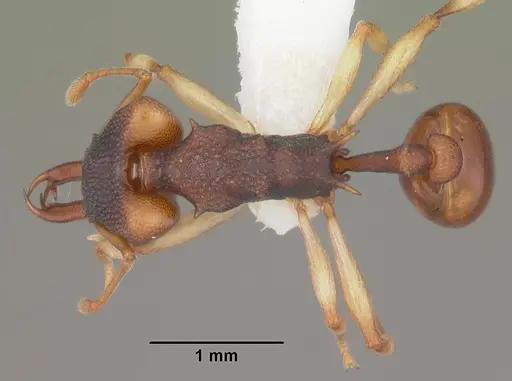
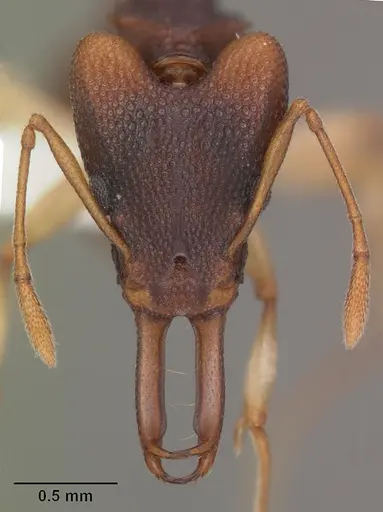
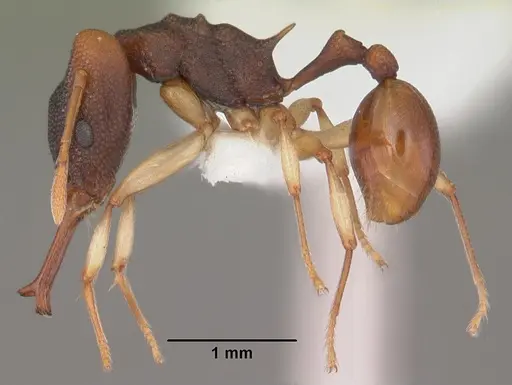
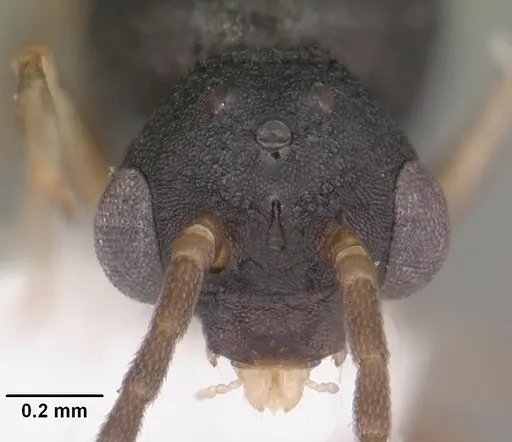
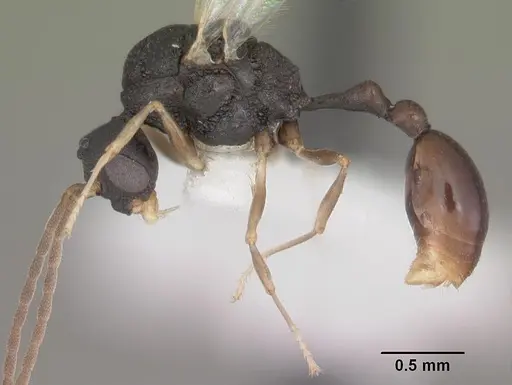
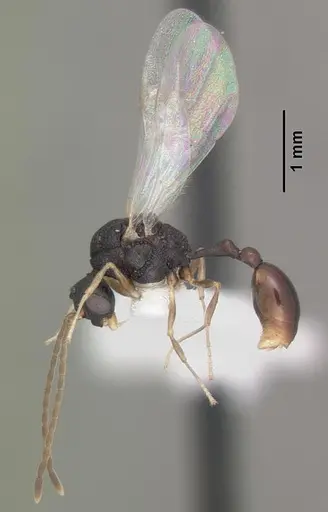
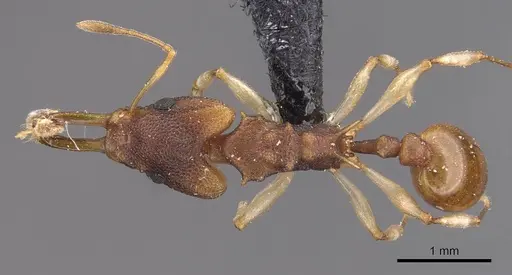
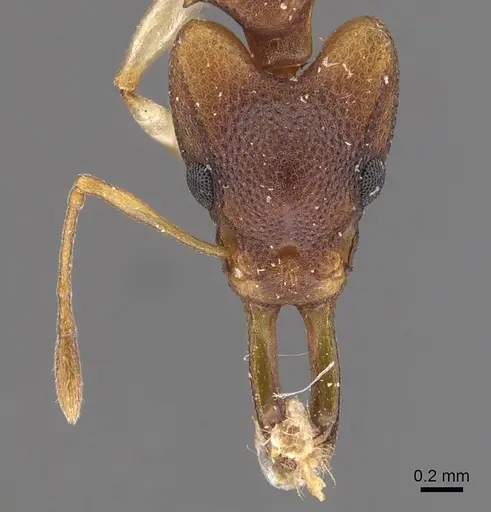
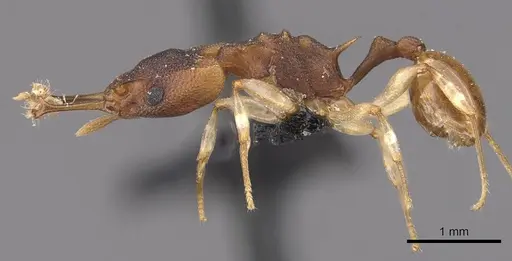
Orectognathus mjobergi is a small myrmicine ant native to the rainforests of Queensland, Australia. Workers are tiny at just 2-3mm, with the genus characterized by their large eyes and distinctive elongated mandibles adapted for capturing small prey. These ants belong to the tribe Attini, which includes the famous leaf-cutter ants, though Orectognathus are not fungus farmers themselves. The species was described by Forel in 1915 and is found primarily in elevated rainforest habitats around 800m in the Eungella region [1].
This is a rarely kept species in captivity, and much of its biology remains unstudied. Based on related dacetine ants, they are likely predatory micro-hunters that specialize in capturing tiny arthropods like springtails and mites. Colonies appear to remain small, possibly under 100 workers, which is typical for rainforest specialist ants in this group [1].
Quick Summary
- Difficulty: Expert
- Origin & Habitat: Subtropical rainforest in Queensland, Australia, found at elevations around 800m in the Eungella region. They inhabit moist forest floor environments with abundant leaf litter and decaying wood [1].
- Colony Type: Likely monogyne (single queen colonies) based on typical dacetine ant patterns. Colony size appears small, likely under 100 workers given their micro-predatory lifestyle and the limited elevation range where they're found [1].
- Colony: Monogyne
- Size & Growth:
- Queen: Unconfirmed, estimated 4-5mm based on related Orectognathus species
- Worker: 2-3mm [1]
- Colony: Likely under 100 workers, estimated based on typical dacetine colony sizes
- Growth: Unknown, likely slow to moderate given small colony size
- Development: Unconfirmed, estimated 6-10 weeks based on related Myrmicinae patterns (No specific development data exists for this species. Estimates based on typical Attini tribe development patterns.)
- Antkeeping:
- Temperature: Aim for roughly 22-26°C, keep warm and stable, mimicking subtropical rainforest conditions. A gentle gradient allows workers to self-regulate. Room temperature within this range is acceptable.
- Humidity: Keep the nest substrate consistently moist but not waterlogged. These rainforest ants need high humidity, think damp forest floor. Provide a water source and mist occasionally, but avoid standing water.
- Diapause: Unconfirmed, Australian subtropical ants may have reduced activity in cooler months but likely do not require true hibernation. Consider a brief cool period (15-18°C) in winter if colony shows reduced activity.
- Nesting: A naturalistic setup with moist substrate (soil/peat mix) works well, or a Y-tong/plaster nest with tight chambers scaled to their tiny size. They likely nest in decaying wood or under stones in the wild. Avoid dry, airy setups.
- Behavior: These ants are likely secretive and slow-moving, typical of dacetine ants. They probably forage individually through leaf litter rather than forming visible trails. Workers are small but may have a mild sting, however, their size makes them harmless to humans. Escape prevention should be excellent given their tiny 2-3mm size, they can easily slip through standard barriers. They are likely nocturnal or crepuscular foragers.
- Common Issues: tiny size makes escape likely without fine mesh barriers, specialized diet needs may be difficult to meet in captivity, slow growth can lead to keeper impatience and overfeeding, high humidity requirements can lead to mold problems if ventilation is poor, wild-caught colonies may have parasites that kill them in captivity
Nest Preferences
In the wild, Orectognathus mjobergi likely nests in decaying wood, under stones, or within the moist leaf litter of subtropical rainforests. Their tiny 2-3mm size means they can utilize very small cavities. For captivity, a naturalistic setup with a moist soil/peat mixture works well, provide pieces of decaying wood or flat stones as founding sites. Alternatively, a Y-tong or plaster nest with appropriately sized chambers (tight passages, not wide tunnels) maintains the humidity they need. Avoid dry setups, these rainforest ants will quickly decline in arid conditions. A test tube setup with a water reservoir can work for founding colonies if kept humid. [1]
Feeding and Diet
As dacetine ants, Orectognathus species are specialized micro-predators. In the wild, they likely hunt tiny arthropods like springtails, mites, and other micro-invertebrates found in leaf litter. In captivity, their primary food should be live small prey, springtails are ideal, as these tiny ants cannot tackle larger insects. You can also offer fruit flies, tiny mealworms, and other appropriately sized live prey. Sugar sources may be accepted occasionally but should not be relied upon, these are primarily predatory ants. Feed small amounts every few days, removing uneaten prey to prevent mold. The key is offering live, tiny prey that matches their natural hunting capacity.
Temperature and Care
Keep these ants at roughly 22-26°C, mimicking the warm, stable conditions of subtropical Queensland rainforests. Room temperature within this range is acceptable. A heating cable on one side of the nest can create a gentle gradient if your room runs cool, but avoid overheating, temperatures above 30°C are likely harmful. These ants need high humidity, so keep the nest substrate consistently moist but not waterlogged. Provide a water source like a cotton wick. Monitor for mold, which thrives in these conditions, adequate ventilation helps balance humidity with fresh air. In winter, if your colony shows reduced activity, you can briefly lower temperatures to 15-18°C for a few weeks, but true hibernation is likely not required.
Behavior and Temperament
Orectognathus mjobergi is likely a secretive, slow-moving ant that forages individually through leaf litter rather than forming obvious trails. Workers are tiny at 2-3mm and probably hunt by stalking and capturing small prey with their mandibles. They are not aggressive and pose no threat to humans, their small size means even if they can sting, it would be imperceptible. However, their tiny size creates a significant escape risk. You must use excellent escape prevention: fine mesh on any openings, tight-fitting lids, and reliable barriers like fluon. These ants are not escape artists in the sense of being active climbers, but their small size lets them slip through gaps that larger ants cannot.
Colony Founding
The founding behavior of Orectognathus mjobergi has not been directly documented. Based on typical Myrmicinae patterns, the queen likely seals herself in a small chamber (claustral founding) and raises her first workers alone on stored fat reserves. However, this is an inference rather than a confirmed fact. If you obtain a founding queen, provide a small, humid chamber with moist substrate and leave her undisturbed. Do not offer food to a claustral founding queen until workers emerge, they will handle their own needs. Expect 4-8 weeks before nanitic (first) workers appear, though this timeline is estimated.
Growth and Development
Specific development data for this species does not exist. Based on related Attini and dacetine ants, expect 6-10 weeks from egg to first worker at optimal temperature. Growth is likely slow, with colonies remaining small (under 100 workers) even at maturity. This is typical for specialized micro-predators, they invest heavily in each individual rather than producing many workers quickly. Nanitic workers will be smaller than normal workers. Be patient, these ants cannot be rushed, and forcing growth through excessive heat often leads to colony failure. Let the colony develop at its natural pace.
Frequently Asked Questions
How long does it take for Orectognathus mjobergi to produce first workers?
The exact timeline is unconfirmed, but based on related species, expect 6-10 weeks from egg to first worker at optimal temperature (22-26°C). This is an estimate, actual development may vary.
What do Orectognathus mjobergi ants eat?
They are micro-predators that need live small prey. Offer springtails, fruit flies, and tiny arthropods. Sugar sources may be occasionally accepted but should not be the primary food. Their tiny 2-3mm size means prey must be appropriately small.
Can I keep Orectognathus mjobergi in a test tube?
Yes, a test tube setup can work for founding colonies if kept humid. Provide a water reservoir and keep the setup in a humid environment. However, their high humidity needs mean you must monitor for mold and provide adequate ventilation.
Are Orectognathus mjobergi good for beginners?
No. This is an expert-level species due to their specialized diet (live micro-prey), high humidity requirements, tiny size making escape likely, and slow growth. They are also rarely available in the antkeeping hobby.
What temperature do Orectognathus mjobergi need?
Aim for 22-26°C. This mimics subtropical rainforest conditions. Room temperature within this range is acceptable. Avoid temperatures above 30°C or below 18°C for extended periods.
How big do Orectognathus mjobergi colonies get?
Colony size is estimated at under 100 workers at maturity. This is typical for specialized micro-predatory ants, they remain small colonies rather than producing massive numbers.
Do Orectognathus mjobergi need hibernation?
Unconfirmed. As subtropical ants from Queensland, they likely do not require true hibernation. In winter, you can provide a brief cool period (15-18°C) if the colony shows reduced activity, but this is optional.
When should I move Orectognathus mjobergi to a formicarium?
Wait until the colony has at least 20-30 workers and the founding setup shows condensation buildup or mold issues. A small naturalistic setup or Y-tong works well for their size and humidity needs.
Why are my Orectognathus mjobergi dying?
Common causes include: escape through tiny gaps, starvation (not enough live prey), mold from excessive moisture, or temperatures outside their 22-26°C range. Their specialized needs make them prone to colony failure if conditions aren't right.
Can I keep multiple Orectognathus mjobergi queens together?
Not recommended. Combining unrelated queens of this species has not been documented. Likely they are monogyne (single queen) like most dacetine ants.
What humidity do Orectognathus mjobergi need?
High humidity, keep the nest substrate consistently moist but not waterlogged. Think damp forest floor. Provide a water source and monitor for condensation, but ensure adequate ventilation to prevent mold.
References

This caresheet is licensed under CC BY-SA 4.0 .
Literature
Loading...Loading products...