

Orectognathus darlingtoni
- Scientific Name
- Orectognathus darlingtoni
- Tribe
- Attini
- Subfamily
- Myrmicinae
- Author
- Taylor, 1977
- Distribution
- Found in 1 countries
Orectognathus darlingtoni Overview
Orectognathus darlingtoni is an ant species of the genus Orectognathus. It is primarily documented in 1 countries , including Australia. Detailed taxonomic data and occurrence records can be further explored via authoritative databases such as AntWeb or the Global Biodiversity Information Facility (GBIF).
Orectognathus darlingtoni
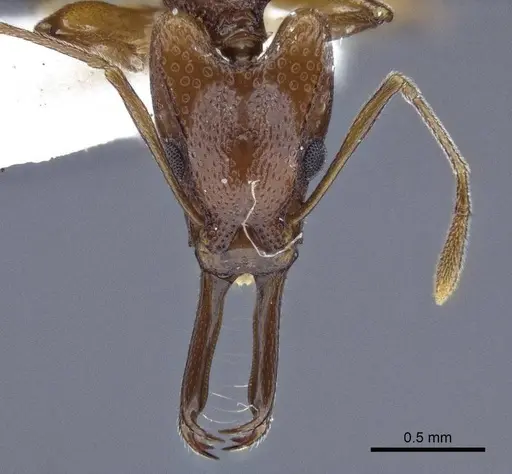
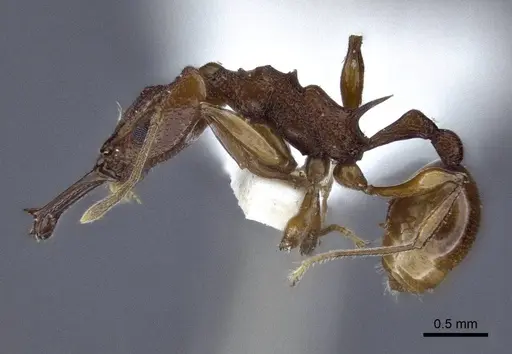
Orectognathus darlingtoni is a small myrmicine ant endemic to the rainforests of eastern Australia. Described by Taylor in 1977,these ants are characterized by their distinctive elongated mandibles and relatively small worker caste. The genus Orectognathus belongs to the tribe Attini, though not all members of this tribe are fungus-growers. Workers are modest in size, and the species was described from rainforest specimens collected in Australia. This species remains poorly studied in captivity, with limited documented information on colony behavior or specific care requirements.
Quick Summary
- Difficulty: Unknown, species has minimal documented captive history
- Origin & Habitat: Eastern Australian rainforests [1]
- Colony Type: Colony structure is unconfirmed, likely single-queen based on limited observations
- Size & Growth:
- Queen: Estimated 5-7mm based on genus patterns
- Worker: Estimated 3-4mm based on genus patterns
- Colony: Unknown, no documented colony sizes available
- Growth: Unknown, no development data available
- Development: Unknown, no direct measurements exist. Related Australian Myrmicinae suggest 6-10 weeks at optimal temperature (No species-specific development data exists. Estimates based on similar rainforest-dwelling Myrmicinae from Australia.)
- Antkeeping:
- Temperature: Aim for 22-26°C, typical of Australian rainforest species. Use a gentle heat gradient and observe colony activity
- Humidity: Keep substrate consistently moist but not waterlogged, rainforest species require higher humidity around 70-80%
- Diapause: Unknown for this species. Many Australian rainforest ants reduce activity during cooler months but true hibernation may not be required
- Nesting: Natural nesting habits unconfirmed. Given rainforest habitat, they likely prefer humid, enclosed spaces. A Y-tong or plaster nest with good moisture retention would be appropriate
- Behavior: Behavior is poorly documented. Based on genus patterns, they are likely relatively docile with moderate foraging activity. Escape prevention should be practiced as standard for small ants. No documented sting severity available.
- Common Issues: no documented captive breeding success means care protocols are largely unverified, humidity management is critical, rainforest species decline rapidly in dry conditions, small colony sizes and slow growth may frustrate keepers expecting visible progress, wild-caught colonies may struggle to adapt to captive conditions, lack of species-specific diet information makes feeding strategy uncertain
Species Overview and Distribution
Orectognathus darlingtoni is a rarely encountered ant species native to the rainforests of eastern Australia. First described by Taylor in 1977,the species is known primarily from type specimens collected in Australian rainforest habitats. The genus Orectognathus contains several species endemic to Australia and neighboring regions, with most preferring humid, shaded forest environments. These ants belong to the tribe Attini within the subfamily Myrmicinae, a group that includes the famous leaf-cutter ants but also contains many smaller, less specialized genera. O. darlingtoni remains one of the more obscure species in the genus, with limited ecological studies conducted in its natural habitat. [1]
Housing and Nest Preferences
Since specific captive data is lacking, housing recommendations must be inferred from the species' rainforest origins. Provide a nest environment that maintains high humidity consistently, a plaster or Y-tong nest works well for this purpose. The nest should have chambers that retain moisture without becoming waterlogged. A small water reservoir connected to the nest helps maintain humidity over time. Since natural nesting sites are unknown, assume they prefer enclosed dark spaces similar to most rainforest Myrmicinae. The outworld should be simple with minimal height to prevent escapes. Use standard escape prevention measures regardless of their small size.
Feeding and Diet
The specific diet of Orectognathus darlingtoni has not been documented in scientific literature. As members of the tribe Attini, they may have omnivorous tendencies similar to other small Myrmicinae, likely foraging for small insects, honeydew, and nectar in nature. For captive care, offer a standard ant diet: small protein sources like fruit flies, small crickets, or mealworm pieces, along with sugar water or honey as an energy source. Start with small prey items and observe acceptance. Remove uneaten food within 24-48 hours to prevent mold. Do not overfeed, small colonies can be overwhelmed by large food offerings.
Temperature and Humidity Requirements
Based on their Australian rainforest habitat, maintain temperatures in the low-to-mid 20s Celsius, aim for 22-26°C. A gentle temperature gradient allows ants to self-regulate. Heating cables or mats placed on one side of the nest can achieve this, but avoid direct heat on the nest material as it can dry out the substrate. Humidity is more critical than for many other ants, target 70-80% relative humidity within the nest. Monitor substrate moisture and rehydrate before it fully dries. Mist the outworld occasionally but avoid creating standing water. Good ventilation prevents mold while maintaining humidity.
Colony Development and Growth
No documented colony development timelines exist for this species. The queen was described in the original 1977 description, but founding behavior and development times were not recorded. Expect slow growth typical of many rainforest understory ants. First workers (nanitics) will likely emerge smaller than mature workers. Do not disturb the founding chamber during the clausal period if the queen is claustral. Colony growth should be monitored but not rushed, small colonies are fragile and may take months or years to reach even modest sizes. Patience is essential with poorly documented species like this one.
Behavior and Temperament
Specific behavioral observations for O. darlingtoni are not documented in available literature. Based on genus characteristics, they are likely relatively docile and non-aggressive. Workers probably forage individually or in small groups rather than forming large raiding parties. No information exists regarding their defensive responses or sting capability. Standard antkeeping practices apply: avoid disturbing the nest excessively, provide stable conditions, and monitor for escape attempts. The species' small size makes escape prevention important even if they are not particularly active climbers.
Frequently Asked Questions
How long does it take for Orectognathus darlingtoni to produce first workers?
The egg-to-worker timeline is unknown, no documented development data exists for this species. Based on similar Australian rainforest Myrmicinae, expect 6-10 weeks at optimal temperature, but this is a rough estimate. Patience is essential with this poorly studied species.
What do Orectognathus darlingtoni ants eat?
Their exact diet is unconfirmed. Offer small protein sources like fruit flies, tiny crickets, or mealworm pieces, plus sugar water or honey. Start with small prey and remove uneaten food within 24 hours. This is standard for most small Myrmicinae, though species-specific acceptance is unknown.
Are Orectognathus darlingtoni good for beginners?
No, this species is not recommended for beginners. It has no documented captive breeding success, minimal care information exists, and requires humid rainforest conditions that can be challenging to maintain. Consider starting with better-documented Australian species like some Camponotus or Iridomyrmex species.
What temperature should I keep Orectognathus darlingtoni at?
Aim for 22-26°C based on their Australian rainforest origins. A gentle gradient allows self-regulation. Avoid temperatures below 20°C or above 30°C. Room temperature in the low-to-mid 20s often works well.
How big do Orectognathus darlingtoni colonies get?
Maximum colony size is unknown, no documented colony sizes exist for this species. Expect small to moderate colonies based on typical patterns for obscure rainforest species. Do not expect the large colonies seen in more common ant species.
Do Orectognathus darlingtoni need hibernation?
Diapause requirements are unconfirmed. Many Australian rainforest ants reduce activity during cooler months but may not require true hibernation. If kept at stable indoor temperatures year-round, they may remain active. Monitor for seasonal slowdowns.
Can I keep multiple Orectognathus darlingtoni queens together?
Colony structure is unconfirmed. No information exists on whether this species is monogyne (single queen) or polygyne (multiple queens). Do not attempt combining unrelated queens without documented evidence that this is safe.
What humidity level do Orectognathus darlingtoni need?
Keep humidity high, target 70-80% within the nest. Use a moist substrate that feels damp but not waterlogged. A water reservoir connected to the nest helps maintain stable humidity. This is more critical than for many common ant species.
References

This caresheet is licensed under CC BY-SA 4.0 .
CASENT0900012
View on AntWeb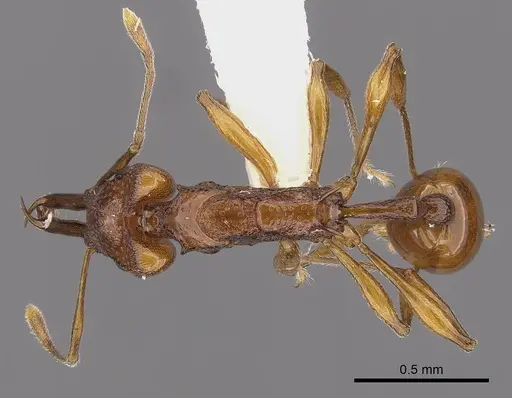
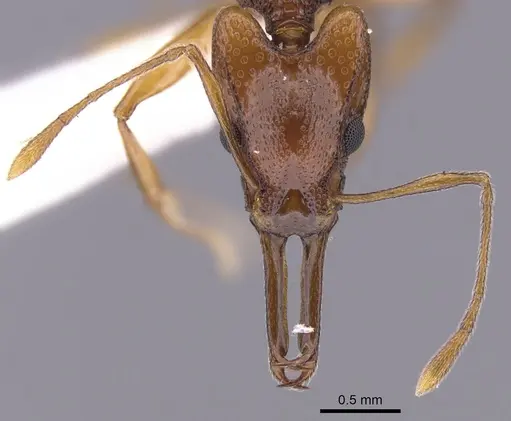
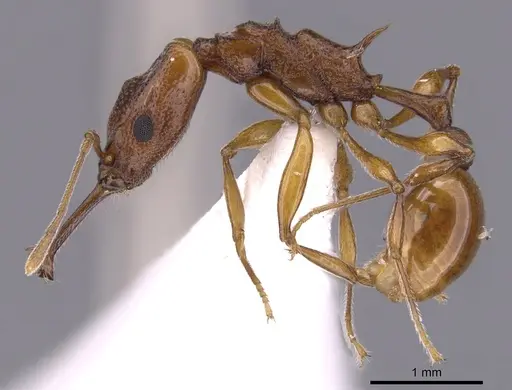
CASENT0916659
View on AntWeb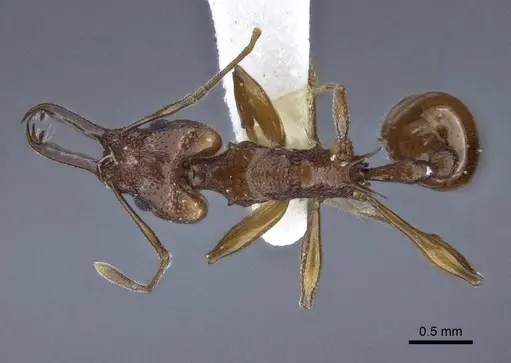
Literature
Loading...Loading products...