

Orectognathus clarki
- Scientific Name
- Orectognathus clarki
- Tribe
- Attini
- Subfamily
- Myrmicinae
- Author
- Brown, 1953
- Distribution
- Found in 1 countries
Orectognathus clarki Overview
Orectognathus clarki is an ant species of the genus Orectognathus. It is primarily documented in 1 countries , including Australia. Detailed taxonomic data and occurrence records can be further explored via authoritative databases such as AntWeb or the Global Biodiversity Information Facility (GBIF).
Orectognathus clarki
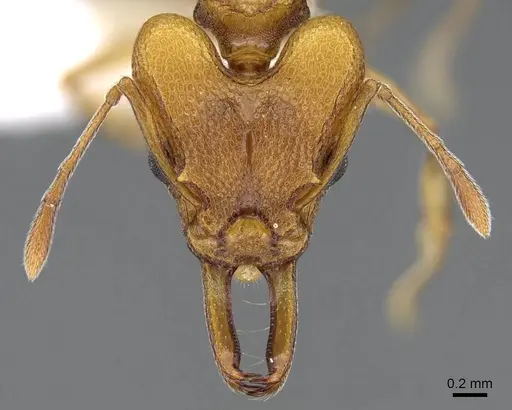
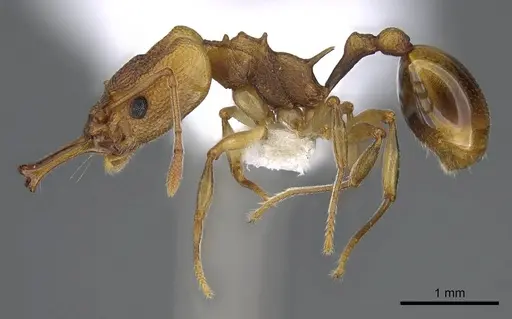
Orectognathus clarki is a tiny predatory ant belonging to the tribe Attini, making it a relative of the famous leaf-cutter ants but with a very different lifestyle. Workers measure just 2.5-3mm and feature the characteristic large mandibles typical of dacetine ants, used to snap shut on prey. The genus is monotypic in Western Australia, meaning this is the only species found there. Originally described from southern Victoria, these ants have been recorded across southern Australia from Tasmania to Western Australia's Stirling and Porongorup Ranges, typically in high-rainfall forested areas [1][2]. The species was named after J. Clark, who collected the type specimens.
Quick Summary
- Difficulty: Medium
- Origin & Habitat: Southern Australia (Victoria, Tasmania, Western Australia) in moist sclerophyll forest and jarrah-marri woodland. Found in high rainfall areas and recently documented in the Darling Range near Perth [1][2][3].
- Colony Type: Colony structure is unconfirmed. The genus Orectognathus is poorly studied, and specific colony founding details for O. clarki have not been documented.
- Size & Growth:
- Queen: Approximately 3-4mm (estimated based on genus descriptions)
- Worker: 2.5-3mm [2]
- Colony: Likely small colonies of several dozen to a few hundred workers based on typical dacetine patterns
- Growth: Unknown, likely slow to moderate based on related genera
- Development: 6-10 weeks (estimated based on related Attini species) (Development timeline has not been directly studied for this species. Estimates based on typical dacetine ant development patterns.)
- Antkeeping:
- Temperature: Keep around 20-24°C. These ants come from temperate regions with mild conditions, so room temperature or slight warming is appropriate. A gentle heat gradient allows workers to regulate their temperature.
- Humidity: Moderate to high. They inhabit moist forest environments in the wild, so keep the nest substrate consistently damp but not waterlogged. Provide a moisture gradient so ants can choose their preferred humidity.
- Diapause: Likely yes, southern Australian species likely experience a winter rest period. Reduce temperature to around 10-15°C for 2-3 months during winter.
- Nesting: In the wild, they likely nest in rotting wood, under stones, or in soil. In captivity, a small test tube setup or acrylic nest with moist substrate works well. Given their tiny size, they need appropriately scaled chambers.
- Behavior: Dacetine ants are specialized predators, using their large snap-jaw mandibles to capture small prey. They are not aggressive toward humans and pose no sting risk. Their small size means escape prevention is critical, they can slip through tiny gaps. Workers are active foragers, hunting micro-arthropods and other tiny invertebrates.
- Common Issues: escape prevention is critical due to their very small size, use fine mesh and tight-fitting barriers, as predators, they need a constant supply of small live prey which can be challenging to provide, slow colony growth may lead to beginner frustration and overfeeding, wild-caught colonies may carry parasites that can decimate captive colonies, maintaining appropriate humidity without causing mold can be tricky in small nests
Housing and Nest Setup
Orectognathus clarki is a tiny ant that requires appropriately scaled housing. A small test tube setup works well for founding colonies, while established colonies can be moved to a small acrylic nest or naturalistic setup. The nest should have chambers scaled to their 2.5-3mm size, too large and they will feel exposed. Keep the nest substrate consistently moist but not flooded. A water reservoir connected to the nest helps maintain humidity. Because of their minute size, excellent escape prevention is essential, use fine mesh barriers and ensure all connections are sealed. [2]
Feeding and Diet
As a dacetine ant, Orectognathus clarki is a specialized predator. In the wild, they hunt small invertebrates including springtails, mites, and other micro-arthropods using their large snap-jaw mandibles. In captivity, their primary food should be small live prey such as springtails, fruit flies, and other tiny insects. They are unlikely to accept sugar water or honey, as dacetine ants are not typically sugar-feeding species. Offer prey 2-3 times per week, removing any uneaten remains promptly to prevent mold. A constant supply of live prey is essential for colony health.
Temperature and Seasonal Care
These ants come from temperate southern Australia, so they prefer moderate temperatures around 20-24°C. Room temperature is often suitable, but you can provide a gentle heat gradient using a heating cable on one side of the nest. During the Australian winter (roughly June-August in the southern hemisphere), the colony will likely benefit from a diapause period. Reduce temperatures to around 10-15°C and reduce feeding frequency. This winter rest helps synchronize their biological cycles and promotes colony health. Do not cool them suddenly, allow a gradual temperature transition over 1-2 weeks. [3]
Behavior and Foraging
Orectognathus workers are active foragers that hunt individually rather than in groups. Their large mandibles are specialized for capturing small prey with a snapping action, this is their primary defense and hunting mechanism. Workers are not aggressive toward humans and are too small to bite effectively. The colony will likely show increased activity when temperatures are optimal and will become more sluggish during cooler periods. Observe your colony to establish their activity patterns and adjust care accordingly.
Frequently Asked Questions
How long does it take for Orectognathus clarki to produce first workers?
The exact timeline is unknown, but based on related dacetine species, expect 6-10 weeks from egg to first worker at optimal temperature (around 22°C). Growth is likely slow, so patience is required.
Can I keep multiple Orectognathus clarki queens together?
The colony structure of this species has not been documented. Combining unrelated queens is not recommended as it has not been studied and could result in fighting.
What do Orectognathus clarki ants eat?
They are specialized predators that need small live prey. Feed them springtails, fruit flies, and other tiny insects. They are unlikely to accept sugar sources.
Are Orectognathus clarki good for beginners?
This is a medium-difficulty species primarily due to their need for constant live prey and their tiny size requiring excellent escape prevention. They are not the best choice for complete beginners, but experienced antkeepers should find them manageable.
Do Orectognathus clarki need hibernation?
Likely yes. As a southern Australian species, they probably experience a winter rest period. Reduce temperature to 10-15°C for 2-3 months during winter.
How big do Orectognathus clarki colonies get?
Colony size is not documented, but based on related dacetine ants, colonies likely reach several hundred workers at most. They are not large colony formers.
When should I move Orectognathus clarki to a formicarium?
Wait until the colony has at least 20-30 workers before moving from a test tube setup. Dacetine ants prefer small, snug chambers, so choose an appropriately sized nest.
Why are my Orectognathus clarki dying?
Common causes include: lack of live prey (they need constant hunting opportunities), improper humidity (too dry or too wet), temperature stress, and escape-related losses. Check each parameter and ensure prey is being offered regularly.
References

This caresheet is licensed under CC BY-SA 4.0 .
CASENT0900020
View on AntWeb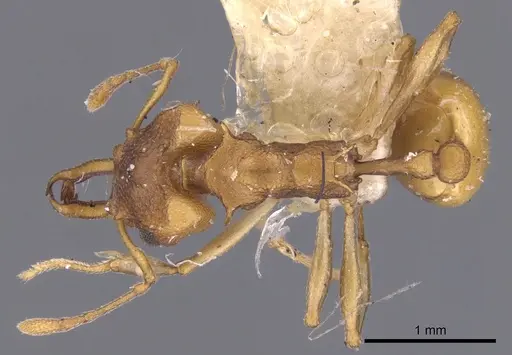
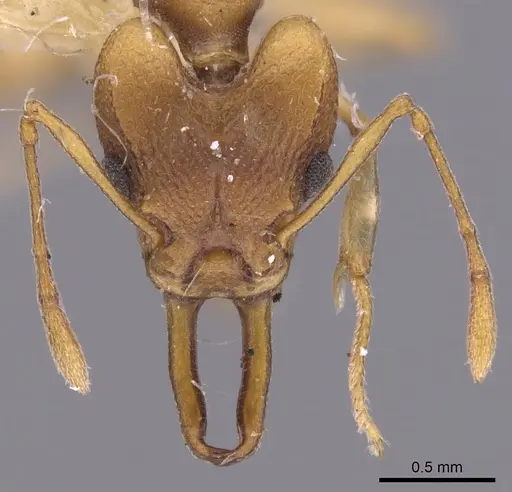
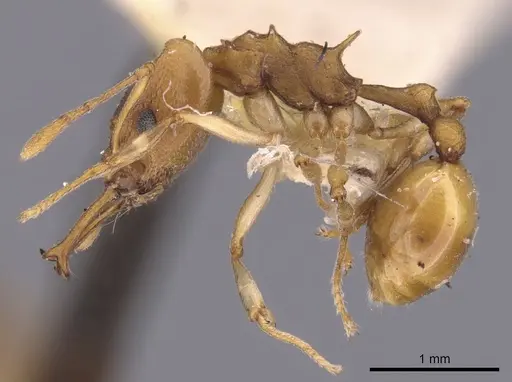
CASENT0914670
View on AntWeb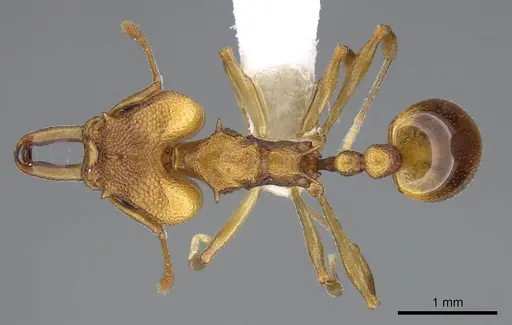
Literature
Loading...Loading products...