

Opisthopsis manni
- Scientific Name
- Opisthopsis manni
- Tribe
- Camponotini
- Subfamily
- Formicinae
- Author
- Wheeler, 1918
- Distribution
- Found in 2 countries
Opisthopsis manni Overview
Opisthopsis manni is an ant species of the genus Opisthopsis. It is primarily documented in 2 countries , including Papua New Guinea, Solomon Islands. Detailed taxonomic data and occurrence records can be further explored via authoritative databases such as AntWeb or the Global Biodiversity Information Facility (GBIF).
Opisthopsis manni
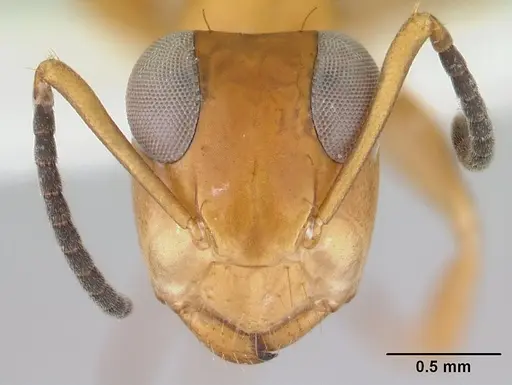
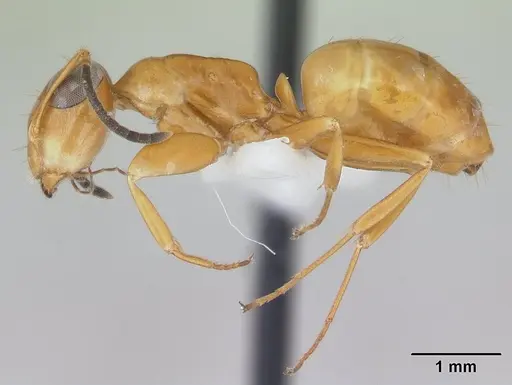
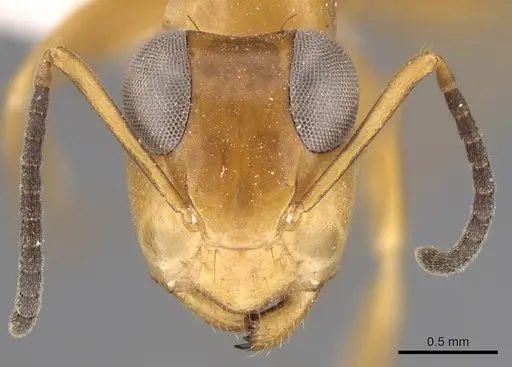
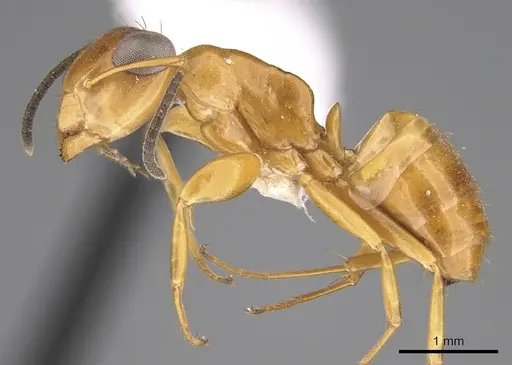
Opisthopsis manni is a striking Formicinae ant native to the Solomon Islands and New Guinea region. Workers are medium-sized with a distinctive appearance featuring notably large eyes that give them an intense, staring expression, hence the common name 'staring ant.' The genus Opisthopsis is known for this characteristic eye size, which is proportionally larger than most ants and likely aids in visual navigation through their forest habitat. Workers typically measure around 6-8mm, with queens being significantly larger. This species inhabits the tropical rainforests of the Solomon Islands, where they nest in rotting wood or under bark on the forest floor [1][2].
What makes O. manni particularly interesting is its limited geographic range, it's endemic to the Solomon Islands and surrounding regions, making it a relatively rare species in the antkeeping hobby. These ants are active foragers that likely exploit the rich leaf litter fauna of their tropical home. As a Formicine ant, they likely communicate through chemical trails and may use their large eyes for orientation during foraging expeditions. The combination of their unique appearance, restricted distribution, and tropical origin makes them an intriguing species for more experienced antkeepers looking for something different from common temperate species [1].
Quick Summary
- Difficulty: Medium
- Origin & Habitat: Solomon Islands (Makira, Guadalcanal, Malaupaina, Malaita, San Cristoval, Three Sisters, Russell) and New Guinea. Found in tropical rainforest environments, typically nesting in rotting wood or under bark on the forest floor [1][2].
- Colony Type: Likely monogyne (single queen colonies) based on typical Formicinae patterns. Colony size appears moderate, though exact maximum is unconfirmed.
- Colony: Monogyne
- Founding: Claustral
- Size & Growth:
- Queen: Likely 10-12mm based on genus patterns, direct measurements unavailable
- Worker: Approximately 6-8mm based on original description [2]
- Colony: Estimated several hundred workers based on related Formicinae
- Growth: Moderate, typical for tropical Formicinae
- Development: Estimated 6-8 weeks at optimal tropical temperatures (25-28°C), based on genus-level data for related Formicinae. This is an inference rather than direct measurement. (Development timeline is inferred from related species, specific data for O. manni is not available. Tropical species typically develop faster than temperate ones.)
- Antkeeping:
- Temperature: Keep at 24-28°C (warm tropical conditions). A gentle gradient allowing workers to self-regulate is ideal. Room temperature may suffice if your home stays in the low-mid 20s°C. Use a heating cable on one side of the nest if additional warmth is needed.
- Humidity: High humidity required, think damp tropical forest floor. Keep nest substrate consistently moist but not waterlogged. Provide a water tube for drinking access. Mist the outworld occasionally but avoid standing water.
- Diapause: No, being a tropical species from the Solomon Islands, they do not require hibernation. Maintain consistent warm temperatures year-round.
- Nesting: In captivity, they do well in Y-tong (AAC) nests, plaster nests, or naturalistic setups with rotting wood pieces. They prefer dark, humid nest chambers. Avoid dry conditions or excessive ventilation that could dry out the nest.
- Behavior: Opisthopsis manni is an active forager with likely moderate aggression toward intruders. Workers are fast-moving and will defend their nest vigorously if threatened. They likely use chemical trails for foraging like other Formicinae. Escape risk is moderate, their medium size means standard formicarium barriers work well, but ensure all connections are secure. They are diurnal foragers, actively searching for food during daylight hours typical of tropical forest floor activity.
- Common Issues: tropical species can decline if temperatures drop below 22°C for extended periods, keep warm, high humidity requirements mean drying out is a common killer, monitor substrate moisture regularly, limited distribution means wild-caught colonies are rare and expensive, source from reputable suppliers, slow establishment phase, new colonies may take time to adapt to captivity and workers may be initially hesitant, tropical ants don't enter diapause, maintaining proper temperature year-round is essential
Housing and Nest Setup
Opisthopsis manni does well in several captive setups. Y-tong (AAC) nests work excellently, the dark chambers mimic their natural preference for enclosed spaces within rotting wood. Plaster nests also suit them well, provided you maintain adequate moisture. A naturalistic setup with pieces of rotting wood or cork bark on a moist substrate recreates their natural forest floor habitat and allows for more natural foraging behavior. Whatever setup you choose, ensure the nest chambers remain humid but not saturated. Place the nest in a quiet area away from direct sunlight and vibrations. The outworld should include a shallow water dish and areas for foraging. Given their tropical origin, avoid air-conditioned rooms or locations with temperature fluctuations.
Feeding and Diet
Like other Formicinae, Opisthopsis manni is omnivorous with a preference for sugary liquids and protein. Offer sugar water, honey, or diluted maple syrup as a constant energy source. For protein, provide small insects like fruit flies, small crickets, mealworms, or waxworms. In their natural habitat, they likely forage for honeydew from aphids and scale insects, plus small arthropods found in leaf litter. Feed protein 2-3 times per week, removing any uneaten prey within 24 hours. Keep the sugar source available at all times. Some keepers report that Opisthopsis species accept fruit and small amounts of seeds, but protein should form the bulk of their diet. Fresh water should always be accessible.
Temperature and Seasonal Care
Being from the Solomon Islands, this is a warm-weather species that demands consistent temperatures. Maintain nest temperatures between 24-28°C year-round. A heating cable placed on one side of the nest creates a temperature gradient that allows workers to self-regulate. Avoid temperatures below 22°C for extended periods, as this can weaken the colony and slow development. Unlike temperate species, they do not require any cooling period or hibernation. Simply maintain their warm, humid conditions consistently. Room temperature in most homes is adequate if you live in a warm climate, but monitor with a thermometer. Sudden temperature drops or drafts can stress the colony.
Behavior and Colony Dynamics
Opisthopsis manni workers are active and fast-moving, characteristic of the genus. They likely use chemical pheromone trails to coordinate foraging, similar to other Formicinae. Workers are moderately aggressive and will readily defend the nest if disturbed. The large eyes that give this genus its common name may play a role in visual orientation during foraging trips, they likely navigate using a combination of visual cues and chemical signals. Colony growth is moderate, expect the first workers (nanitics) to emerge 6-8 weeks after the queen lays eggs, then gradual colony expansion over several months to years. Mature colonies likely reach several hundred workers. Queens are long-lived and can produce workers for many years under good conditions.
Frequently Asked Questions
How long does it take for Opisthopsis manni to produce first workers?
Expect first workers (nanitics) approximately 6-8 weeks after the queen lays eggs, assuming optimal temperatures around 25-28°C. This timeline is estimated from related Formicinae species, as specific development data for O. manni is not available. The queen will remain sealed in her founding chamber until the first workers emerge.
What temperature do Opisthopsis manni ants need?
Keep them warm at 24-28°C. This tropical species does not tolerate cool temperatures well. A heating cable on part of the nest creates a gradient. Room temperature in warm homes may suffice, but monitor with a thermometer.
Can I keep multiple Opisthopsis manni queens together?
Not recommended. This species is likely monogyne (single queen), and combining unrelated queens typically results in fighting. Only keep one queen per colony unless you have specific evidence they accept multiple queens.
How big do Opisthopsis manni colonies get?
Based on related Formicinae, colonies likely reach several hundred workers over 2-3 years under good conditions. Exact maximum is unknown for this species, but expect moderate colony sizes rather than massive supercolonies.
Do Opisthopsis manni need hibernation?
No. Being a tropical species from the Solomon Islands, they do not require hibernation or any cooling period. Maintain warm, humid conditions year-round.
What do Opisthopsis manni ants eat?
They are omnivorous. Offer sugar water, honey, or maple syrup constantly for energy. For protein, provide small insects like fruit flies, small crickets, or mealworms 2-3 times per week. They likely also collect honeydew in the wild.
Is Opisthopsis manni good for beginners?
This species is rated Medium difficulty. While not the hardest species, their specific temperature and humidity requirements make them better suited for keepers who have already kept a few colonies successfully. Their limited availability and cost also make them better for intermediate to advanced keepers.
When should I move Opisthopsis manni to a formicarium?
Wait until the colony has at least 20-30 workers before moving from a founding setup. Test tube setups work well for founding colonies. Move them when the test tube becomes crowded or the water reservoir is depleted. Ensure the new setup maintains similar humidity levels.
Why is my Opisthopsis manni colony declining?
The most common causes are: temperatures too low (below 22°C), humidity too low (drying out), poor nutrition, or stress from disturbance. Check your temperature and humidity first. Also ensure you're not overfeeding, excess food mold can be harmful. Wild-caught colonies may carry parasites.
References

This caresheet is licensed under CC BY-SA 4.0 .
CASENT0178501
View on AntWeb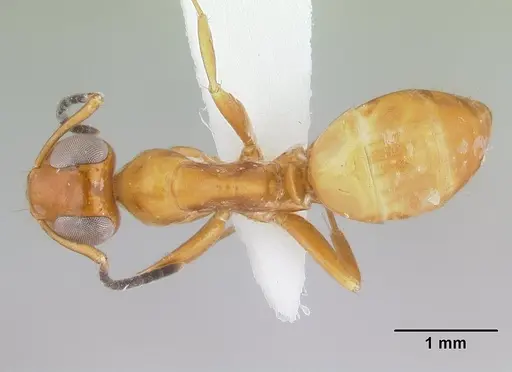
CASENT0281143
View on AntWeb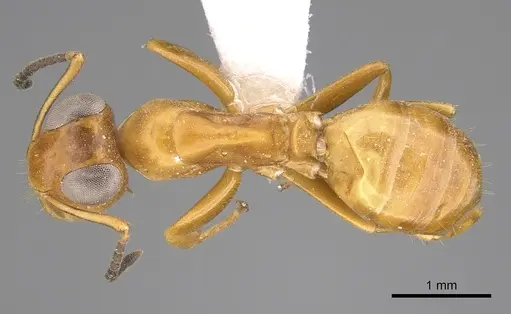
Literature
Loading...Loading products...