

Opisthopsis major
- Scientific Name
- Opisthopsis major
- Tribe
- Camponotini
- Subfamily
- Formicinae
- Author
- Forel, 1902
- Distribution
- Found in 1 countries
Opisthopsis major Overview
Opisthopsis major is an ant species of the genus Opisthopsis. It is primarily documented in 1 countries , including Australia. Detailed taxonomic data and occurrence records can be further explored via authoritative databases such as AntWeb or the Global Biodiversity Information Facility (GBIF).
Opisthopsis major
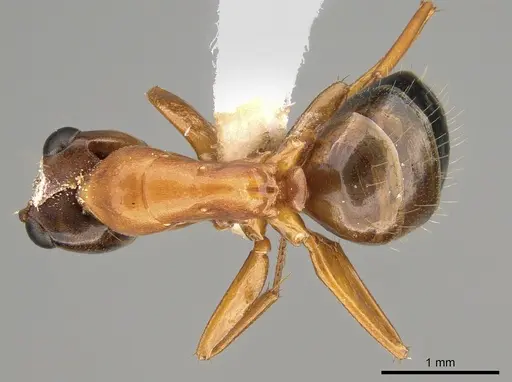
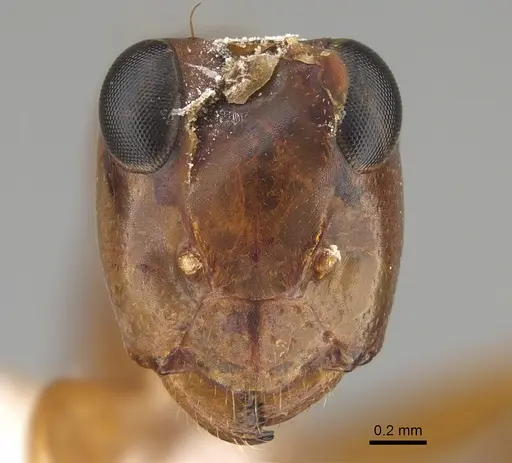
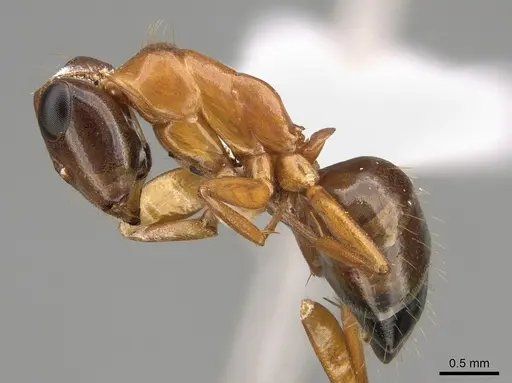
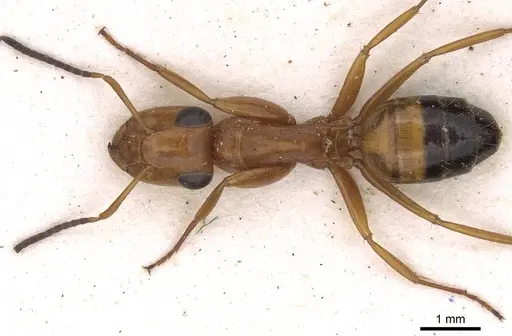
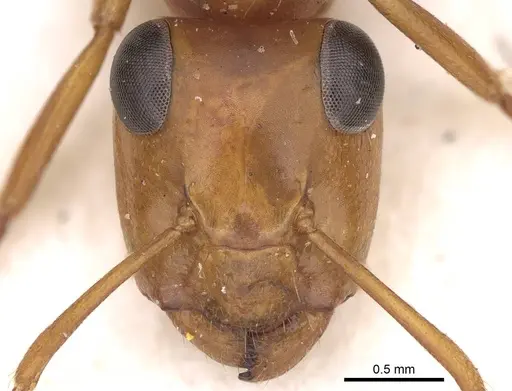
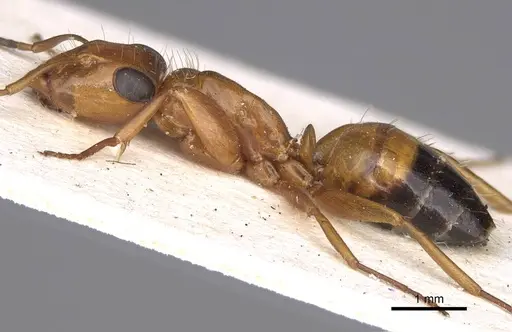
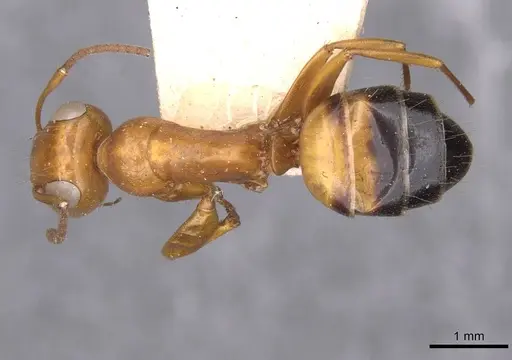
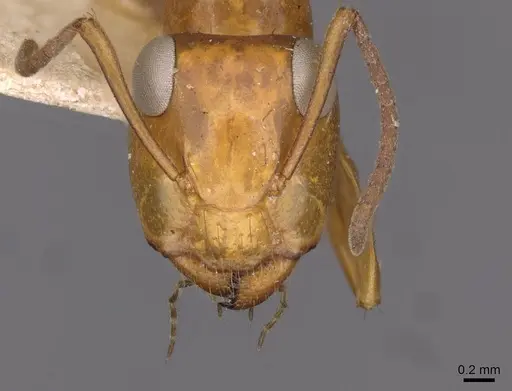
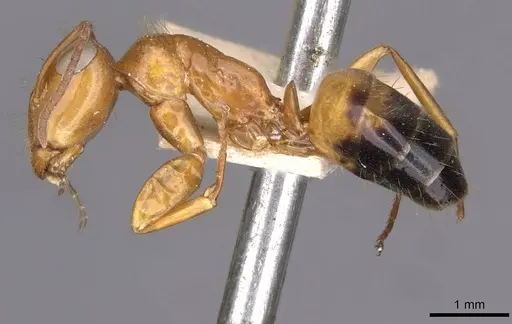
Opisthopsis major is an Australian ant species belonging to the Formicinae subfamily. Workers are moderately sized with a distinctive glossy, sculptured exoskeleton that gives them a shiny appearance, a trait that has earned members of this genus the common name 'shining ants' or 'mirror ants'. They possess relatively large eyes compared to many other ant genera, which aids their diurnal, visually-oriented hunting behavior. The species was originally described by Forel in 1902 from Australian specimens [1].
These ants are part of a genus endemic to Australia, where they occupy tropical and subtropical regions. Like other Opisthopsis species, they are active daytime foragers that hunt small prey rather than relying on carbohydrate sources. Their rapid movement and good vision make them efficient predators in their native habitat.
Quick Summary
- Difficulty: Medium
- Origin & Habitat: Northern Australia, specifically recorded from the Wessel and English Company Islands in the Northern Territory's seasonal tropics [2]. They inhabit tropical and subtropical regions where they nest in soil or under stones in open areas.
- Colony Type: Colony structure is not well-documented in scientific literature. Based on typical Opisthopsis genus patterns, they likely form single-queen colonies (monogyne) with moderate worker numbers.
- Colony: Monogyne
- Founding: Claustral
- Size & Growth:
- Queen: Approximately 10-12mm based on genus-level estimates for Opisthopsis species [1]
- Worker: Approximately 6-9mm based on genus descriptions [1]
- Colony: Likely reaches several hundred workers based on related Formicinae species [1]
- Growth: Moderate, development timeline follows typical Formicinae patterns
- Development: Estimated 6-10 weeks at optimal temperature based on genus-level inference from related Formicinae [1] (Development time is inferred from typical Camponotini tribe patterns, actual timing may vary)
- Antkeeping:
- Temperature: Keep at 24-28°C (warm room temperature to low 30s). They are tropical ants that benefit from gentle heating. A heating cable on one side of the nest creates a gradient they can regulate themselves [1].
- Humidity: Moderate humidity around 50-70%. Keep the nest substrate slightly moist but allow some drying between waterings. These are not moisture-dependent like some tropical species, aim for a balance similar to their arid-tropical habitat [1].
- Diapause: Likely minimal or no true diapause given their tropical distribution. However, they may reduce activity during cooler winter months in temperate regions. Monitor colony activity and reduce feeding during slow periods [1].
- Nesting: Natural nesting occurs in soil and under stones. In captivity, they do well in Y-tong (AAC) nests, plaster nests, or naturalistic setups with a soil layer. Provide a nest chamber sized appropriately for their moderate worker size, with narrow passages that make them feel secure [1].
- Behavior: Opisthopsis major workers are fast-moving, diurnal predators with good vision. They are not particularly aggressive but will bite if threatened. Their large eyes indicate they rely heavily on visual cues for foraging and navigation. Escape prevention is important, they are active and quick, so ensure enclosures have secure barriers. They are primarily predatory, hunting small insects and arthropods rather than foraging for sugar sources. Workers will readily take protein foods and are active foragers throughout the day.
- Common Issues: colonies may fail if not provided enough protein, they are obligate predators, escape prevention is critical due to their fast movement and moderate size, slow founding phase can frustrate beginners, claustral queens need time alone, test tube setups must have secure barriers as workers are active and can find gaps, overheating can be fatal, avoid direct heat sources that cause temperature spikes
Housing and Nest Setup
Opisthopsis major does well in a variety of captive setups. Y-tong (acrylic) nests work excellently, the smooth walls prevent escape and allow you to observe colony behavior. Plaster nests with built-in water reservoirs maintain humidity well. For a naturalistic approach, use a soil-filled container with flat stones or pieces of bark as cover. The nest should have chambers scaled to their worker size (6-9mm workers need passages roughly 8-12mm wide). Provide an outworld area for foraging, these active ants need space to hunt and explore. Use a test tube setup for the founding queen, then transfer to a larger nest once the colony reaches 20-30 workers. Escape prevention is critical: these fast-moving ants will exploit any gap. Apply fluon or use tight-fitting lids on all enclosures. [1]
Feeding and Diet
These ants are primarily predatory and need a protein-rich diet. Offer small live prey such as fruit flies, pinhead crickets, small mealworms, and other tiny arthropods. They will not typically accept sugar water or honey, their metabolism is geared toward protein consumption. Feed every 2-3 days, adjusting based on colony size and consumption rate. Remove uneaten prey after 24 hours to prevent mold. A well-fed colony will have workers that appear plump and glossy. During founding, the queen does not need food, she relies on stored fat reserves. Once workers arrive, begin offering small prey items. For larger colonies, increase prey size and quantity accordingly. [1]
Temperature and Heating
As tropical Australian ants, Opisthopsis major prefers warm conditions. Maintain nest temperatures between 24-28°C for optimal brood development. Room temperature in most homes (20-24°C) may be acceptable but warming slightly will accelerate growth. Use a heating cable or heating mat placed on one side of the nest to create a temperature gradient, this allows ants to regulate their own temperature by moving between warmer and cooler areas. Never place heat sources directly on the nest as this can cause dangerous hot spots. Monitor with a thermometer placed near the nest chambers. In cooler months, ensure heating is consistent, temperature drops can slow or stop brood development. [1]
Behavior and Colony Dynamics
Workers of Opisthopsis major are distinctive in their rapid, purposeful movement. They forage during daylight hours and rely on their well-developed vision to locate prey. Unlike many Formicinae, they do not tend aphids or collect honeydew, they are strict predators. Colonies establish relatively quickly once the first workers (nanitics) emerge, but growth is moderate rather than explosive. Workers are not particularly aggressive toward keepers but may bite if handled roughly or if the nest is disturbed. The colony will typically have a single queen who remains protected in the nest chamber. As the colony grows, you'll see more workers patrolling the outworld and returning with prey items. [1]
Frequently Asked Questions
How long does it take for Opisthopsis major to produce first workers?
Expect first workers (nanitics) approximately 6-10 weeks after the queen lays eggs, assuming temperatures around 25°C. This timeline is inferred from related Formicinae species, actual timing may vary based on temperature and feeding.
What do Opisthopsis major ants eat?
They are predatory ants that need live protein. Feed small insects like fruit flies, pinhead crickets, small mealworms, or other tiny arthropods. They do not typically accept sugar sources like honey or sugar water.
Can I keep multiple Opisthopsis major queens together?
Not recommended. Like most Formicinae, they likely form single-queen colonies. Combining unrelated queens has not been documented and typically results in fighting.
What temperature do Opisthopsis major ants need?
Keep them warm at 24-28°C. A heating cable on one side of the nest creates a gradient they can use to regulate their temperature. Room temperature may be acceptable but warming slightly promotes better growth.
Are Opisthopsis major good for beginners?
They are intermediate in difficulty. Their predatory diet requires more effort than sugar-feeding ants, but they are not as demanding as some specialized species. They are rewarding for keepers willing to provide regular live prey.
When should I move Opisthopsis major to a formicarium?
Keep the founding queen in a test tube setup until the colony reaches 20-30 workers. At this point, they benefit from more space and a proper nest structure. Moving too early can stress the colony.
Do Opisthopsis major need hibernation?
No. Being tropical Australian ants, they do not require a true diapause. They may reduce activity in cooler weather, but do not need cold treatment.
Why are my Opisthopsis major dying?
Common causes include: lack of protein (they need regular live prey), temperature too cold (below 20°C slows development), escape-related losses, or mold from uneaten food. Ensure proper feeding, heating, and hygiene.
How big do Opisthopsis major colonies get?
Based on related Formicinae, colonies likely reach several hundred workers at maturity. Growth is moderate, expect several months to reach 50+ workers.
References

This caresheet is licensed under CC BY-SA 4.0 .
Literature
Loading...Loading products...