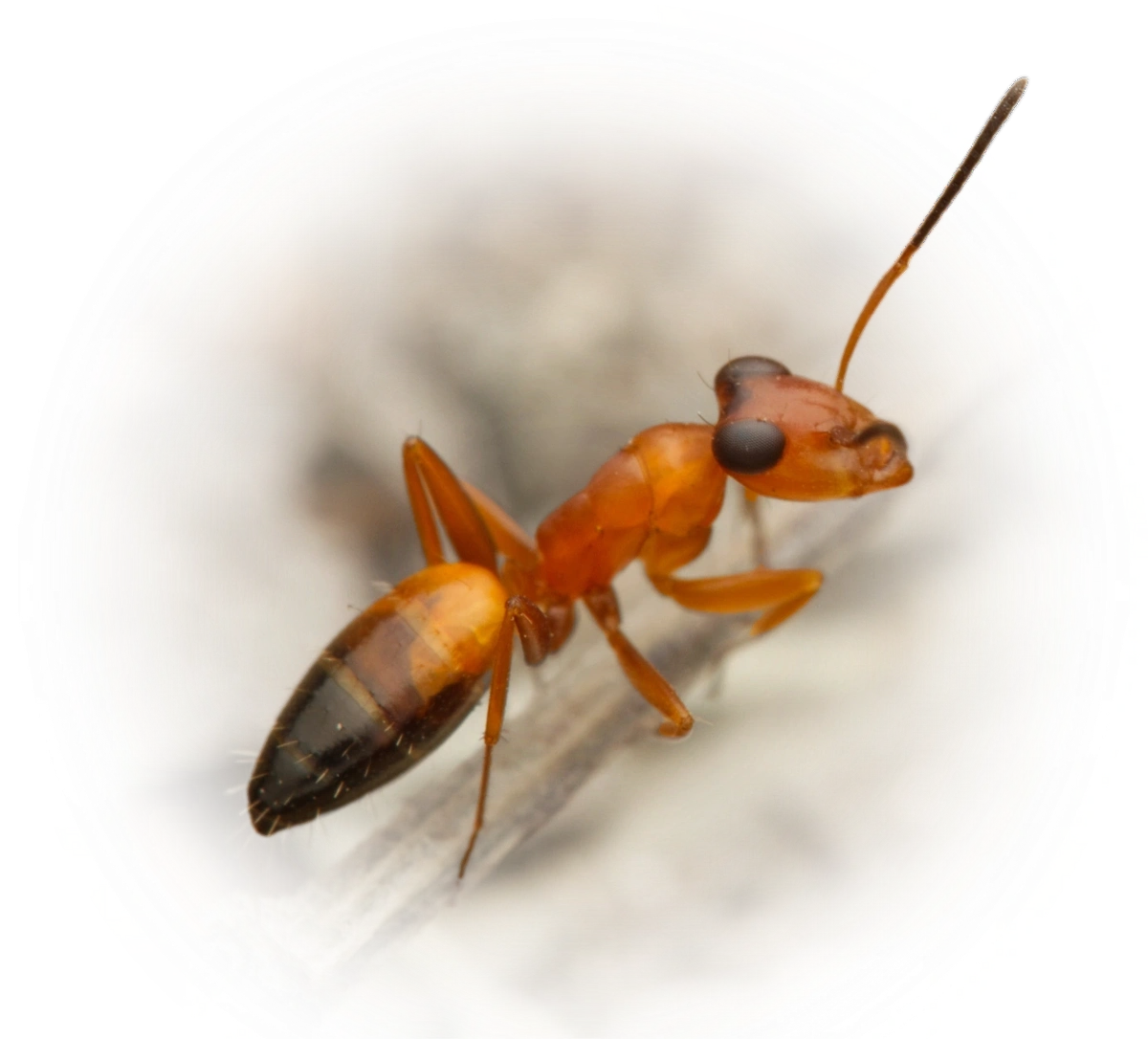

Opisthopsis haddoni
- Scientific Name
- Opisthopsis haddoni
- Tribe
- Camponotini
- Subfamily
- Formicinae
- Author
- Emery, 1893
- Common Name
- Haddon's Strobe ant
- Distribution
- Found in 2 countries
Opisthopsis haddoni Overview
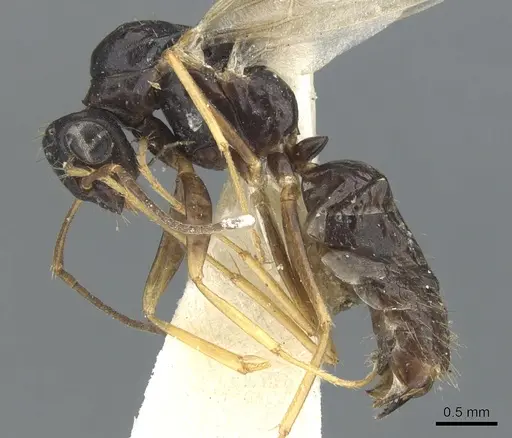
Opisthopsis haddoni (commonly known as the Haddon's Strobe ant) is an ant species of the genus Opisthopsis. It is primarily documented in 2 countries , including Australia, Papua New Guinea. Detailed taxonomic data and occurrence records can be further explored via authoritative databases such as AntWeb or the Global Biodiversity Information Facility (GBIF).
Opisthopsis haddoni - "Haddon's Strobe ant"
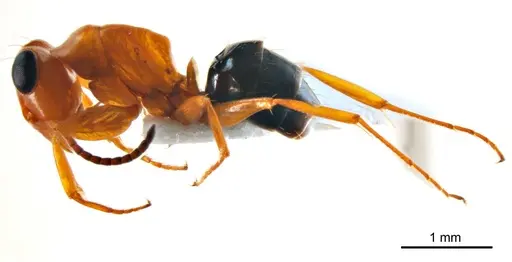
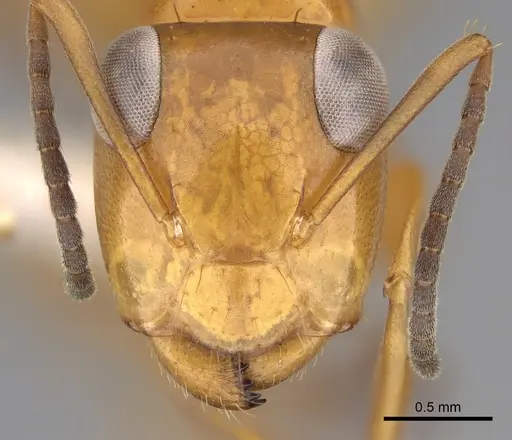
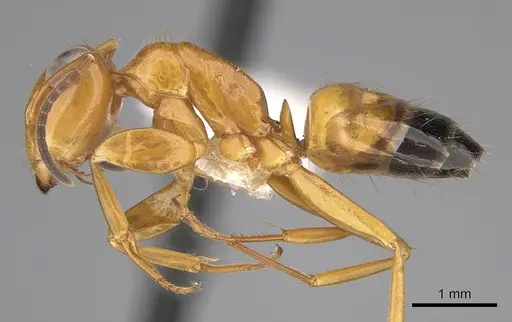
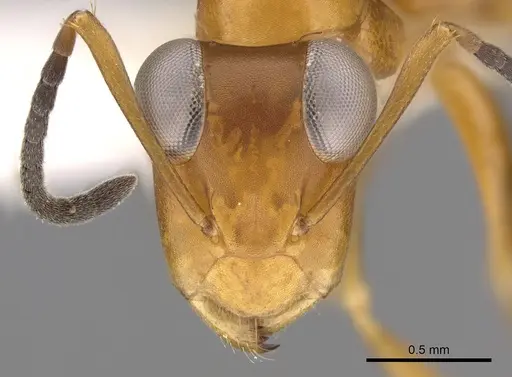
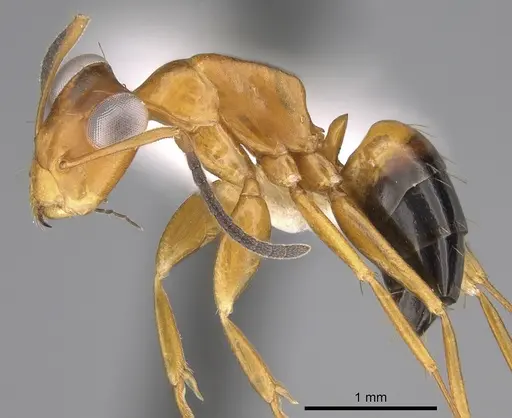
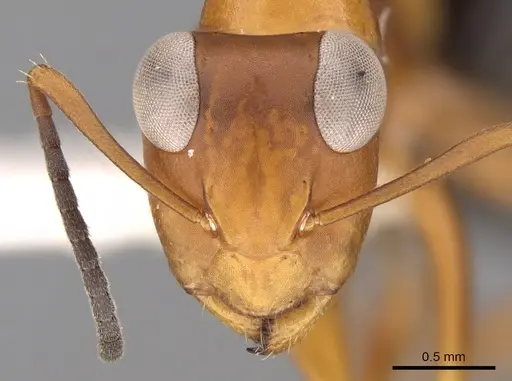
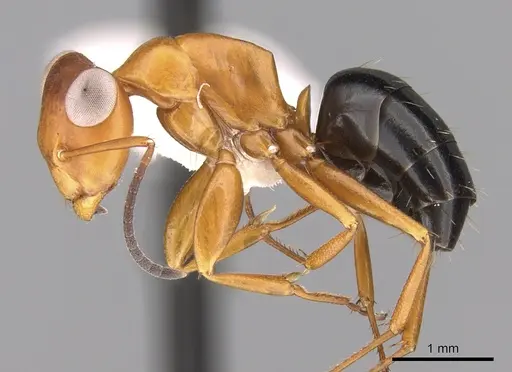
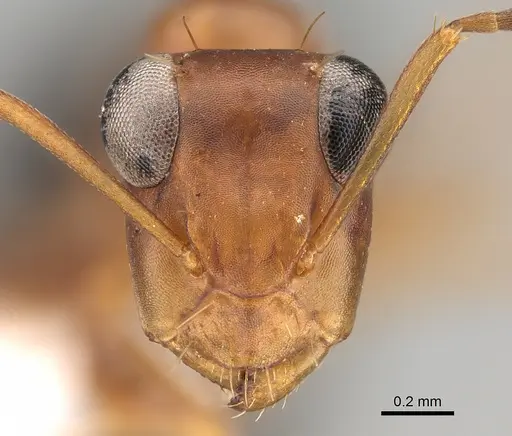
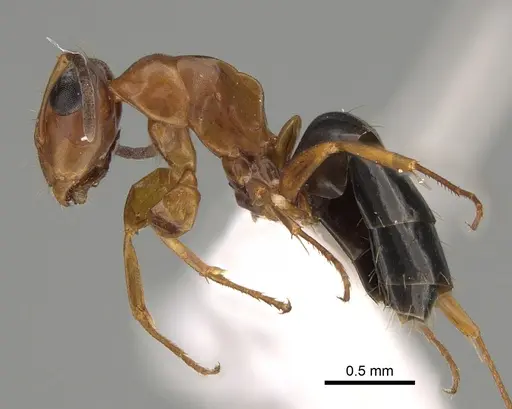
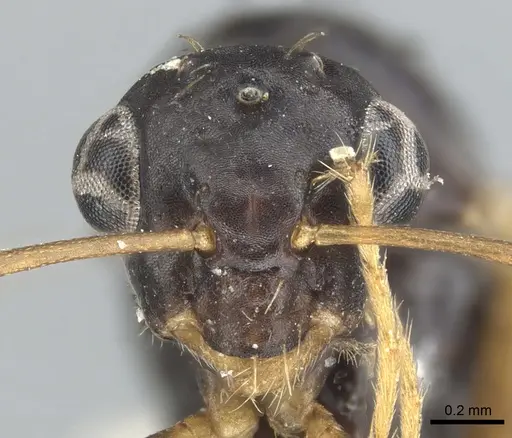
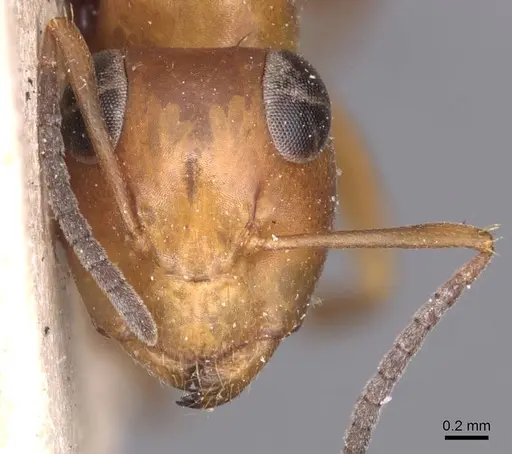
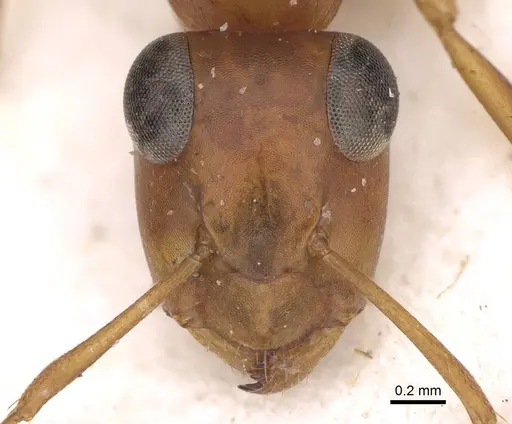
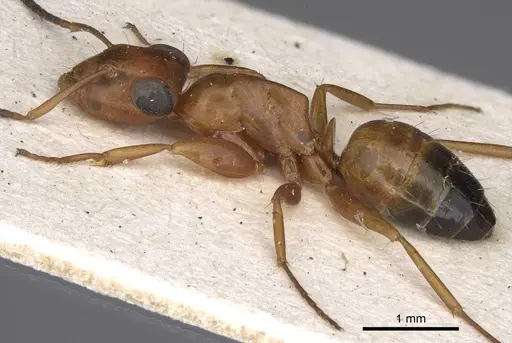
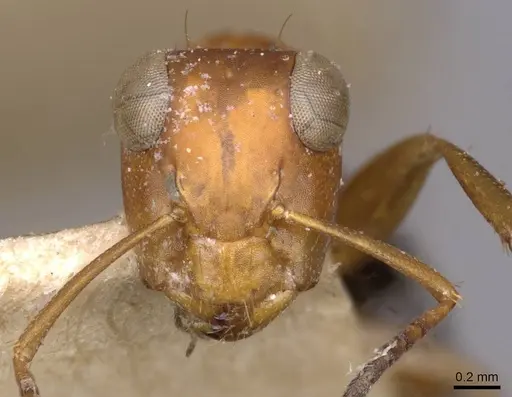
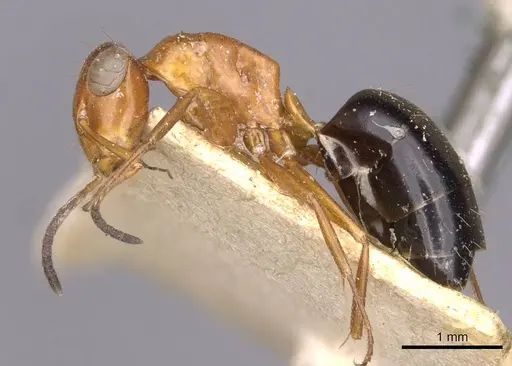
Opisthopsis haddoni is a distinctive Australian ant known for its extraordinarily large eyes positioned on the posterior angles of its head capsule, giving it excellent vision [1]. Workers are relatively small but incredibly fast-moving, capable of reaching speeds of 50-60 body lengths per second during their unique 'strobing' movement pattern [2]. This species is found throughout northern Australia, from Queensland across to Western Australia, typically in savanna and tropical environments [3][4]. The strobing behavior, rapid bursts of movement followed by brief pauses where they tap their antennae on the ground, is the most frequent way they travel, and may have evolved as a form of camouflage to move without easy detection [2]. They are subordinate members of the Camponotini tribe and tend to be nocturnal foragers [5].
Quick Summary
- Difficulty: Medium
- Origin & Habitat: Northern Australia (Queensland, Western Australia, Northern Territory) in savanna and tropical monsoonal environments. Prefers higher ground and is found on multiple islands including Barrow Island [6][4].
- Colony Type: Single-queen (monogyne) colonies. This appears to be the typical colony structure though detailed studies are limited.
- Colony: Monogyne
- Founding: Claustral
- Size & Growth:
- Queen: Not specifically measured in available papers, genus-level estimate around 8-10mm based on related Camponotini
- Worker: Small, approximately 4-6mm based on genus patterns
- Colony: Colony size data limited, likely moderate colonies typical of subordinate Camponotini
- Growth: Moderate, development timeline unconfirmed but likely 6-10 weeks based on genus patterns
- Development: 6-10 weeks (estimated based on related Camponotini species) (Direct development data not available for this species. Temperature-dependent inference from genus patterns suggests moderate development time.)
- Antkeeping:
- Temperature: Keep at 24-28°C. Being an Australian tropical/savanna species, they prefer warm conditions. A heating cable on one side of the nest creates a suitable gradient.
- Humidity: Moderate humidity, typical of savanna environments. Keep nest substrate slightly moist but allow some drying areas. They are not dependent on extremely high humidity.
- Diapause: Likely a mild winter slowdown period given Australian distribution, but full hibernation is probably not required. Cooler temperatures (15-20°C) during winter months may be appropriate.
- Nesting: Y-tong (AAC) nests work well for this species. Their small size and preference for enclosed spaces make acrylic or plaster nests suitable. Provide a water tube for humidity.
- Behavior: These ants are active and fast-moving with unique strobing locomotion. They are difficult to catch due to their dodging movements [2]. Workers are not particularly aggressive but are alert and quick. They tend to be nocturnal foragers [5]. Escape prevention should be moderate, they are small but not among the tiniest ants. They accept standard ant foods including sugar sources and protein. The strobing behavior makes them fascinating to watch, they move in rapid bursts then pause to tap their antennae before moving again [2].
- Common Issues: limited captive care information, this is not a commonly kept species so experience is limited, specific humidity requirements not well documented, start with moderate levels and observe colony preference, development timeline is estimated rather than confirmed, patience required during founding, wild-caught colonies may have parasites, quarantine and monitor new colonies, strobing behavior may be mistaken for distress by inexperienced keepers, this is normal movement
Unique Strobe Walking Behavior
Opisthopsis haddoni is famous for its unique 'strobing' locomotion, a movement pattern where ants alternate between rapid bursts of speed and complete stillness. The strobing cycle runs at 5-7 Hz, meaning they speed up and stop about 5-7 times per second [2]. During the active phase, they reach incredible peak speeds of 50-60 body lengths per second (up to 364mm/s), though their overall average is slower at about 36mm/s due to those prolonged pauses [2]. The movement follows an alternating tripod gait pattern: three steps (tripod-1,tripod-2,tripod-1) followed by a pause where they tap their antennae on the ground before resuming [2]. This behavior occurs both on familiar foraging paths and in novel environments, making it their primary mode of travel [2]. When directly disturbed (by a predator or threat), they switch to a 'flight' gait that lasts only a few seconds before reverting to strobing [2]. Scientists believe strobing may have evolved as a form of camouflage, the pauses may help them blend into the background as stationary objects, or it could be a tradeoff to achieve extremely high speeds within the limits of their neurosensory processing [2].
Vision and Sensory Adaptations
This species has extraordinarily large eyes for an ant, positioned on the posterior angles of the head capsule [2][1]. This eye placement and size suggests excellent vision, likely an adaptation for detecting predators and navigating their environment. The large eyes likely contribute to their ability to perform the strobing behavior, they need good vision to coordinate those rapid bursts of movement and to detect threats. The antennae tapping behavior during pauses may serve to gather additional sensory information about their surroundings when stationary [2]. This combination of excellent vision and unique locomotion makes them remarkably difficult to catch, Wheeler (1918) noted their dodging movements even in the early observations of the genus [2]. In captivity, this means they are alert and responsive to vibrations and light changes in their environment.
Feeding and Diet
As a member of the Camponotini tribe, Opisthopsis haddoni likely has a typical ant diet of nectar, honeydew, and protein from small insects. The tribe is known for tending sap-feeding insects, and research has confirmed they carry the Blochmannia bacterial symbiont, which helps them process nitrogen from their food [7][8]. In captivity, offer sugar water or honey regularly, along with small protein sources like fruit flies, small crickets, or mealworms. They are likely nocturnal foragers [5], so offering food in the evening may encourage more active feeding behavior. As with most ants, provide a constant sugar source and protein 2-3 times per week. Remove uneaten prey after 24 hours to prevent mold.
Temperature and Housing
Being from tropical and savanna northern Australia, these ants prefer warm conditions. Aim for temperatures in the range of 24-28°C, which matches their natural habitat in Queensland and the Northern Territory. A heating cable placed on one side of the nest creates a temperature gradient allowing the colony to self-regulate. For housing, Y-tong (AAC) nests work well for this species due to their small size and preference for enclosed spaces. Alternatively, a small acrylic nest or plaster nest with appropriate humidity control would suit them. Include a water tube for humidity. They are not extremely humidity-demanding, so moderate moisture in the nest substrate is sufficient. Escape prevention should be moderate, while small, they are not among the tiniest ants, so standard barriers should suffice. [4]
Distribution and Ecology
Opisthopsis haddoni is endemic to northern Australia, with a distribution spanning Queensland, the Northern Territory, and Western Australia including Barrow Island [3][6]. They are classified as a subordinate Camponotini species, meaning they play a non-dominant role in ant communities [4][5]. The species shows a preference for higher islands rather than low-lying areas, they were significantly more likely to be found on larger islands with more elevation [9]. Their biogeographic classification is Torresian, reflecting their presence in the tropical northern Australian zone [4]. In the remote Mitchell Falls area of tropical northwestern Australia, they were recorded at both laterite and sandstone sites, showing some habitat flexibility [4]. This species became noticeably abundant following eradication of the invasive African Big-headed ant in Kakadu National Park, suggesting they benefit from reduced competition [10].
Bacterial Symbiont
Research has confirmed that Opisthopsis haddoni carries the Blochmannia bacterial symbiont, which was detected through PCR amplification of 16S rDNA [7][8]. This is the first detection of Blochmannia in the Opisthopsis genus, though the bacteria are common throughout the Camponotini tribe. The Blochmannia strain belongs to the Opisthopsis subgroup within the Blochmannia bacteria [8]. This symbiotic relationship helps the ants process nitrogen from their diet, particularly important for ants that rely on protein sources. The bacteria are passed from generation to generation, infecting the eggs. This symbiosis is another fascinating aspect of this species' biology and connects them to the broader evolutionary story of the Camponotini tribe.
Frequently Asked Questions
How long does it take for Opisthopsis haddoni to produce first workers?
The exact egg-to-worker timeline is not directly documented for this species. Based on related Camponotini species, expect approximately 6-10 weeks from egg to first nanitic worker at optimal temperature (around 26°C). Patience is essential during the founding stage.
What makes Opisthopsis haddoni special compared to other ants?
Their unique 'strobing' locomotion sets them apart, they move in rapid bursts of 50-60 body lengths per second, then pause completely, tap their antennae, and repeat. This behavior may help them avoid predators. They also have extraordinarily large eyes for an ant.
Can I keep Opisthopsis haddoni in a test tube?
Yes, test tubes work well for founding colonies. Use a standard test tube setup with a water reservoir and cotton plug. Once the colony grows to 20-30 workers, consider moving to a small Y-tong or acrylic nest.
Are Opisthopsis haddoni good for beginners?
This species is rated as medium difficulty. While their basic care is straightforward (warm temperatures, moderate humidity, standard ant diet), they are not commonly kept and limited captive care information exists. Experienced antkeepers will have more success.
Do they need hibernation or diapause?
Full hibernation is likely not required given their Australian tropical distribution. However, a mild winter slowdown period with temperatures around 15-20°C during winter months may be appropriate and mimics natural seasonal changes.
What do Opisthopsis haddoni eat?
They accept standard ant foods: sugar water or honey as a constant energy source, and small protein like fruit flies, small crickets, or mealworms 2-3 times per week. They tend to be nocturnal foragers, so evening feeding may be more successful.
How big do Opisthopsis haddoni colonies get?
Colony size is not well documented, but based on related Camponotini, they likely reach several hundred workers. They are not among the largest ant species.
Why do they move in such a strange way?
The 'strobing' behavior (rapid bursts followed by pauses) may have evolved as camouflage, the pauses help them blend in as stationary objects, or it allows extremely high-speed movement within the limits of their nervous system. It's their normal, healthy movement pattern.
Can I keep multiple queens together?
This species appears to be monogyne (single-queen). Combining unrelated queens is not recommended as they would likely fight. Single-queen colonies are the standard setup.
References

This caresheet is licensed under CC BY-SA 4.0 .
ANTWEB1008686
View on AntWeb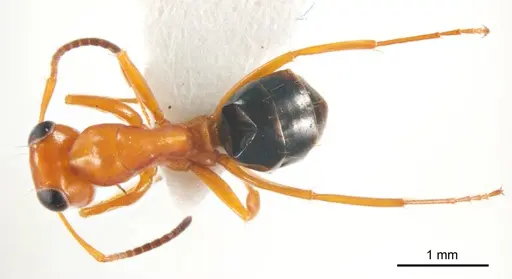
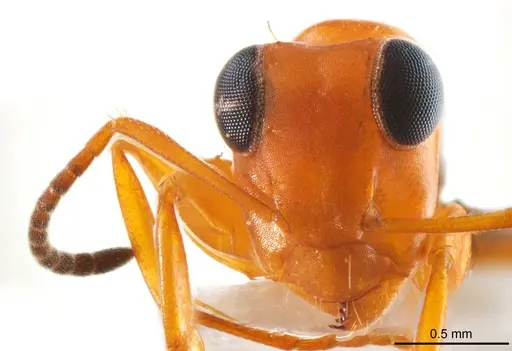
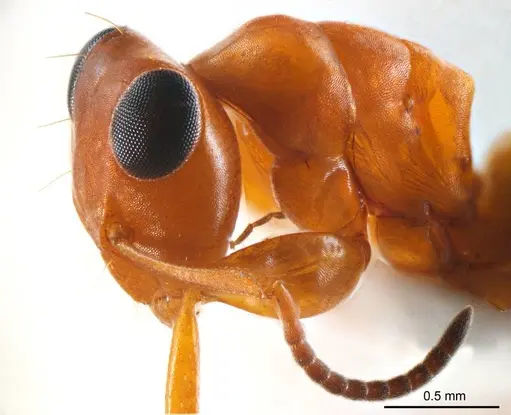
CASENT0281140
View on AntWeb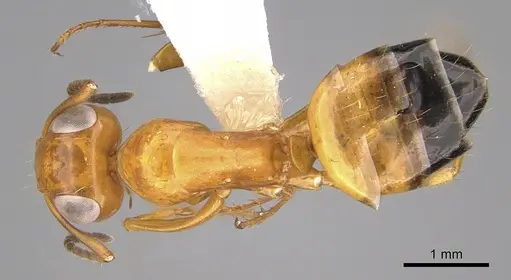
CASENT0281141
View on AntWeb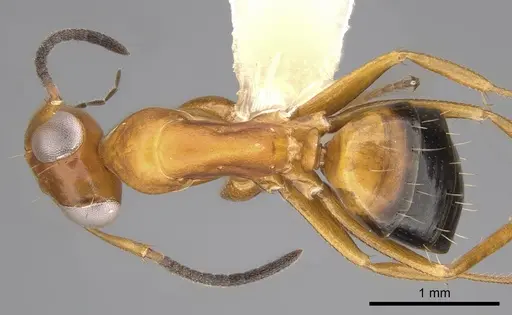
CASENT0281147
View on AntWeb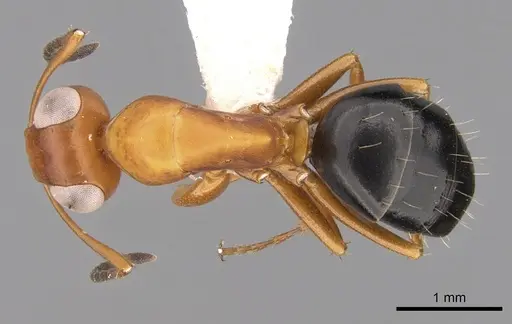
CASENT0887763
View on AntWeb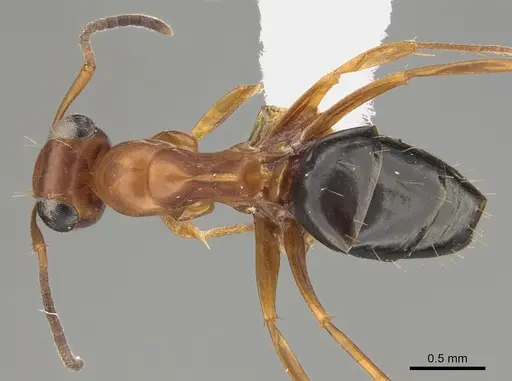
CASENT0903476
View on AntWeb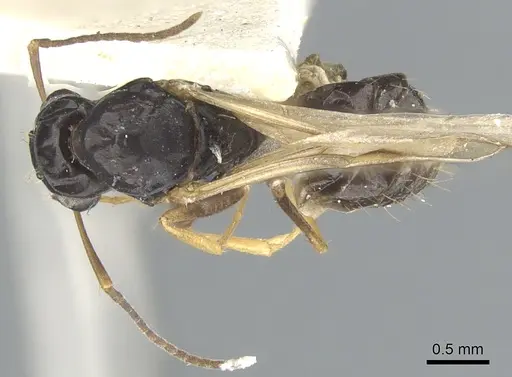
CASENT0905178
View on AntWeb
CASENT0906852
View on AntWeb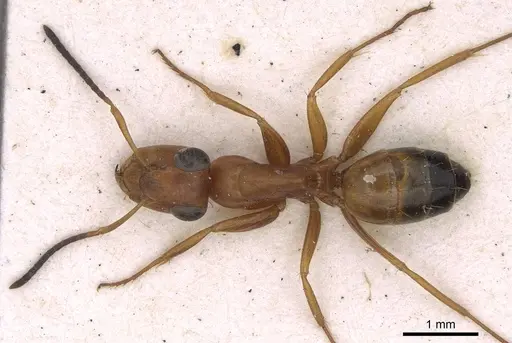
CASENT0909942
View on AntWeb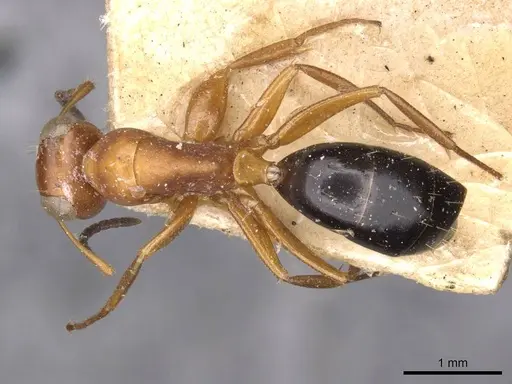
Literature
Loading...Loading products...