

Onychomyrmex glauerti
- Scientific Name
- Onychomyrmex glauerti
- Tribe
- Amblyoponini
- Subfamily
- Amblyoponinae
- Author
- Clark, 1928
- Distribution
- Found in 1 countries
Onychomyrmex glauerti Overview
Onychomyrmex glauerti is an ant species of the genus Onychomyrmex. It is primarily documented in 1 countries , including Australia. Detailed taxonomic data and occurrence records can be further explored via authoritative databases such as AntWeb or the Global Biodiversity Information Facility (GBIF).
Onychomyrmex glauerti
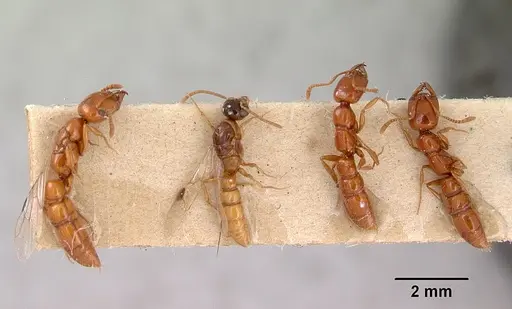
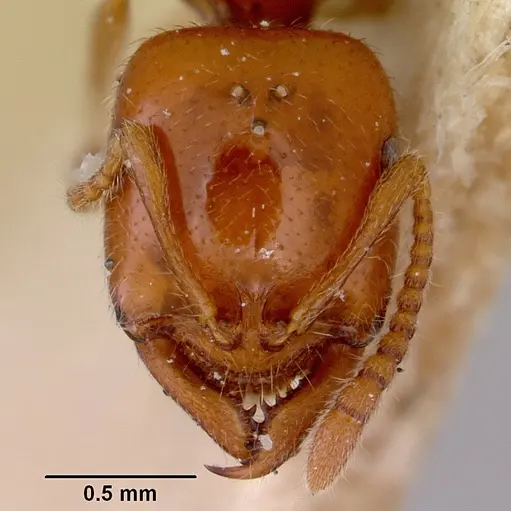
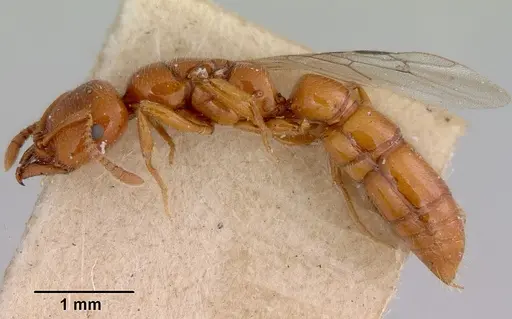
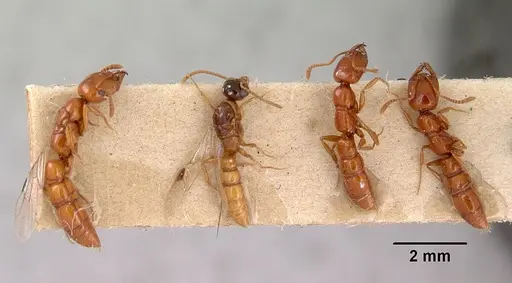
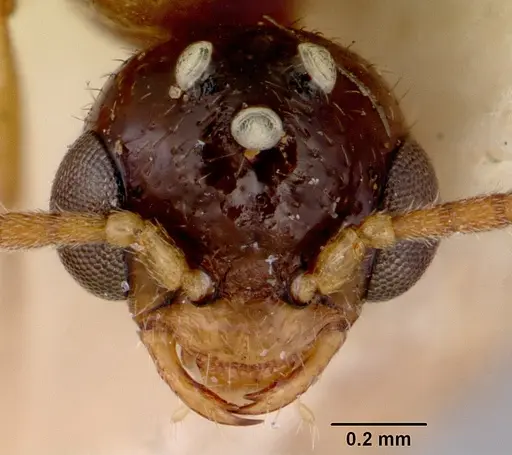
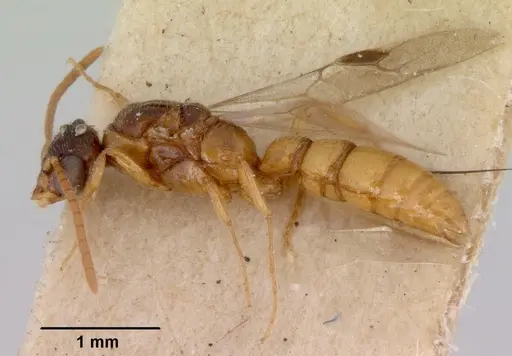
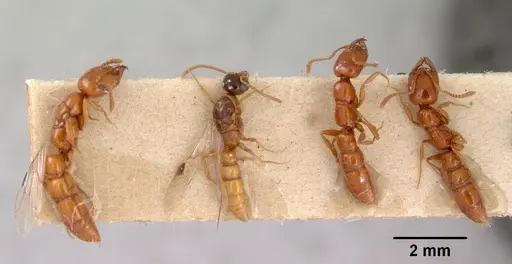
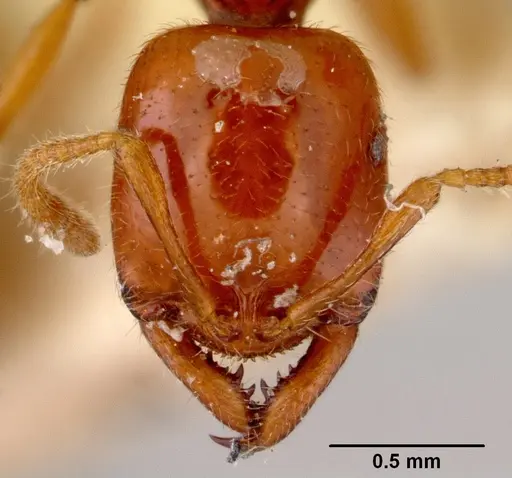
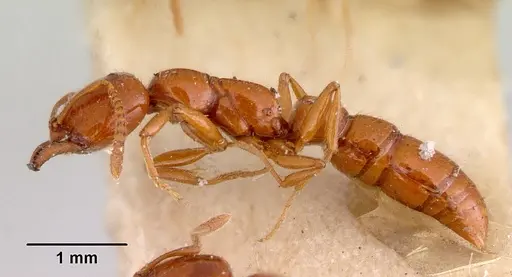
Onychomyrmex glauerti is a small, slender ant belonging to the Amblyoponinae subfamily, commonly known as dracula ants due to their unique feeding behavior where they puncture their brood to feed on hemolymph. Workers are modest in size with distinctive elongated mandibles adapted for their predatory lifestyle. This species was originally described as Onychomyrmex glauerti in 1928 and was later transferred to Onychomyrmex following taxonomic revisions in 2016 [1][2]. The species is endemic to Western Australia, with collection records from the Geraldton wheatbelt, Perth region (Bejoording, Pickering Brook), and Mt. Ragged in the southeast [3]. These ants are part of the tribe Amblyoponini and represent an unusual and specialized group within Australian ant fauna.
Quick Summary
- Difficulty: Medium
- Origin & Habitat: Western Australia, found in the northern wheatbelt near Geraldton, Perth region (Bejoording, Pickering Brook), and Mt. Ragged in the southeast. Collection records are old, suggesting this species may be locally rare or difficult to find [3].
- Colony Type: Ergatoid queens documented, the type series includes both regular queens and ergatoid (wingless) queens, indicating this species can produce replacement reproductives within established colonies [3].
- Colony: Monogyne
- Founding: Claustral
- Size & Growth:
- Queen: Approximately 5-6mm (estimated from related Amblyoponinae)
- Worker: Approximately 3-4mm
- Colony: Likely small to moderate colonies based on typical Amblyoponinae patterns
- Growth: Moderate
- Development: Estimated 6-10 weeks at optimal temperature based on genus-level data for Amblyoponinae (Development timeline is estimated, no direct species-specific studies available. Amblyoponinae typically have slower development than many common ant genera.)
- Antkeeping:
- Temperature: Keep at 22-26°C with a gentle gradient. Based on Western Australian habitat, these ants prefer warm conditions but can tolerate room temperature in most homes. A heating cable on one side of the nest creates a useful gradient
- Humidity: Moderate humidity around 50-60%. Allow the nest to dry partially between water additions. Western Australian species are adapted to semi-arid conditions
- Diapause: Likely a mild winter rest period (2-3 months at 10-15°C) based on temperate Australian distribution. Reduce feeding and activity during winter months
- Nesting: Y-tong (AAC) nests or plaster nests work well. Provide narrow chambers scaled to their small size. They prefer dark, enclosed spaces and will readily accept test tube setups in early colony stages
- Behavior: These are predatory ants with specialized feeding habits. Workers use their elongated mandibles to capture and subdue prey, primarily small arthropods. They are not aggressive toward keepers but will defend their nest if threatened. Escape risk is moderate, their small size means they can slip through small gaps, so use standard barrier precautions. They are primarily nocturnal or crepuscular foragers.
- Common Issues: colonies grow slowly compared to common ant species, which can frustrate beginners, prey acceptance may be limited, they prefer live small arthropods and may not accept dead prey initially, ergatoid queen system means colony recovery after queen loss is possible but slow, humidity control is important, too wet causes mold, too dry causes desiccation, wild-caught colonies may be difficult to find due to limited distribution
Housing and Nest Setup
Onychomyrmex glauerti does best in enclosed nest setups that provide darkness and security. For founding colonies, a standard test tube setup works well, fill the tube one-third with water, plug with cotton, and wrap the outer portion with dark material to block light. Once the colony reaches 15-20 workers, you can transition to a Y-tong (AAC) nest or plaster formicarium. These ants prefer narrow chambers and passages scaled to their small size. Avoid tall, open spaces which can stress them. Place the nest in a quiet area with minimal vibration and indirect lighting. A small outworld connected to the nest allows for feeding without disturbing the colony.
Feeding and Diet
As predatory dracula ants, Onychomyrmex glauerti requires protein-rich foods. Their unique behavior involves puncturing brood to feed on hemolymph, but in captivity they accept standard ant prey items. Offer small live prey such as fruit flies, pinhead crickets, small mealworms, and other tiny arthropods. Some colonies will accept dead prey if moved with forceps to simulate movement. Feed protein 2-3 times per week for established colonies, more frequently for growing colonies with brood. Sugar sources are generally not required for Amblyoponinae as they are not honeydew feeders. Always remove uneaten prey within 24 hours to prevent mold.
Temperature and Seasonal Care
Maintain nest temperatures between 22-26°C for optimal colony health and brood development. Western Australian species are adapted to warm temperate conditions with seasonal variation. During Australian winter (roughly June-August in the southern hemisphere), reduce temperatures to 10-15°C for a 2-3 month rest period. This mimics natural seasonal cycles and supports colony health. Reduce feeding during this period as colony activity decreases. Room temperature (20-24°C) is generally acceptable in most homes. Use a heating cable or mat on one side of the nest to create a temperature gradient if your home is cool, placing the heating element on top of the nest to avoid drying out the substrate.
Behavior and Colony Dynamics
Onychomyrmex glauerti exhibits typical Amblyoponinae behaviors including specialized predation and unique brood-feeding techniques. Workers are modest in size but effective hunters using their elongated mandibles. Colonies are relatively peaceful and not prone to biting or stinging humans. The presence of ergatoid queens means colonies can produce replacement reproductives if the primary queen dies or becomes ineffective, this provides some resilience compared to species without ergatoid reproduction. Workers are primarily nocturnal, so you may see more activity in the evening hours. They are not aggressive escape artists but standard barrier methods (Fluon, talcum powder barriers) should still be used due to their small size.
Frequently Asked Questions
How long does it take for Onychomyrmex glauerti to produce first workers?
Based on typical Amblyoponinae development, expect 6-10 weeks from egg to first worker at optimal temperatures (22-26°C). Development is slower than many common ant species, so patience is required during the founding stage.
What do Onychomyrmex glauerti ants eat?
They are predatory ants requiring protein-rich foods. Feed small live prey such as fruit flies, small crickets, mealworms, and other tiny arthropods. Some colonies will accept dead prey if moved with forceps. Protein should be offered 2-3 times per week.
Do Onychomyrmex glauerti ants sting?
They have a stinger but are not aggressive toward humans. They will defend their nest if directly threatened but typically flee rather than attack. The sting is mild and rarely used against keepers.
Can I keep multiple Onychomyrmex glauerti queens together?
This species has ergatoid (wingless) queens but is not polygynous. Combining unrelated foundress queens is not recommended as they will likely fight. The ergatoid system allows for replacement reproductives within an established colony, not multi-queen colonies.
Do Onychomyrmex glauerti need hibernation?
Yes, a mild winter rest period of 2-3 months at 10-15°C is recommended. This mimics their natural seasonal cycle in Western Australia. Reduce feeding during this period and allow the colony to slow down naturally.
Are Onychomyrmex glauerti good for beginners?
They are rated as medium difficulty. They require more patience than common species due to slower growth and specific feeding requirements, but their peaceful nature and manageable care make them suitable for keepers willing to provide live prey regularly.
Why is this species called a dracula ant?
Amblyoponinae ants, including Onychomyrmex, have a unique feeding behavior where workers puncture the integument of their brood and feed on the hemolymph (the insect equivalent of blood). This vampire-like behavior earned them the common name dracula ants.
How big do Onychomyrmex glauerti colonies get?
Based on typical Amblyoponinae patterns, colonies likely reach 100-200 workers at maturity. They are not large colony species compared to genera like Camponotus or Iridomyrmex.
When should I move my colony to a formicarium?
Transition from test tube to a proper nest (Y-tong or plaster) once the colony reaches 15-20 workers and you see consistent brood development. Moving too early can stress the colony, waiting too long may lead to escape or health issues in the test tube.
References

This caresheet is licensed under CC BY-SA 4.0 .
CASENT0172203
View on AntWeb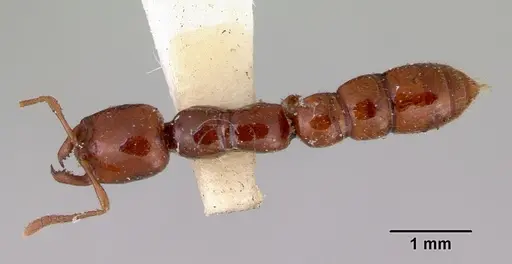
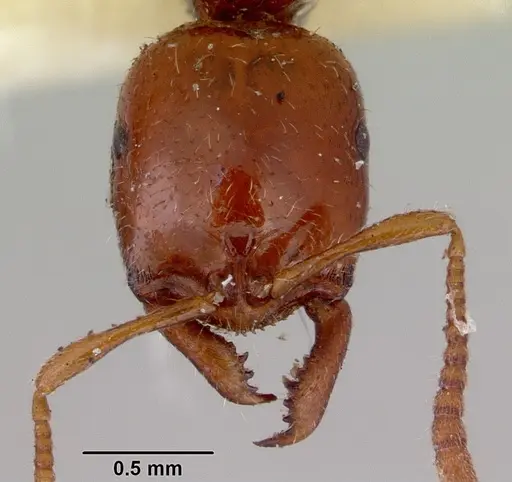
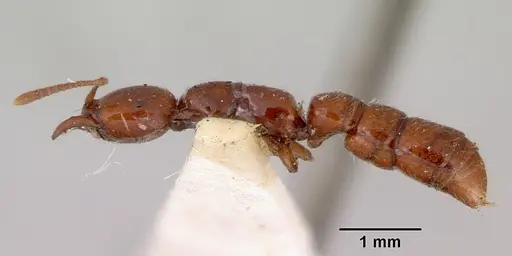
CASENT0172204
View on AntWeb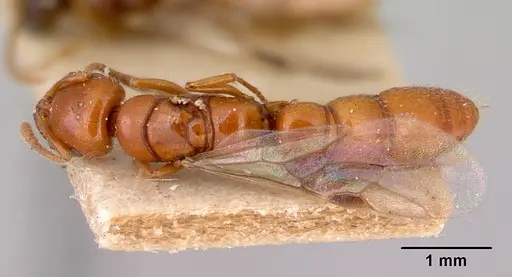
CASENT0172205
View on AntWeb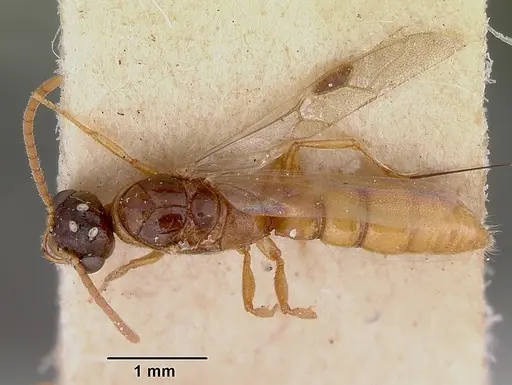
CASENT0172206
View on AntWeb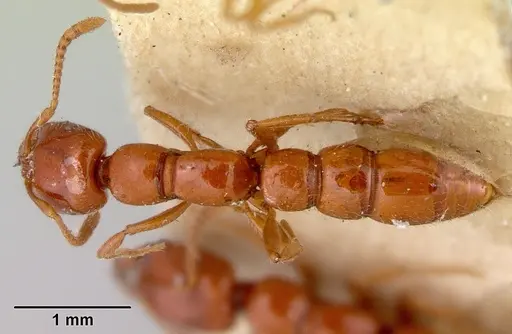
Literature
Loading...Loading products...