

Onychomyrmex doddi
- Scientific Name
- Onychomyrmex doddi
- Tribe
- Amblyoponini
- Subfamily
- Amblyoponinae
- Author
- Wheeler, 1916
- Distribution
- Found in 1 countries
Onychomyrmex doddi Overview
Onychomyrmex doddi is an ant species of the genus Onychomyrmex. It is primarily documented in 1 countries , including Australia. Detailed taxonomic data and occurrence records can be further explored via authoritative databases such as AntWeb or the Global Biodiversity Information Facility (GBIF).
Onychomyrmex doddi
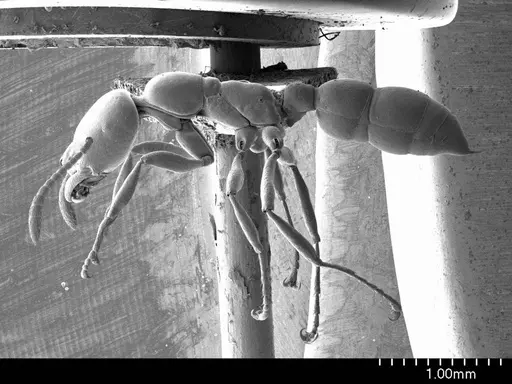
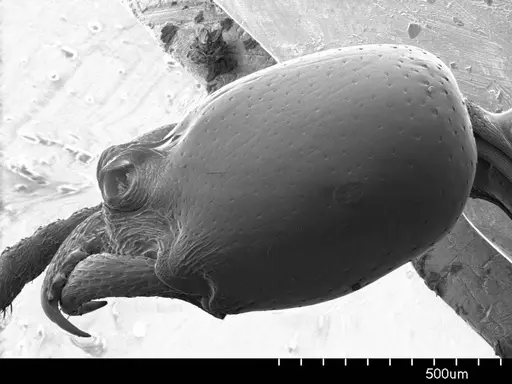
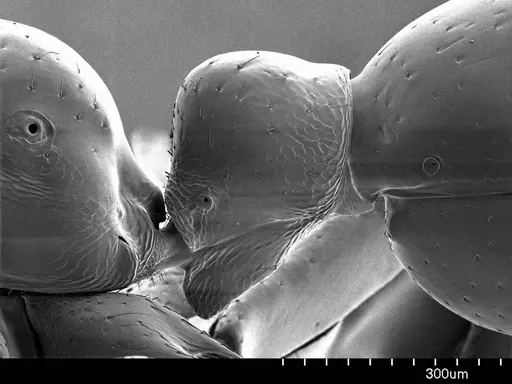
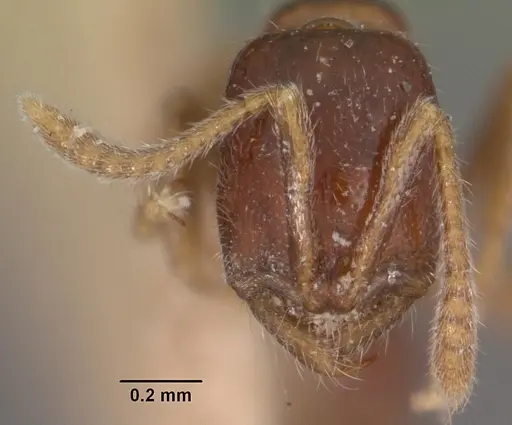
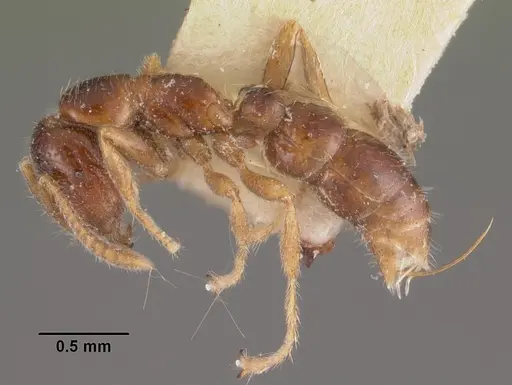
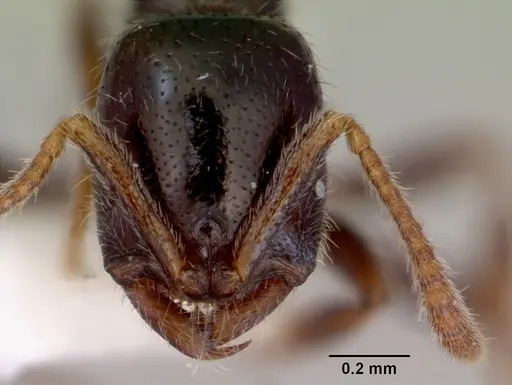
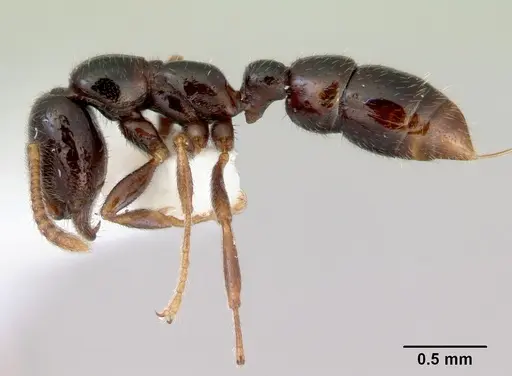
Onychomyrmex doddi is a tiny Australian ant belonging to the Amblyoponinae subfamily, commonly known as the 'dracula ants' due to their unique feeding habits. Workers measure just 2-2.5mm and are deep chestnut to nearly black in color, with yellowish-brown antennae, legs, and gaster tips. Queens are considerably larger at nearly 4mm. This species is confined to the Australasian region, specifically Queensland, Australia, where it inhabits damp, shady areas in dense rainforest or 'scrub' environments [1].
What makes O. doddi particularly interesting is its membership in the POA clade, a group of ants with an army ant-like lifestyle featuring nomadic colonies and modified wingless (ergatoid) queens. Unlike most ants that establish permanent nests, these ants move their colonies periodically, similar to army ants. The genus Onychomyrmex is part of a lineage that has evolved specialized hunting behaviors and unique social structures among Australian Amblyoponinae [2].
Quick Summary
- Difficulty: Hard
- Origin & Habitat: Queensland, Australia, found in damp, shady spots in dense rainforest or 'scrub' environments [1]
- Colony Type: Colonies contain ergatoid (wingless) queens. The single known colony sample had nearly 50 workers with one female. Based on POA clade membership, colonies likely have nomadic tendencies with potential multiple reproductive queens [2][1].
- Size & Growth:
- Queen: Nearly 4mm [1]
- Worker: 2-2.5mm [1]
- Colony: Colony size data limited, the only documented wild colony had approximately 50 workers [1]
- Growth: Unknown, likely moderate based on related Amblyoponinae
- Development: Unknown, no direct development data available. Based on typical Amblyoponinae patterns, estimate 6-10 weeks at optimal temperature (Development timeline unconfirmed for this specific species)
- Antkeeping:
- Temperature: Keep at 22-26°C. These are tropical Australian ants requiring warm, stable temperatures. A gentle gradient allowing workers to self-regulate is beneficial
- Humidity: High humidity required, they naturally inhabit damp, shady rainforest environments. Keep nest substrate consistently moist but not waterlogged. Provide a water source via test tube setup[1]
- Diapause: Likely minimal or none, being tropical Australian ants from Queensland, they probably do not require true hibernation. However, a slight cooling period during winter months may be beneficial
- Nesting: Natural nesting occurs in small logs in damp, shaded areas. In captivity, a test tube setup with moist substrate works well for founding colonies. Given their small size and preference for dark, humid conditions, provide enclosed spaces with minimal light exposure. Y-tong or plaster nests with high humidity retention are suitable for established colonies
- Behavior: O. doddi is predatory, typical of Amblyoponinae. Workers are small but active hunters. They likely use their stingers for subduing prey, though the sting is mild to humans. As army ant relatives, they probably exhibit nomadic colony movement behavior and coordinated hunting. Escape risk is moderate due to their small size, use standard barrier methods. Workers are likely fast-moving and may be more active than typical ground-nesting ants[2]
- Common Issues: nomadic behavior may stress captive colonies if they cannot move, provide space for colony relocation, high humidity requirements can lead to mold if ventilation is poor, small colony size in wild specimens means captive colonies may be fragile, predatory diet makes feeding more challenging than sugar-feeding species, ergatoid queen system may differ from typical claustral founding, research needed before attempting colony establishment
Understanding Onychomyrmex doddi - The Army Ant Relatives
Onychomyrmex doddi belongs to the Amblyoponinae subfamily, a fascinating group of ants often called 'dracula ants' due to their unique feeding habits where they sometimes feed on the hemolymph (blood-like fluid) of prey rather than consuming the entire organism. What makes this species particularly special is its placement in the POA clade, a group characterized by army ant-like behavior including nomadic colonies and modified wingless queens called ergatoids [2].
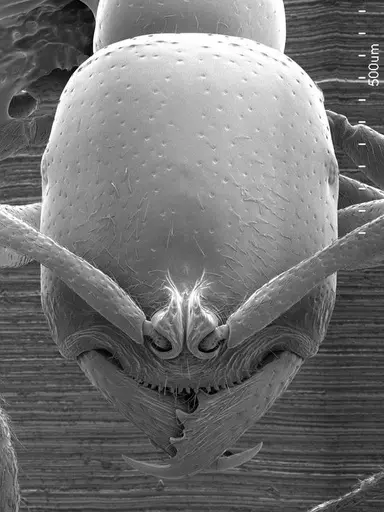
Workers are tiny at 2-2.5mm with a distinctive dark chestnut to nearly black coloration. The queen is considerably larger at nearly 4mm. Both castes have the characteristic features of Amblyoponinae including specialized mandible structures adapted for their predatory lifestyle. The species was first described by W.M. Wheeler in 1916 from specimens collected in Kuranda, Queensland [1].
The known distribution is limited to Queensland, Australia, where they inhabit the damp, shaded understory of dense rainforest or 'scrub' environments. This habitat preference explains their high humidity requirements in captivity.
Housing and Nest Setup
For O. doddi, maintaining proper humidity is the most critical factor for success. In the wild, they nest in small logs in damp, shady spots within dense vegetation, this translates to needing consistently moist substrate in captivity. A standard test tube setup works well for founding colonies, with the water reservoir keeping the cotton and surrounding area humid.
Given their small worker size (2-2.5mm), escape prevention is straightforward with standard barriers, though fine mesh should still be used as a precaution. These ants prefer dark, enclosed spaces and will likely thrive in nests that provide multiple chambers with minimal light exposure.
For established colonies, consider Y-tong nests or plaster nests that can maintain high humidity without becoming waterlogged. The key is providing a humidity gradient so workers can self-regulate by moving between moister and drier areas within the nest. Avoid overly bright lighting near the nest area. [1]
Feeding and Diet
As predatory Amblyoponinae, O. doddi requires a protein-rich diet consisting of small live prey. In nature, they hunt small invertebrates in the forest floor ecosystem. In captivity, offer small live prey such as fruit flies, pinhead crickets, small mealworms, and other appropriately sized insects.
Unlike many ants that readily accept sugar water or honey, Amblyoponinae are primarily predatory and may not strongly pursue sugar sources. However, offering occasional sugar water is worth experimenting with, some keepers report success with sugar acceptance in related species. The primary focus should be on providing varied protein sources.
Feed small prey items every 2-3 days, adjusting based on colony consumption. Remove uneaten prey after 24 hours to prevent mold. A varied diet helps ensure proper nutrition for brood development. [1]
Temperature and Seasonal Care
Being tropical Australian ants from Queensland, O. doddi requires warm temperatures in the 22-26°C range. This aligns with their natural habitat in the warm, humid forests of northern Queensland. Room temperature within this range is typically suitable, but you may need a heating cable or mat for cooler environments.
Place heating elements on top of the nest rather than underneath to avoid evaporating moisture too quickly. Create a gentle temperature gradient so workers can regulate their own exposure to warmth. Watch for colony behavior, if workers consistently avoid the heated area, reduce temperature, if they cluster there, you can safely increase it slightly.
Regarding seasonal changes, being from a tropical region, they likely do not require true hibernation. However, a slight reduction in temperature during winter months (dropping a few degrees) may be appropriate and is generally well-tolerated by tropical ant species. [1]
Colony Structure and Reproduction
One of the most distinctive features of O. doddi is its colony structure. The species has ergatoid queens, queens that are born without wings, unlike the typical winged queens seen in most ant species. This is characteristic of the POA clade to which this species belongs [2].
The single documented wild colony had nearly 50 workers with one female (queen). This suggests moderate colony sizes, though more data would help confirm typical colony sizes. The presence of ergatoid queens means colony reproduction may differ from typical ants, ergatoid queens can often reproduce without the dramatic nuptial flights associated with winged queens.
Understanding the exact reproductive cycle remains a knowledge gap for this species. If you maintain a colony, observing and documenting queen behavior, brood development, and colony growth contributes valuable information to the antkeeping community.
Frequently Asked Questions
How long does it take for Onychomyrmex doddi to produce first workers?
The exact egg-to-worker development time is unknown for this species. Based on typical Amblyoponinae development patterns, expect approximately 6-10 weeks from egg to adult worker at optimal temperature (22-26°C). Patience is essential as this may vary.
Can I keep Onychomyrmex doddi in a test tube setup?
Yes, a test tube setup is suitable for founding colonies. Ensure the water reservoir keeps the substrate consistently moist. These ants require high humidity, which test tubes naturally provide. Cover the tube to minimize light exposure as they prefer dark conditions.
What do Onychomyrmex doddi ants eat?
They are predatory ants requiring live protein. Feed small live prey such as fruit flies, pinhead crickets, small mealworms, and other tiny insects. Sugar sources may be accepted experimentally but should not be the primary food. Remove uneaten prey within 24 hours.
Do Onychomyrmex doddi ants sting?
Yes, being in the Amblyoponinae subfamily, they have stingers. However, at 2-2.5mm, their sting is very mild and unlikely to penetrate human skin significantly. The sting is primarily used for subduing prey in their predatory lifestyle.
Are Onychomyrmex doddi good for beginners?
No, this species is not recommended for beginners. They have specific humidity requirements, need a predatory diet, and have unique colony structures (ergatoid queens, possible nomadic behavior) that differ from common ant species. Their care requirements are still being understood.
Do Onychomyrmex doddi need hibernation?
Probably not. Being tropical ants from Queensland, Australia, they likely do not require true hibernation. A slight temperature reduction during winter months may be appropriate, but dramatic cooling is not necessary or advisable.
How big do Onychomyrmex doddi colonies get?
The maximum colony size is not well documented. The only known wild colony had approximately 50 workers. Based on related species and their army ant-like lifestyle, colonies may reach several hundred workers, but this is an estimate.
Why is my Onychomyrmex doddi colony declining?
Common causes include: low humidity (they need consistently moist conditions), improper diet (must have live protein prey), temperature stress (keep at 22-26°C), and insufficient dark/enclosed space. Check these parameters first. Also ensure the colony is not being overfed, which can cause mold issues.
Can I keep multiple Onychomyrmex doddi queens together?
This is not well documented. The known colony had one female, but ergatoid queen systems can be complex. Combining unrelated foundress queens is not recommended without more research on their natural colony structure.
When should I move Onychomyrmex doddi to a formicarium?
Wait until the colony is well-established with at least 20-30 workers and you observe consistent brood production. Ensure the formicarium can maintain high humidity. Test tube setups can house colonies for extended periods if humidity is maintained.
References

This caresheet is licensed under CC BY-SA 4.0 .
ANTWEB1008560
View on AntWeb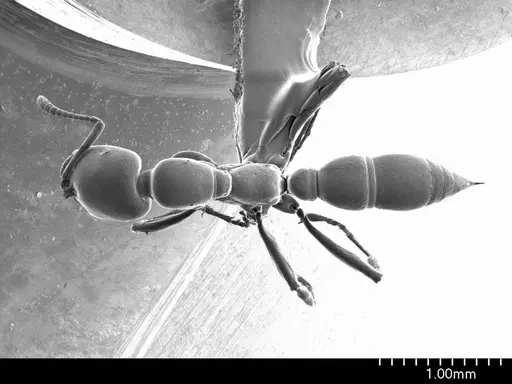
ANTWEB1008606
View on AntWeb
CASENT0102467
View on AntWeb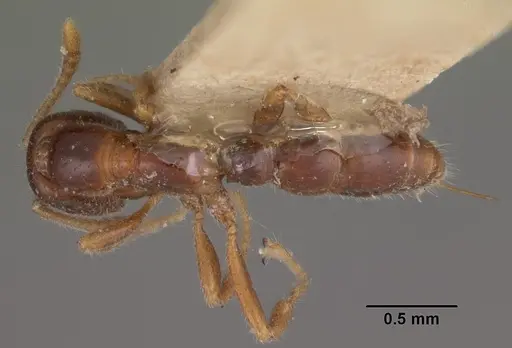
CASENT0172297
View on AntWeb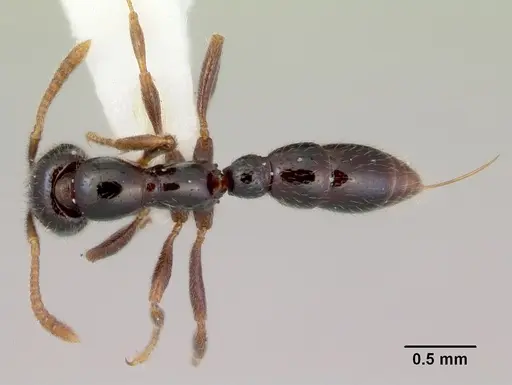
Literature
Loading...Loading products...