

Odontomachus yucatecus
- Scientific Name
- Odontomachus yucatecus
- Tribe
- Ponerini
- Subfamily
- Ponerinae
- Author
- Brown, 1976
- Distribution
- Found in 5 countries
Odontomachus yucatecus Overview
Odontomachus yucatecus is an ant species of the genus Odontomachus. It is primarily documented in 5 countries , including Belize, Guatemala, Honduras. Detailed taxonomic data and occurrence records can be further explored via authoritative databases such as AntWeb or the Global Biodiversity Information Facility (GBIF).
Odontomachus yucatecus
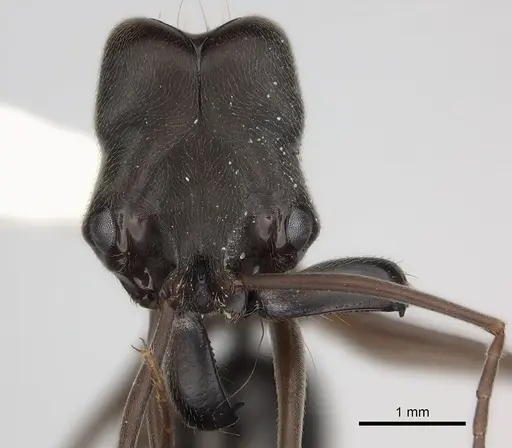
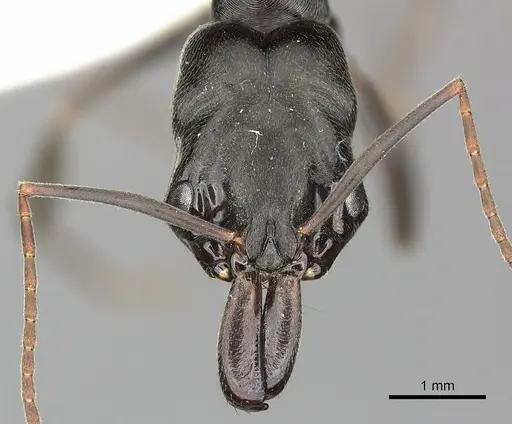
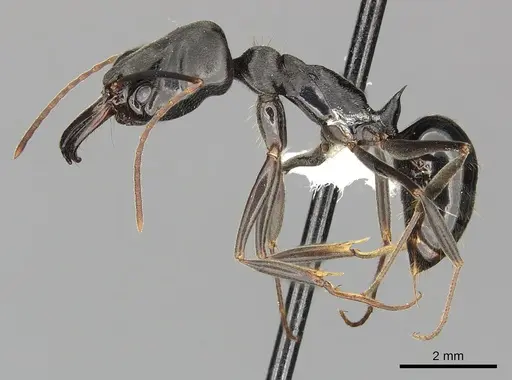
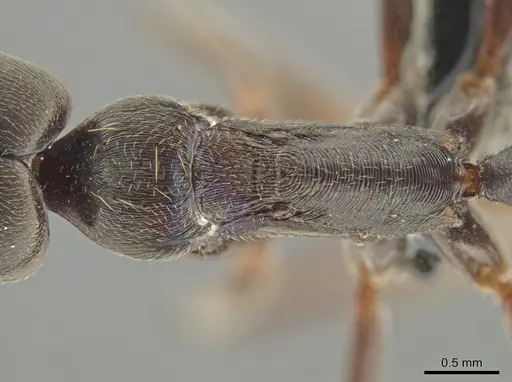
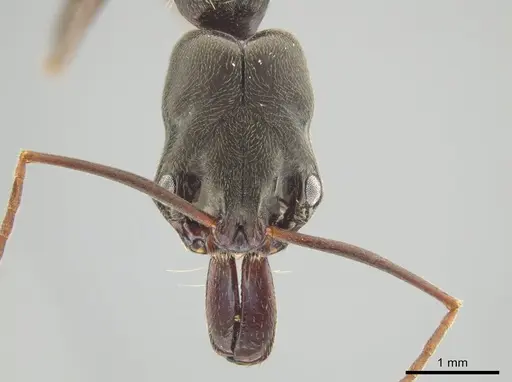
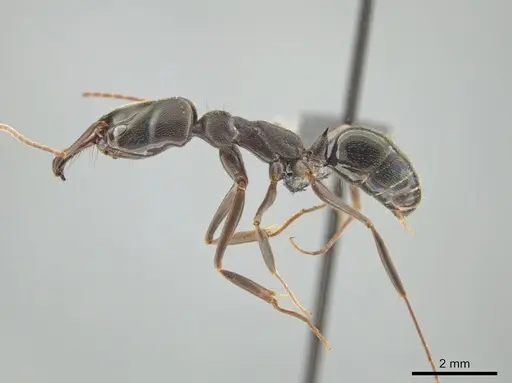
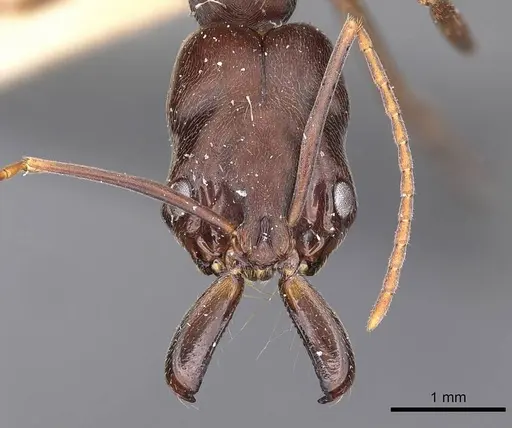
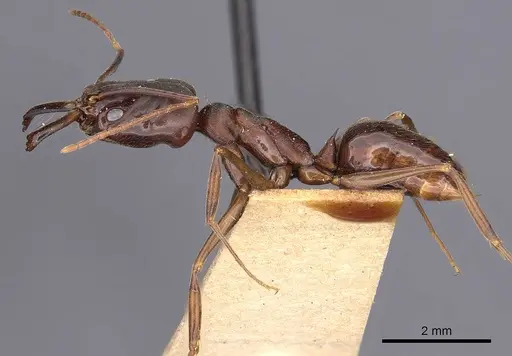
Odontomachus yucatecus is a striking trap-jaw ant belonging to the Odontomachus haematodus species group. These ants are medium-sized with workers measuring around 12-14mm, featuring the characteristic elongated mandibles that give them their common name. They have a generally dark coloration with a smooth and shiny gaster. The head shows distinctive striations that extend nearly to the nuchal carina, and the first gastric segment is predominantly smooth or only slightly sculptured. This species is native to the Neotropical region, ranging from southern Mexico through Guatemala, Belize, and into northern South America (Colombia, Ecuador, Brazil), where it inhabits lowland tropical forests at elevations below 700m [1][2].
These ants are active predators with specialized hunting behavior. They use their trap-jaw mandibles to capture prey with explosive speed, and like other Odontomachus species, they can deliver a painful sting. Colonies typically nest in soil or under stones in forested areas, and workers are known to forage in columns. This species is considered a habitat specialist, primarily found in primary forest environments rather than secondary growth or disturbed areas [3].
Quick Summary
- Difficulty: Medium
- Origin & Habitat: Native to the Neotropical region from southern Mexico (Campeche, Veracruz, Chiapas, Quintana Roo, Tabasco, Yucatán) through Guatemala, Belize, and into Colombia and Ecuador. Inhabits lowland tropical evergreen forests at elevations from sea level to around 700m. A habitat specialist restricted to primary forest, not found in secondary forest or plantations [3][1][2].
- Colony Type: Monogyne, single queen colonies. Colony size reaches several hundred workers in mature colonies.
- Colony: Monogyne
- Founding: Semi-claustral
- Size & Growth:
- Queen: Approximately 14-16mm (estimated based on genus patterns)
- Worker: 12-14mm [4]
- Colony: Several hundred workers (estimated based on related species)
- Growth: Moderate
- Development: 8-12 weeks (estimated based on typical Ponerinae development at 24-26°C) (Development time is temperature-dependent. Ponerine ants typically develop slower than many Myrmicinae species.)
- Antkeeping:
- Temperature: Keep nest area at 24-28°C with a slight gradient. These are lowland tropical ants that prefer warm, stable conditions. A heating cable on one side of the nest can help maintain optimal temperatures [4].
- Humidity: Moderate to high humidity (60-80%). Keep the nest substrate consistently moist but not waterlogged. Provide a water source in the outworld.
- Diapause: No, these are tropical ants that do not require hibernation. Maintain warm temperatures year-round.
- Nesting: Natural nesting occurs in soil and under stones in forested areas. In captivity, a naturalistic setup with soil substrate or a Y-tong/plaster nest with moisture retention works well. Provide a deep soil area for potential colony chambers.
- Behavior: Odontomachus yucatecus is an active predator with powerful trap-jaw mandibles. Workers are aggressive defenders of the colony and will readily sting if threatened. They forage individually and in columns, hunting small invertebrates. Their sting is painful, these ants should be handled with caution. They are excellent escape artists due to their size and activity level, use tight-fitting lids and appropriate barriers. Workers are moderately nocturnal but can be active day and night.
- Common Issues: tropical species requires warm temperatures year-round, cold drafts can be fatal, habitat specialist stressed by captivity, wild-caught colonies may struggle to adapt, powerful sting can cause pain, handle with care and avoid provocation, escape prevention is important, active foragers will find gaps in setup, slow colony growth compared to many common ant species, patience required
Housing and Nest Setup
Odontomachus yucatecus requires a setup that mimics their natural lowland tropical forest habitat. A naturalistic terrarium-style setup with a deep soil layer (at least 5-7cm) works well, as these ants naturally nest in soil and under stones. The soil should be kept consistently moist but never waterlogged. You can also use a Y-tong or plaster nest with a moisture reservoir, which makes humidity control easier. Regardless of nest type, provide a temperature gradient of 24-28°C with one side slightly warmer. The outworld should have a water tube and allow for easy feeding. Because these ants are active and good climbers, ensure all connections between nest and outworld are secure with cotton or other barriers. Escape prevention is critical, use fluon on rim edges and ensure lids fit tightly. [3][4]
Feeding and Diet
As predatory Ponerinae ants, Odontomachus yucatecus primarily hunts small invertebrates. In captivity, their diet should consist mainly of live prey such as small crickets, fruit flies, mealworms, and other appropriately-sized insects. They will typically accept dead prey as well, especially if it has been freshly killed. Offer protein foods 2-3 times per week. While they are primarily predators, some keepers report that Odontomachus species occasionally accept sugar water or honey, though this should be offered only occasionally and not relied upon as a primary food source. Always ensure prey is smaller than the ant's head to prevent choking hazards. Remove uneaten prey after 24-48 hours to prevent mold.
Temperature and Seasonal Care
These are true tropical ants that require warm, stable temperatures year-round. Keep the nest area at 24-28°C (around 26°C is ideal). Temperatures below 22°C can slow activity and may stress the colony, while temperatures above 30°C should be avoided. Unlike temperate species, O. yucatecus does not require a diapause or hibernation period. Maintain consistent warmth throughout the year. A small heating cable placed on one side of the nest can help maintain optimal temperatures, but ensure there is also a cooler area so ants can regulate their own temperature. Room temperature in a warm home may be sufficient, but monitor with a thermometer. [4]
Behavior and Defense
Odontomachus yucatecus is an active, alert ant with powerful defensive capabilities. Their most distinctive feature is their trap-jaw mandibles, which they use to snap shut on prey or threats with incredible speed. When threatened, they will readily use their sting, which is painful enough to deter most predators, and human handlers. Workers are moderately aggressive and will defend the colony vigorously. They forage both during the day and night, with some tendency toward nocturnal activity. In the wild, workers can be found moving in columns through the forest understory. In captivity, provide a dark area in the nest for the colony to retreat to. Handle the colony as little as possible, and never disturb the nest directly. [4]
Colony Development
Colony founding in Odontomachus yucatecus is semi-claustral, meaning the queen must leave the nest periodically to hunt for food during the founding stage. This is typical for Ponerine ants and differs from the fully claustral founding seen in many Formicinae and Myrmicinae. The queen will dig a small chamber and hunt nearby invertebrates to feed herself and eventually her first brood. This founding period can take several months, and the queen is vulnerable during this time, avoid disturbing the founding chamber. Once the first workers (nanitics) emerge, they will begin foraging and caring for subsequent brood. Colony growth is moderate, expect several months to reach 50 workers, and a year or more to reach 100+ workers. Mature colonies may contain several hundred workers.
Frequently Asked Questions
How long does it take for Odontomachus yucatecus to produce first workers?
Expect 8-12 weeks from egg to first worker at optimal temperatures (24-28°C). This is typical for Ponerine ants, which generally develop slower than many common ant species. The semi-claustral founding method also means the founding period may be longer than claustral species.
Do Odontomachus yucatecus ants sting?
Yes, they can and will sting. Their sting is painful, similar to a bee sting. These ants should be handled with caution, avoid provoking them and never disturb the nest directly. If stung, wash the area and apply ice for relief.
Can I keep multiple queens together?
No, Odontomachus yucatecus is monogyne (single-queen). Unlike some ants that can form multi-queen colonies, this species typically has only one queen per colony. Introducing multiple unrelated queens will likely result in fighting.
What do I feed Odontomachus yucatecus?
They are predators that need live or freshly killed insects. Offer small crickets, fruit flies, mealworms, or other appropriately-sized insects 2-3 times per week. Prey should be smaller than the ant's head. They may occasionally accept sugar water but this should not be their primary food.
Are Odontomachus yucatecus good for beginners?
This species is rated as medium difficulty. While rewarding, they require more specific conditions than beginner species: warm year-round temperatures, live prey feeding, and careful escape prevention. They are not recommended as a first ant unless you are prepared for these requirements.
Do they need hibernation?
No, they are tropical ants and do not require hibernation or a winter rest period. Keep them warm (24-28°C) year-round. Cold temperatures can stress or kill the colony.
How big do colonies get?
Mature colonies typically reach several hundred workers. Growth is moderate, expect 6-12 months to reach 50-100 workers, with continued growth over several years.
When should I move them to a formicarium?
You can keep them in a test tube setup initially, but they will benefit from a naturalistic setup with soil early on. Move them when the test tube becomes crowded or when you want to observe their natural burrowing behavior. A deep soil area is important for these soil-nesting ants.
Why are my ants dying?
Common causes include: temperatures too cold (below 22°C), low humidity, lack of adequate prey, or stress from disturbance. These are sensitive tropical ants that need stable conditions. Also check for escape routes, stressed colonies may attempt to flee. Wild-caught colonies often struggle to adapt to captivity.
References

This caresheet is licensed under CC BY-SA 4.0 .
CASENT0217547
View on AntWeb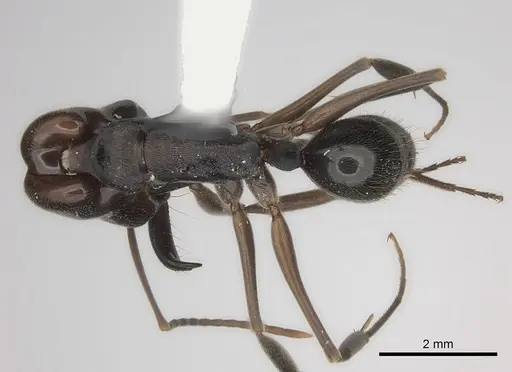
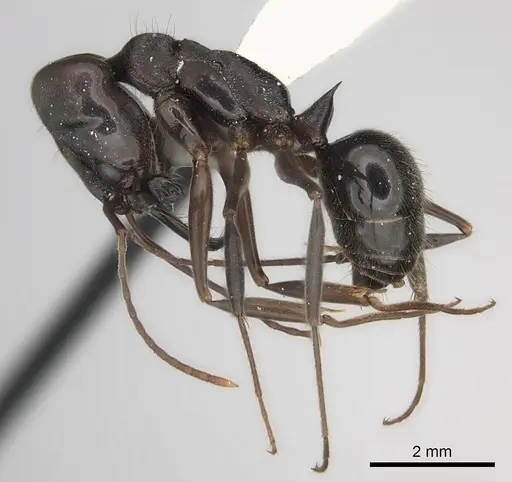
CASENT0270613
View on AntWeb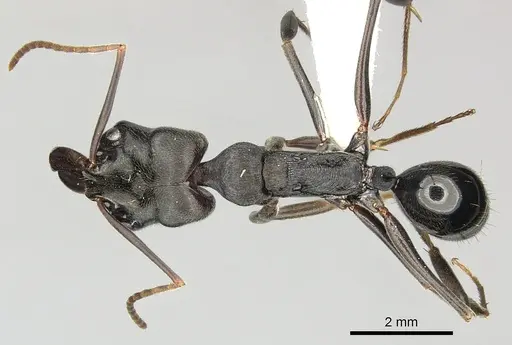
CASENT0649080
View on AntWeb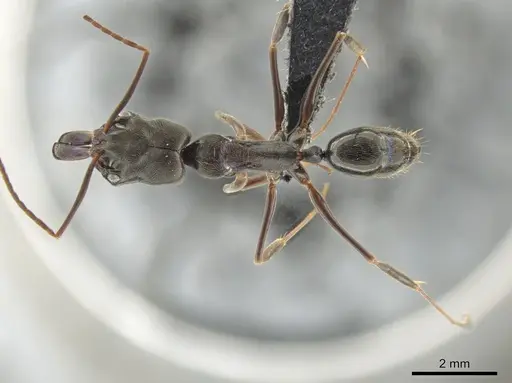
CASENT0900609
View on AntWeb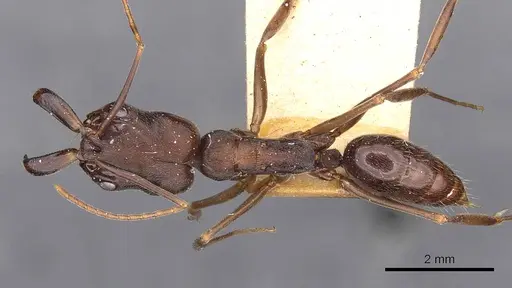
Literature
Loading...Loading products...