

Odontomachus testaceus
- Scientific Name
- Odontomachus testaceus
- Tribe
- Ponerini
- Subfamily
- Ponerinae
- Author
- Emery, 1897
- Distribution
- Found in 1 countries
Odontomachus testaceus Overview
Odontomachus testaceus is an ant species of the genus Odontomachus. It is primarily documented in 1 countries , including Papua New Guinea. Detailed taxonomic data and occurrence records can be further explored via authoritative databases such as AntWeb or the Global Biodiversity Information Facility (GBIF).
Odontomachus testaceus
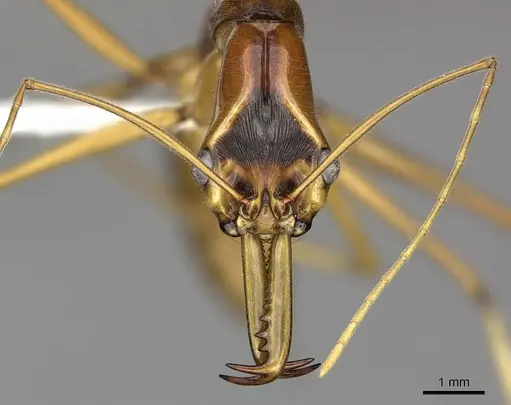
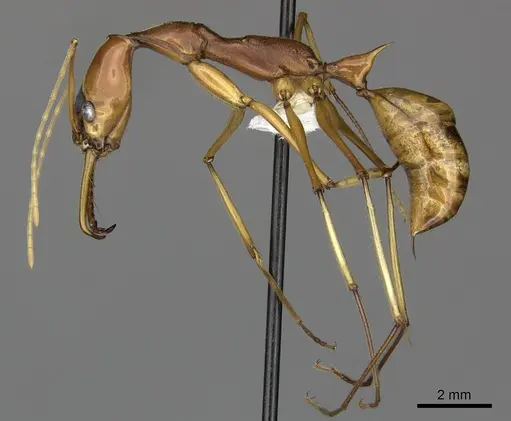
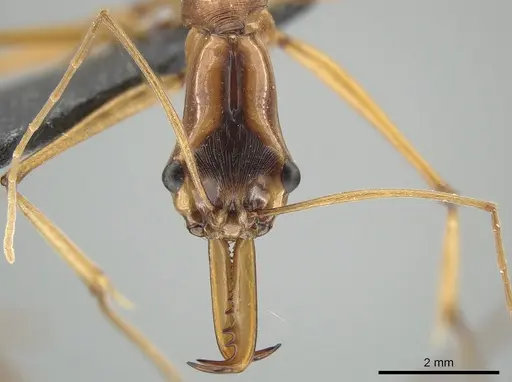
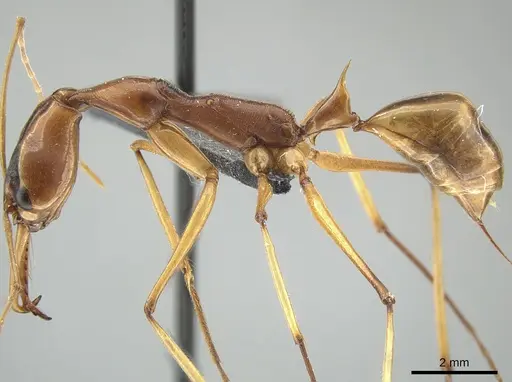
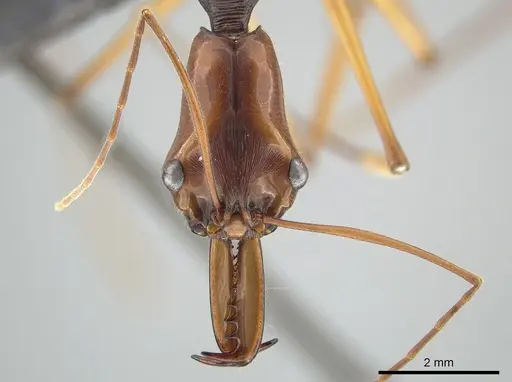
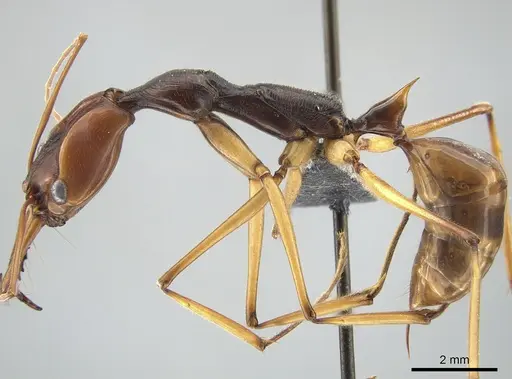
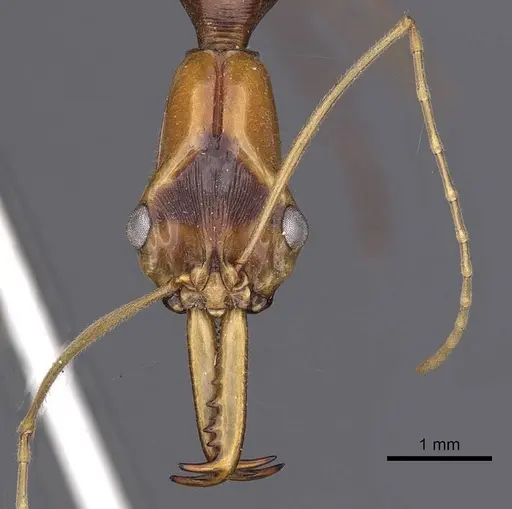
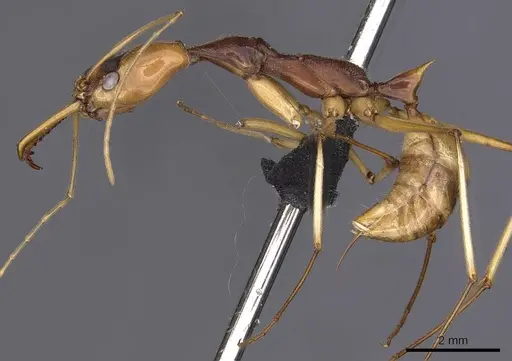
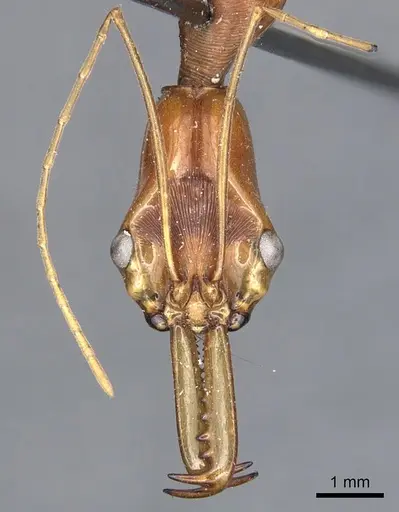
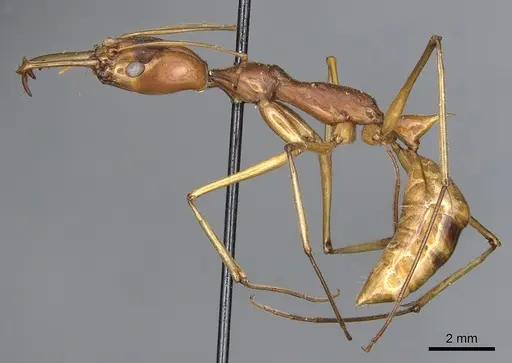
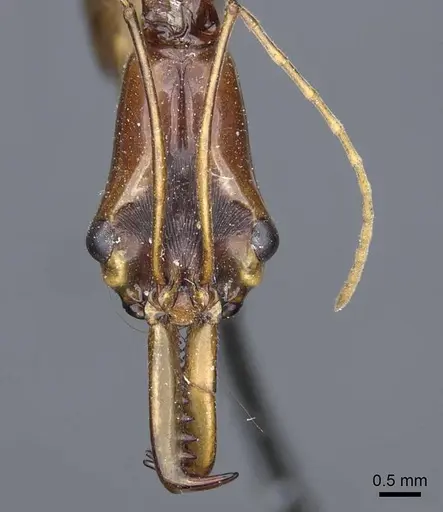
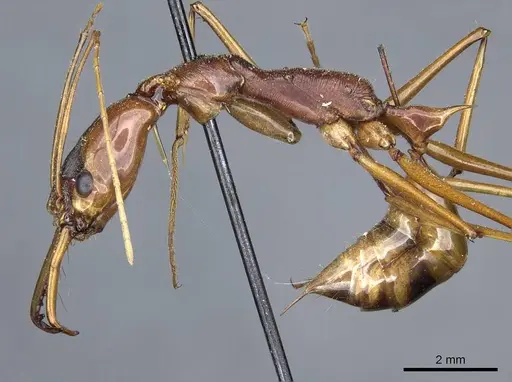
Odontomachus testaceus is a medium-sized trap-jaw ant found throughout New Guinea, including Papua New Guinea and Indonesia's Irian Jaya region [1]. Workers measure around 9-12mm with the characteristic large, curved mandibles that give trap-jaw ants their name, these powerful jaws can snap shut at incredible speeds to capture prey. The species is a member of the tyrannicus species group, which contains several similar-looking New Guinea trap-jaw ants [1]. These ants are predatory, using their specialized jaws to hunt insects and other small invertebrates. In the wild, they nest in soil or rotting wood in tropical forest environments.
Quick Summary
- Difficulty: Medium
- Origin & Habitat: New Guinea region (Papua New Guinea and Indonesia Irian Jaya). Found in tropical forest habitats, typically nesting in soil or rotting wood [2].
- Colony Type: Likely monogyne (single queen) based on typical genus patterns. Colony size is estimated at dozens to a few hundred workers, which is typical for Ponerinae ants.
- Colony: Monogyne
- Founding: Claustral
- Size & Growth:
- Queen: Estimated 12-15mm based on genus-level patterns for Odontomachus
- Worker: Estimated 9-12mm based on genus patterns for this species group
- Colony: Estimated 100-300 workers based on typical Ponerinae colony sizes
- Growth: Moderate, Ponerinae typically develop slower than many Myrmicinae species
- Development: Estimated 6-10 weeks at tropical temperatures (25-28°C) based on related species patterns (Development is likely temperature-dependent, with faster development at warmer temperatures within the tropical range)
- Antkeeping:
- Temperature: Keep at 24-28°C (tropical species). A slight gradient allowing cooler areas around 22°C is beneficial. Room temperature in most homes may be too cool, consider gentle heating if needed.
- Humidity: Moderate to high humidity (60-80%). Keep the nest substrate consistently moist but not waterlogged. These forest-dwelling ants prefer damp conditions.
- Diapause: Unlikely, as a tropical species from New Guinea, they probably do not require a hibernation period. Keep temperatures stable year-round.
- Nesting: Y-tong (acrylic) nests or plaster nests work well. Provide a moist substrate and avoid overly dry conditions. They prefer dark, humid nest chambers.
- Behavior: These are predatory ants with powerful trap-jaw mandibles. Workers are active foragers that hunt small insects and arthropods. They are not aggressive toward humans but will defend their nest if threatened. Their small colony size and moderate growth rate make them manageable for intermediate keepers. Escape prevention is important, while not the smallest ants, they are agile and can squeeze through small gaps.
- Common Issues: tropical temperature requirements mean they may need heating in cooler climates, small colony sizes mean losses can be devastating to the colony, predatory diet requires consistent live prey, they cannot survive on sugar alone, wild-caught colonies may have parasites that affect survival in captivity, slow founding phase means patience is required, queens may take months to raise first workers
Housing and Nest Setup
Odontomachus testaceus does well in Y-tong (acrylic) nests or plaster formicariums. These ants prefer dark, humid nest chambers, avoid bright lighting near the nest area. Keep the nest substrate consistently moist but not waterlogged. A small water tube or reservoir connected to the nest helps maintain humidity. Because they are a tropical species, avoid placing the nest in cool areas of your home. A heating cable on one side of the nest can help maintain temperatures in the 24-28°C range if your room temperature is lower. The outworld should be simple with a foraging area and access to protein foods. [2]
Feeding and Diet
As predatory trap-jaw ants, they require a protein-rich diet. Offer small live insects such as fruit flies, small crickets, mealworms, and other small arthropods. They will also accept dead insects and can be fed pre-killed prey if it remains fresh. Sugar sources like honey or sugar water are typically accepted as supplementary energy, but protein is essential for brood development. Feed them 2-3 times per week, removing any uneaten prey after 24 hours to prevent mold. A constant sugar source is recommended but should not replace protein feeding. [2]
Temperature and Seasonal Care
These New Guinea ants require tropical temperatures. Keep the nest area at 24-28°C consistently. Temperatures below 20°C can slow their metabolism and harm brood development. Unlike temperate species, they do not require a winter hibernation period. Maintain stable temperatures year-round, avoid drafts, air conditioning vents, and windows that get cold in winter. If your home is naturally cool, use a small heating cable or heat mat on one side of the nest to create a warm zone. Monitor colony behavior, if workers seem sluggish, the temperature may be too low. [2]
Behavior and Defense
Odontomachus testaceus has the characteristic trap-jaw mandibles that give trap-jaw ants their name. These jaws can snap shut at extremely high speeds to capture prey. While impressive, they are not typically aggressive toward keepers and will only bite if directly threatened or handled roughly. Their sting is present but not considered dangerous to humans, it may cause mild discomfort similar to a bee sting. Workers are active foragers that hunt individually, using their keen senses to locate prey. They are not polydomous (nesting in multiple locations) and typically maintain a single nest site. [2]
Colony Development and Growth
Colony growth is moderate compared to many common ant species. A newly mated queen will found her colony claustrally, sealing herself in a chamber and raising the first workers (nanitics) on stored energy reserves. The first brood takes several months to develop into workers. Once the first workers emerge, the colony grows gradually as the queen continues laying eggs. Ponerine colonies typically max out at smaller sizes (100-300 workers) compared to species like Camponotus or Formica. Patience is essential, these ants are long-lived but slow to establish large colonies. [2]
Frequently Asked Questions
How long does it take for Odontomachus testaceus to raise first workers?
Expect 6-10 weeks from egg to worker at optimal tropical temperatures (25-28°C). However, founding queens may take several months to lay their first eggs and raise them to maturity, especially if temperatures are on the cooler side.
What do Odontomachus testaceus eat?
They are predators that need live or dead insects for protein. Feed small crickets, fruit flies, mealworms, and other small arthropods. They will also accept sugar water or honey as an energy supplement.
Can I keep multiple queens together?
This species is likely monogyne (single queen). Combining unrelated queens is not recommended as they will likely fight. Only one queen should be kept per colony.
Do they need hibernation?
No, as a tropical New Guinea species, they do not require hibernation. Keep temperatures stable at 24-28°C year-round.
Are Odontomachus testaceus good for beginners?
They are rated as medium difficulty. While not as challenging as some specialized species, they do require consistent warm temperatures and a protein-based diet, which makes them better suited for keepers with some experience.
How big do colonies get?
Based on typical Ponerinae patterns, colonies likely reach 100-300 workers at maturity. They are not among the largest ant species but can live for many years once established.
What temperature do they need?
Keep them at 24-28°C consistently. They are tropical ants and need warmth to thrive. Temperatures below 20°C can be harmful.
When should I move them to a formicarium?
Wait until the colony has at least 20-30 workers and is actively foraging in the outworld. Moving them too early can stress the queen and disrupt colony development.
Why are my ants dying?
Common causes include: temperatures too low (below 20°C), improper humidity (too dry or waterlogged), lack of protein food, or parasites from wild-caught colonies. Review each care parameter and adjust accordingly.
References

This caresheet is licensed under CC BY-SA 4.0 .
CASENT0270629
View on AntWeb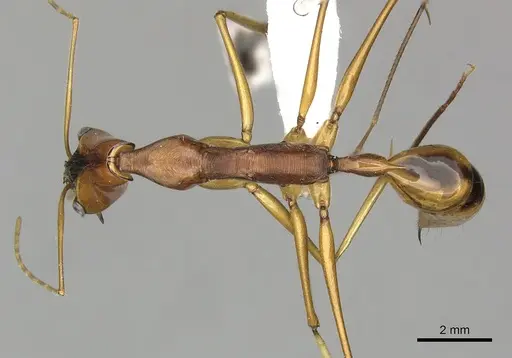
CASENT0650186
View on AntWeb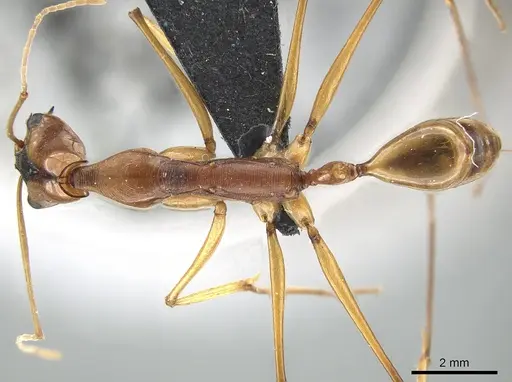
CASENT0650351
View on AntWeb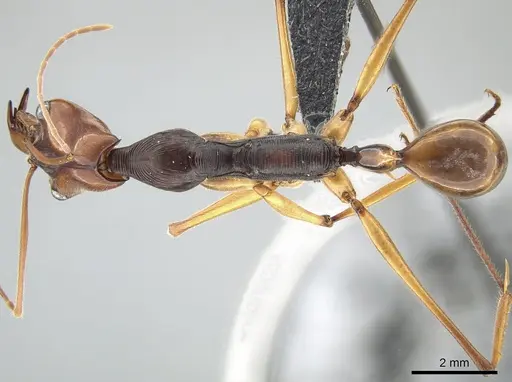
CASENT0900613
View on AntWeb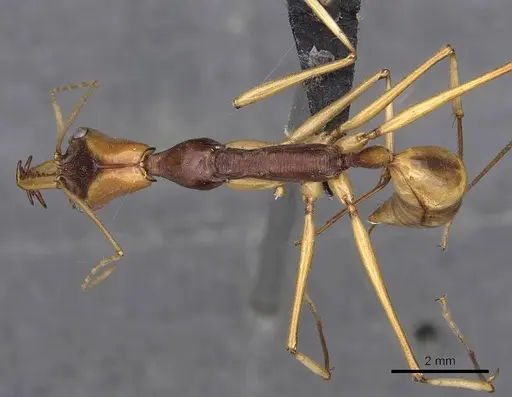
CASENT0903992
View on AntWeb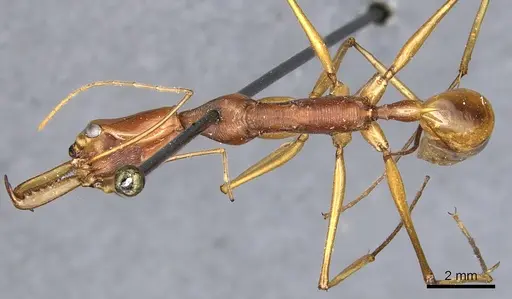
CASENT0905744
View on AntWeb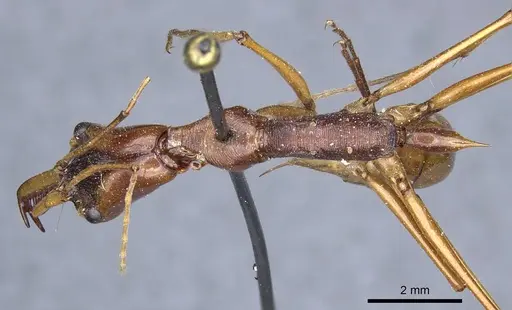
Literature
Loading...Loading products...