

Odontomachus rufithorax
- Scientific Name
- Odontomachus rufithorax
- Tribe
- Ponerini
- Subfamily
- Ponerinae
- Author
- Emery, 1911
- Distribution
- Found in 2 countries
Odontomachus rufithorax Overview
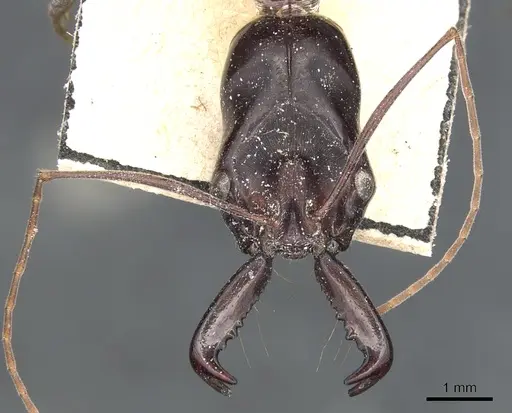
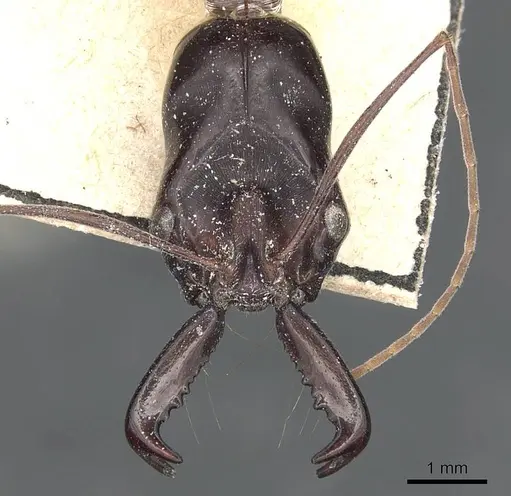
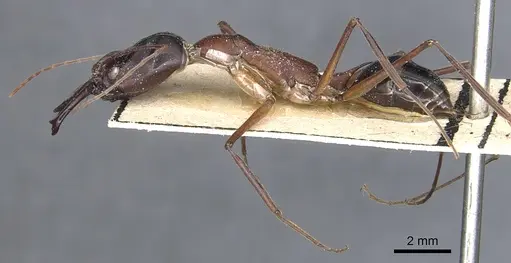
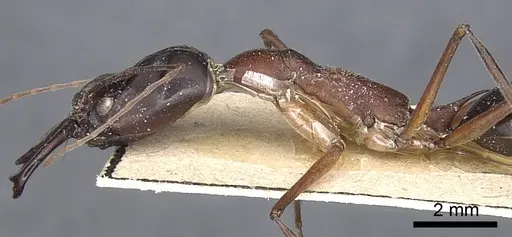
Odontomachus rufithorax is an ant species of the genus Odontomachus. It is primarily documented in 2 countries , including Papua New Guinea, Solomon Islands. Detailed taxonomic data and occurrence records can be further explored via authoritative databases such as AntWeb or the Global Biodiversity Information Facility (GBIF).
Odontomachus rufithorax
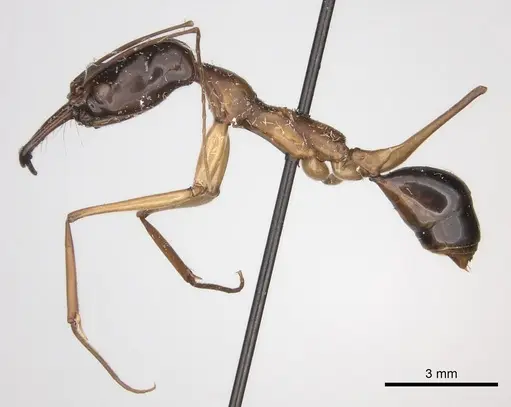
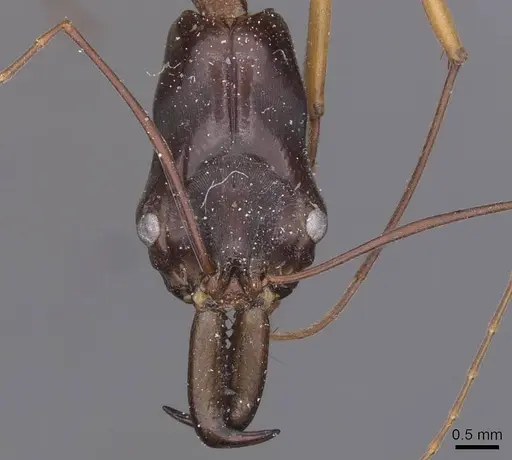
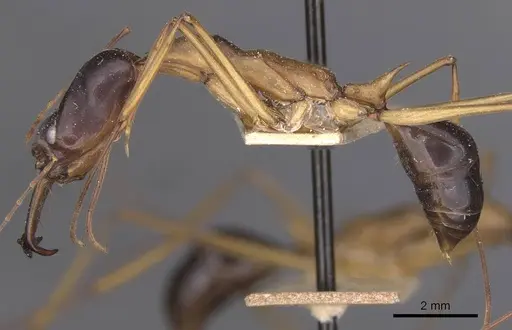
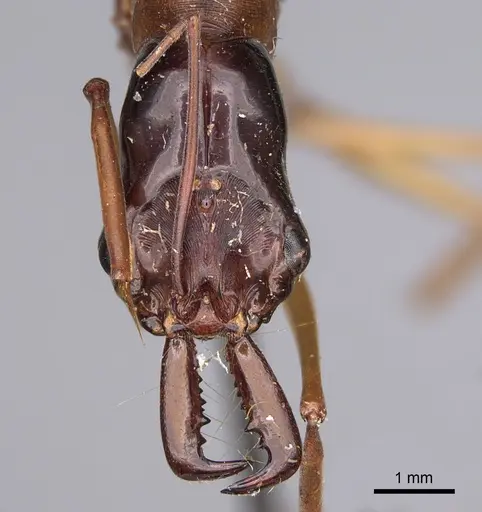
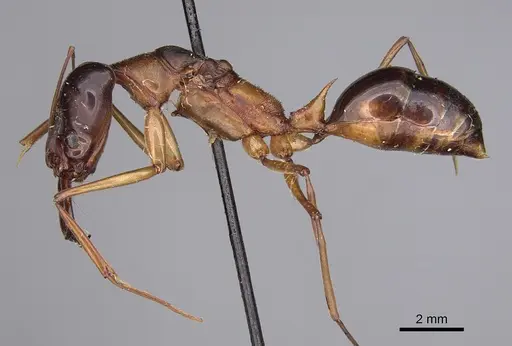
Odontomachus rufithorax is a medium-sized trap-jaw ant species native to the Australasian region, found throughout New Guinea and the Solomon Islands [1][2]. Workers are characterized by their elongated trap-jaw mandibles capable of snapping shut at extreme speeds, a defensive and hunting adaptation unique to the genus Odontomachus. The species belongs to the O. saevissimus group and was previously known as O. emeryi and O. gressitti before being consolidated as a single species [3][2]. These ants inhabit tropical rainforest environments in lowland and mid-elevation areas, typically nesting in soil, rotting wood, or under stones on the forest floor.
Quick Summary
- Difficulty: Medium
- Origin & Habitat: Native to Papua New Guinea, Indonesia (Irian Jaya), and the Solomon Islands. Found in tropical rainforest habitats at elevations from sea level to around 1750m [1]. Inhabits the forest floor in humid, shaded environments.
- Colony Type: Likely monogyne (single queen) based on typical Odontomachus patterns. Colony size appears moderate, with related species typically reaching several hundred workers.
- Colony: Monogyne
- Founding: Claustral
- Size & Growth:
- Queen: Estimated 12-15mm based on genus patterns, direct measurements unavailable
- Worker: Estimated 10-14mm based on genus and related species
- Colony: Estimated 200-500 workers based on related species in the genus
- Growth: Moderate, typical for tropical Ponerinae
- Development: Estimated 6-10 weeks at tropical temperatures (24-28°C) (Development time inferred from related Odontomachus species. Warmer temperatures accelerate development.)
- Antkeeping:
- Temperature: Keep at 24-28°C. Tropical species requiring warm, stable conditions. A gentle heat gradient allows workers to regulate their temperature preference.
- Humidity: High humidity required, aim for 70-85%. Keep the nest substrate consistently moist but not waterlogged. These forest-floor ants need damp conditions.
- Diapause: No true diapause, maintain year-round tropical conditions. Activity may slow slightly during cooler periods but no hibernation is required.
- Nesting: Prefers dark, enclosed spaces. Y-tong (AAC) nests or plaster nests with moisture chambers work well. Provide a humid outworld area for foraging. Naturalistic setups with soil and hiding structures are also suitable.
- Behavior: Trap-jaw ants with powerful mandibles used for capturing prey and defense. Workers are active foragers, hunting insects and other small arthropods. Not particularly aggressive toward humans but will defend the nest if threatened. Their jaws can deliver a sharp snap if handled carelessly. Moderate escape risk, use standard barrier methods.
- Common Issues: high humidity requirements can lead to mold growth if ventilation is poor, predatory diet means colonies need constant access to live prey, failure to feed enough protein causes colony decline, slow colony growth compared to many common ants can frustrate beginners, trap-jaw mechanism means workers can snap at handling, use caution when transferring, tropical species are sensitive to temperature drops, cold rooms can kill colonies
Housing and Nest Setup
Odontomachus rufithorax does well in enclosed nest setups that maintain high humidity. Y-tong (acrylic aerated concrete) nests or plaster nests with water reservoirs work best because they hold moisture well while providing the dark environment these ants prefer. The nest should have chambers sized appropriately for the colony, not too large for small colonies, as ants feel safer in snugger spaces. An outworld for foraging is essential, connected by tubing. The outworld should also be humid and include hiding places like pieces of bark or leaf litter. Use a water test tube as a humidity source in the outworld. Escape prevention is important, while not the smallest ants, they are agile and can squeeze through small gaps, so ensure connections are secure.
Feeding and Diet
As predatory Ponerinae, these ants need a protein-rich diet to thrive. Offer live prey regularly, small insects like fruit flies, pinhead crickets, mealworms, and other small arthropods are ideal. They will hunt and subdue prey using their powerful trap-jaw mandibles. Feed prey roughly twice weekly, adjusting based on colony size and consumption rate. Remove uneaten prey after 24-48 hours to prevent mold. Sugar sources like honey or sugar water may be accepted occasionally, but protein is the primary dietary requirement. Unlike some ants, they are not primarily honeydew feeders, live prey is essential for colony health and brood production.
Temperature and Humidity Management
This tropical species requires warm temperatures year-round. Maintain nest temperatures between 24-28°C using a heating cable or mat on one side of the nest if your room temperature is below this range. Place the heating element on top of the nest to warm it gently without drying it out too quickly. Humidity is critical, aim for 70-85% relative humidity within the nest. Keep the substrate consistently moist by checking regularly and adding water when needed. The outworld should also be humidified. Avoid placing the setup near air conditioning vents or in rooms with temperature fluctuations. Cold drafts can stress or kill these tropical ants.
Behavior and Handling
Odontomachus rufithorax workers are active hunters with a powerful defensive capability. Their trap-jaw mandibles can snap shut rapidly when threatened or when capturing prey. While not dangerously aggressive, they will defend their nest if disturbed. When working with these ants, move slowly and avoid sudden movements. If you need to transfer them, coax them into a test tube rather than grabbing them. The snap of their jaws is fast enough to be surprising, though it rarely breaks human skin. Workers are primarily nocturnal or crepuscular in the wild, but in captivity they often adapt to your feeding schedule. They are moderate foragers and will hunt actively in the outworld.
Colony Development and Growth
Colony growth is moderate rather than rapid. A newly mated queen will lay eggs after sealing herself in a claustral chamber. The first brood develops through larval and pupal stages over several weeks, with the first workers (nanitics) emerging smaller than mature workers. These initial workers begin foraging to feed subsequent broods, and the colony then grows more steadily. Expect several months before you have more than a dozen workers. Patience is key with this species, unlike fast-growing Formica or Linepithema colonies, Odontomachus colonies expand gradually. A mature colony may reach several hundred workers over several years. Brood development is temperature-dependent, with warmer conditions speeding up development within the viable range.
Frequently Asked Questions
How long does it take for Odontomachus rufithorax to produce first workers?
Expect first workers (nanitics) around 6-10 weeks after the queen lays eggs, assuming temperatures around 24-28°C. This is typical for tropical Ponerinae. The exact timing depends on temperature and feeding.
Can I keep multiple queens together in one colony?
This species is likely monogyne (single queen). Combining unrelated queens is not recommended as they would likely fight. Only a single mated queen should be housed per colony setup.
What do I feed Odontomachus rufithorax?
They need live prey, small insects like fruit flies, pinhead crickets, mealworms, or other small arthropods. Feed protein prey roughly twice weekly. Sugar water or honey may be accepted occasionally but is not a primary food source.
Are Odontomachus rufithorax good for beginners?
They are intermediate in difficulty. You need to provide high humidity, warm temperatures, and regular live prey. They are not as forgiving as some common species, but they are not the most difficult ants either. Their slow growth requires patience.
Do they need hibernation?
No. As a tropical species from Papua New Guinea and the Solomon Islands, they do not require hibernation. Keep them warm year-round with no significant temperature drops.
When should I move them to a formicarium?
Keep new colonies in a simple setup (test tube or small container) until they have 20-30 workers. Moving them too early can stress the colony. Once established, they can be moved to a Y-tong or plaster nest with humidity control.
How big do Odontomachus rufithorax colonies get?
Based on related species, expect a few hundred workers at maturity. Growth is moderate and takes several years to reach full size. They are not supercolonies.
Why are my Odontomachus rufithorax dying?
Common causes include: temperature too cold (below 24°C), humidity too low (below 70%), insufficient prey/food, mold from poor ventilation, or stress from moving. Check all parameters and ensure they have regular access to live prey.
References

This caresheet is licensed under CC BY-SA 4.0 .
CASENT0217545
View on AntWeb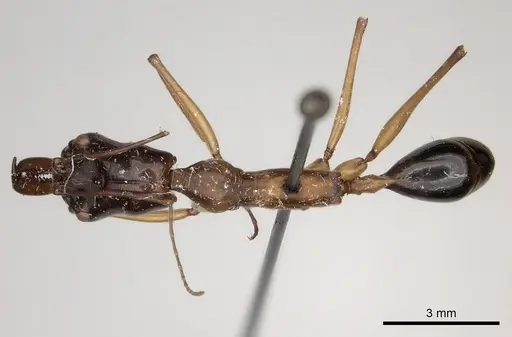
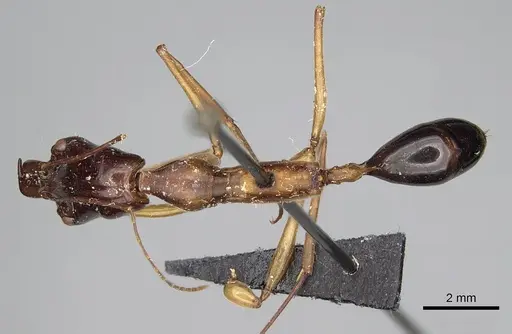
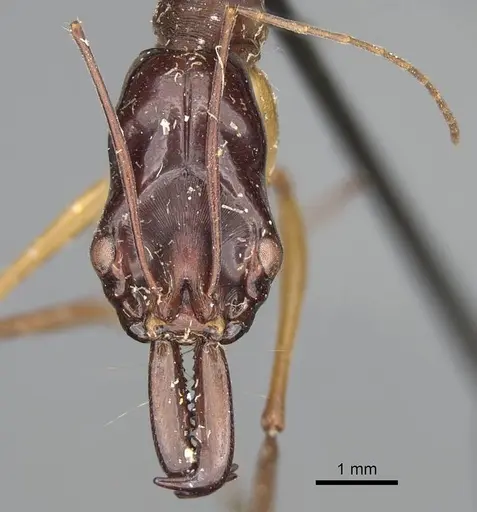
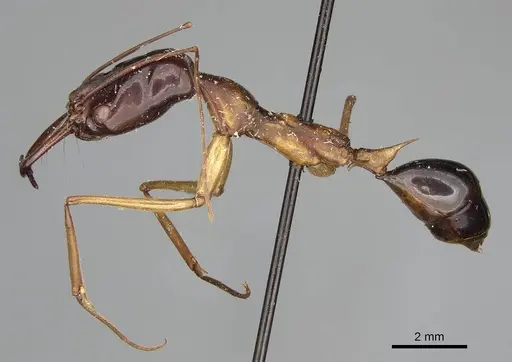
CASENT0903997
View on AntWeb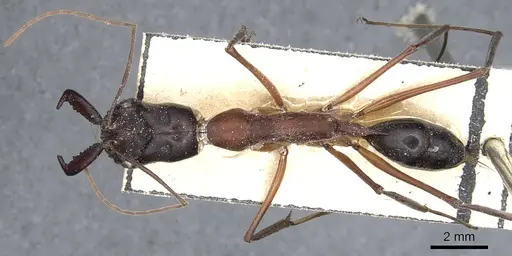
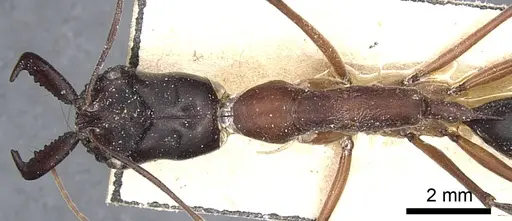
CASENT0915245
View on AntWeb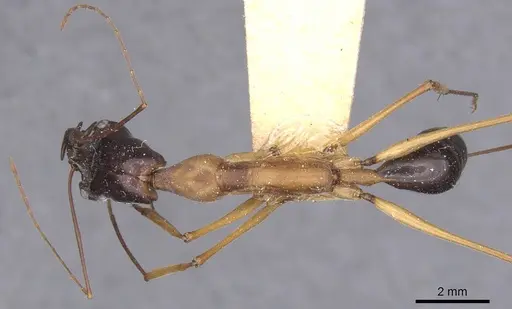
CASENT0923416
View on AntWeb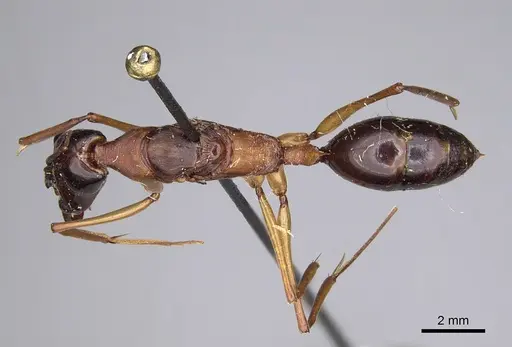
Literature
Loading...Loading products...