

Odontomachus ruficeps
- Scientific Name
- Odontomachus ruficeps
- Tribe
- Ponerini
- Subfamily
- Ponerinae
- Author
- Smith, 1858
- Distribution
- Found in 1 countries
Odontomachus ruficeps Overview
Odontomachus ruficeps is an ant species of the genus Odontomachus. It is primarily documented in 1 countries , including Australia. Detailed taxonomic data and occurrence records can be further explored via authoritative databases such as AntWeb or the Global Biodiversity Information Facility (GBIF).
Odontomachus ruficeps
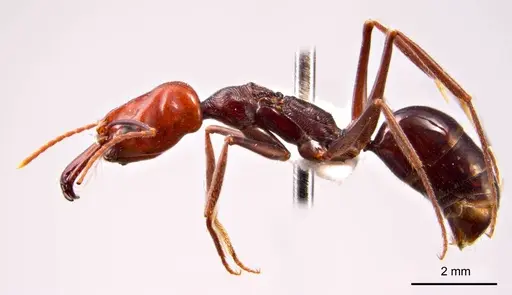
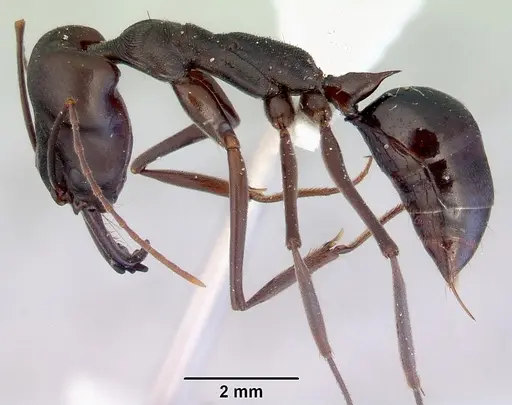
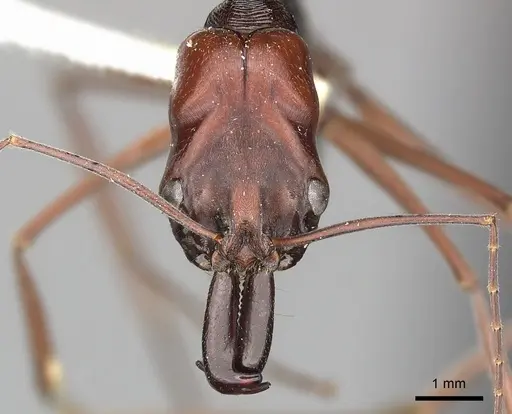
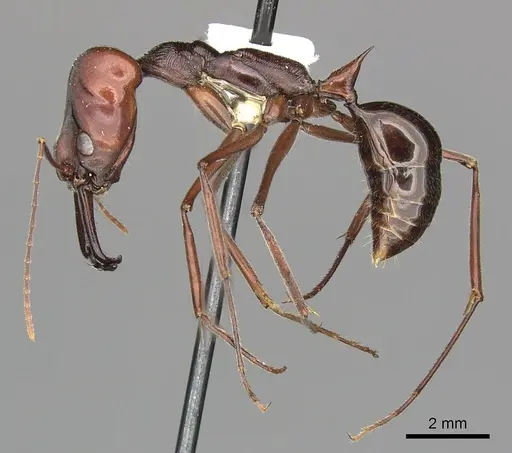
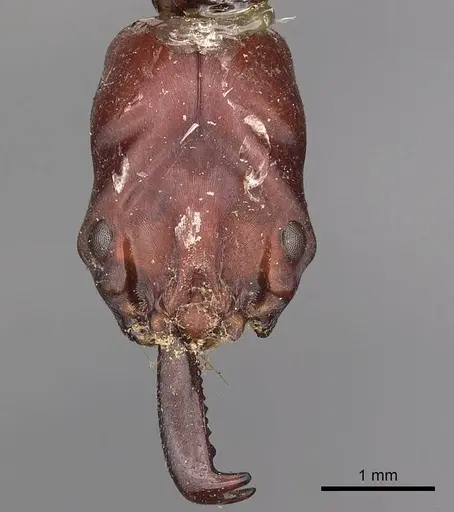
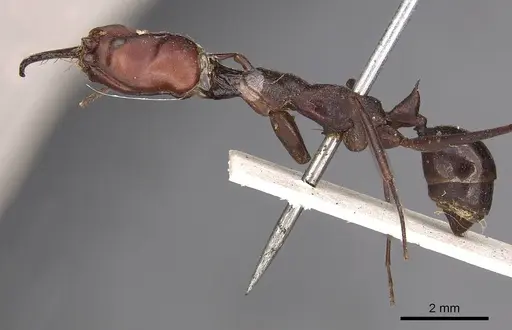
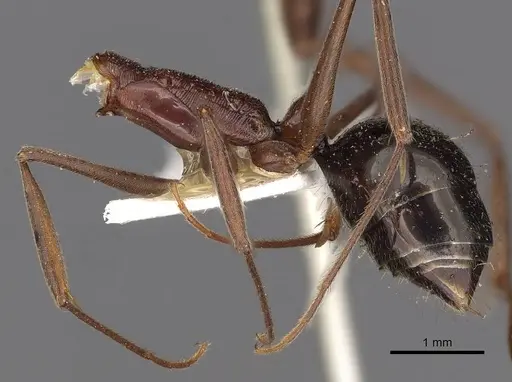
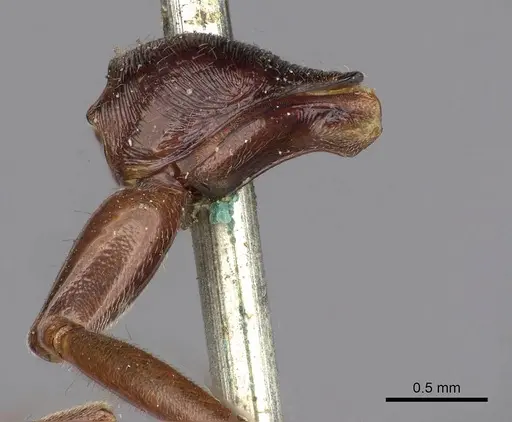
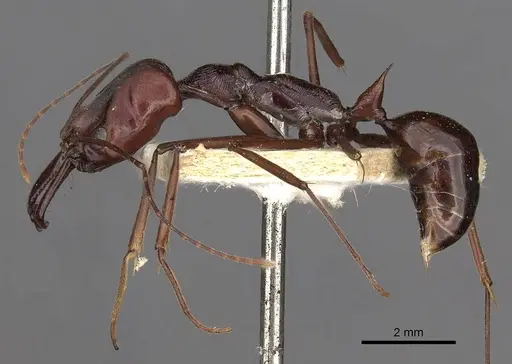
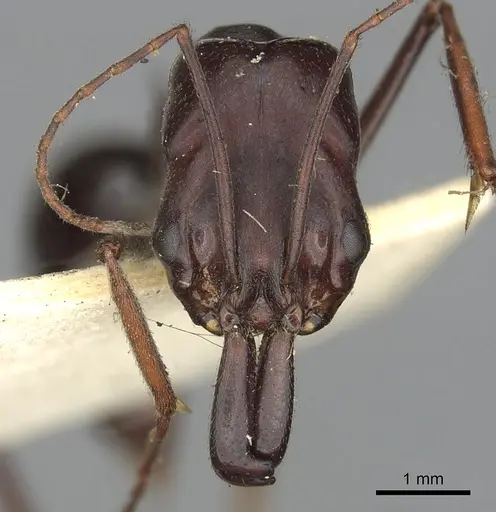
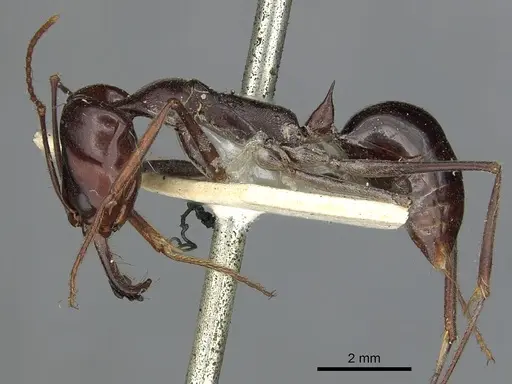
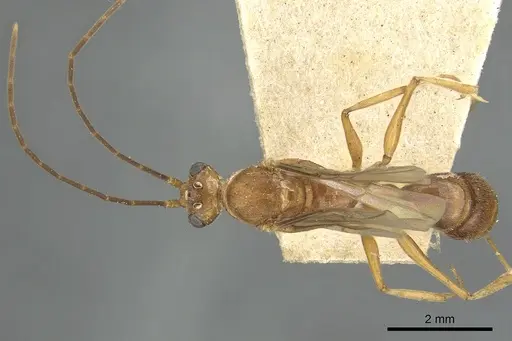
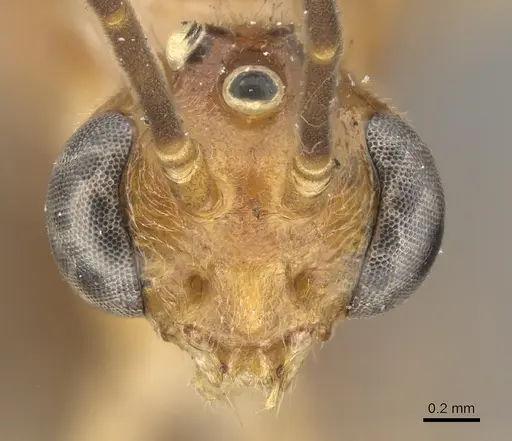
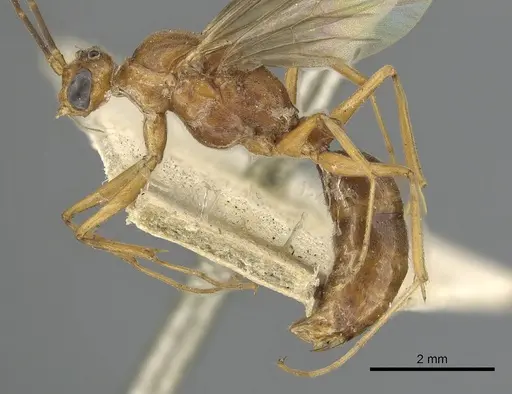
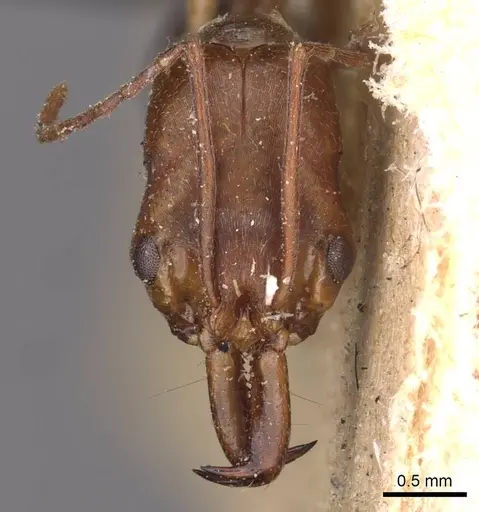
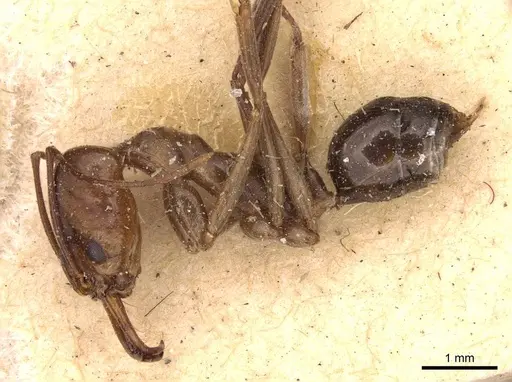
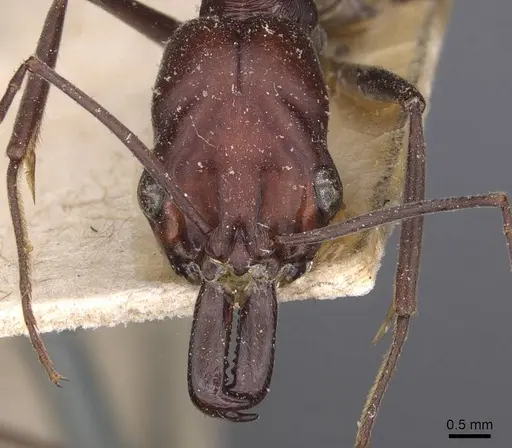
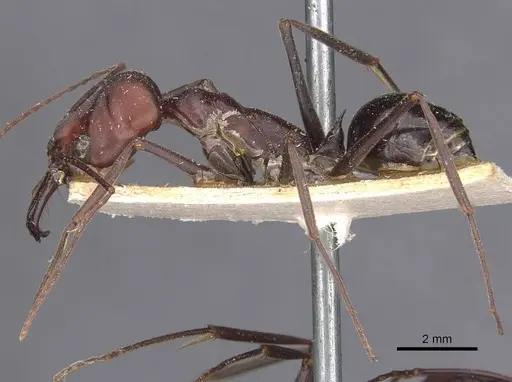
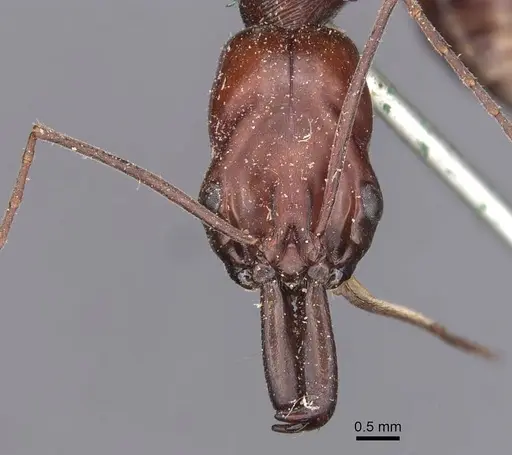
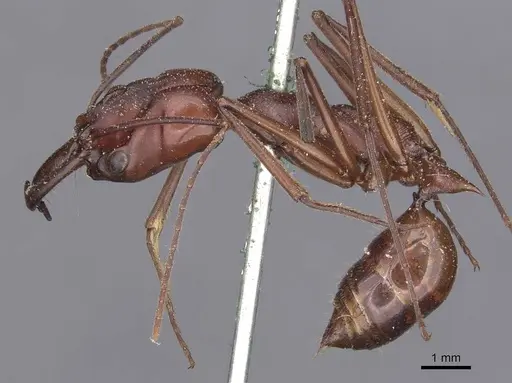
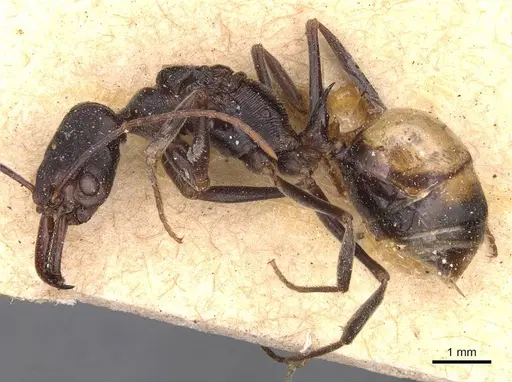
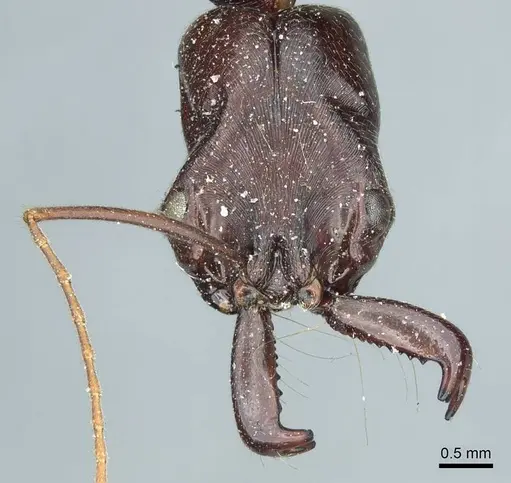
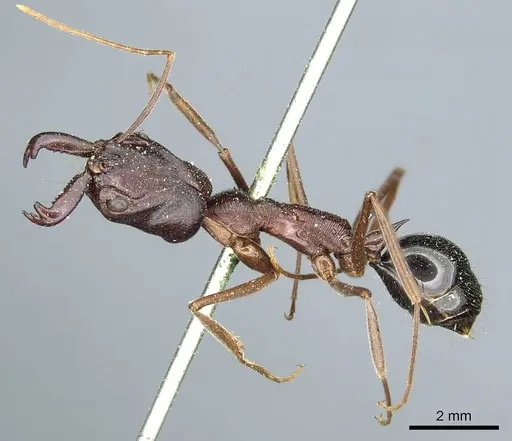
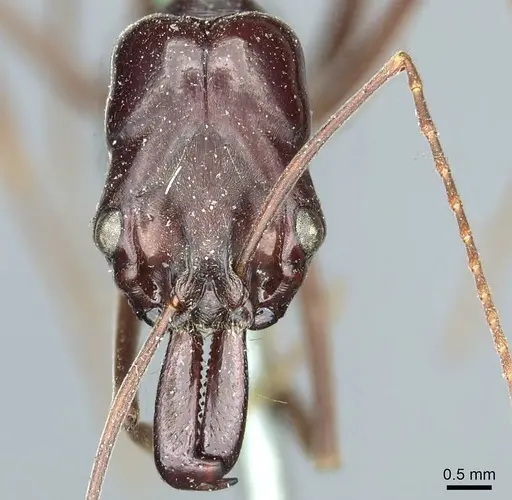
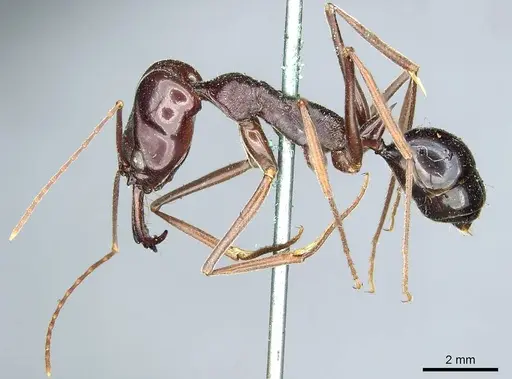
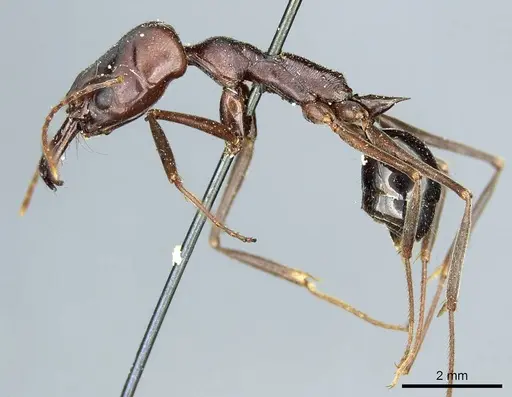
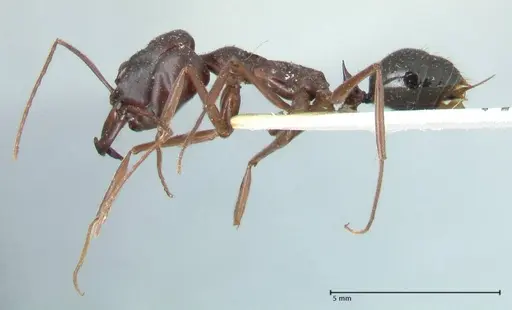
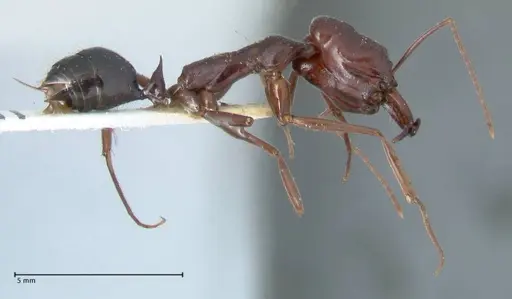
Odontomachus ruficeps is a large predatory ant native to Australia, famous for its incredible trap-jaw mechanism. Workers measure around 12-13mm and display significant body size polymorphism, some workers are noticeably larger than others [1]. In northern Western Australia, these ants have a striking appearance with bright red head capsules contrasting against a darker red mesosoma and black abdomen. Further south around Perth, workers are typically uniform black or reddish-black [2]. As a member of the ruficeps species group, these ants belong to the Ponerinae subfamily and possess one of the fastest strike mechanisms in the animal kingdom [2].
Quick Summary
- Difficulty: Medium
- Origin & Habitat: Native to Australia, particularly common throughout Western Australia from the Kimberley region in the north down to the Perth area. Found in the Tiwi Islands, Barrow Island, Pilbara bioregion, and various northern Australian locations [2][3]. Inhabits tropical to subtropical monsoonal climates.
- Colony Type: Single-queen colonies (monogyne). Colony structure is not extensively documented in scientific literature, but like most Odontomachus species, they establish single-queen nests.
- Colony: Monogyne
- Founding: Semi-claustral
- Size & Growth:
- Queen: Approximately 12-15mm, estimated based on genus patterns
- Worker: Approximately 12-13mm [4]
- Colony: Colony size is not directly documented, but related species typically reach several hundred workers
- Growth: Moderate, Ponerine ants generally develop slower than many myrmicines
- Development: Estimated 8-12 weeks at optimal temperature based on typical Ponerinae development (Development time is estimated from related Odontomachus species, specific timing for O. ruficeps has not been directly studied)
- Antkeeping:
- Temperature: Keep nest area around 24-28°C. Being an Australian species from tropical to subtropical regions, they prefer warm conditions. A heating cable on one side of the nest creates a suitable gradient [2].
- Humidity: Moderate to high humidity. These ants come from Australia's monsoonal tropics where humidity is often high. Keep the nest substrate slightly moist but not waterlogged.
- Diapause: Yes, Australian species typically require a winter rest period. Reduce temperature to around 15-18°C for 2-3 months during winter months (Australian winter: June-August).
- Nesting: In nature they nest in soil and rotting wood. In captivity, a Y-tong (AAC) nest or plaster formicarium works well. Provide damp substrate for the nest chamber and a dry outworld area for foraging.
- Behavior: These ants are active hunters with a formidable sting. Their trap-jaw mechanism is their most remarkable feature, mandibles lock at 90° to the head and snap shut at incredible speed when trigger hairs are touched [2]. They are predatory and will hunt live prey. Workers are moderately aggressive and will defend the nest. Escape prevention is important, while not the smallest ants, they are agile and can climb smooth surfaces. Use a barrier like fluon on the outworld rim.
- Common Issues: trap-jaw mechanism can cause injury to keepers, handle with care and avoid putting fingers near mandibles, slow colony development compared to many common species may frustrate beginners, predatory diet requires consistent live prey, they won't survive on just sugar water, sting is painful and can cause reactions in sensitive individuals, use caution when servicing the colony, colonies may be difficult to establish from single queen, founding colonies are vulnerable to stress
The Trap-Jaw Mechanism
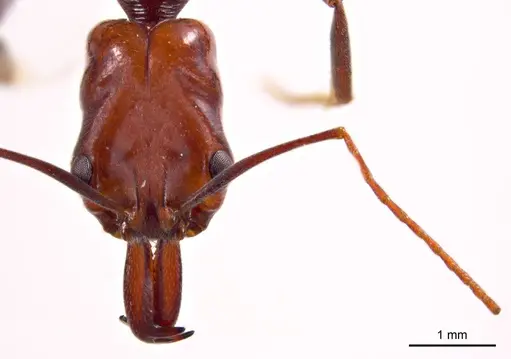
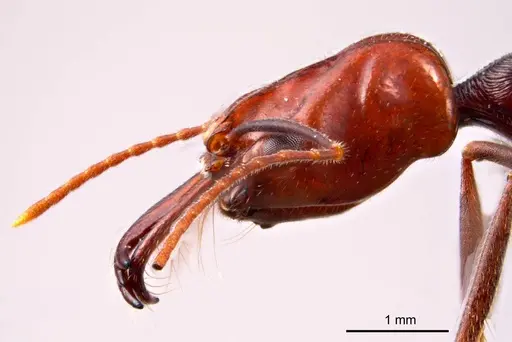
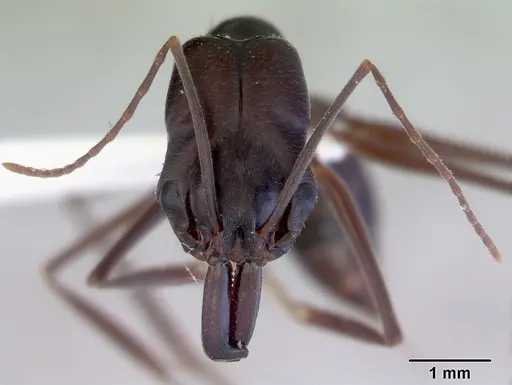
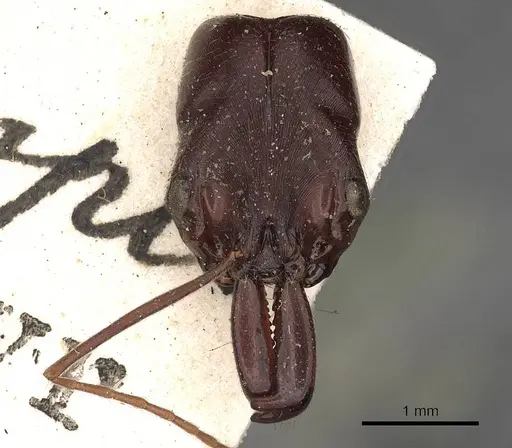
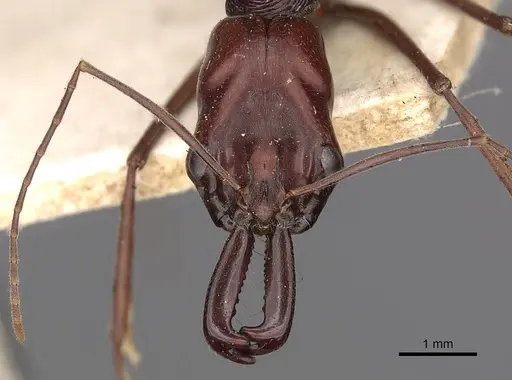
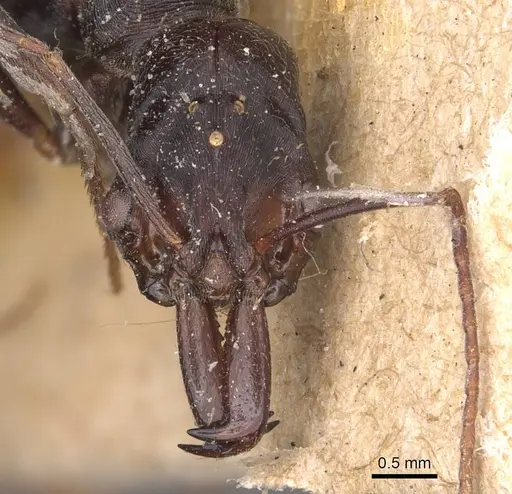
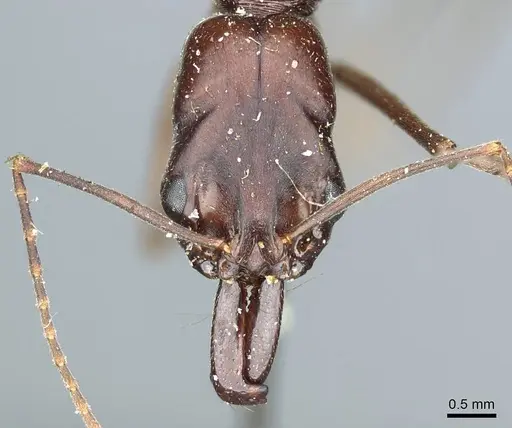
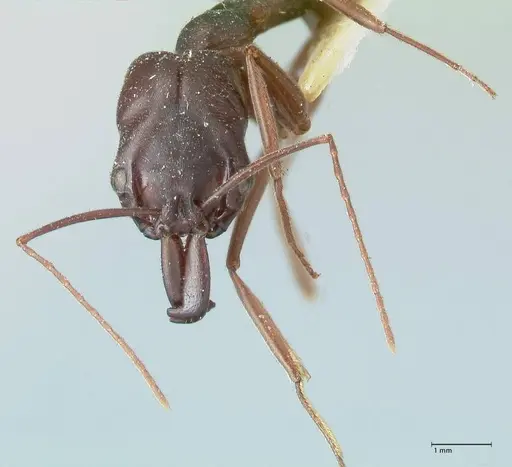
The most remarkable feature of Odontomachus ruficeps is their trap-jaw mechanism. Their mandibles lock at a 90° angle to the head capsule when in hunting position. When prey approaches and touches specialized trigger hairs, the mandibles snap shut in what is possibly the fastest reflex action in the entire animal kingdom [2]. This strike is so fast that it can accelerate at over 1,000 times the force of gravity. The ants use this mechanism to capture prey and defend themselves. As a keeper, you should be aware that these ants can deliver a painful sting in addition to a quick bite. Always handle them carefully and avoid placing your fingers near their mandibles or the front of their head.
Feeding and Diet
Odontomachus ruficeps are strict predators. In the wild, they hunt insects and other small arthropods. In captivity, you should feed them a diet based on live prey such as crickets, mealworms, fruit flies, and other small insects. Prey should be appropriately sized, roughly 1/3 to 1/2 the ant's body size works well. They will likely accept dead prey if moved to simulate movement, but live prey is always preferred. Unlike many ants, they are not particularly interested in sugar water or honey as a food source, their diet is primarily protein-based. Feed them 2-3 times per week, removing any uneaten prey after 24 hours to prevent mold.
Temperature and Heating
Being an Australian species from tropical and subtropical regions, Odontomachus ruficeps needs warm temperatures to thrive. Keep the nest area at 24-28°C for optimal colony health and brood development. You can achieve this using a heating cable placed on top of the nest (never underneath, as this can dry out the substrate). Create a temperature gradient so workers can choose their preferred temperature. During summer months, room temperature may be sufficient, but in cooler climates you'll need additional heating. In winter, provide a diapause period by reducing temperatures to 15-18°C for 2-3 months.
Nesting Preferences
In their natural habitat, O. ruficeps nests in soil and rotting wood. They prefer damp, protected locations with access to the outworld for foraging. In captivity, Y-tong (acrylic) nests or plaster formicariums work well. The nest chamber should be kept moist but not saturated, the substrate should feel damp to the touch. Provide a water tube in the outworld so workers can drink. These ants are not arboreal, they nest at ground level. A naturalistic setup with a dirt chamber connected to a foraging area is also suitable.
Colony Founding
Like most Ponerine ants, Odontomachus ruficeps queens are semi-claustral. This means the queen does not seal herself away completely, she must leave the nest periodically to hunt for food during the founding stage. After mating, the queen will dig a small chamber in suitable substrate and lay her first eggs. She will hunt to feed herself and the developing larvae until the first workers emerge. This founding period can take several months and the queen is vulnerable during this time. Foundress colonies should be kept in a quiet, dark location with minimal disturbance. Offer tiny prey items like fruit flies or small insects near the claustral chamber.
Safety and Handling
These ants possess both a powerful bite and a formidable sting [2]. The bite from their trap-jaw mechanism can be surprisingly painful due to the force of the snap. Additionally, they have a genuine sting that can cause pain, swelling, and in sensitive individuals, allergic reactions. When working with your colony, use caution, never grab them with your bare hands. If you need to move them, use gentle coaxing or a soft brush. When cleaning the outworld or moving to a new setup, give the colony time to settle after disturbance. Keep the setup away from reach of children and pets.
Frequently Asked Questions
Are Odontomachus ruficeps good for beginners?
They are not ideal for complete beginners due to their specific dietary needs (live prey), slower colony development, and the fact they can sting. However, they are not the most difficult species either. If you have kept a few colonies successfully and are comfortable with predatory ants, they can be a rewarding species.
How long does it take for the first workers to emerge?
Based on typical Ponerinae development, expect 8-12 weeks from egg to first worker at optimal temperature (around 26°C). The exact timeline for O. ruficeps specifically has not been documented, so this is an estimate from related species.
Do Odontomachus ruficeps need hibernation?
Yes, they benefit from a winter rest period. Reduce temperatures to around 15-18°C for 2-3 months during the winter (roughly June-August in the Southern Hemisphere). This mimics their natural seasonal cycle in Australia.
Can I keep multiple queens together?
Odontomachus ruficeps is a monogyne species, colonies have a single queen. Combining unrelated queens is not recommended and has not been documented as successful. If you find multiple queens during nuptial flights, they will likely fight unless they are pleometrotic foundresses (documented for this species).
What do I feed Odontomachus ruficeps?
They are predatory ants that need live prey. Feed them appropriately sized insects like crickets, mealworms, fruit flies, and other small arthropods. They are not interested in sugar sources like honey or sugar water. Remove uneaten prey after 24 hours.
Do they sting?
Yes, they have a formidable sting in addition to their powerful bite [2]. The sting can be painful and may cause reactions in sensitive individuals. Always handle with care and avoid direct contact.
What size colony do they reach?
Colony size is not directly documented, but based on related Odontomachus species, they likely reach several hundred workers over several years. They are one of the few Odontomachus species to show significant worker body size polymorphism [1].
When should I move them to a formicarium?
Wait until the colony has at least 20-30 workers before moving to a formicarium. Test tube setups work well for founding colonies. Once the colony is established and growing, you can transfer them to a Y-tong or plaster nest with appropriate humidity control.
Why do they have a red head?
In northern Western Australia, workers typically have bright red head capsules that contrast with their darker red mesosoma and black abdomen. This coloration is a regional variation, workers from around Perth latitude are usually uniform black or reddish-black [2]. The red coloration may serve as a warning display or species recognition marker.
How fast is their trap-jaw strike?
The trap-jaw mechanism is possibly the fastest reflex in the animal kingdom [2]. The mandibles can snap shut at incredible speed when triggered by sensory hairs. This allows them to capture prey that would otherwise escape much faster insects.
References

This caresheet is licensed under CC BY-SA 4.0 .
ANTWEB1008685
View on AntWeb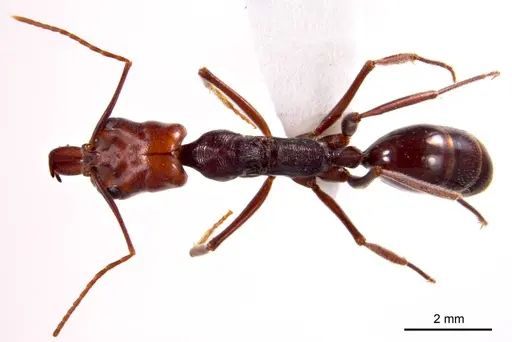
CASENT0172404
View on AntWeb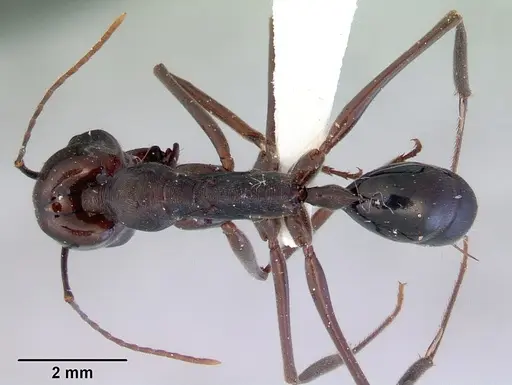
CASENT0270625
View on AntWeb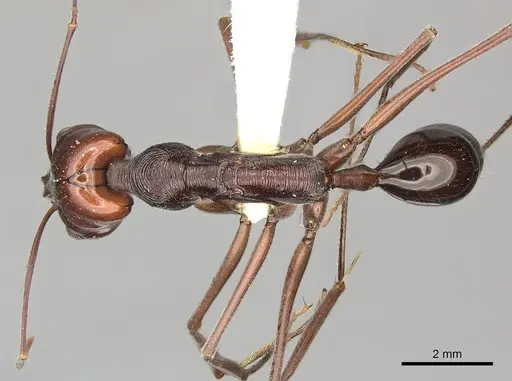
CASENT0900646
View on AntWeb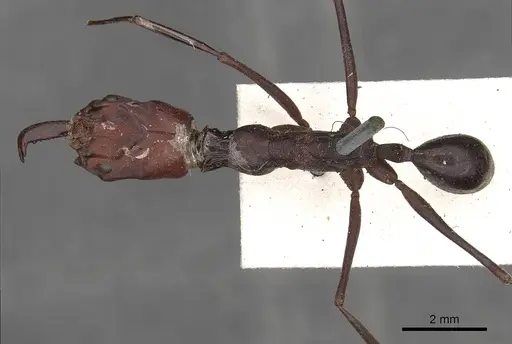
CASENT0900647
View on AntWeb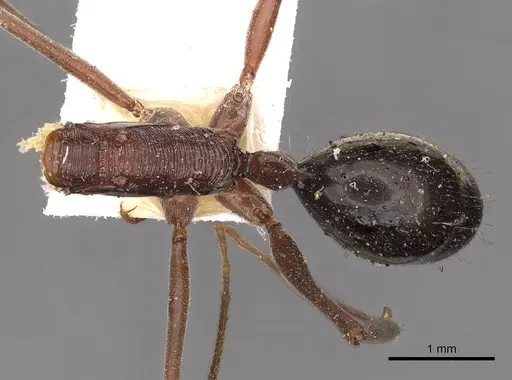
CASENT0900648
View on AntWeb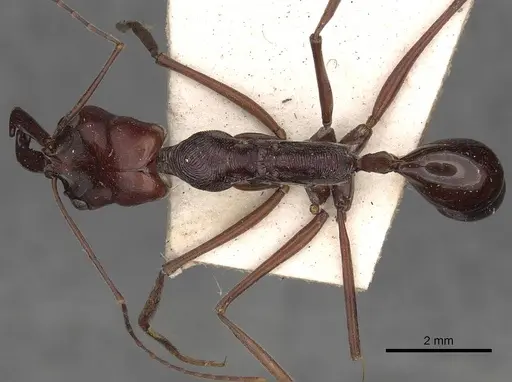
CASENT0901487
View on AntWeb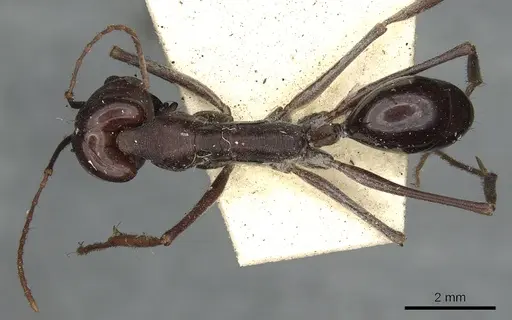
CASENT0901488
View on AntWeb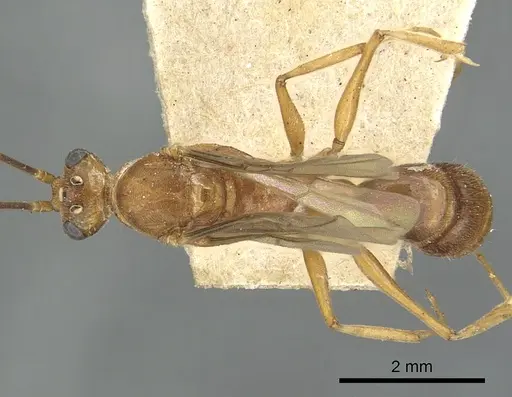
CASENT0907436
View on AntWeb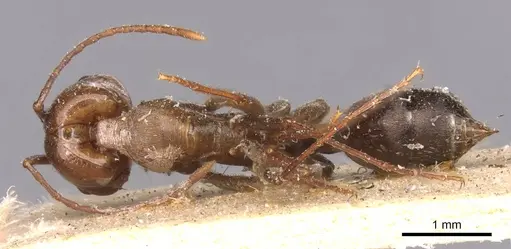
CASENT0907438
View on AntWeb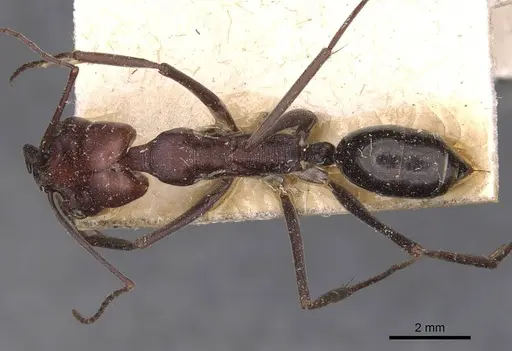
CASENT0907439
View on AntWeb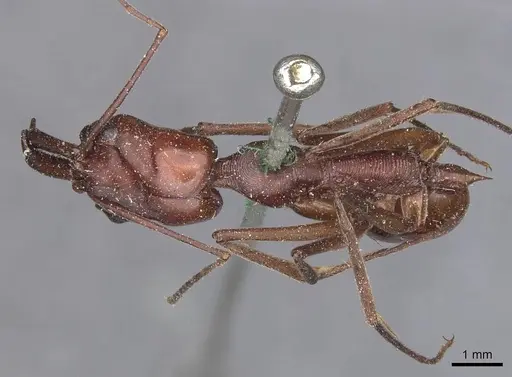
CASENT0907443
View on AntWeb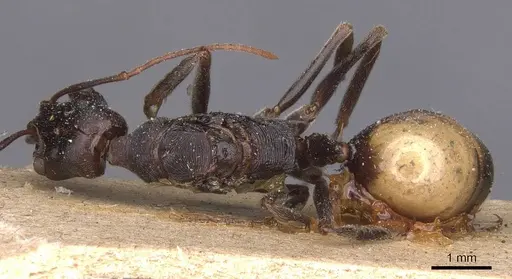
CASENT0915900
View on AntWeb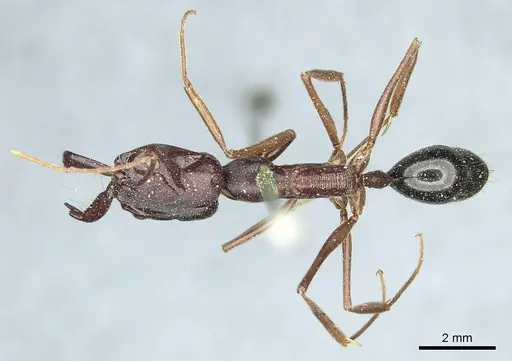
CASENT0915901
View on AntWeb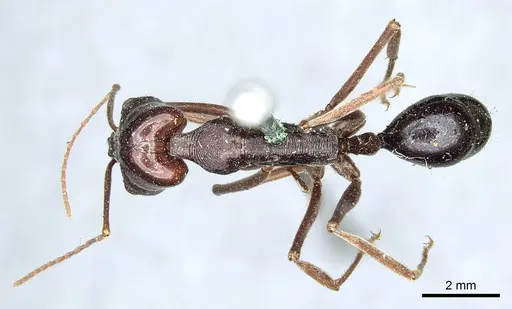
CASENT0915902
View on AntWeb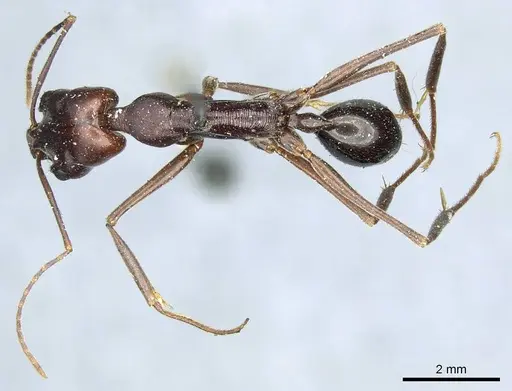
CASENT0923415
View on AntWeb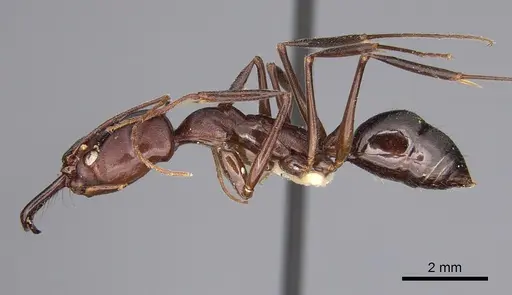
FOCOL1070
View on AntWeb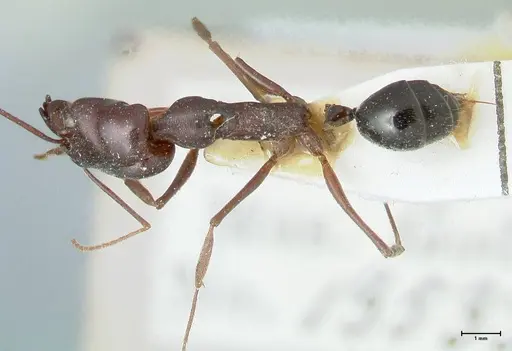
Literature
Loading...Loading products...