

Odontomachus laticeps
- Scientific Name
- Odontomachus laticeps
- Tribe
- Ponerini
- Subfamily
- Ponerinae
- Author
- Roger, 1861
- Distribution
- Found in 7 countries
Odontomachus laticeps Overview
Odontomachus laticeps is an ant species of the genus Odontomachus. It is primarily documented in 7 countries , including Brazil, Colombia, Costa Rica. Detailed taxonomic data and occurrence records can be further explored via authoritative databases such as AntWeb or the Global Biodiversity Information Facility (GBIF).
Odontomachus laticeps
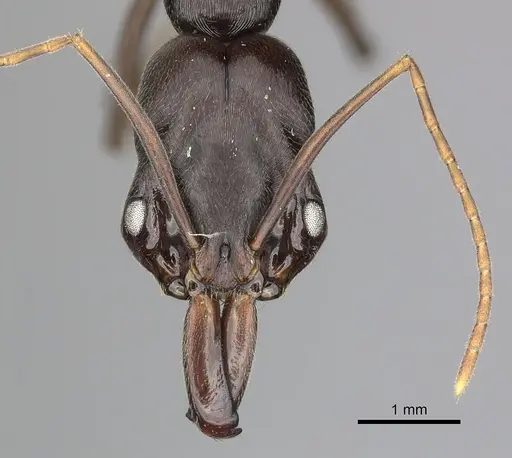
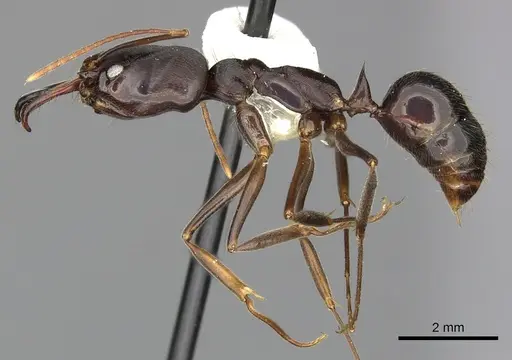
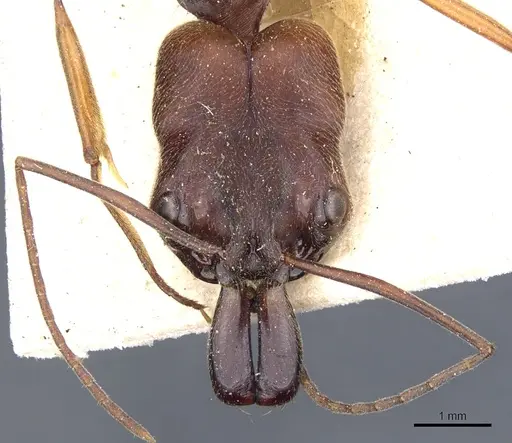
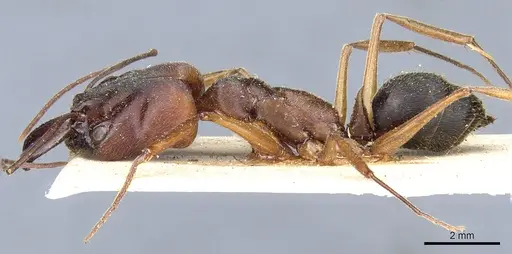
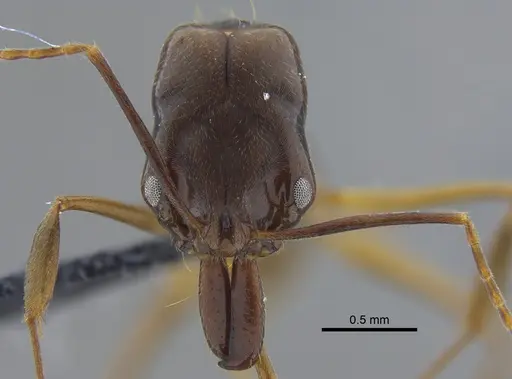
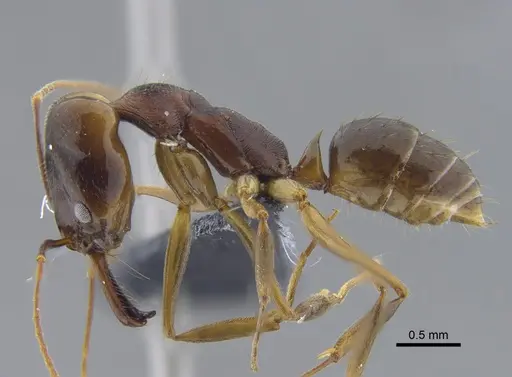
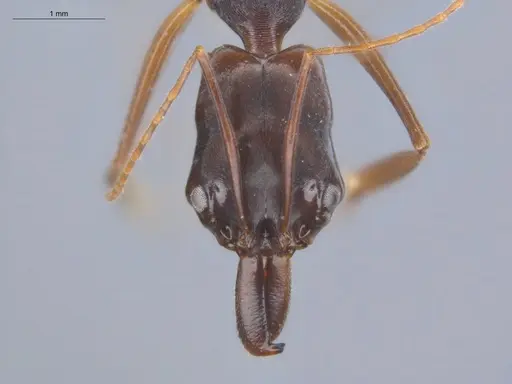
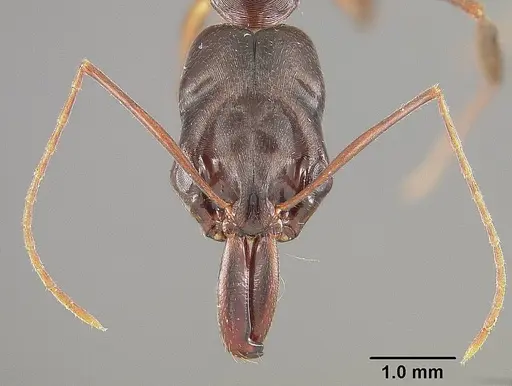
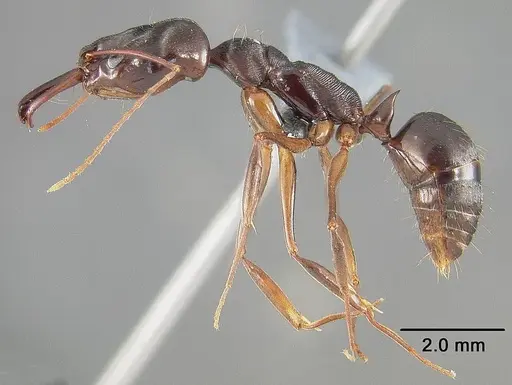
Odontomachus laticeps is a medium-sized trap-jaw ant native to the Neotropical region, ranging from Mexico through Central America into South America. Workers measure 10.8-13.5mm with a distinctive dark reddish-brown coloration and the genus' signature elongated mandibles that can snap shut at incredible speeds to capture prey [1][2]. These ants are predatory hunters that actively forage through leaf litter and low vegetation, using their powerful trap-jaw mandibles to seize prey [3]. They belong to the Ponerinae subfamily and are known for their relatively aggressive defensive behavior when disturbed. The species was originally described by Roger in 1861 and was previously known as a subspecies of O. haematodus before being elevated to full species status [4].
Quick Summary
- Difficulty: Medium
- Origin & Habitat: Native to tropical and subtropical rainforests of Central and South America, ranging from northeastern Mexico to Panama and into Bolivia, Brazil, Colombia, and Ecuador [3][4]. Found in various habitats including pine forest, oak forest, and secondary vegetation in Mexico [5].
- Colony Type: Single-queen colonies (monogyne). Colony sizes are relatively small, one study recorded only 15 individuals in a colony [6], though this may represent an incomplete sample. Queens measure 12.9-13.6mm [1].
- Colony: Monogyne
- Founding: Semi-claustral
- Size & Growth:
- Queen: 12.9-13.6mm [1]
- Worker: 10.8-13.5mm [1]
- Colony: Likely up to several hundred workers based on genus patterns, one study recorded 15 individuals but this appears to be a partial sample [6]
- Growth: Moderate, estimated 6-10 weeks from egg to first worker based on typical Ponerinae development
- Development: 6-10 weeks (estimated based on related Ponerinae species) (Development time is temperature-dependent. Queens are semi-claustral and must hunt during founding.)
- Antkeeping:
- Temperature: Keep at 24-28°C. As a tropical species, they need warm conditions. A heating cable on one side of the nest creates a suitable gradient.
- Humidity: Keep substrate moderately moist. These forest-floor ants prefer damp conditions similar to their leaf litter habitat, but avoid waterlogging.
- Diapause: No, as a tropical species, they do not require hibernation. Keep temperatures stable year-round.
- Nesting: Y-tong (AAC) nests or plaster nests work well. Provide narrow chambers and plenty of dark hiding spaces. They prefer to nest in enclosed spaces with moderate humidity.
- Behavior: Active and aggressive predators. Workers hunt individually through leaf litter and low vegetation, using their powerful trap-jaw mandibles to capture live prey [3]. They are defensive and will readily snap at threats. Escape prevention is important, while not the smallest ants, they are agile and can squeeze through small gaps. They have a painful sting though it's rarely used against humans.
- Common Issues: colonies may fail during founding if queen doesn't catch enough prey, feed her live prey items regularly, small colony sizes reported in the wild may indicate they are naturally slow to expand, don't expect rapid growth, tropical species may struggle if temperatures drop below 22°C, monitor closely, they are preyed upon by army ants in the wild, keep them away from other aggressive ant species, escape prevention is important as workers are fast and can fit through small openings
Housing and Nest Setup
Odontomachus laticeps does well in Y-tong (AAC) nests or plaster formicariums. These ants prefer enclosed, dark spaces and will settle into narrow chambers readily. Provide a water reservoir connected to the nest to maintain humidity. Since they are ground-dwelling ants from forest floors, keep the nest area moist but not waterlogged. An outworld for foraging should be attached, allowing workers to hunt and explore. Use a deep substrate in the outworld if possible, as they like to forage through debris. Escape prevention is important, while not tiny, they are fast and agile. Apply fluon or use tight-fitting lids on all connections. [3][6]
Feeding and Diet
These are predatory ants that hunt live prey in the wild. Feed them small live insects like fruit flies, pinhead crickets, small mealworms, and other appropriately-sized arthropods. They are opportunistic omnivores, one study noted them preying on spotted spittlebug nymphs in sugarcane crops [7]. They have low nectar use compared to some other ant species [8], so sugar water is not a primary food source but can be offered occasionally. Feed the queen well during founding, she will need to hunt to get protein for producing eggs. Once workers arrive, offer protein prey 2-3 times per week and keep a sugar water source available.
Temperature and Seasonal Care
As a tropical species from Central and South American rainforests, Odontomachus laticeps needs warm temperatures. Keep the nest area at 24-28°C. A heating cable placed on top of the nest (not underneath, to avoid drying) can create a gentle gradient. They do not require hibernation or winter cooling, maintain stable temperatures year-round. Avoid temperatures below 22°C as this can slow activity and potentially harm the colony. Room temperature in most homes should be suitable, but monitor during winter months when heating can dry out air. [3][5]
Behavior and Defense
These ants are active hunters with powerful trap-jaw mandibles. Workers forage individually through leaf litter, ambushing prey rather than recruiting through tandem running [3]. When threatened, they will raise their gaster and snap their mandibles defensively. They have a functional sting that can cause pain, though they rarely use it unless handled roughly. The trap-jaw mechanism is one of the fastest in the animal kingdom, while not as extreme as some related species, it still delivers a sharp snap that can deter predators and capture prey. Observe from a distance rather than handling directly.
Colony Development
Colony growth is likely moderate compared to some other ant species. One study recorded a wild colony with only 15 individuals [6], though this may represent an incomplete sample. Based on typical Ponerinae development, expect 6-10 weeks from egg to first worker at optimal temperatures. The queen is semi-claustral, unlike claustral species that seal themselves away, she must leave the nest periodically to hunt for food during the founding stage. This makes founding more risky for the keeper, ensure she has access to small live prey. Once the first nanitic workers arrive, the colony typically grows more steadily as they assist with foraging and brood care.
Frequently Asked Questions
How long does it take for Odontomachus laticeps to get their first workers?
Expect 6-10 weeks from egg to first worker at optimal temperatures (24-28°C). This is typical for Ponerinae species. The queen is semi-claustral, meaning she must hunt during founding, so providing small live prey helps speed development.
Do Odontomachus laticeps ants sting?
Yes, they can sting and it is painful, though they rarely use it against humans. Their primary defense is their powerful trap-jaw mandibles which can snap shut rapidly. They will typically snap at threats before resorting to stinging.
What do I feed my Odontomachus laticeps colony?
Feed them small live prey like fruit flies, pinhead crickets, small mealworms, and other tiny arthropods. They are predatory hunters. Sugar water can be offered occasionally but they are not heavy nectar consumers. Protein-rich prey is essential for the queen during founding and for workers to raise brood.
Can I keep multiple Odontomachus laticeps queens together?
No, this species is monogyne, they form single-queen colonies. Multiple unrelated queens will fight. Only keep one queen per colony.
Do Odontomachus laticeps need hibernation?
No, they are tropical ants and do not require hibernation. Keep temperatures stable at 24-28°C year-round. Do not expose them to cool temperatures or simulate winter.
How big do Odontomachus laticeps colonies get?
Based on limited data, colonies appear to be relatively small, one study recorded only 15 individuals [6]. They likely reach several hundred workers at most, which is smaller than many common ant species. Growth is moderate but steady once established.
Are Odontomachus laticeps good for beginners?
They are rated as medium difficulty. The main challenges are providing live prey for the semi-claustral queen during founding and maintaining warm, humid conditions. They are more demanding than simple sugar-feeding species but not as difficult as some specialized ants. If you can provide regular small live prey, they can be rewarding.
What size nest do I need for Odontomachus laticeps?
A Y-tong (AAC) nest or plaster formicarium with narrow chambers works well. They prefer enclosed dark spaces. Start with a small setup and expand as the colony grows, they don't need massive spaces even at full size.
Why is my founding queen dying?
Semi-claustral queens must hunt during founding. If she doesn't have access to small live prey, she will starve. Make sure she can catch small insects like fruit flies or pinhead crickets. Also check that the setup has appropriate humidity, too dry and she will desiccate.
Where is Odontomachus laticeps found in the wild?
They range from northeastern Mexico through Central America (Guatemala, Honduras, Costa Rica) down to South America including Colombia, Ecuador, Peru, Bolivia, Brazil, and French Guiana. They live in tropical and subtropical rainforests, found in leaf litter and low vegetation [4][3].
References

This caresheet is licensed under CC BY-SA 4.0 .
CASENT0270608
View on AntWeb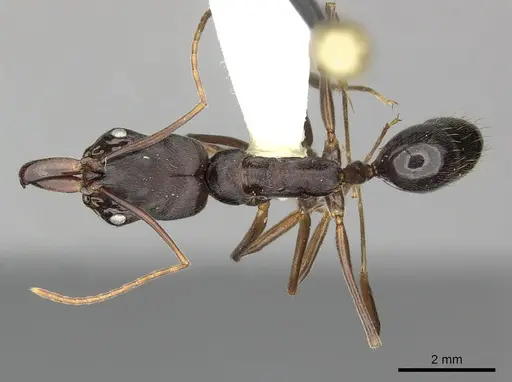
CASENT0904008
View on AntWeb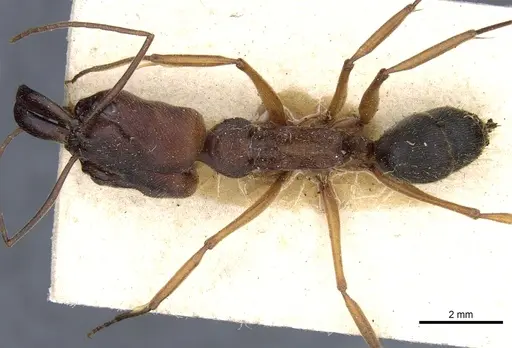
CBUMAGENT41704
View on AntWeb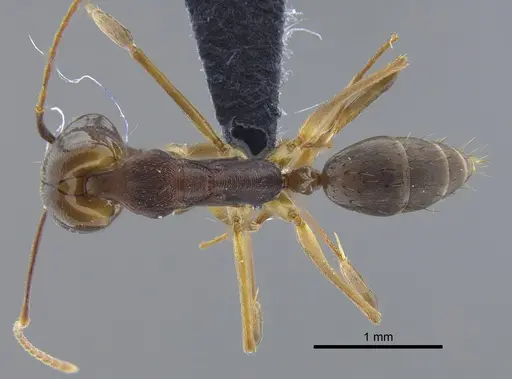
ECOFOG-MI15-0482-07
View on AntWeb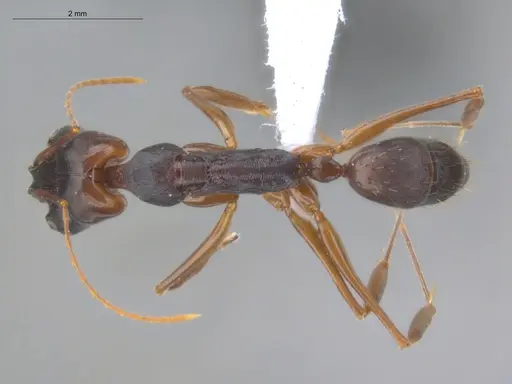
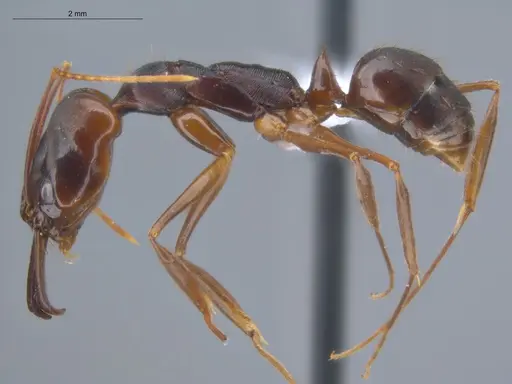
USNMENT00446064
View on AntWeb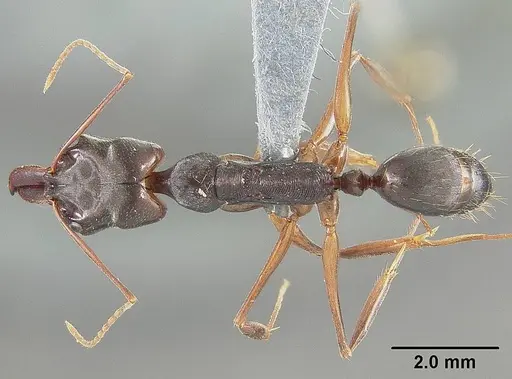
Literature
Loading...Loading products...