

Odontomachus insularis
- Scientific Name
- Odontomachus insularis
- Tribe
- Ponerini
- Subfamily
- Ponerinae
- Author
- Guérin-Méneville, 1844
- Common Name
- Bermuda Trap-jaw Ant
- Distribution
- Found in 7 countries
Odontomachus insularis Overview
Odontomachus insularis (commonly known as the Bermuda Trap-jaw Ant) is an ant species of the genus Odontomachus. It is primarily documented in 7 countries , including Bahamas, Colombia, Cuba. Detailed taxonomic data and occurrence records can be further explored via authoritative databases such as AntWeb or the Global Biodiversity Information Facility (GBIF).
Odontomachus insularis - "Bermuda Trap-jaw Ant"
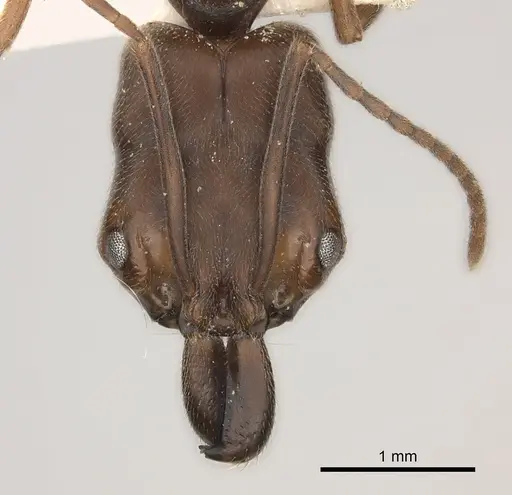
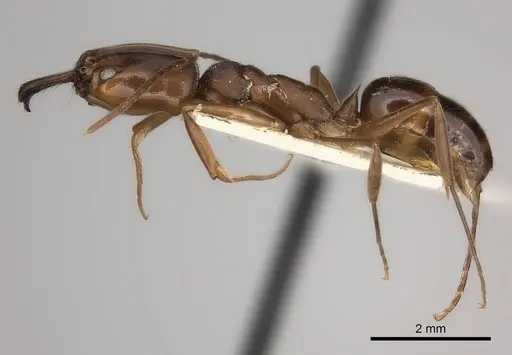
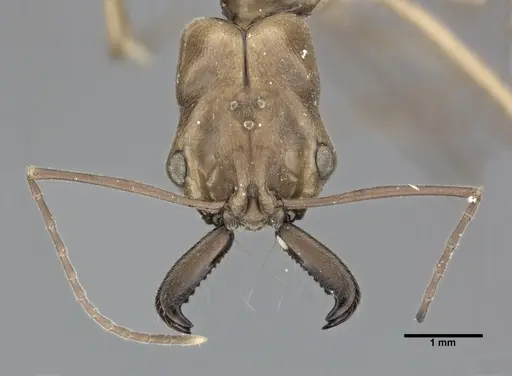
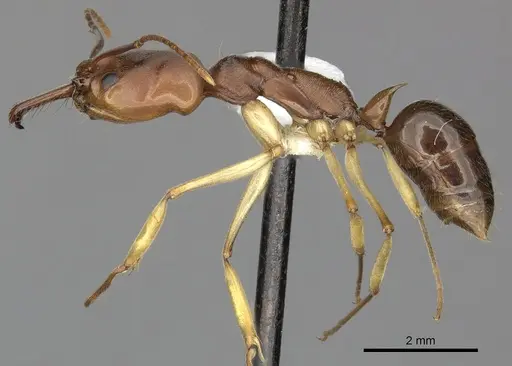
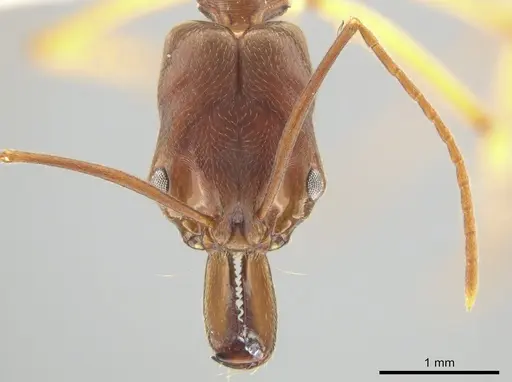
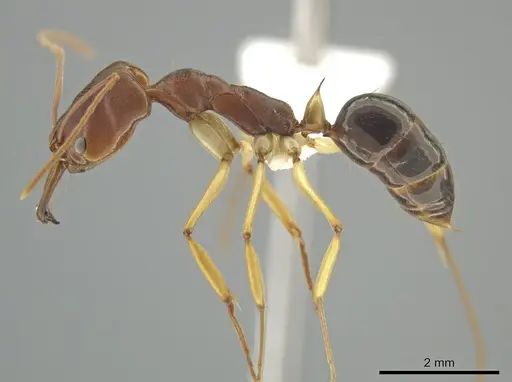
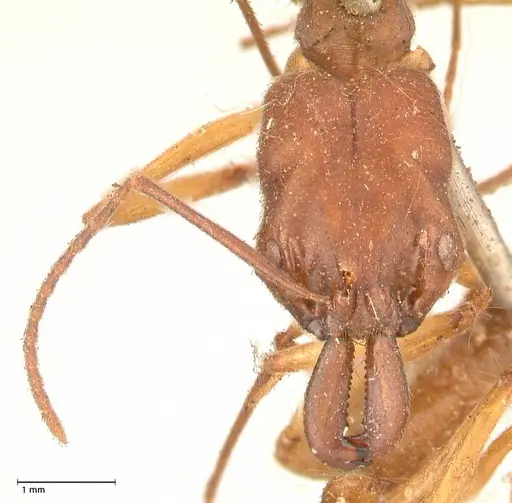
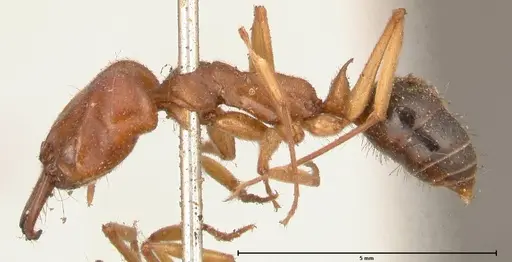
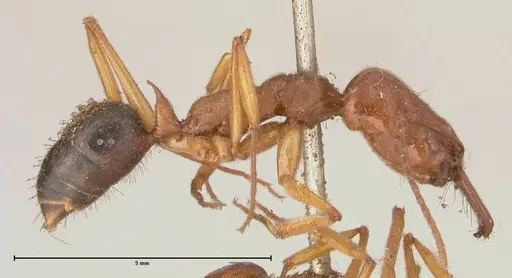
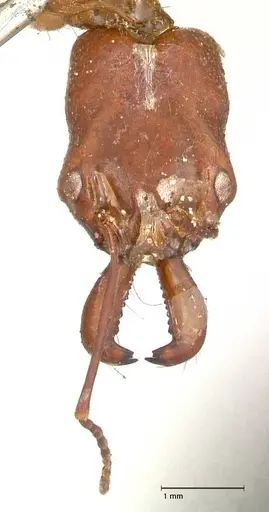
Odontomachus insularis is a medium-sized trap-jaw ant native to the Caribbean islands. Workers measure 9.5-10mm and have a distinctive reddish-brown to light brown body with yellowish appendages and a dark brown to black abdomen (gaster). Their most recognizable feature is their powerful mandibles, which can snap shut with incredible speed to capture prey. The petiolar node has a long, thin, curved spine that distinguishes it from its close relative O. clarus found on the mainland. This species belongs to the Odontomachus haematodus species group and is widespread throughout the Greater Antilles, Bahamas, and parts of Central and South America. They nest in downed wood and soil, forager in leaf litter, and are commonly found in forests, coffee plantations, and even urban gardens.
Quick Summary
- Difficulty: Medium
- Origin & Habitat: Caribbean region, Cuba, Dominican Republic, Haiti, Bahamas, Puerto Rico, Jamaica, Barbados, Grenada, Guadeloupe, Martinique, Trinidad and Tobago, with populations also in Mexico and Peru. Found from sea level up to 1,071m elevation in various habitats including pluviforest, pastures, coffee plantations, and urban areas [1][2][3][4].
- Colony Type: Colony structure is unconfirmed. Most Odontomachus species form single-queen colonies, but this has not been specifically documented for O. insularis.
- Founding: Semi-claustral
- Size & Growth:
- Queen: 10.3mm [5]
- Worker: 9.5-10.0mm [5]
- Colony: Likely several hundred workers based on typical genus colony sizes, unconfirmed for this species
- Growth: Moderate, based on related species development patterns
- Development: 6-8 weeks at optimal temperature based on genus patterns for similar Caribbean species (Development time is inferred from related Odontomachus species, specific data for O. insularis is not available)
- Antkeeping:
- Temperature: Keep at 24-28°C. These are tropical Caribbean ants that thrive in warm conditions. A heating cable on one side of the nest creates a suitable gradient [1][2].
- Humidity: Moderate to high, they naturally inhabit leaf litter and forest floor environments. Keep the nest substrate consistently moist but not waterlogged, with some drier areas available.
- Diapause: No, as a tropical species from the Caribbean, they do not require hibernation. They remain active year-round in warm conditions.
- Nesting: In nature they nest in downed wood and soil. In captivity, a naturalistic setup with soil or a Y-tong/plaster nest works well. They prefer dark, humid chambers and forage in the upper areas of the nest.
- Behavior: Active hunters that forage in leaf litter using their powerful trap-jaw mandibles. They are defensive and will use their mandibles and sting if threatened. Workers are medium-sized and can deliver a painful sting. Escape prevention should be good, they are not tiny but can fit through small gaps.
- Common Issues: queen may fail to found if she cannot hunt during founding, most Odontomachus are semi-claustral and need to leave the nest to catch prey, colonies may struggle if kept too cold, maintain warm temperatures year-round, wild-caught colonies may have parasites that can decimate the colony in captivity, slow colony growth can lead to keeper impatience and overfeeding, causing mold problems, they are defensive and may attack if the nest is disturbed, give them space during the founding stage
Housing and Nest Setup
Odontomachus insularis is a ground-nesting ant that naturally nests in downed wood and soil. For captivity, a naturalistic setup with a soil chamber or a Y-tong/plaster nest works well. They prefer dark, humid nesting areas and will often establish their colony in the lower portions of the setup while foraging in the upper areas. Because they are medium-sized ants, standard formicarium dimensions are appropriate, aim for chambers that give them room to move but aren't excessively large. A test tube setup can work for founding colonies, but be prepared to move them to a larger setup as the colony grows. They do best with a moisture gradient so they can choose their preferred humidity level. [1][2]
Feeding and Diet
Odontomachus insularis is a predatory ant that hunts using its powerful trap-jaw mandibles. In captivity, offer small live prey such as fruit flies, pinhead crickets, small worms, and other micro-arthropods. They are active hunters and will readily chase down moving prey. Based on their natural behavior of foraging in leaf litter, they likely prey on small insects and other arthropods found in the forest floor layer. Sugar sources may be accepted occasionally, but protein-rich live prey should be the primary food. Feed them every few days, removing uneaten prey to prevent mold. [1][2]
Temperature and Seasonal Care
These are tropical Caribbean ants that require warm conditions year-round. Keep the nest area at 24-28°C, with a slight gradient allowing workers to choose their preferred temperature. A heating cable placed on one side of the nest can create this gradient. Unlike temperate species, they do not require hibernation or diapause, maintaining consistent warm conditions is essential for colony health and development. Cooler temperatures can slow or stop brood development and may weaken the colony. Room temperature in a heated home is usually suitable, but monitor with a thermometer. [1][2]
Behavior and Defense
O. insularis is an active forager that hunts in leaf litter using its distinctive trap-jaw mandibles. Workers patrol the foraging area searching for prey, which they capture with a rapid snap of their jaws. This species is defensive and will respond to threats with both their powerful mandibles and a sting. The sting can be painful, though not dangerous to healthy humans. They are not overly aggressive toward humans but will defend their nest vigorously if disturbed. Give newly founded colonies space and minimize disturbances until the first workers (nanitics) emerge. They are medium-sized and can escape through moderate gaps, use standard escape prevention measures.
Colony Founding
Most Odontomachus species are semi-claustral, meaning the queen cannot survive on stored fat reserves alone during founding. She must leave the nest periodically to hunt for food to feed herself and her developing brood. This differs from claustral species like Camponotus or Lasius, where the queen seals herself in and never leaves during founding. For O. insularis, provide the founding queen with access to small prey items she can hunt. The founding chamber should be dark and humid. Expect the first workers (nanitics) to emerge in 6-8 weeks under optimal warm conditions. The queen may be less defensive during the founding stage but will become more aggressive once workers arrive.
Frequently Asked Questions
How long does it take for Odontomachus insularis to produce first workers?
Based on related species, expect first workers in 6-8 weeks at optimal temperature (24-28°C). The exact timeline for this species is unconfirmed but development follows typical genus patterns.
What do Odontomachus insularis eat?
They are predatory ants that hunt small live prey. Feed them small insects like fruit flies, pinhead crickets, small worms, and other micro-arthropods. They use their powerful trap-jaw mandibles to capture prey. Sugar sources may be occasionally accepted but protein should be the primary food.
Can I keep multiple queens together?
Combining unrelated queens of this species has not been documented. Most Odontomachus are single-queen species, so it is not recommended to house multiple foundresses together as they may fight.
Do Odontomachus insularis need hibernation?
No, they do not require hibernation. As tropical Caribbean ants, they remain active year-round in warm conditions. Maintain temperatures of 24-28°C consistently.
Are Odontomachus insularis good for beginners?
They are rated as medium difficulty. They require warm temperatures, humidity, and regular feeding of live prey. The stinging ability is also a consideration. Beginners should ensure they can maintain proper conditions before acquiring this species.
How big do Odontomachus insularis colonies get?
Colony size is unconfirmed for this specific species, but based on typical genus size, they likely reach several hundred workers. Growth is moderate.
When should I move my colony to a formicarium?
Move them when the test tube or founding setup becomes crowded. For Odontomachus, this is typically when the colony reaches 20-30 workers. They prefer naturalistic or Y-tong setups with soil or plaster for humidity retention.
Why is my colony not growing?
Check that temperatures are warm (24-28°C), humidity is adequate, and the queen has access to prey. Semi-claustral queens need to hunt, if she cannot catch prey, she may not produce brood. Also ensure the colony is not being disturbed excessively.
References

This caresheet is licensed under CC BY-SA 4.0 .
CASENT0217541
View on AntWeb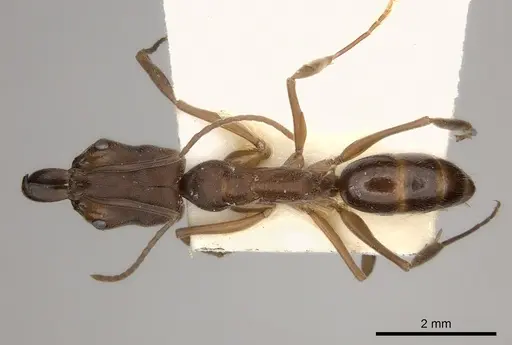
CASENT0246015
View on AntWeb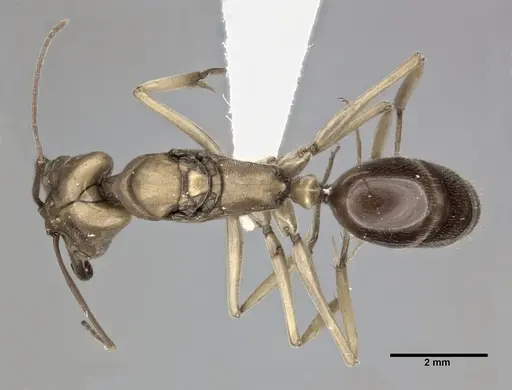
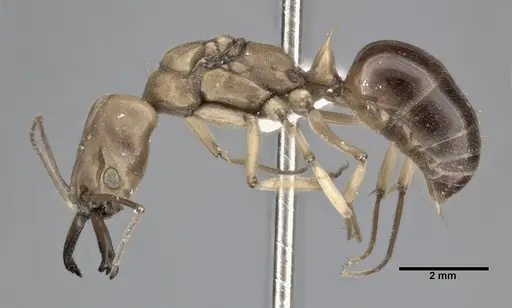
CASENT0270607
View on AntWeb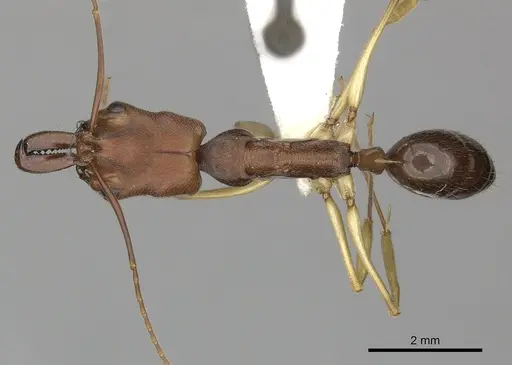
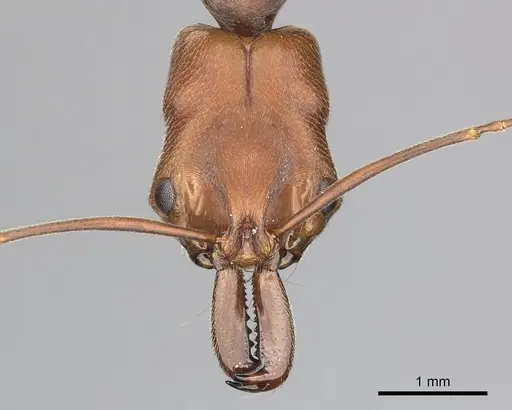
CASENT0633933
View on AntWeb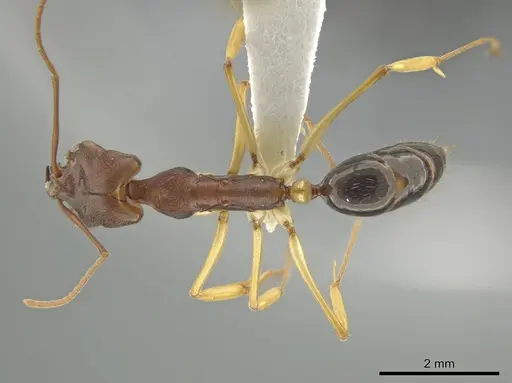
FOCOL0683
View on AntWeb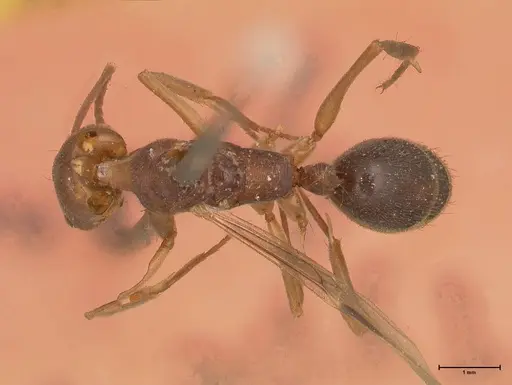
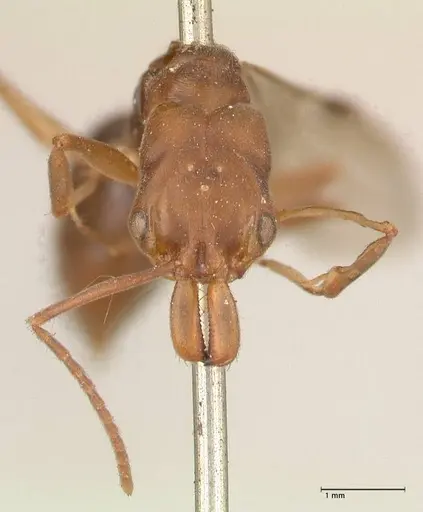
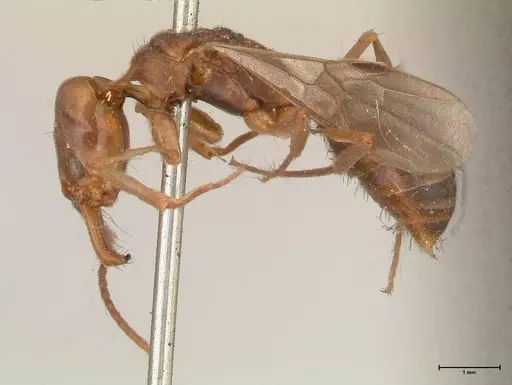
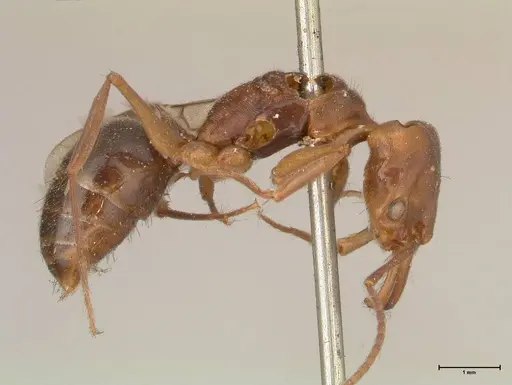
FOCOL0684-1
View on AntWeb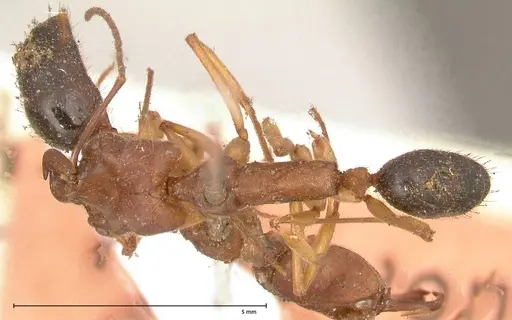
FOCOL0684-2
View on AntWeb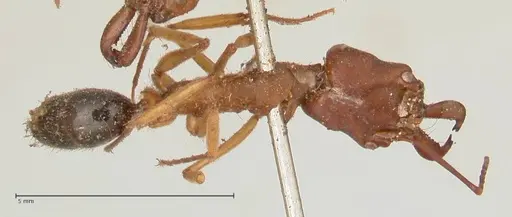
Literature
Loading...Loading products...