

Odontomachus imperator
- Scientific Name
- Odontomachus imperator
- Tribe
- Ponerini
- Subfamily
- Ponerinae
- Author
- Emery, 1887
- Distribution
- Found in 2 countries
Odontomachus imperator Overview
Odontomachus imperator is an ant species of the genus Odontomachus. It is primarily documented in 2 countries , including Indonesia, Papua New Guinea. Detailed taxonomic data and occurrence records can be further explored via authoritative databases such as AntWeb or the Global Biodiversity Information Facility (GBIF).
Odontomachus imperator
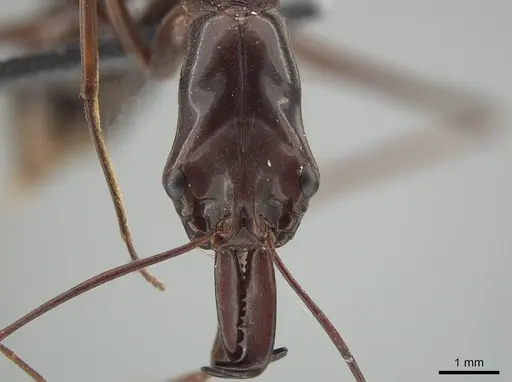
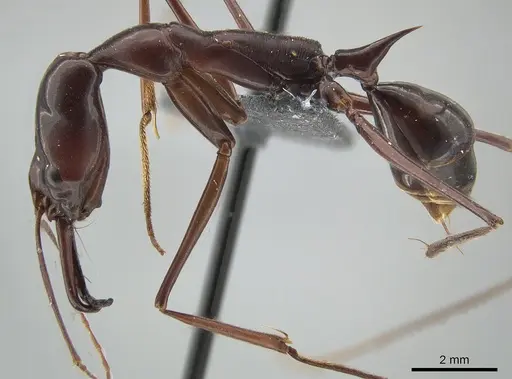
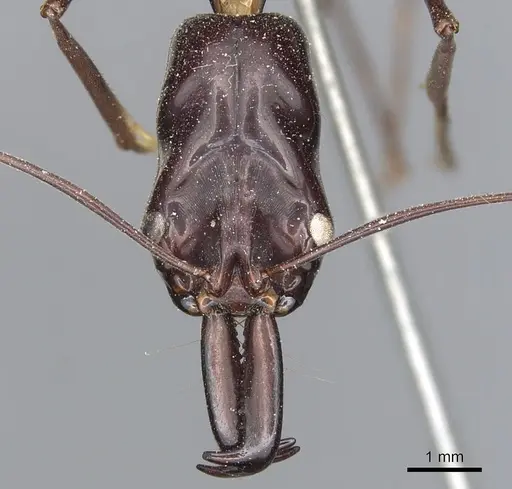
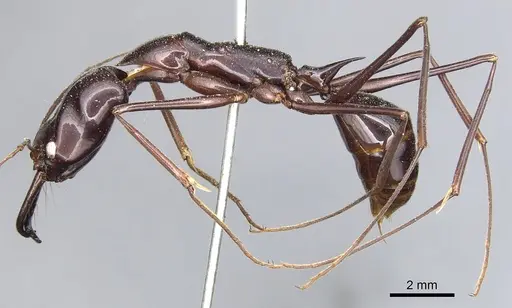
Odontomachus imperator is a large trap-jaw ant species from New Guinea and surrounding regions. Workers measure 11-14mm and have the characteristic powerful mandibles that give trap-jaw ants their name, they can snap their jaws shut at incredible speeds to capture prey or defend the colony [1]. The workers are dark brown to black (piceo-nigra) with paler mandibles, antennae, and leg tips. Their head is elongated, and they have a distinctive long spine on the petiole (the narrow waist section). This species belongs to the Odontomachus saevissimus group, which includes several similar trap-jaw ant species distributed across the Moluccas to Solomon Islands [2][3].
These ants are active predators, using their lightning-fast mandibles to capture insects and other small prey. As a tropical species from New Guinea, they require warm and humid conditions in captivity. Their large size and impressive jaws make them an striking species for experienced antkeepers, though their predatory nature and specific care requirements make them better suited for those with some antkeeping experience.
Quick Summary
- Difficulty: Medium
- Origin & Habitat: New Guinea region including Irian Jaya (Indonesia), Sulawesi, New Britain, and Papua. Found in tropical forest habitats [4][1].
- Colony Type: Likely single-queen (monogyne) colonies based on typical genus patterns. Colony size reaches up to several hundred workers.
- Colony: Monogyne
- Founding: Claustral
- Size & Growth:
- Queen: Approximately 14-16mm (estimated based on genus patterns, direct measurement not available)
- Worker: 11-14mm [1]
- Colony: Several hundred workers (estimated based on related species)
- Growth: Moderate
- Development: Approximately 6-8 weeks at optimal temperature (inferred from related Odontomachus species) (Development time is temperature-dependent, warmer temperatures within safe range accelerate development)
- Antkeeping:
- Temperature: Keep at 24-28°C. A heating cable on one side of the nest creates a temperature gradient allowing ants to self-regulate. These tropical ants need consistent warmth.
- Humidity: Maintain high humidity around 70-80%. Keep the nest substrate consistently moist but not waterlogged. Mist occasionally and provide a water tube for drinking. Tropical forest species need damp conditions.
- Diapause: No true diapause required. These ants come from a tropical climate without cold winters. They may show reduced activity during cooler periods but do not need hibernation.
- Nesting: In captivity, they do well in Y-tong (acrylic) nests or plaster nests that hold humidity well. Provide a dark nesting area. They prefer chambers scaled to their large size. A foraging area with substrate allows for natural hunting behavior.
- Behavior: Odontomachus imperator is an active and aggressive predator. Workers hunt using their powerful trap-jaw mandibles to capture live prey, they will actively pursue and seize insects. They are defensive of their nest and will readily sting intruders. Workers are relatively fast-moving and will explore their outworld thoroughly. Escape risk is moderate, their large size makes them easier to contain than tiny ants, but they are strong climbers. Use standard barrier methods like fluon on test tube rims. They are primarily nocturnal or crepuscular in nature, so expect peak activity in evening and night hours.
- Common Issues: colonies often fail when kept too dry, these tropical ants need consistent humidity, feeding only sugar or dead prey will result in colony decline, they require live prey to thrive, temperature drops below 22°C can slow activity and weaken colonies, wild-caught colonies may have parasites that cause problems in captivity, queens can be damaged during founding if disturbed, provide quiet, dark conditions
Housing and Nest Setup
Odontomachus imperator does well in Y-tong (acrylic) nests or plaster nests that maintain humidity well. Their large size means you should use appropriately sized chambers, tight enough to feel secure but with room for the colony to expand. A test tube setup works for founding colonies, but be prepared to move them to a proper formicarium once the colony reaches 20-30 workers. The nest should be kept dark, these ants prefer dim conditions and will thrive with the nest area covered. An outworld (foraging area) of reasonable size allows workers to hunt and explore. Use a deep substrate layer in the outworld if possible, as these ants sometimes like to dig. Ensure excellent escape prevention, while not tiny, they are strong climbers and active. Apply fluon or similar barriers to all edges and openings.
Feeding and Diet
As predatory trap-jaw ants, Odontomachus imperator requires live prey to thrive. Offer small insects like fruit flies, small crickets, mealworms, and other appropriately sized invertebrates. Feed prey items twice weekly for established colonies, adjusting based on consumption. Remove uneaten prey after 24-48 hours to prevent mold. While some Odontomachus species will occasionally accept sugar water or honey, these ants are primarily predatory and protein is essential for brood development. Do not rely on sugar sources as a primary food, they need live prey. Fresh water should always be available.
Temperature and Humidity
These tropical ants need warm, humid conditions. Maintain temperatures between 24-28°C in the nest area. A heating cable placed on one side of the nest creates a gradient, workers will move to their preferred temperature zone. Avoid temperatures below 22°C for extended periods as this can weaken the colony. Humidity should stay around 70-80%, use a moisture reservoir in the nest or regularly mist the substrate. The nest material should feel damp but not have standing water. Poor humidity leads to failed molts and colony decline. Monitor condensation levels as a guide, some condensation is normal and indicates good humidity.
Behavior and Temperament
Odontomachus imperator is an aggressive, active predator. Workers hunt by sight and will rapidly snap their powerful mandibles to capture prey or defend against threats. They have a functional sting and will use it if handled roughly or if their nest is threatened. These ants are not suitable for handling. They are primarily nocturnal, so expect most activity during evening and night hours. Workers are relatively bold and will investigate the outworld thoroughly. Colonies become more active as they grow. The trap-jaw mechanism is fascinating to observe, workers can snap their mandibles with enough force to launch themselves backward if threatened. This is normal defensive behavior.
Colony Development
A claustral queen will seal herself into a chamber and lay eggs without leaving to forage. She relies on stored fat reserves to survive and feed the first brood. The first workers (nanitics) will be smaller than mature workers but functional. After the first workers emerge, the colony enters a growth phase. Development from egg to worker takes approximately 6-8 weeks at optimal temperature, though this is inferred from related species. Growth rate is moderate, not the fastest but steady with proper feeding. A healthy colony can reach several hundred workers over several years. The queen is long-lived and will continue producing eggs for years.
Frequently Asked Questions
How long does it take for Odontomachus imperator to produce first workers?
Expect first workers (nanitics) approximately 6-8 weeks after the queen lays eggs, at optimal temperature around 26°C. This is based on related Odontomachus species as specific development timing for O. imperator is not documented.
What do Odontomachus imperator ants eat?
They require live prey, small insects like fruit flies, small crickets, and mealworms are ideal. They are predators and will not thrive on sugar alone. Offer protein prey twice weekly and remove uneaten items after 24 hours.
Are Odontomachus imperator good for beginners?
No, they are considered medium difficulty. Their requirement for live prey, high humidity needs, and warm temperatures make them better suited for antkeepers with some experience. They are not recommended as a first species.
What temperature do Odontomachus imperator ants need?
Keep them at 24-28°C. A heating cable on one side of the nest creates a gradient. Avoid temperatures below 22°C for extended periods.
How big do Odontomachus imperator colonies get?
Colonies can reach several hundred workers over several years. This is estimated based on related species in the genus.
Can I keep multiple queens together?
Odontomachus is typically monogyne (single queen). Combining unrelated queens is not recommended as they will likely fight.
Do Odontomachus imperator need hibernation?
No, they come from tropical New Guinea and do not require hibernation. They may show reduced activity during cooler periods but no special winter care is needed.
When should I move my colony to a formicarium?
Move from a test tube setup to a proper nest (Y-tong or plaster formicarium) once the colony reaches 20-30 workers or when the test tube becomes crowded.
Why is my Odontomachus imperator colony declining?
Common causes include: too low humidity, feeding only sugar/dead prey instead of live insects, temperatures below 22°C, or disturbance during founding. Ensure high humidity, live prey, and warm temperatures.
References

This caresheet is licensed under CC BY-SA 4.0 .
CASENT0650188
View on AntWeb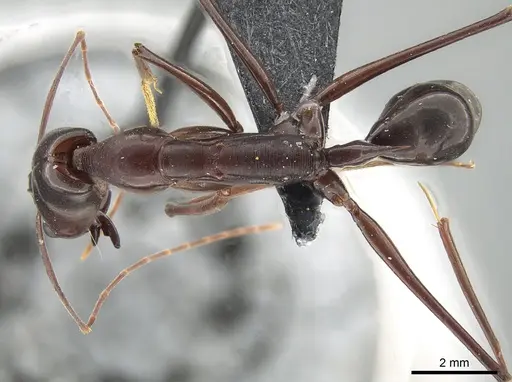
CASENT0903996
View on AntWeb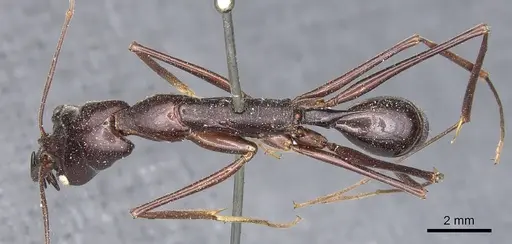
Literature
Loading...Loading products...