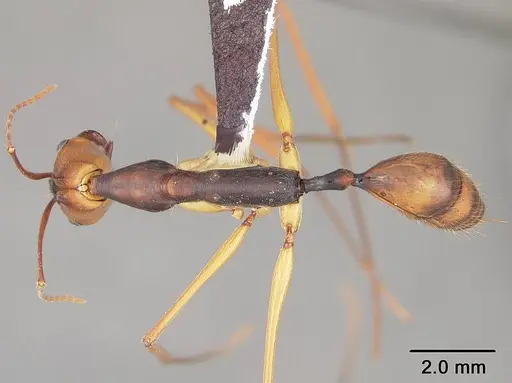
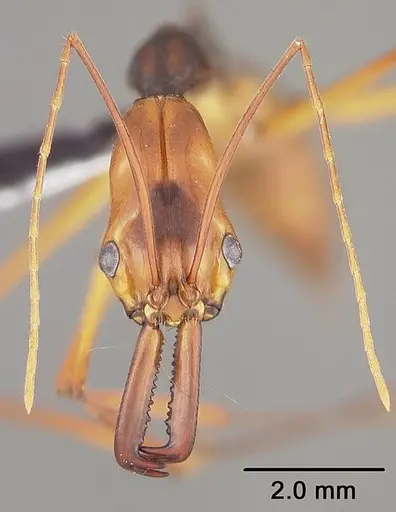
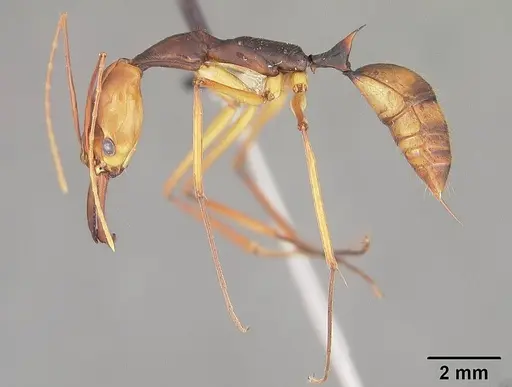
Odontomachus hastatus shows a January to December flight window. Peak activity occurs in February, with nuptial flights distributed across 8 months. This extended season suggests multiple flight events or varying conditions across its range.
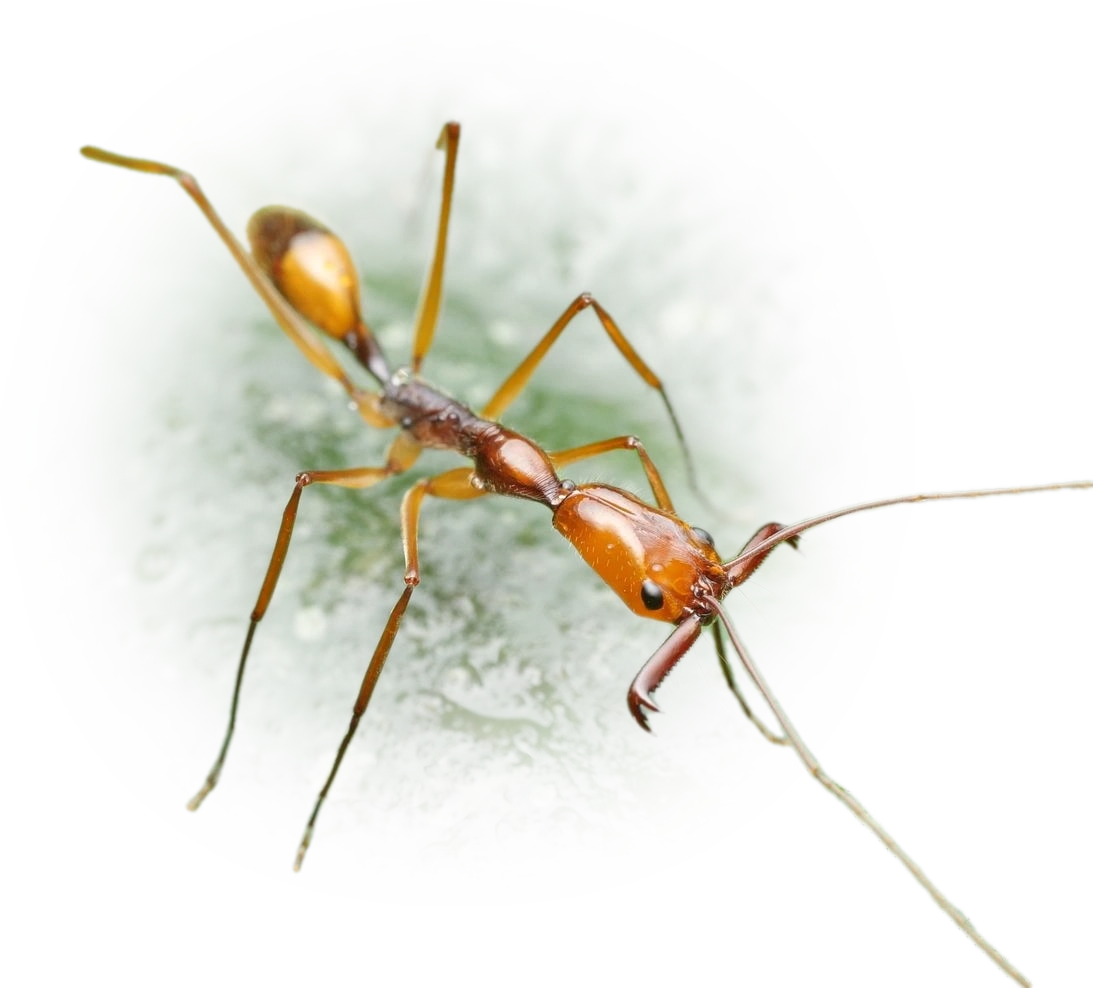
Odontomachus hastatus
- Scientific Name
- Odontomachus hastatus
- Tribe
- Ponerini
- Subfamily
- Ponerinae
- Author
- Fabricius, 1804
- Distribution
- Found in 10 countries
- Nuptial Flight
- from January to December, peaking in February
AI Identifiable
try →
Odontomachus hastatus Overview
Odontomachus hastatus is an ant species of the genus Odontomachus. It is primarily documented in 10 countries , including Brazil, Colombia, Costa Rica. Detailed taxonomic data and occurrence records can be further explored via authoritative databases such as AntWeb or the Global Biodiversity Information Facility (GBIF).
The nuptial flight of Odontomachus hastatus is a significant biological event, typically occurring from January to December, peaking in February. During this time, winged queens and males leave the nest to mate and establish new colonies.
Odontomachus hastatus
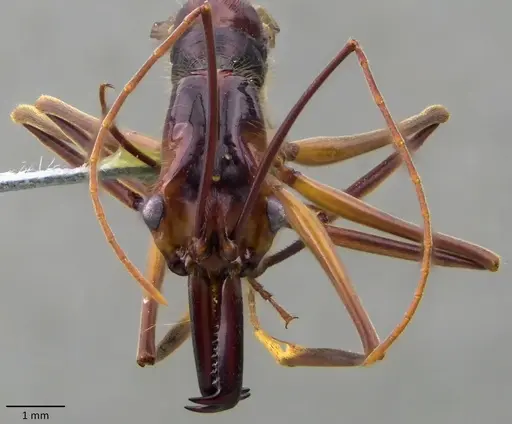
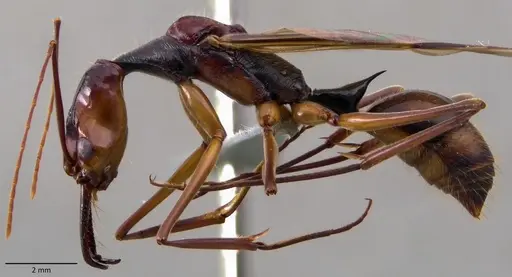
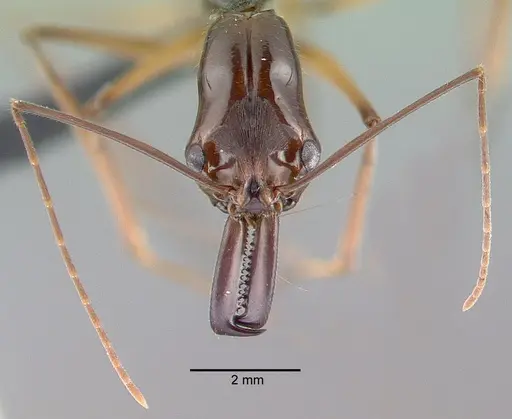
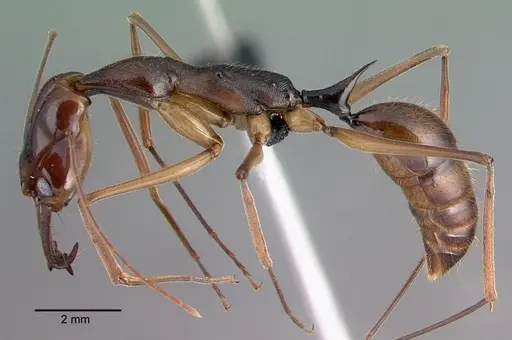
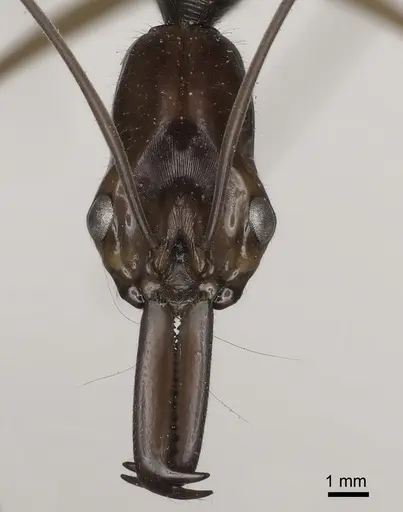
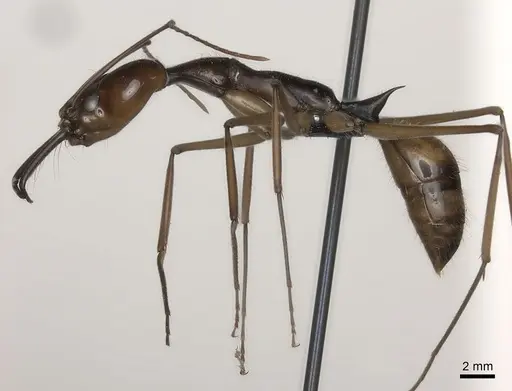
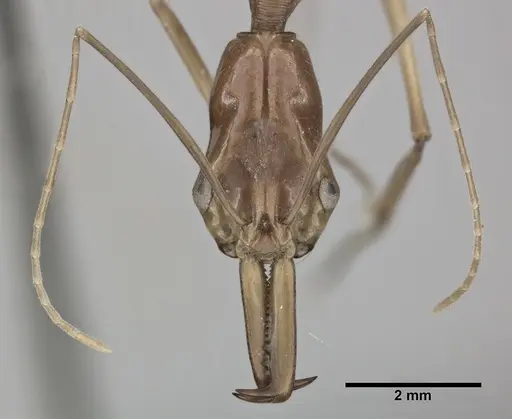
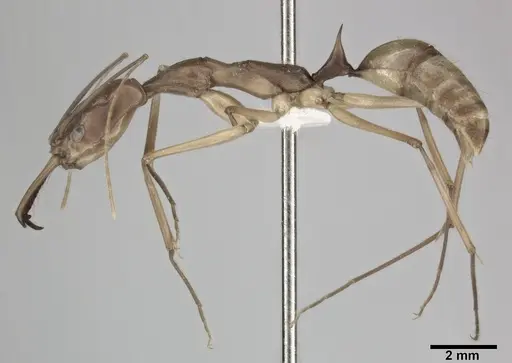
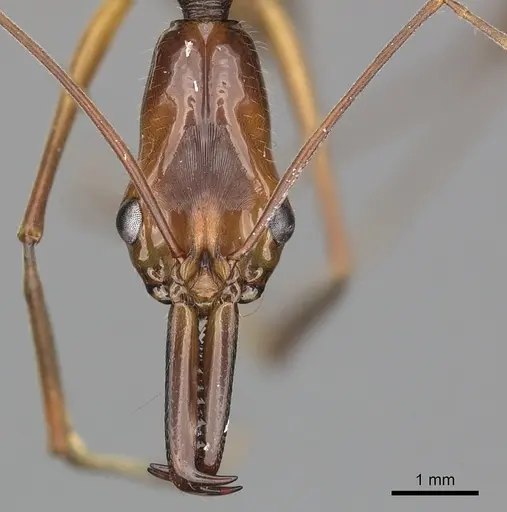
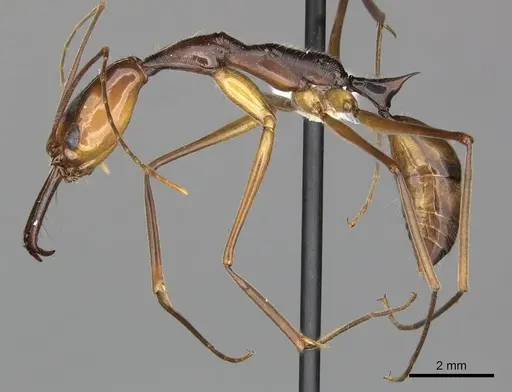
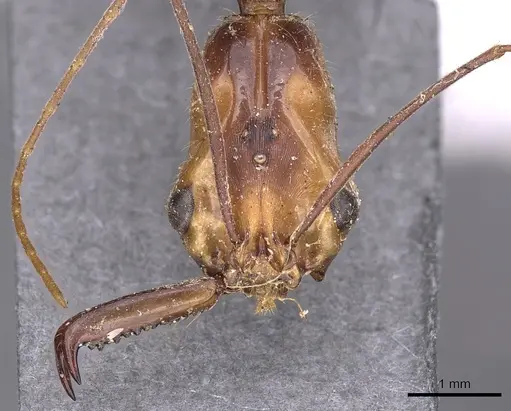
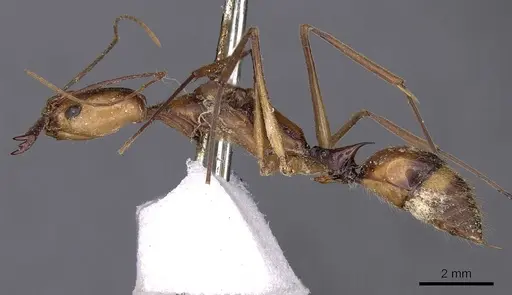
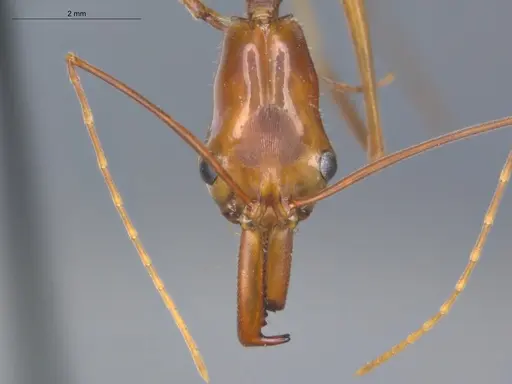
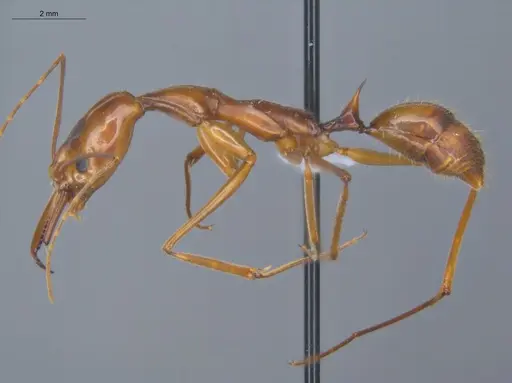
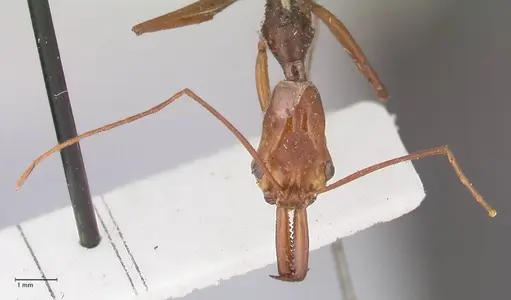
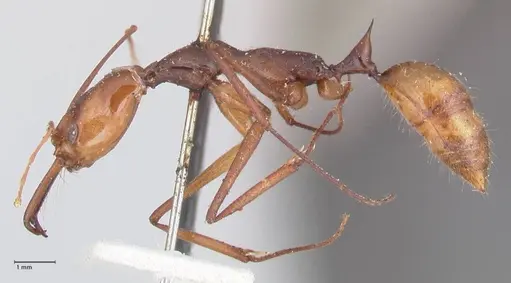
Odontomachus hastatus is a large, aggressive trap-jaw ant native to the Neotropics, ranging from Central America through South America. Workers reach 13.6-17.2 mm in total length and possess elongated mandibles characteristic of trap-jaw ants [1]. The head has a distinctive smooth and shining posterior surface, while the body is mostly dark with long sparse hairs. These ants are predominantly nocturnal and arboreal, nesting among the root clusters of epiphytic bromeliads in tropical rainforests [2][3].
What makes O. hastatus particularly interesting is its flexible social structure, colonies can have either a single queen or multiple queens (up to 12 have been observed), with queen number correlating to the size of the nesting space available [1][2]. The species is a generalist predator, hunting primarily flies, moths, ants, and spiders in the forest canopy [4]. Queens engage in dominance contests involving antennal drumming and mandibular strikes, with dominant queens producing more eggs [5]. This species also uses visual canopy patterns for navigation while foraging at night [3].
Quick Summary
- Difficulty: Medium
- Origin & Habitat: Neotropical rainforests of Central and South America, found in Brazil, Colombia, Costa Rica, Ecuador, French Guiana, Guatemala, Guyana, Panama, Peru, and Suriname. Nests among roots of epiphytic bromeliads in the forest canopy [2][3][6].
- Colony Type: Facultatively polygynous, colonies can have a single queen or multiple queens up to 12. Queen number correlates with nesting space size [1][2].
- Size & Growth:
- Queen: ~16.3-19.3 mm [1]
- Worker: ~13.6-17.2 mm [1]
- Colony: Up to 536 individuals [1]
- Growth: Moderate, inferred from genus patterns
- Development: Estimated 6-10 weeks based on related Odontomachus species (Development time inferred from genus-level data, specific timing for this species not directly studied.)
- Antkeeping:
- Temperature: Keep warm and stable, roughly 24-28°C, based on tropical habitat.
- Humidity: Keep nest substrate consistently moist but not waterlogged, mimicking humid rainforest canopy [2].
- Diapause: No, tropical species does not require hibernation [7].
- Nesting: Arboreal setup recommended, nest among bromeliad roots in canopy. Use Y-tong, plaster, or soil nests with vertical structures [2][3].
- Behavior: O. hastatus is aggressive and defensive, they will snap their powerful mandibles and possess a functional stinger. Workers are solitary foragers, hunting at night beginning around dusk [3][2]. Escape risk is moderate due to size, but secure containment is important [7].
- Common Issues: high humidity is critical, dry conditions will stress these rainforest ants and lead to colony decline [2]., live prey is essential, they are obligate predators and will not survive on sugar alone [4]., no hibernation needed, keeping them too cold during winter can be fatal [7]., escape prevention matters, while large, they can fit through small gaps, so secure containment is important., arboreal setup required, they will not thrive in ground-based nests, need vertical space [2].
Nuptial Flight Activity Analysis 83 observations
Flight Activity by Hour 83 observations
Odontomachus hastatus nuptial flight activity peaks around 08:00 during the morning. Activity is spread across a 22-hour window (00:00–21:00). A secondary activity peak occurs around 21:00. Times may be influenced by human observation patterns.
Housing and Nest Setup
Odontomachus hastatus requires an arboreal setup that mimics their natural bromeliad-root nesting habitat. These ants naturally live in the rainforest canopy among epiphytic bromeliad roots, so your setup should provide vertical space and multiple climbing surfaces. A naturalistic terrarium works best, use cork bark, fake plants, or moss to create climbing structures. You can also use a Y-tong (AAC) nest with the outworld connected vertically to accommodate their arboreal lifestyle. The nest chamber should be humid but not waterlogged. Provide a water tube at all times, these ants need constant access to fresh water. Because they forage at night, keep the setup in a room with natural light cycles or use a timer to simulate day/night. The outworld should have multiple branches or vertical surfaces for workers to traverse while hunting [2][3].
Feeding and Diet
O. hastatus is an obligate predator, they require live prey to thrive. In the wild, their diet consists primarily of canopy-dwelling arthropods: flies, moths, ants, and spiders make up over 60% of their prey [4]. Feed a variety of small live insects such as fruit flies, small crickets, mealworms, and other appropriately sized arthropods. Offer prey 2-3 times per week, adjusting based on colony size. While they are primarily predatory, they may occasionally accept protein-based liquid foods, but do not rely on these as staples. The key is providing varied live prey that mimics their natural hunting behavior. Remove uneaten prey after 24 hours to prevent mold. A well-fed colony will have workers with distended abdomens, this is a good sign of healthy nutrition [2][4][7].
Temperature and Humidity
As a tropical species from Central and South American rainforests, O. hastatus requires warm and humid conditions. Keep temperatures warm and stable, roughly 24-28°C, based on their natural habitat. A heating cable placed on one side of the nest creates a gentle gradient allowing workers to self-regulate their temperature preference. Humidity should be maintained by keeping the nest substrate consistently moist but not waterlogged, mimicking the humid rainforest canopy where they nest in bromeliad roots [2]. Mist the outworld regularly and ensure good ventilation to prevent mold while maintaining humidity. Avoid temperatures below 22°C for extended periods, this tropical species does not tolerate cool conditions well [7].
Foraging Behavior and Activity Patterns
Understanding O. hastatus activity patterns is crucial for proper care. These ants are strictly nocturnal and crepuscular, foraging activity begins around dusk (approximately 17:30) and peaks between 20:00 and 22:00,continuing until dawn between 06:00 and 08:00 [3][2]. Workers forage singly (solitary foraging) rather than in groups, hunting individually through the canopy. They can travel up to 8 meters from their nest to find prey. This means you should time feedings accordingly, offering prey in the evening hours mimics their natural hunting schedule. Workers use visual cues from the canopy and horizon marks to navigate back to their nest after foraging [3]. In captivity, you may notice increased activity in the evening hours when the lights are dimmed or off. They are aggressive defenders of their nest and will readily snap their trap-jaws at any perceived threat.
Colony Structure and Queen Dynamics
One of the most interesting aspects of O. hastatus is their flexible colony structure. Colonies can be either monogyne (single queen) or polygyne (multiple queens), with up to 12 queens documented in a single colony [1][2]. Queen number correlates with available nesting space, larger bromeliad root clusters support more queens. In polygynous colonies, queens engage in dominance hierarchies through dramatic interactions: one queen approaches another, drums her antennae vigorously on the opponent's head or body, and may escalate to mandibular strikes. The dominant queen typically produces more eggs and spends more time near the egg pile. Despite this aggression, queens share the same chambers rather than being spaced apart. If you keep multiple queens together, expect to see these dominance behaviors, this is normal and not usually fatal to the colony [5]. Workers also have a social structure and may be dominated by queens. Colonies can be founded by a single queen (haplometrosis) or potentially by groups of queens (pleometrosis) [5].
Growth and Development
O. hastatus colonies grow moderately compared to some other ant species. Colonies in the wild typically contain up to 536 individuals [1]. Colony size correlates with queen number, more queens generally means more workers. The development timeline from egg to worker is estimated at 6-10 weeks based on related Odontomachus species, as specific timing for this species has not been directly studied. First workers (nanitics) will be smaller than mature workers but are fully functional hunters. Growth rate depends on temperature, feeding frequency, and queen number. In polygynous colonies, egg production is shared among queens, though dominant queens typically produce more eggs. The colony will expand progressively over months to years, with workers living for several years [5].
Defense and Temperament
O. hastatus is a large, aggressive ant species with effective defensive capabilities. Their primary weapon is their elongated trap-jaw mandibles, which can snap shut with tremendous speed to capture prey or defend against threats. They also possess a functional stinger as typical for Ponerinae subfamily, capable of delivering painful stings. When disturbed, workers will raise their gasters and snap their mandibles aggressively. They are not afraid to use their stingers on perceived threats. Handle with extreme caution, these ants can deliver painful stings and their snap behavior can cause them to latch on. For keepers, this means using proper protection when working with the colony and avoiding bare-handed contact. The aggressive nature also means escape prevention is important, while large, they are determined and will attempt to escape if threatened. Keep escape barriers in place during any colony maintenance [7].
Frequently Asked Questions
Can I keep Odontomachus hastatus in a test tube setup?
Test tubes are not ideal for O. hastatus. These are arboreal ants that naturally nest among bromeliad roots in the canopy. They need vertical space and climbing structures. A naturalistic terrarium with cork bark, plants, or a Y-tong nest connected to a vertical outworld works much better. Test tubes can work temporarily for founding colonies but will need to be upgraded quickly as the colony grows [2][3].
How long does it take for first workers to emerge?
Based on related Odontomachus species, expect 6-10 weeks from egg to first worker at optimal temperatures (24-28°C). Specific development timing for this species has not been directly studied, so this is an estimate. The first workers (nanitics) will be smaller than mature workers but can already hunt prey.
Do Odontomachus hastatus need hibernation?
No. As a tropical species from Central and South American rainforests, O. hastatus does not require hibernation or diapause. Keep them at warm temperatures (24-28°C) year-round. Cool temperatures can stress and potentially kill these ants [7].
Can I keep multiple queens together?
Yes, O. hastatus is facultatively polygynous, meaning multiple queens can coexist in the same colony. In the wild, nearly half of colonies have multiple queens, and up to 12 have been observed. Queens establish dominance hierarchies through antennal drumming and occasional mandibular strikes. However, if you are combining unrelated foundress queens, do so with caution and monitor for excessive aggression. Established colonies with multiple queens typically self-regulate their dynamics [1][2][5].
What do Odontomachus hastatus eat?
They are obligate predators and need live prey. Feed a variety of small insects such as fruit flies, small crickets, mealworms, and other arthropods. In the wild, they primarily catch flies, moths, ants, and spiders. Offer prey 2-3 times per week. They are unlikely to thrive on sugar water alone, protein-rich live food is essential. Remove uneaten prey after 24 hours [4][7].
Do Odontomachus hastatus ants sting?
Yes, they can sting. As a member of the Ponerinae subfamily, O. hastatus has a functional stinger and can deliver painful stings. They are also capable of snapping their powerful trap-jaw mandibles. Handle with extreme caution and avoid bare-handed contact with the colony [7].
Are Odontomachus hastatus good for beginners?
No, this species is best suited for intermediate to experienced antkeepers. They require specific arboreal housing, high humidity, warm temperatures, and live prey. Their aggressive temperament and ability to sting also make them more challenging to handle. They are not recommended as a first ant species [7].
How big do Odontomachus hastatus colonies get?
Colonies can reach up to 536 individuals [1]. Colony size correlates with queen number, larger colonies tend to have more queens. Growth is moderate over months to years.
When is Odontomachus hastatus most active?
They are strictly nocturnal and crepuscular. Foraging begins around dusk (17:30) and peaks between 20:00-22:00,continuing until dawn (06:00-08:00) [3]. You will see most activity in the evening and early morning hours. Keep this in mind when scheduling feedings, offering prey in the evening yields better results.
Why are my Odontomachus hastatus dying?
Common causes include: low humidity (they need moist substrate), temperatures below 22°C, lack of live prey (they cannot survive on sugar alone), improper housing (they need vertical/arboreal space, not ground nests), or stress from excessive disturbance. Check your temperature, humidity, and food offerings first. Also ensure they are not being exposed to pesticides or other toxins [2][4].
What temperature is best for Odontomachus hastatus?
Keep them at 24-28°C. Use a heating cable on one side of the nest to create a gentle gradient, allowing workers to self-regulate. Avoid temperatures below 22°C for extended periods. These tropical ants require warm, stable conditions year-round [7].
Report an Issue
The current care sheet is based fully on literature. See inconsistencies, or something that's incorrect? Please , it will be resolved after review from an admin. Contributing to the blogs tab also helps providing information, to make us be able to further improve the caresheets. Thank you for your support!
References

This caresheet is licensed under CC BY-SA 4.0 .
ANTWEB1060140
View on AntWeb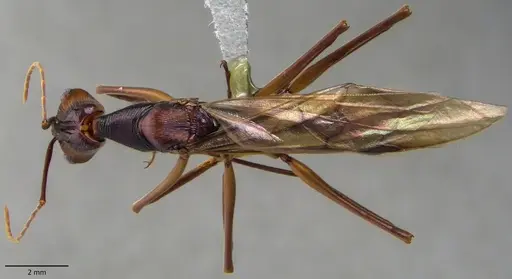
CASENT0040150
View on AntWeb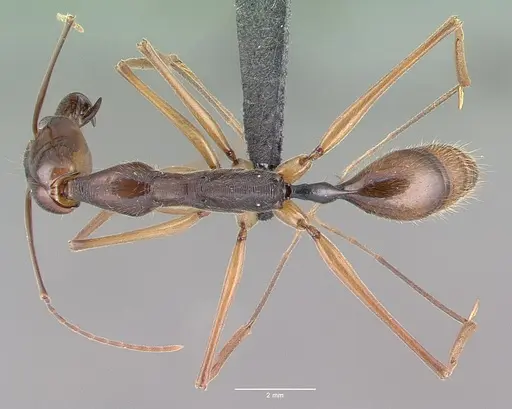
CASENT0073706
View on AntWeb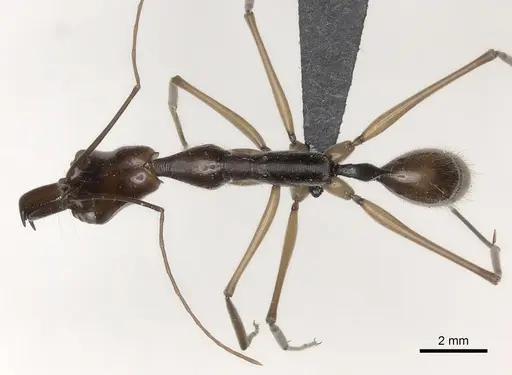
CASENT0246016
View on AntWeb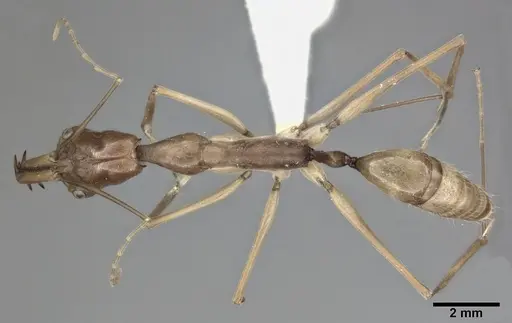
CASENT0270606
View on AntWeb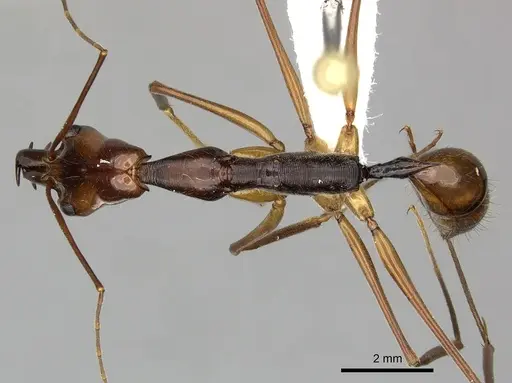
CASENT0900583
View on AntWeb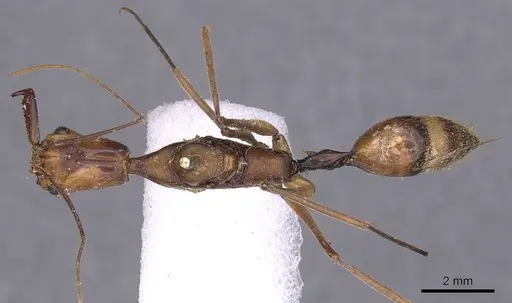
ECOFOG-TR17-0320-02
View on AntWeb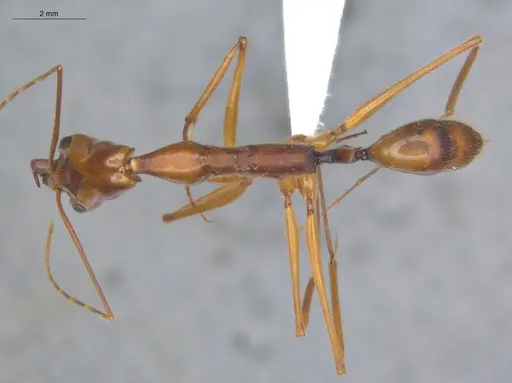
FOCOL1059
View on AntWeb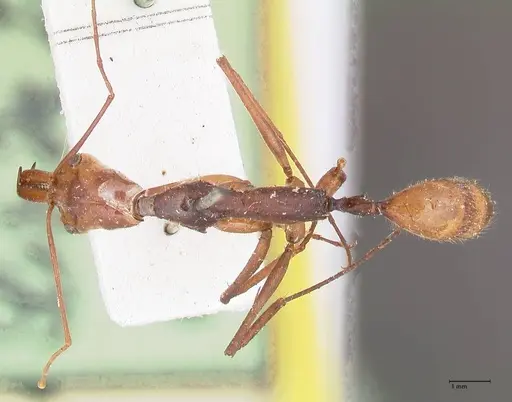
USNMENT00441294
View on AntWeb