Odontomachus erythrocephalus exhibits a clear seasonal flight window. Peak flight activity is concentrated in May, with the overall period spanning January to December. This extended season suggests multiple flight events or varying conditions across its range.
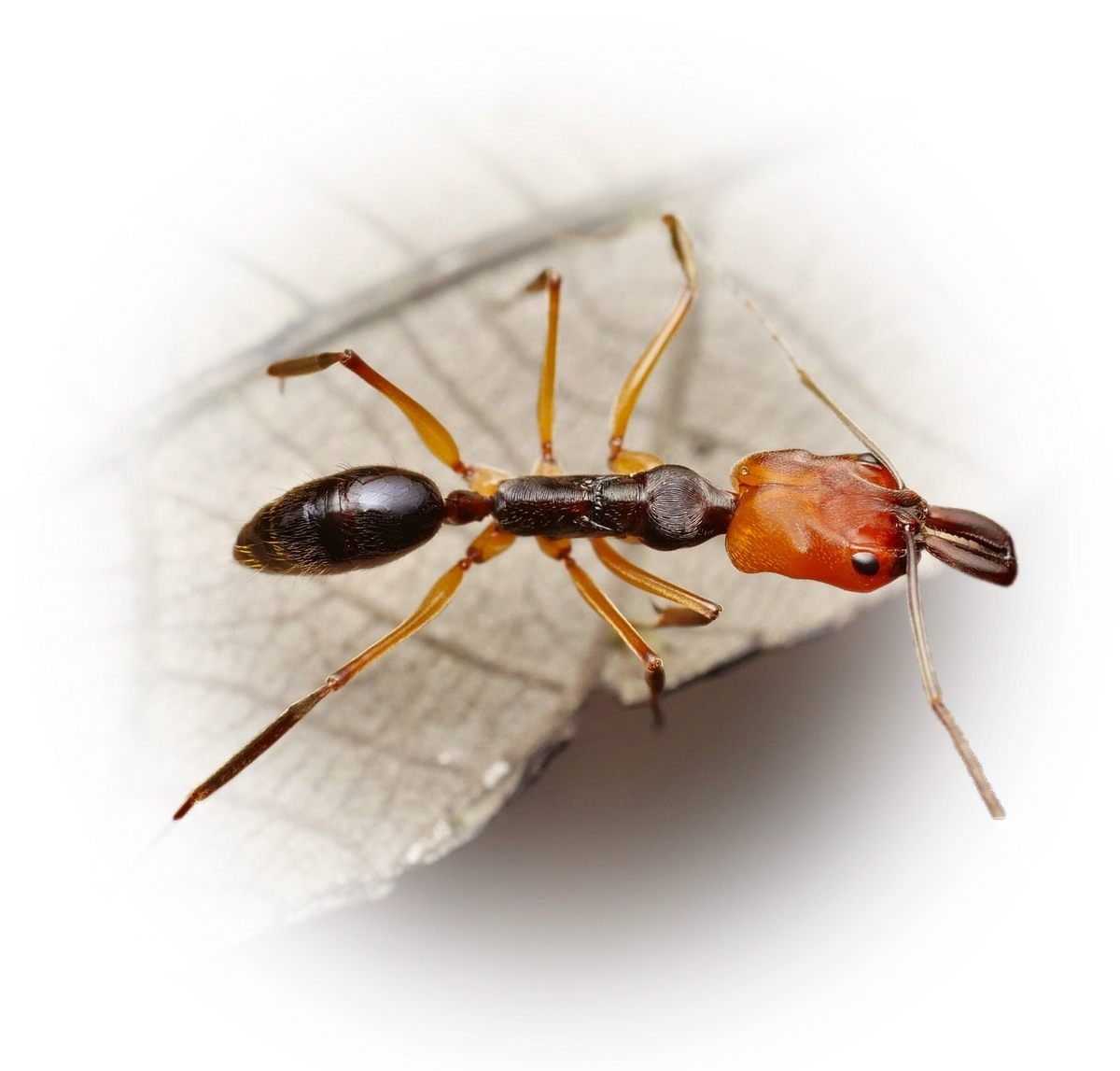
Odontomachus erythrocephalus
- Scientific Name
- Odontomachus erythrocephalus
- Tribe
- Ponerini
- Subfamily
- Ponerinae
- Author
- Emery, 1890
- Distribution
- Found in 6 countries
- Nuptial Flight
- from January to December, peaking in May
AI Identifiable
try →
Odontomachus erythrocephalus Overview
Odontomachus erythrocephalus is an ant species of the genus Odontomachus. It is primarily documented in 6 countries , including Colombia, Costa Rica, Ecuador. Detailed taxonomic data and occurrence records can be further explored via authoritative databases such as AntWeb or the Global Biodiversity Information Facility (GBIF).
The nuptial flight of Odontomachus erythrocephalus is a significant biological event, typically occurring from January to December, peaking in May. During this time, winged queens and males leave the nest to mate and establish new colonies.
Odontomachus erythrocephalus
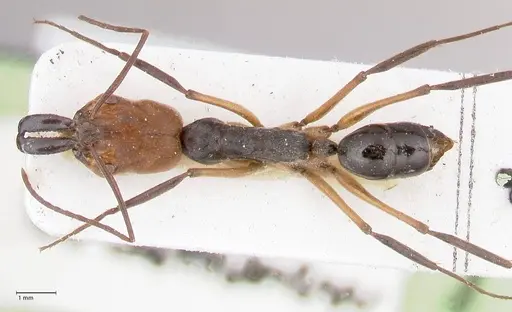
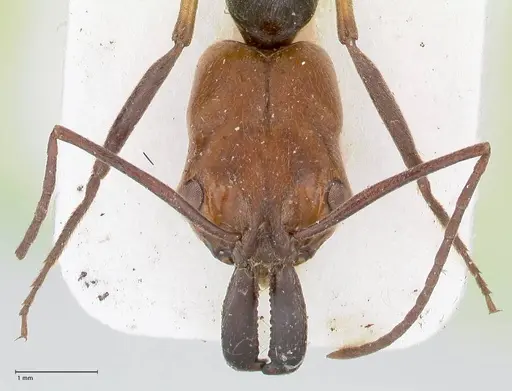
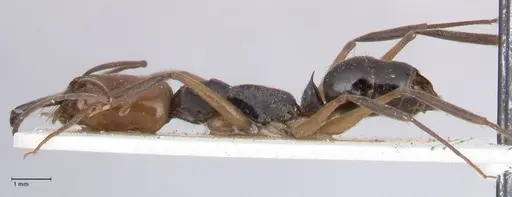
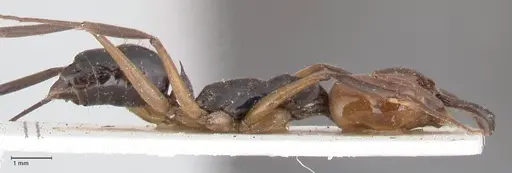
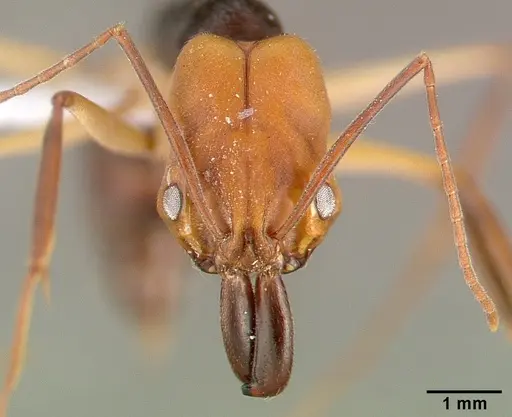
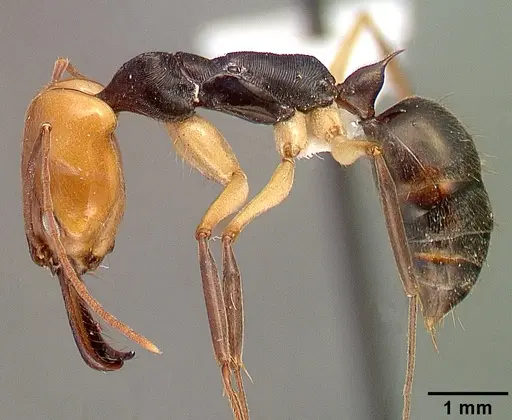
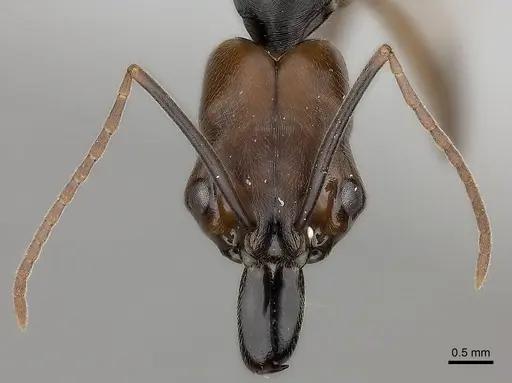
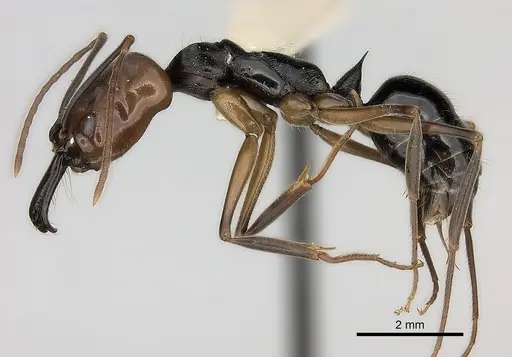
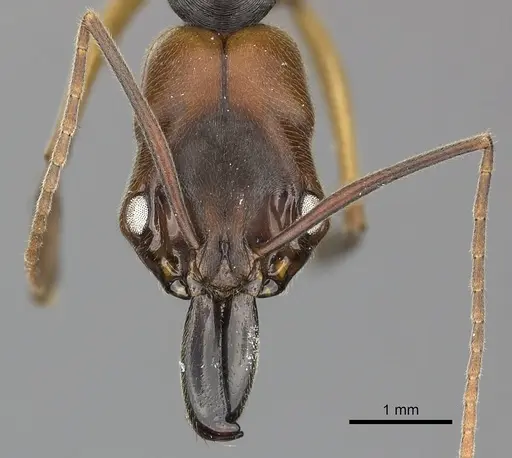
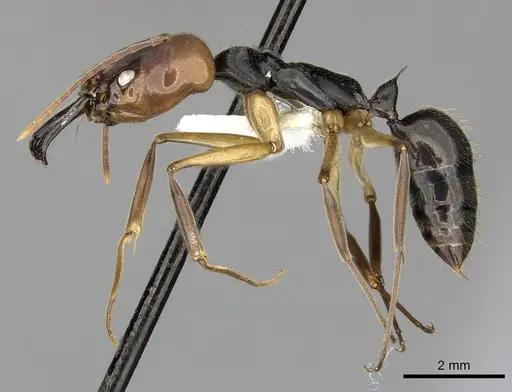
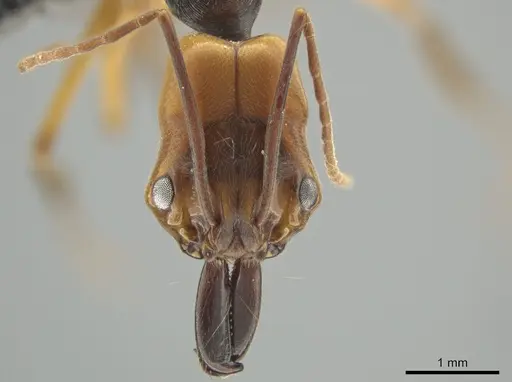
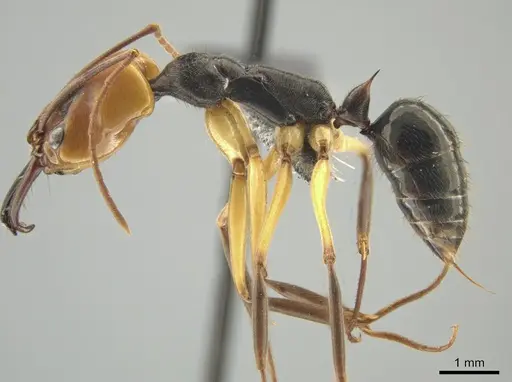
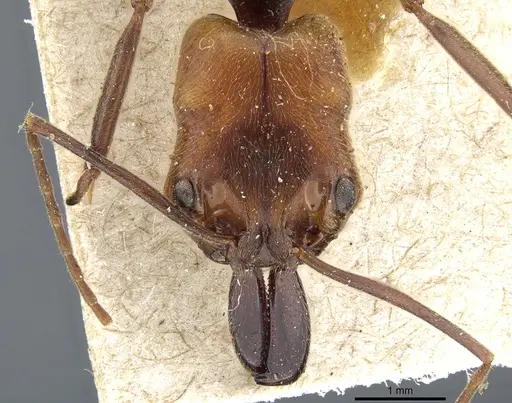
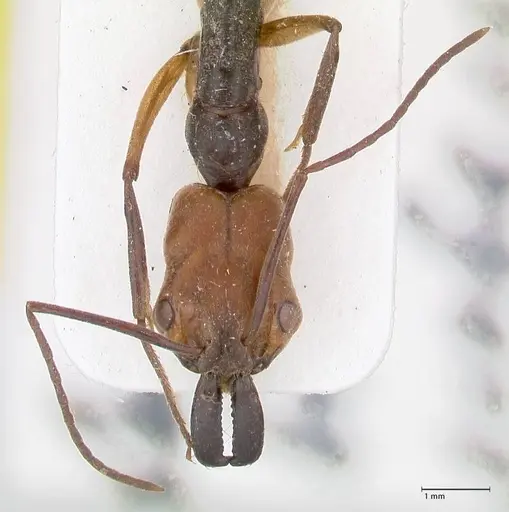
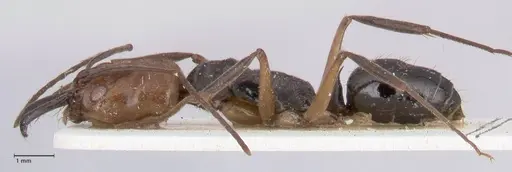
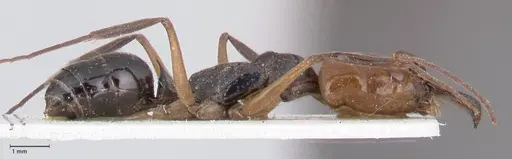
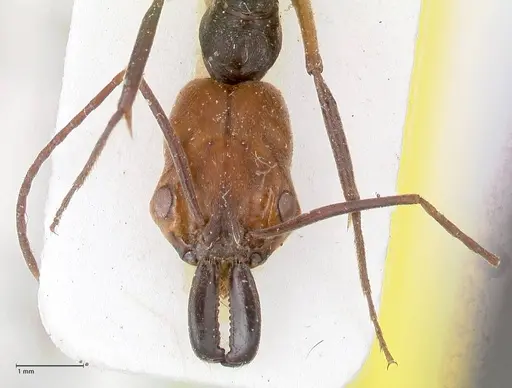
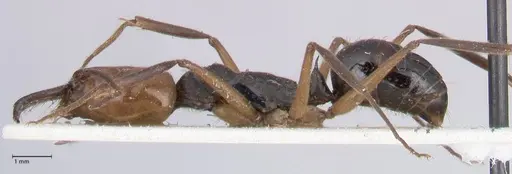
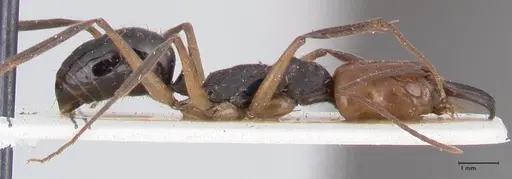
Odontomachus erythrocephalus is a medium-sized trap-jaw ant with a red head and black body. Workers measure 10.7-12.3 mm total length [1], and their mandibles can strike at speeds up to 64 m/s [2]. This species is found in Neotropical regions from Costa Rica to Ecuador, inhabiting humid forests where they nest in rotten wood and leaf litter [3][1].
Their trap-jaw mechanism is one of the fastest in the animal kingdom, used for hunting prey and defense against predators [2].
Quick Summary
- Difficulty: Medium
- Origin & Habitat: Neotropical region from Costa Rica to Ecuador, including Colombia, Panama, and Peru. Found in Atlantic lowland rainforests, mature humid forests, dry forests, coffee farms, and pastures from sea level to 2,200 m elevation [4][5][3].
- Colony Type: Based on typical Odontomachus patterns, likely monogyne (single queen colony).
- Size & Growth:
- Antkeeping:
- Temperature: Keep warm, around 24-28°C, based on tropical habitat
- Humidity: Keep nest substrate consistently moist but not waterlogged, as they nest in leaf litter and rotten wood [1][6]
- Diapause: No, tropical species do not require hibernation
- Nesting: Prefer humid, dark nests, Y-tong or plaster nests with moist substrate work well
- Behavior: Active predators with fast trap-jaws, forage on ground and low vegetation, adjust foraging time to cooler, humid periods [7]. Not aggressive toward humans but can deliver a painful pinch if handled carelessly [2]. Escape risk is high due to their speed, use excellent barrier precautions.
- Common Issues: escape prevention is critical due to their speed and small size, high humidity needs may lead to mold if ventilation is poor, slow founding phase requires patience, wild-caught colonies may have parasites that can decimate the colony, they need live prey as obligate predators [6]
Nuptial Flight Activity Analysis 172 observations
Flight Activity by Hour 172 observations
Odontomachus erythrocephalus nuptial flight activity peaks around 10:00 during the late morning to early afternoon. Activity is spread across a 17-hour window (04:00–20:00). A secondary activity peak occurs around 16:00. Times may be influenced by human observation patterns.
Housing and Nest Setup
Odontomachus erythrocephalus requires a humid, dark nest environment that mimics their natural forest-floor habitat. They nest in rotten wood and leaf litter in the wild [1][6], so provide a moist substrate chamber with damp soil or coco fiber. Y-tong or plaster nests work well, with a water tube for humidity. Keep the outworld simple with easy access to food and water. Use fluon barriers on all edges due to their escape risk.
Feeding and Diet
As predatory Ponerinae, these ants are obligate hunters that require live prey [6]. Feed them small insects like fruit flies, pinhead crickets, or small roaches 2-3 times per week. They have been observed carrying seeds in the wild [1], but this is incidental, their primary nutrition comes from hunting.
Temperature and Heating
Keep temperatures warm, around 24-28°C, based on their tropical habitat. Use a heating cable or mat to create a gradient. Avoid temperatures below 22°C, as this can slow colony activity.
The Trap-Jaw Mechanism
Their trap-jaw mandibles can close at speeds up to 64 m/s [2], making them effective predators. This mechanism is used for hunting and defense. Handle with care to avoid painful pinches.
Colony Development
Colony founding behavior is unconfirmed. Once workers emerge, growth is moderate. The queen is large at 13.0-13.5 mm [1] and may live for many years.
Behavior and Temperament
Workers are active foragers that hunt on the ground and low vegetation. They adjust foraging times to cooler, humid periods [7]. They are not aggressive but will defend the nest if threatened.
Frequently Asked Questions
How long does it take for Odontomachus erythrocephalus to produce first workers?
The exact timeline is unknown for this species. Based on tropical Ponerinae patterns, it may take several months from founding to first workers.
Can I keep multiple queens together?
Not recommended. Odontomachus are typically monogyne, and combining unrelated foundresses may result in fighting.
Do Odontomachus erythrocephalus ants sting?
They have a stinger as part of their Ponerinae defense, but their primary weapon is their trap-jaw mandibles, which can deliver a painful pinch [2].
Are these ants good for beginners?
They are rated as medium difficulty due to specific care needs like high humidity and live prey. Best for keepers with some experience.
What do I feed Odontomachus erythrocephalus?
Live prey is essential, they are obligate predators [6]. Offer small insects like fruit flies or pinhead crickets 2-3 times per week.
Do they need hibernation?
No, as a tropical species, they do not require hibernation. Maintain warm temperatures year-round.
Why are my ants dying during founding?
Common causes include dry conditions, disturbance, low temperatures, or parasites in wild-caught queens. Ensure dark, quiet, and moist conditions.
When should I move them to a formicarium?
Move from a test tube setup once the colony has several workers, typically after a few months. Use a humid nest like Y-tong or plaster.
How big do colonies get?
Exact maximum colony size is unknown for this species. Based on genus patterns, they may reach several hundred workers.
Report an Issue
The current care sheet is based fully on literature. See inconsistencies, or something that's incorrect? Please , it will be resolved after review from an admin. Contributing to the blogs tab also helps providing information, to make us be able to further improve the caresheets. Thank you for your support!
References

This caresheet is licensed under CC BY-SA 4.0 .
ANTWEB1060653
View on AntWeb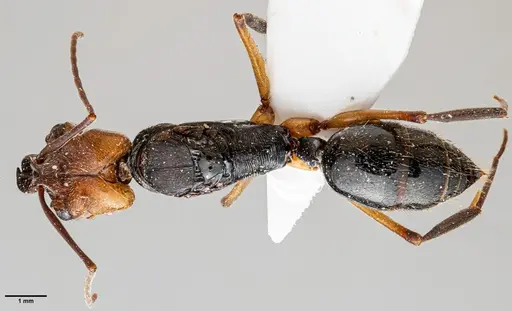
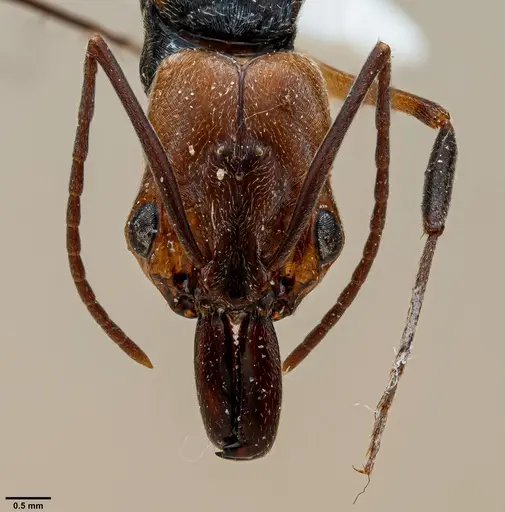

CASENT0010636
View on AntWeb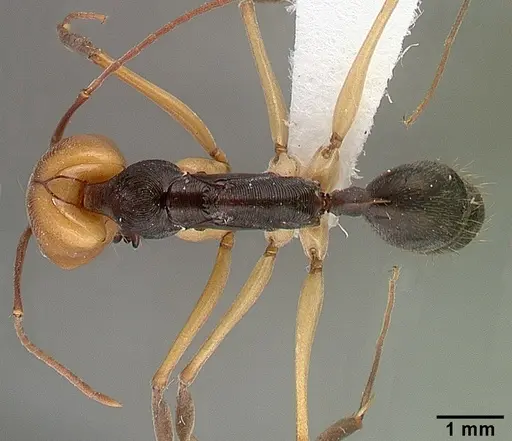
CASENT0217538
View on AntWeb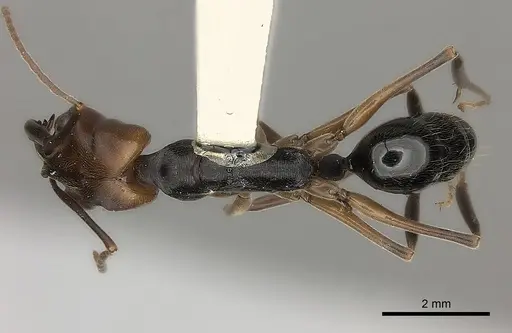
CASENT0270604
View on AntWeb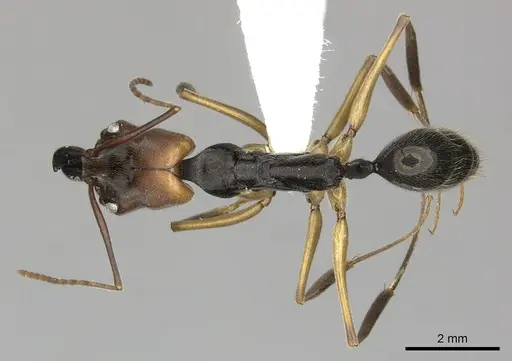
CASENT0647094
View on AntWeb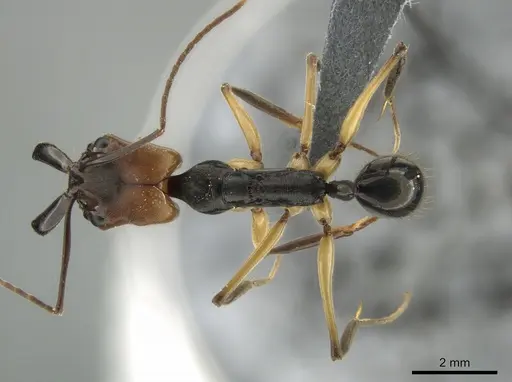
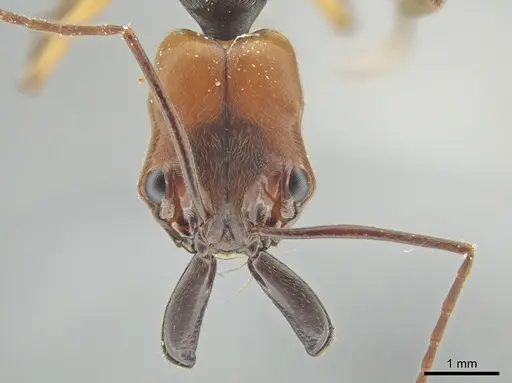
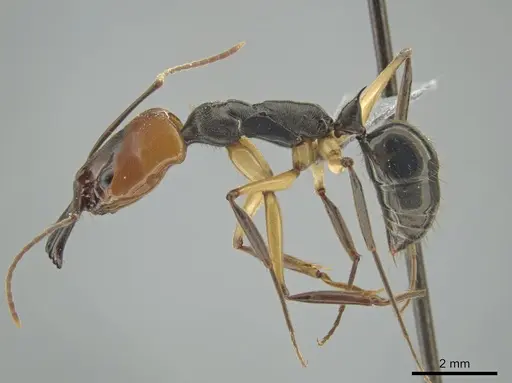
CASENT0649085
View on AntWeb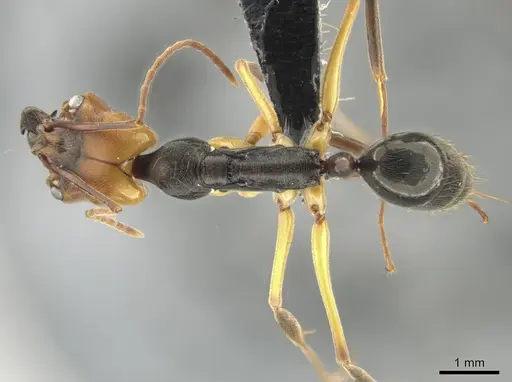
CASENT0904006
View on AntWeb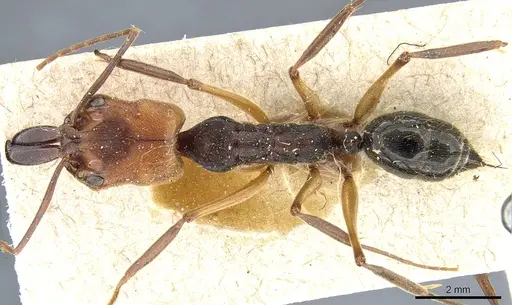
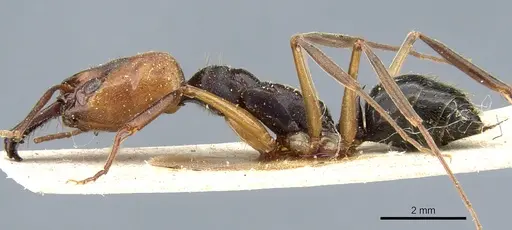
CBUMAGENT42000
View on AntWeb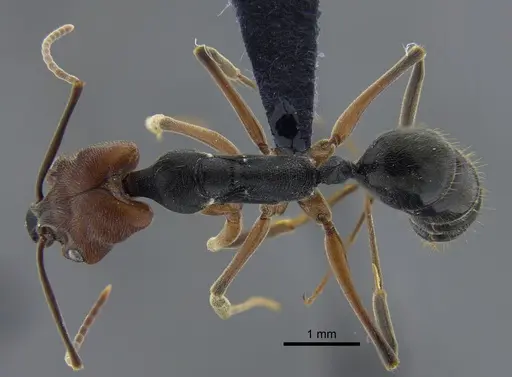
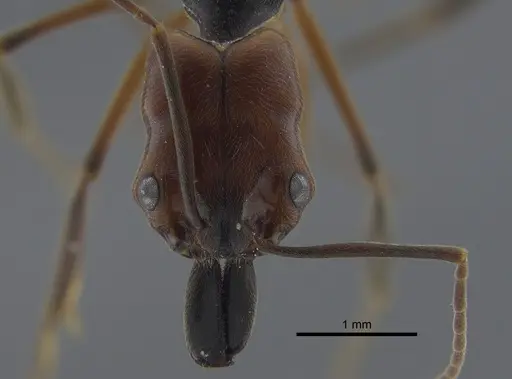
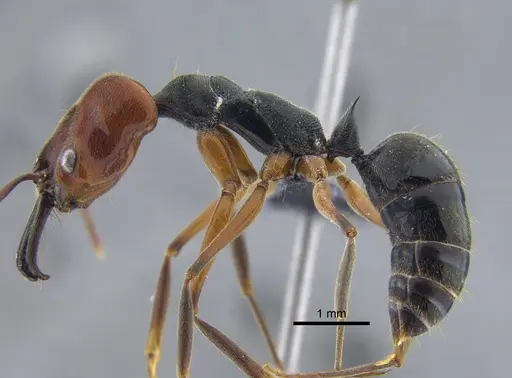
FOCOL1052
View on AntWeb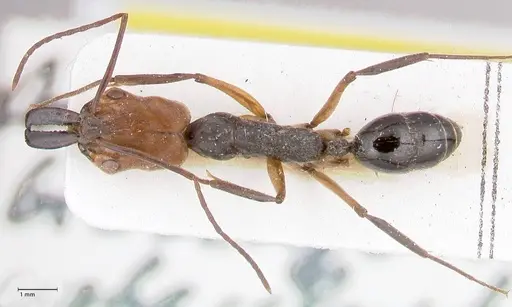
FOCOL1053
View on AntWeb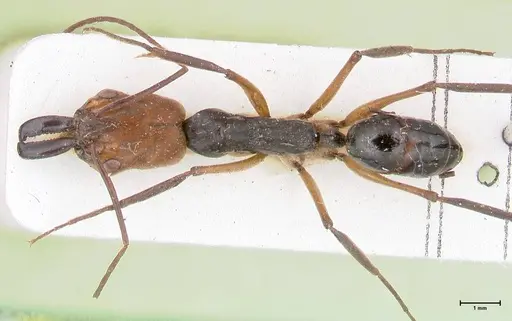
FOCOL1054
View on AntWeb