
Odontomachus clarus shows a June to September activity window. Peak activity occurs in July, with queen sightings distributed across 4 months.
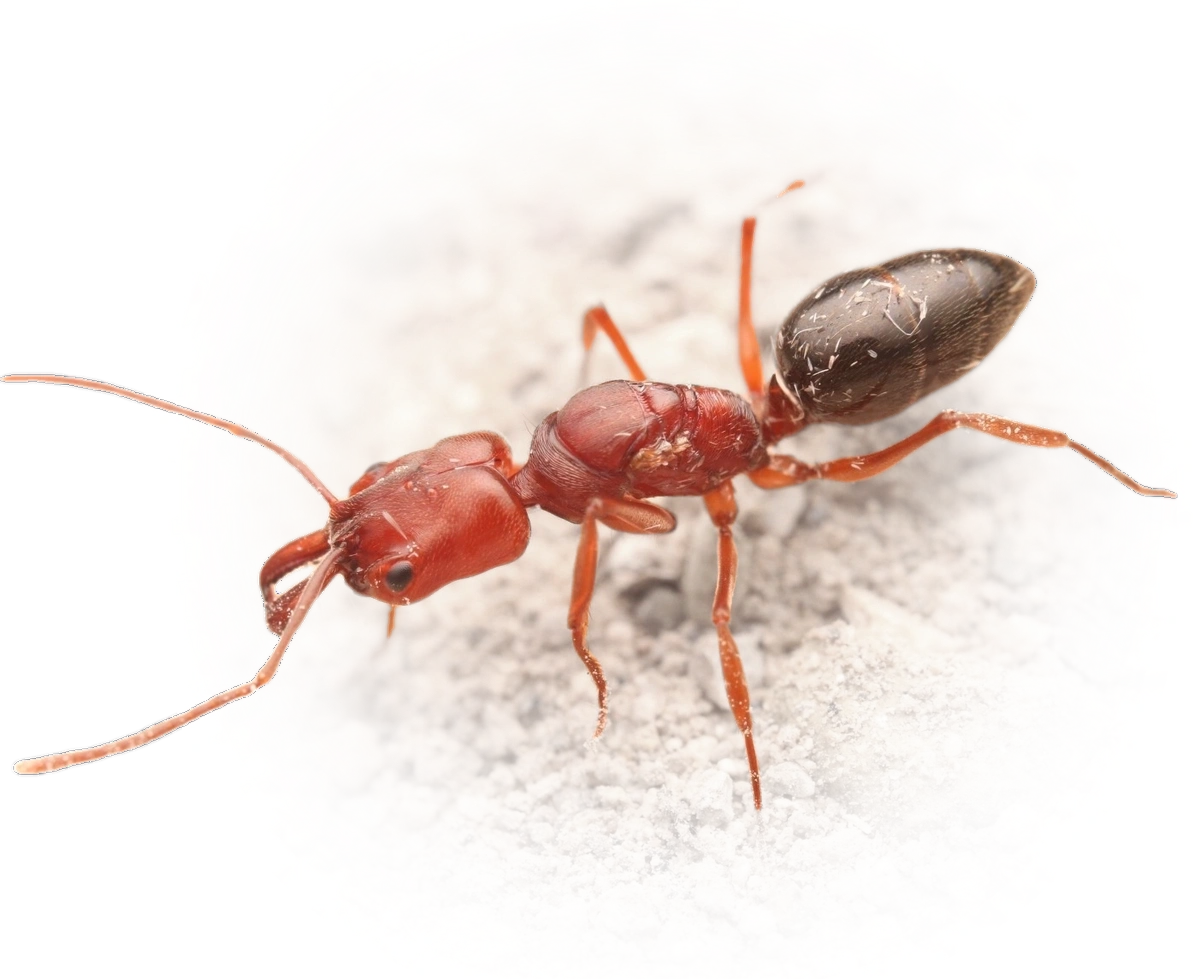
Odontomachus clarus
- Scientific Name
- Odontomachus clarus
- Tribe
- Ponerini
- Subfamily
- Ponerinae
- Author
- Roger, 1861
- Distribution
- Found in 2 countries
- Nuptial Flight
- from June to September, peaking in July
AI Identifiable
try →
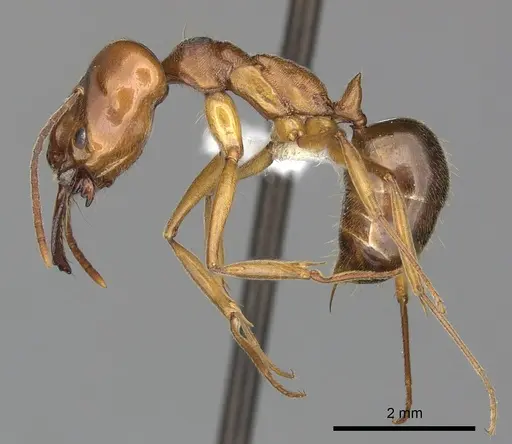
Odontomachus clarus Overview
Odontomachus clarus is an ant species of the genus Odontomachus. It is primarily documented in 2 countries , including Mexico, United States of America. Detailed taxonomic data and occurrence records can be further explored via authoritative databases such as AntWeb or the Global Biodiversity Information Facility (GBIF).
The nuptial flight of Odontomachus clarus is a significant biological event, typically occurring from June to September, peaking in July. During this time, winged queens and males leave the nest to mate and establish new colonies.
Odontomachus clarus
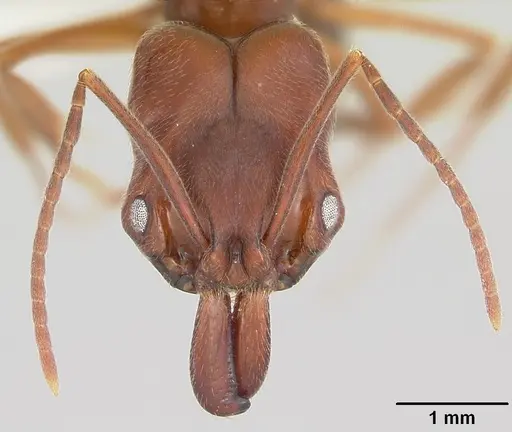
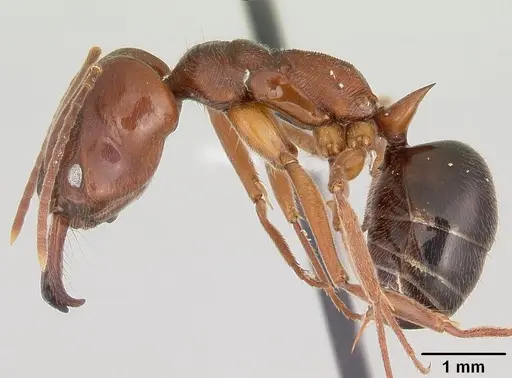
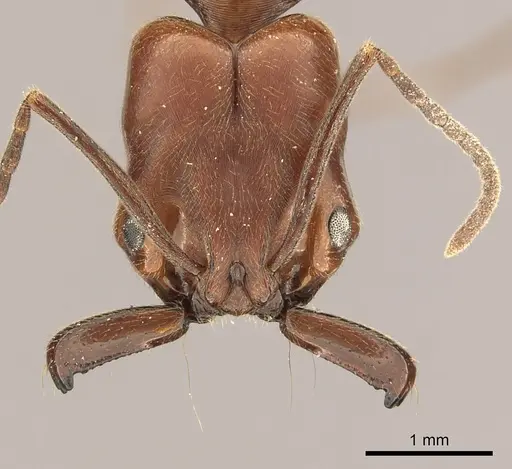
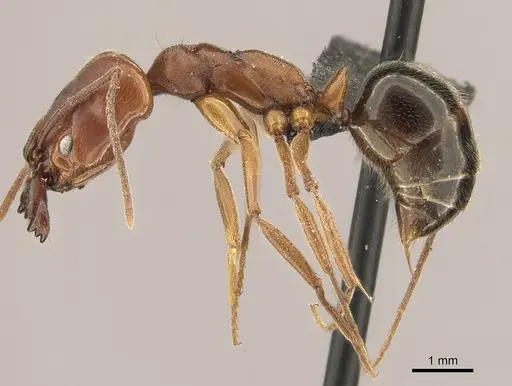
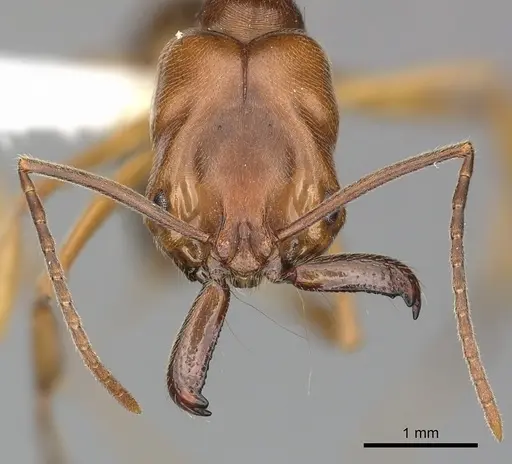
Odontomachus clarus is a medium-sized predatory ant known for its incredible trap-jaw mechanism. Workers measure 4-5mm with dark brown to black coloration, and they possess elongated mandibles capable of snapping shut at speeds up to 65 m/s, making them one of the fastest striking animals on the planet [1]. These ants are found across southwestern North America from Arizona and New Mexico through Mexico to southern regions, with a separate population in Florida. They nest under rocks, in grass tussocks, and under downed logs in both arid and mesic habitats [2].
What makes O. clarus truly fascinating is their social structure, colonies can be polygynous with multiple queens working together. One documented colony in Texas had 7 dealate queens and about 200 workers, with two dominant queens showing physogastry (gravid appearance) while the others performed more worker-associated tasks [3]. This secondary polygyny system is hierarchical, with some queens acting as primary egg-layers while others take on supporting roles. Their powerful jaws can snap so hard that workers have been observed flipping completely out of collection vials.
Quick Summary
- Difficulty: Medium
- Origin & Habitat: Southwestern North America (Arizona, New Mexico, Texas) through Mexico to southern regions, with disjunct Florida population. Found in both arid and mesic habitats, nesting under rocks, in grass tussocks, and under downed logs in sandy or fine soils [2][3].
- Colony Type: Polygynous colonies with multiple queens (documented up to 7 queens) showing hierarchical structure, some queens are dominant egg-layers while others perform worker tasks [3].
- Colony: Optionally polygyne
- Founding: Semi-claustral
- Size & Growth:
- Queen: 5.0-6.0 mm [4]
- Worker: 4.0-5.0 mm [4]
- Colony: Up to 200+ workers documented in wild colonies [3]
- Growth: Moderate
- Development: 6-10 weeks (estimated based on typical Ponerinae development) (Ponerinae ants typically have slower development than many common kept species. Development is temperature-dependent.)
- Antkeeping:
- Temperature: Keep around 22-26°C. They tolerate a range from mesic to arid conditions in the wild, but prefer warmer temperatures [2]. Use a heating cable on one side of the nest to create a gradient if room temperature is below 22°C.
- Humidity: Moderate to high. In the wild they nest in areas with varying moisture, from dry sites to mesic areas with fine soils. Keep nest substrate consistently moist but not waterlogged. Provide a water test tube as a constant water source.
- Diapause: Yes, they are found in temperate regions with distinct seasons. Provide a winter rest period of 2-3 months at 10-15°C.
- Nesting: They naturally nest under rocks, in soil, and under rotting logs. In captivity, a Y-tong (AAC) nest or plaster/naturalistic setup works well. Provide damp substrate and avoid overly dry conditions. They prefer nests at ground level.
- Behavior: These are active, predatory ants with excellent vision. Workers are aggressive hunters using their trap-jaw mandibles to capture prey. They are fast-moving and can be defensive when their nest is disturbed. Escape risk is moderate, their powerful jaws can allow them to push through loose barriers, so use tight-fitting lids and consider fluon barriers. They are not major climbers but may explore beyond the nest area. Workers can snap their jaws so forcefully they flip themselves, so handle with care in open containers.
- Common Issues: escape via powerful jaw snapping, use secure barriers and avoid keeping them in smooth-sided containers they can grip, predatory nature means they need constant protein from live insects, sugar alone is insufficient, slower colony growth compared to common ants may frustrate beginners, multiple queens can cause initial aggression during colony founding, give them space, dry conditions lead to worker mortality, monitor humidity closely
Queen Ant Activity Analysis 79 observations
Queen Activity by Hour 79 observations
Odontomachus clarus queen activity peaks around 16:00 during the afternoon. Activity is spread across a 22-hour window (01:00–22:00). A secondary activity peak occurs around 18:00. Times may be influenced by human observation patterns.
Housing and Nest Setup
Odontomachus clarus does well in Y-tong (AAC) nests, plaster formicaria, or naturalistic setups. They prefer damp substrate and will often dig chambers near the bottom of test tubes. A setup with multiple connected chambers works well for growing colonies. Since they nest under rocks and logs in the wild, provide some cover in the outworld, pieces of cork bark or small stones give them secure foraging areas. They are moderate climbers but not extreme escapers like some tiny species. Use fluon on the inner rim of the outworld lid as an extra barrier. Keep the nest area humid but ensure ventilation prevents mold buildup. [2][3]
Feeding and Diet
As predatory ants, O. clarus needs a protein-rich diet of live insects. Offer small prey like fruit flies, pinhead crickets, mealworms, and other small arthropods. They will accept dead prey but are more enthusiastic about moving targets. Feed protein 2-3 times per week, removing uneaten prey after 24 hours. While not primarily sugar-feeding, they may occasionally accept honey or sugar water, offer it occasionally but do not rely on it as a primary food source. Fresh water should always be available. A varied diet helps promote colony growth and queen egg production. [3]
Temperature and Seasonal Care
Maintain temperatures between 22-26°C for optimal colony activity and brood development. They can tolerate cooler temperatures (down to around 18°C) but will become less active. In their natural range, they experience seasonal changes and benefit from a winter diapause period. During winter (roughly November-February in the Northern Hemisphere), reduce temperature to 10-15°C and reduce feeding. Do not feed during deep hibernation but ensure water is available. Gradual temperature changes are better than sudden shifts. If your room stays warm year-round, a slight reduction in winter still benefits the colony. [2]
Trap-Jaw Behavior and Handling
The most remarkable feature of O. clarus is their trap-jaw mechanism. Their mandibles can snap shut at speeds up to 65 m/s, the fastest recorded strike of any animal [1]. They use this for hunting prey and for defense. When threatened, workers may snap their jaws aggressively. In captivity, this means you should never keep them in smooth plastic vials where they can grip the walls with their mandibles and flip themselves out. Use glass vials or containers with textured inner surfaces. When working with them, move slowly and avoid sudden vibrations. Their sting is present but they rarely use it, preferring to escape or snap their powerful jaws.
Colony Dynamics with Multiple Queens
Unlike many ant species that have just one queen, O. clarus naturally forms polygynous colonies with multiple reproductive queens [3]. In the wild, colonies have been documented with up to 7 queens. These queens establish a hierarchy, dominant queens are physogastry (have distended abdomens full of eggs) while subordinate queens perform more worker-like tasks. In captivity, you may keep multiple queens together, but give them space during the founding phase. Queens may initially display some aggression toward each other but typically resolve into a stable hierarchy. If a dominant queen dies, a subordinate queen can potentially take over as the primary reproducer.
Frequently Asked Questions
How long does it take for Odontomachus clarus to produce first workers?
Expect 6-10 weeks from founding to first workers, depending on temperature. Ponerine ants typically develop slower than many common kept species like Lasius or Tetramorium. Higher temperatures (around 24-26°C) speed development, while cooler temperatures slow it down.
Can I keep multiple Odontomachus clarus queens together?
Yes, this species is naturally polygynous and multiple queens can coexist. In the wild, colonies have been found with up to 7 queens forming a hierarchical system. When combining unrelated queens, give them space and monitor for initial aggression, but they typically establish a stable hierarchy.
What do I feed Odontomachus clarus?
They are predators and need live insects as their primary food. Offer small prey like fruit flies, pinhead crickets, small mealworms, and other tiny arthropods. Feed protein 2-3 times per week. They may occasionally accept sugar water or honey but this should not be their main food source.
Are Odontomachus clarus good for beginners?
They are rated as medium difficulty. They are more challenging than beginner species like Lasius because they need live prey, have slower colony growth, and require more specific humidity conditions. However, they are not as difficult as some specialized predators. If you have kept other ants successfully and are prepared to provide live food, they can be a rewarding species.
Do Odontomachus clarus need hibernation?
Yes, they benefit from a winter rest period. In their natural range, they experience seasonal temperature changes. Provide 2-3 months at 10-15°C during winter (roughly November-February). Reduce feeding during this period but ensure water is available.
How big do Odontomachus clarus colonies get?
Wild colonies can reach 200+ workers with multiple queens. In captivity, well cared-for colonies can grow to several hundred workers over a couple of years. Growth is moderate, faster than some Ponerines but slower than fast-growing Myrmicines like Tetramorium.
Why do my Odontomachus clarus keep escaping?
They have incredibly powerful jaws that can generate enough force to flip them out of containers. Keep them in glass vials rather than smooth plastic, and use fluon barriers on the inner rim of lids. Avoid containers they can grip with their mandibles. Also ensure your outworld lid fits tightly.
When should I move Odontomachus clarus to a formicarium?
Move them when the colony reaches around 20-30 workers or when the test tube setup becomes crowded. They do well in Y-tong nests or plaster formicaria with damp substrate. Make sure the formicarium has proper humidity control and escape prevention before transferring.
References

This caresheet is licensed under CC BY-SA 4.0 .
CASENT0004300
View on AntWeb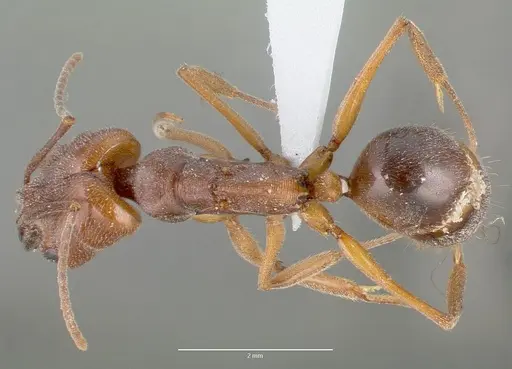
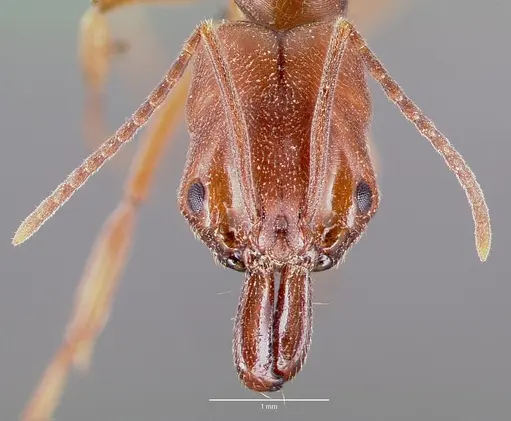
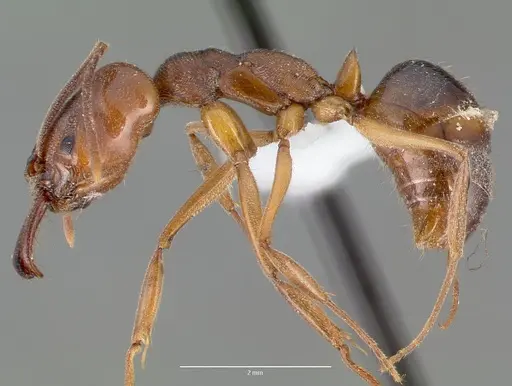
CASENT0104735
View on AntWeb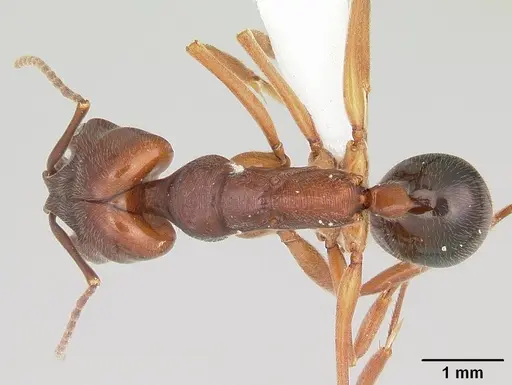
CASENT0260139
View on AntWeb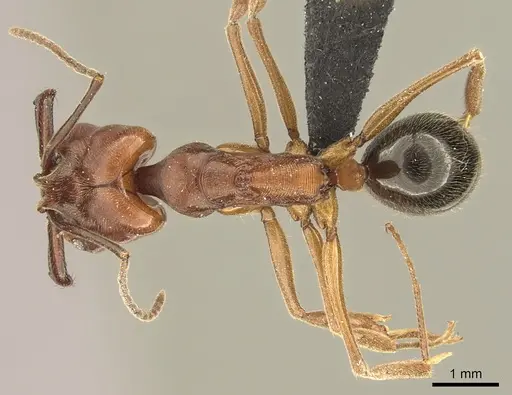
CASENT0270603
View on AntWeb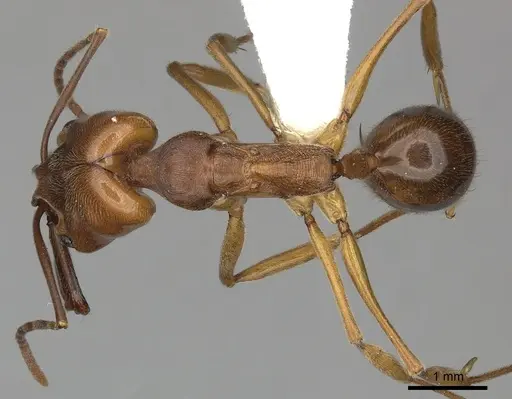
Literature
Loading...Loading products...