

Odontomachus cephalotes
- Scientific Name
- Odontomachus cephalotes
- Tribe
- Ponerini
- Subfamily
- Ponerinae
- Author
- Smith, 1863
- Distribution
- Found in 3 countries
Odontomachus cephalotes Overview
Odontomachus cephalotes is an ant species of the genus Odontomachus. It is primarily documented in 3 countries , including Australia, Indonesia, Papua New Guinea. Detailed taxonomic data and occurrence records can be further explored via authoritative databases such as AntWeb or the Global Biodiversity Information Facility (GBIF).
Odontomachus cephalotes
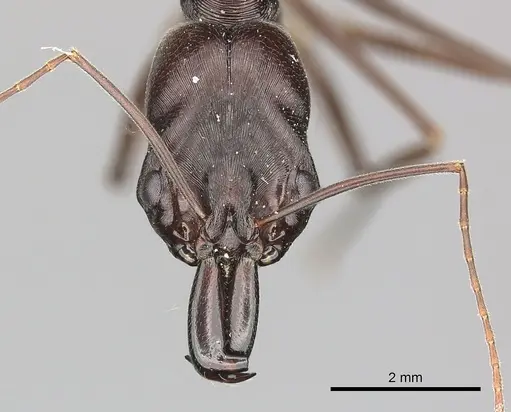
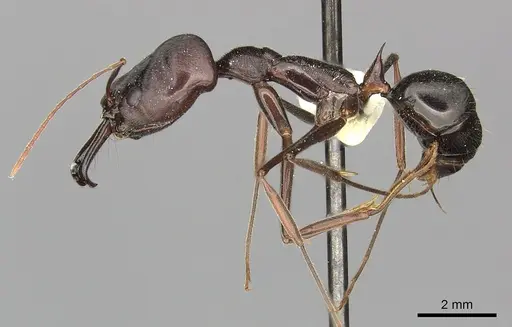
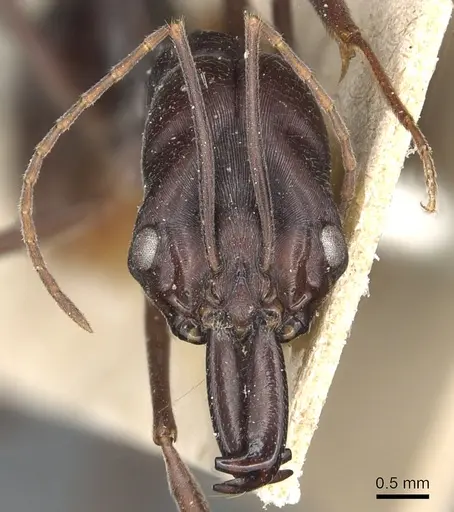
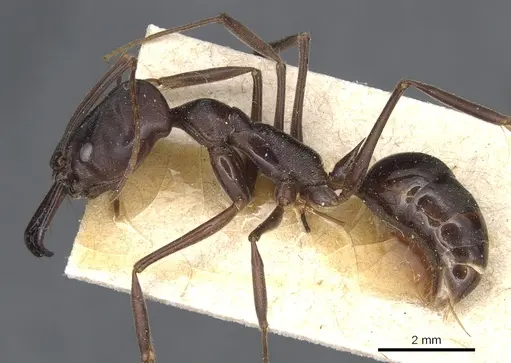
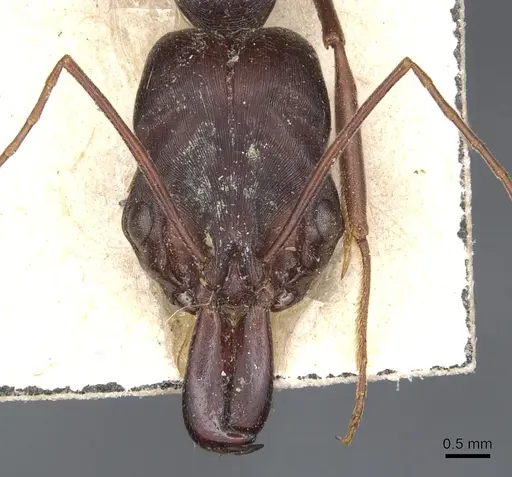
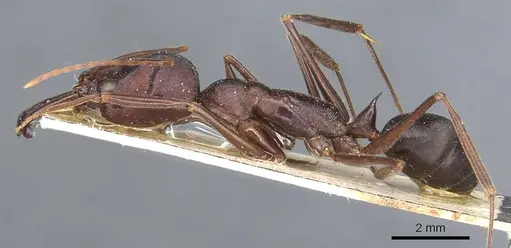
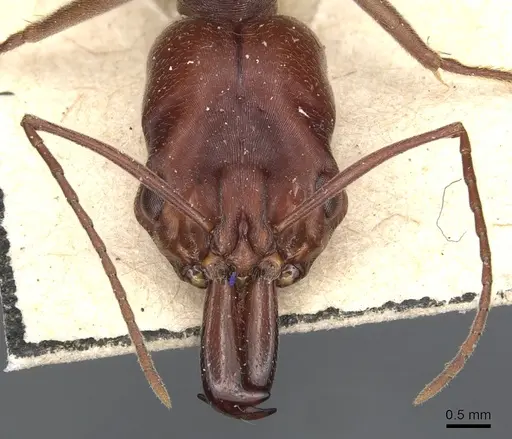
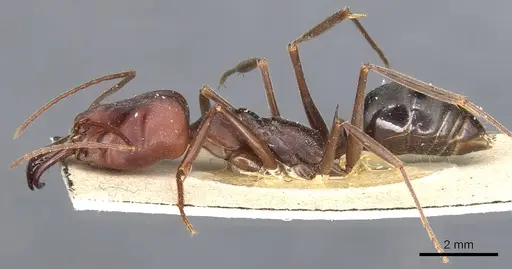
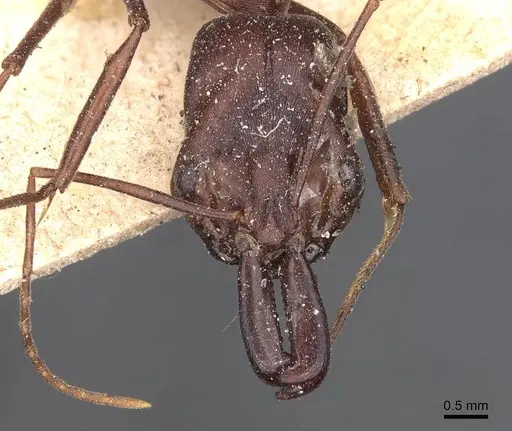
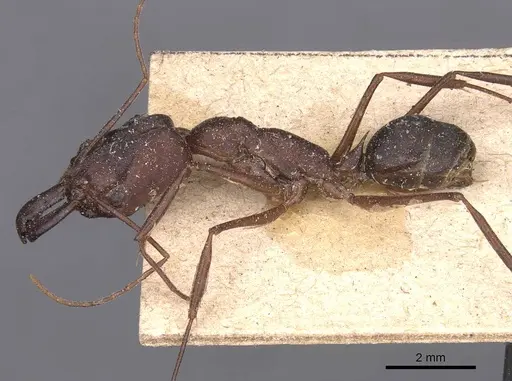
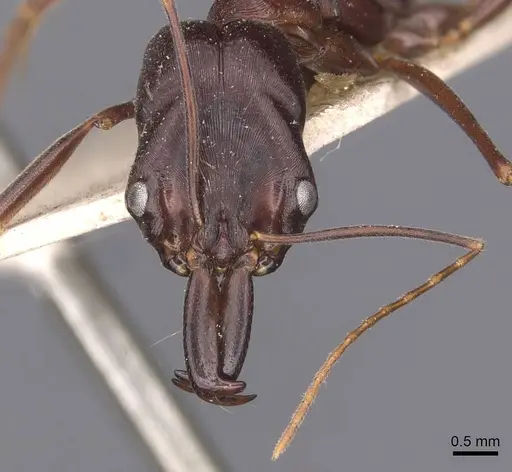
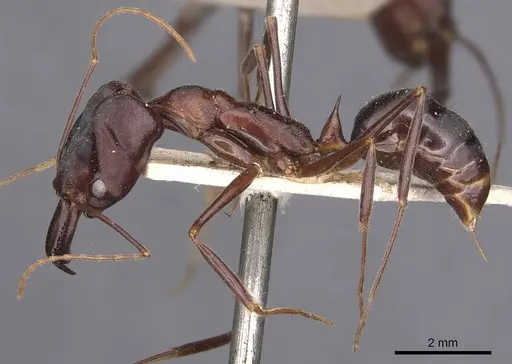
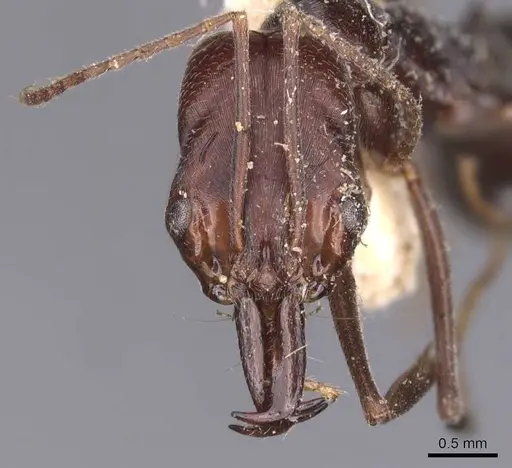
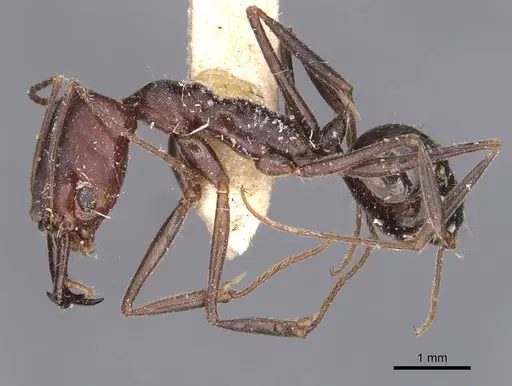
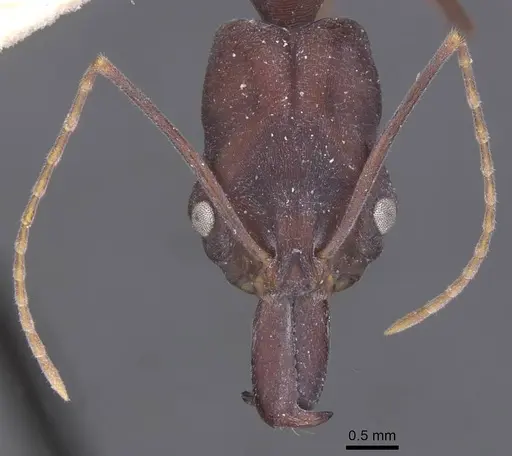
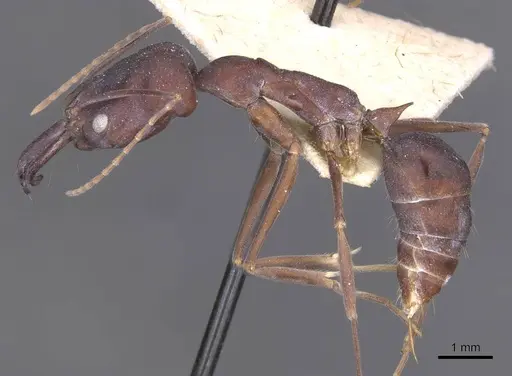
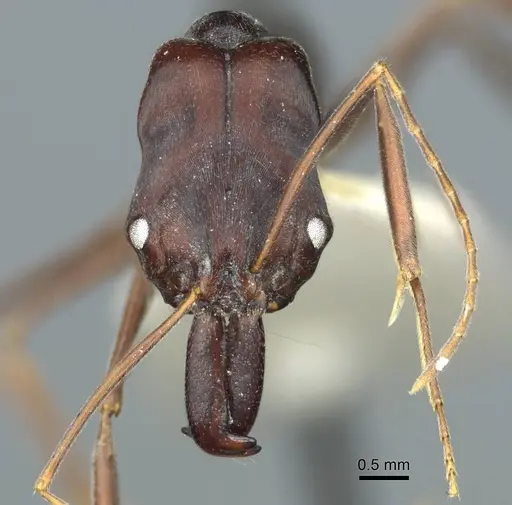
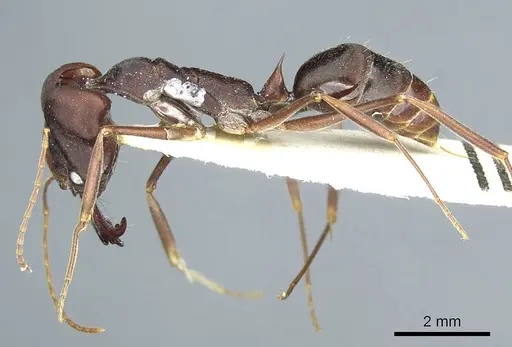
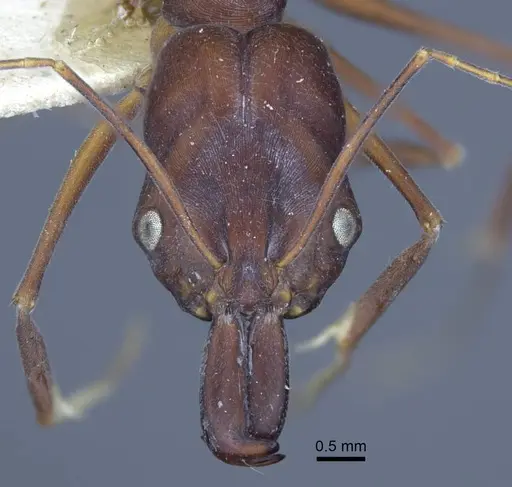
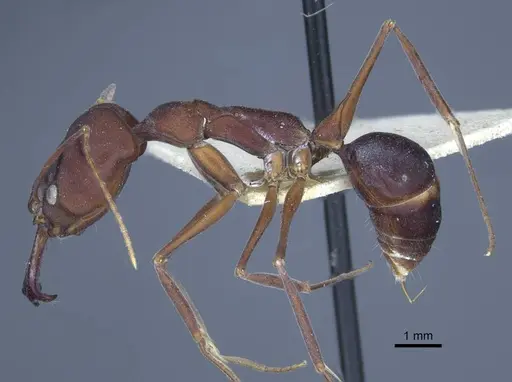
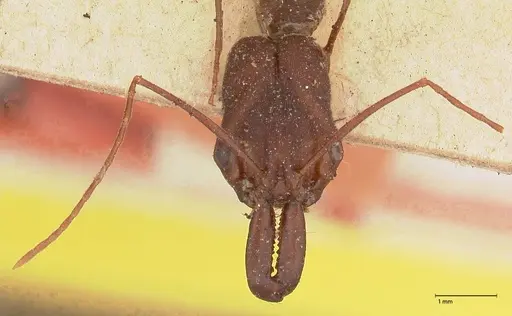
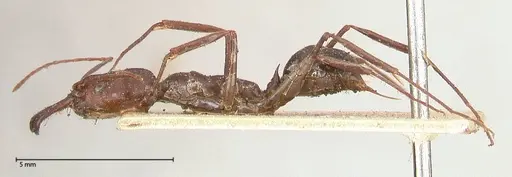
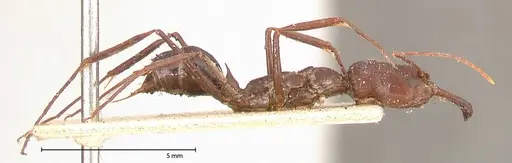
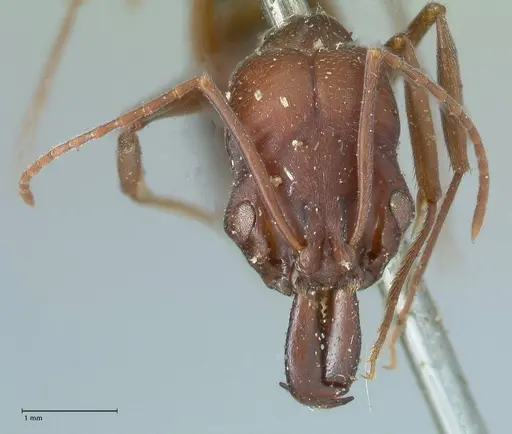
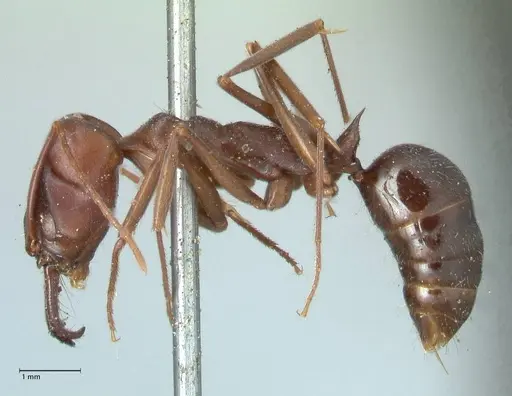
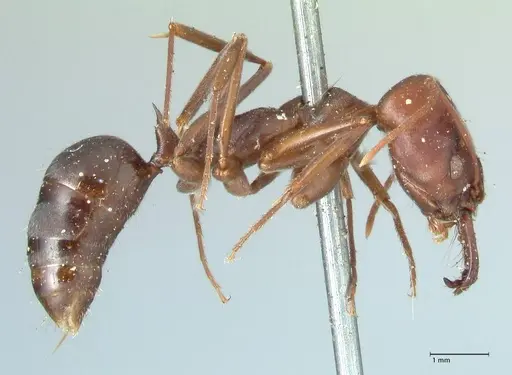
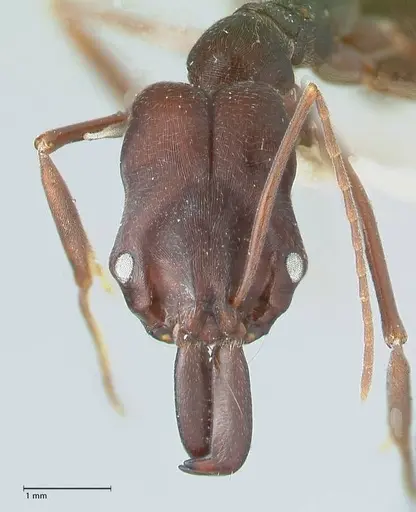
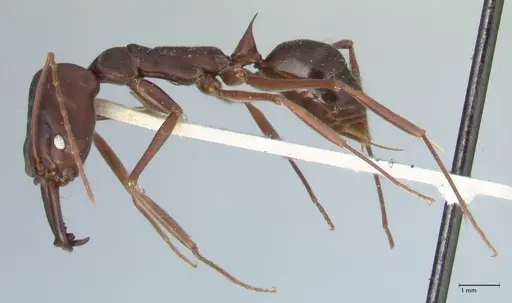
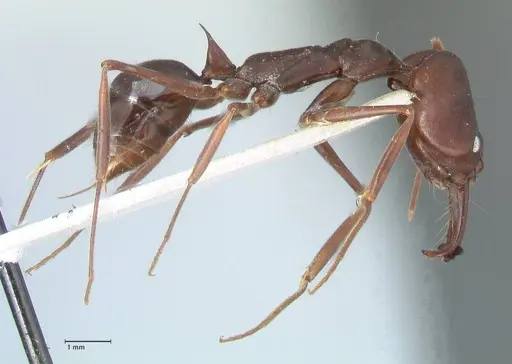
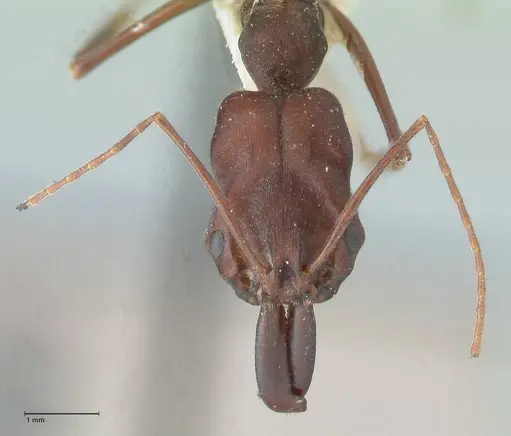
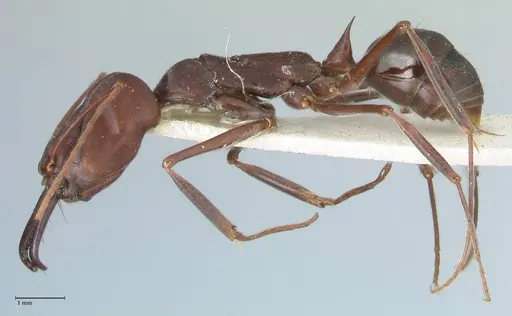
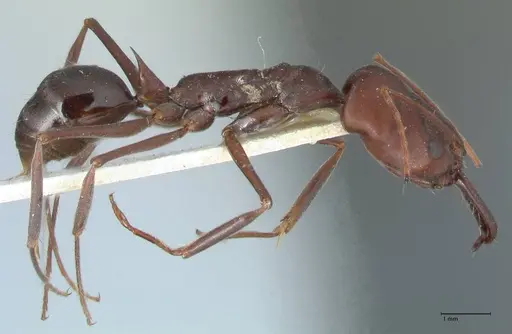
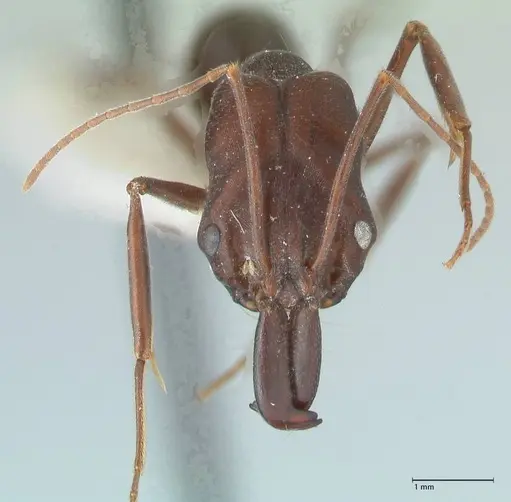
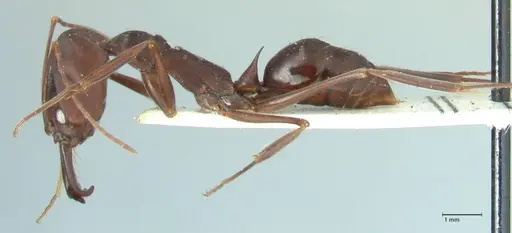
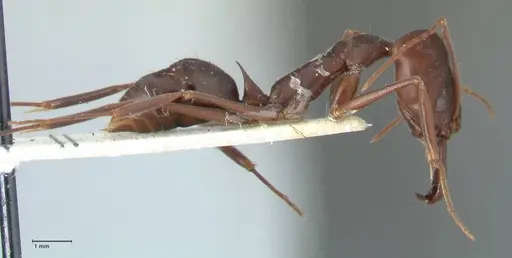
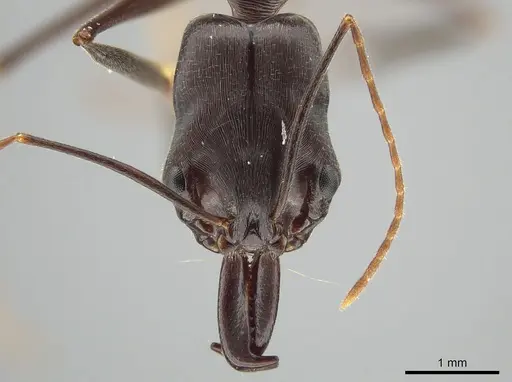
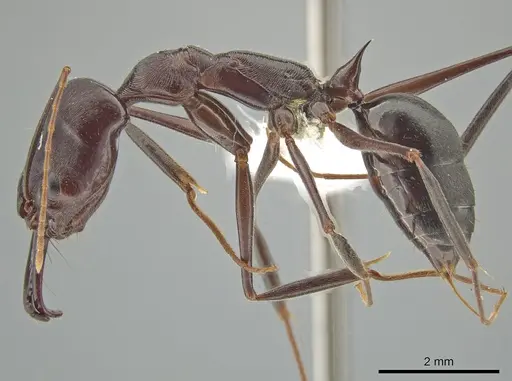
Odontomachus cephalotes is a medium-sized trap-jaw ant found across northern Australia, New Guinea, and Indonesia. Workers measure around 2.28mm in head width with massive, elongated mandibles that can snap shut at speeds up to 48 m/s, among the fastest movements in the animal kingdom [1]. The species belongs to the ruficeps group and shows significant worker size polymorphism, meaning some workers grow much larger than others within the same colony [2]. Their dark reddish-brown coloration and distinctive angular head shape make them visually striking. These ants are predators, using their snap-jaw mechanism to capture prey with explosive force.
Quick Summary
- Difficulty: Medium
- Origin & Habitat: Northern Australia, New Guinea, and Indonesia (Seram, Ternate, Waigeo). They inhabit tropical and subtropical forests, often nesting in soil or rotting wood in warm, humid environments [3].
- Colony Type: Monogyne, colonies establish with a single queen. The species shows significant worker polymorphism, with major and minor worker castes [2].
- Colony: Monogyne
- Size & Growth:
- Queen: Estimated 10-12mm based on genus patterns
- Worker: Head width 2.28mm (±0.13), body mass 16.7mg (±2.1) [1]
- Colony: Likely several hundred workers based on related species
- Growth: Moderate, Ponerines typically develop slower than many myrmicines
- Development: Estimated 8-12 weeks at optimal temperature based on typical Ponerinae development (Ponerine ants generally have longer development times than many common hobby species. Expect 2-3 months from egg to first worker.)
- Antkeeping:
- Temperature: Keep at 24-28°C. They come from warm tropical and subtropical regions and need consistent heat [3]. A heating cable on one side of the nest creates a suitable gradient.
- Humidity: High humidity, aim for 70-80%. These forest-dwelling ants need moist substrate conditions. Keep the nest substrate consistently damp but not waterlogged.
- Diapause: Partial dormancy may occur in cooler periods, but they do not require true hibernation like temperate species. Reduce feeding and slightly lower temperatures (around 20°C) during winter months if colony shows reduced activity.
- Nesting: Y-tong (AAC) nests or plaster formicariums work well. They prefer dark, humid nest chambers. Provide a naturalistic setup with soil and rotting wood if possible, as they naturally nest in forest floor habitats.
- Behavior: Trap-jaw ants are active predators with a powerful defensive mechanism. Their mandibles can snap shut at extreme speeds to capture prey or defend the colony [1]. They are moderately aggressive when threatened and will readily use their jaw snap against predators. Workers are primarily nocturnal or crepuscular, foraging for small insects and other arthropods. They are skilled hunters that ambush prey using their specialized jaws. Escape prevention is important, while not the smallest ants, they are agile and can squeeze through small gaps.
- Common Issues: slow colony growth compared to many common species can frustrate beginners, high humidity requirements mean mold can be a problem if ventilation is poor, their predatory nature means they need live food, they won't thrive on just sugar water, trap-jaw mechanism can cause injury if mishandled, these ants can deliver a painful snap, worker polymorphism means some colonies may develop slowly as they produce larger major workers
Housing and Nest Setup
Odontomachus cephalotes does well in Y-tong (AAC) nests or plaster formicariums that maintain high humidity. These ants prefer dark, enclosed spaces and will readily occupy nested chambers. A test tube setup can work for founding colonies, but transfer to a proper nest once the colony reaches 10-15 workers. The nest should have chambers sized appropriately for their body size, not too large, as they feel safer in snugger spaces. Provide an outworld area for foraging that is easy to clean. Because they need high humidity, choose a nest material that retains moisture well without mold issues. [1][3]
Feeding and Diet
As predators, these ants need live food to thrive. Small crickets, fruit flies, mealworms, and other small arthropods should form the bulk of their diet. They are active hunters that use their trap-jaw mechanism to capture prey, watching them ambush and secure food is part of the appeal of keeping this species. Offer prey items that are roughly half the ant's size. Sugar water or honey can be offered occasionally, but protein from live prey is essential for colony growth and brood development. Feed every 2-3 days, adjusting based on how quickly the colony consumes food. [3]
Temperature and Heating
These tropical ants need warm conditions to thrive. Maintain temperatures between 24-28°C in the nest area. A small heating cable or heat mat on one side of the nest creates a temperature gradient, allowing ants to choose their preferred warmth. Avoid temperatures below 20°C for extended periods, as this can slow metabolism and harm brood development. Room temperature may be sufficient in warm climates, but most keepers need to provide supplemental heating. Monitor with a thermometer placed near the nest. [3]
Humidity Management
Odontomachus cephalotes requires high humidity, aim for 70-80% relative humidity in the nest area. Keep the substrate consistently moist but not flooded. A water reservoir connected to the nest helps maintain humidity through evaporation. Mist the outworld occasionally, but avoid letting water pool in the nest itself. Good ventilation is still important to prevent mold, but avoid excessive airflow that dries the nest. Glass nests with water reservoirs work well for maintaining stable humidity levels. [3]
Behavior and Defense
The most fascinating aspect of this species is their trap-jaw mechanism. Their mandibles can snap shut at speeds up to 48 m/s, among the fastest animal movements recorded [1]. They use this for both hunting prey and defending against predators. When threatened, they may rear up and snap their jaws defensively. Handle with care, while the snap isn't dangerous to humans, it can startle and the ant may be injured if it hits hard surfaces. Workers are primarily active during evening and night hours. They are not overly aggressive toward keepers but will defend their nest vigorously.
Colony Development
Colonies grow moderately compared to many common ant species. The queen lays eggs that develop through larval and pupal stages before emerging as workers. This species shows significant worker polymorphism, some workers grow much larger than others [2]. Major workers have larger heads and jaws, while minor workers are smaller. This size variation may serve different colony functions. Expect 8-12 weeks from egg to first worker at optimal temperature. Growth is slower than species like Lasius or Camponotus, so patience is required. The colony will expand gradually over several years.
Frequently Asked Questions
How long does it take for Odontomachus cephalotes to produce first workers?
Expect 8-12 weeks from egg to first worker at optimal temperature (24-28°C). Ponerine ants like this species develop more slowly than many common hobby ants.
What do I feed my Odontomachus cephalotes colony?
They need live prey, small crickets, fruit flies, mealworms, and other small arthropods are ideal. They are predators that hunt using their snap-jaws. Offer protein prey 2-3 times per week and occasionally provide sugar water or honey for energy.
Are Odontomachus cephalotes good for beginners?
They are intermediate difficulty. They require higher humidity and warmth than some species, and their predatory diet means you need access to live food. Their slow growth and specific care requirements make them better suited for keepers with some experience.
Do I need to hibernate Odontomachus cephalotes?
No true hibernation is required. They come from tropical regions and stay active year-round. You may reduce feeding slightly in winter and allow temperatures to drop to around 20°C if the colony shows reduced activity, but full hibernation is not necessary.
How big do Odontomachus cephalotes colonies get?
Based on related species, colonies likely reach several hundred workers over several years. They show worker polymorphism, with some workers growing significantly larger than others.
Can I keep multiple queens together?
No, this is a monogyne species, colonies establish with a single queen. Introducing multiple unrelated queens will result in fighting. Only one queen per colony.
When should I move my colony to a formicarium?
Move from a test tube setup to a proper nest once the colony reaches 10-20 workers. They need space to expand but will initially do fine in simpler setups. Y-tong or plaster nests work well for this species.
Why is my Odontomachus cephalotes colony growing slowly?
This is normal, Ponerine ants develop more slowly than many hobby species. Ensure temperatures are warm (24-28°C), humidity is high (70-80%), and they have regular protein prey. Colonies may take several months to produce their first workers.
Do Odontomachus cephalotes need special escape prevention?
They are moderately sized and not extreme escape artists, but good escape prevention is still important. Ensure any connections between nest and outworld are secure. They are active hunters, so provide a secure foraging area.
References

This caresheet is licensed under CC BY-SA 4.0 .
CASENT0172403
View on AntWeb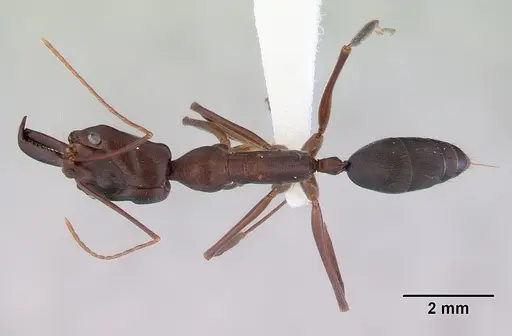
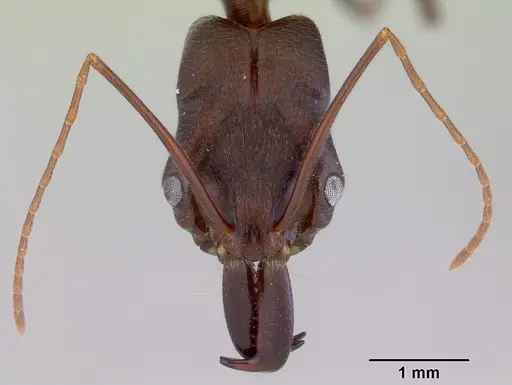
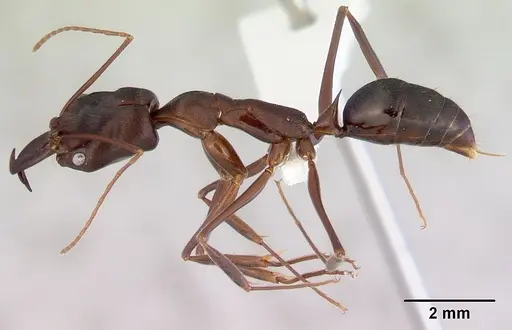
CASENT0270617
View on AntWeb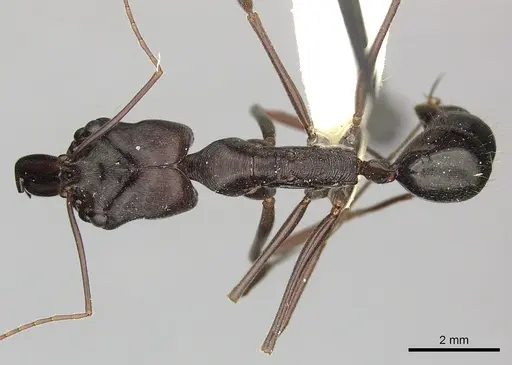
CASENT0901336
View on AntWeb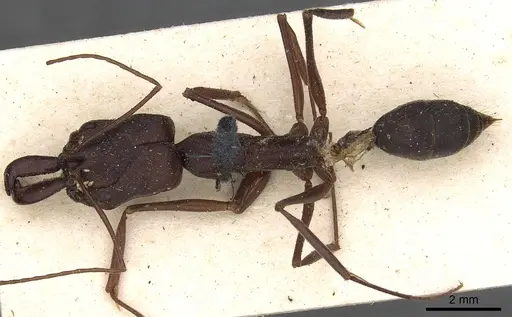
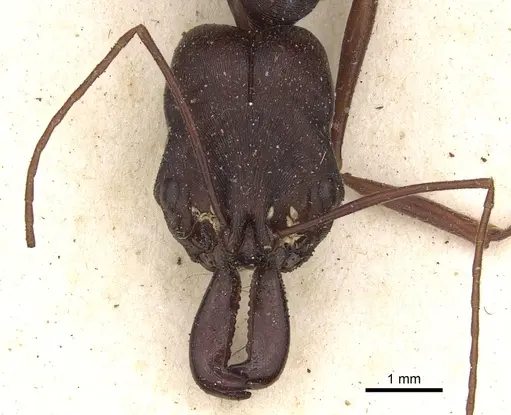
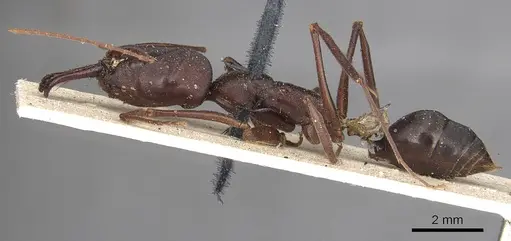
CASENT0901489
View on AntWeb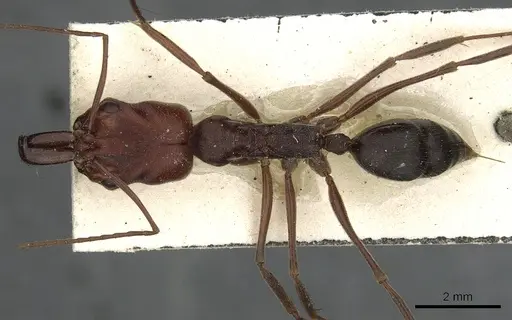
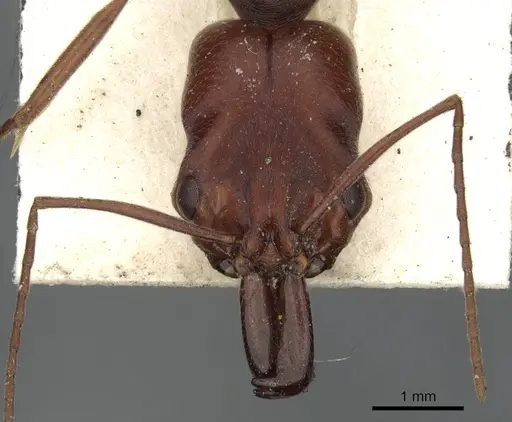
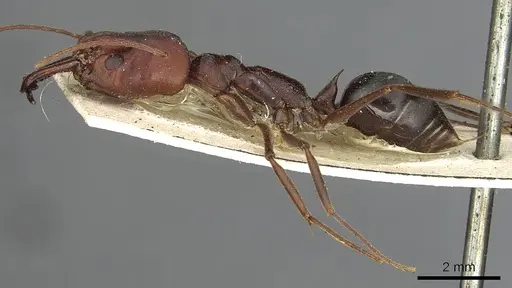
CASENT0904003
View on AntWeb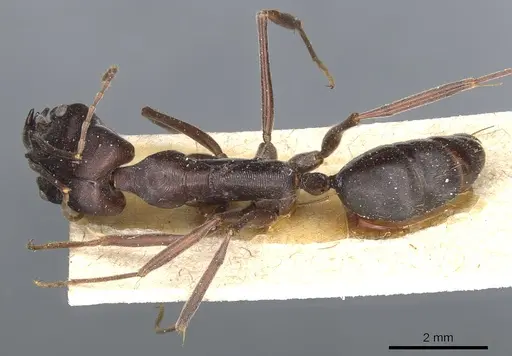
CASENT0904004
View on AntWeb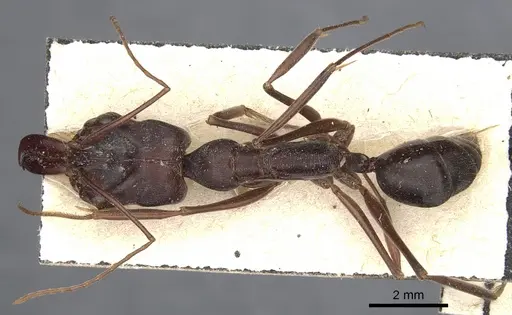
CASENT0904005
View on AntWeb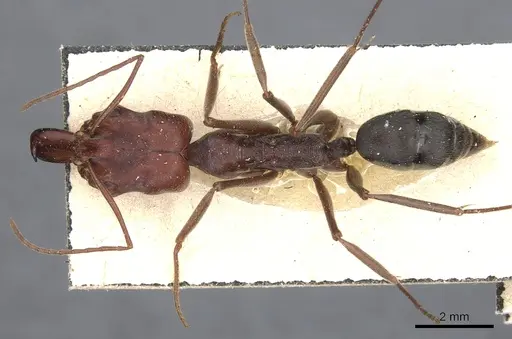
CASENT0907437
View on AntWeb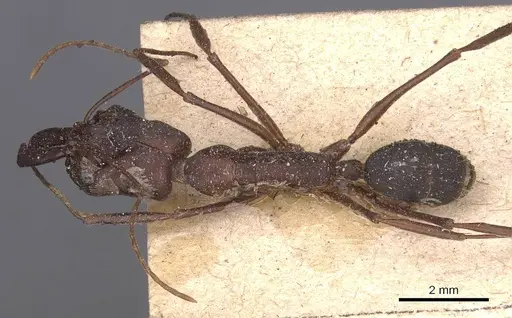
CASENT0907441
View on AntWeb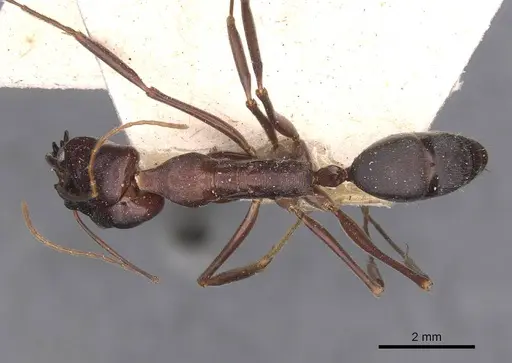
CASENT0907442
View on AntWeb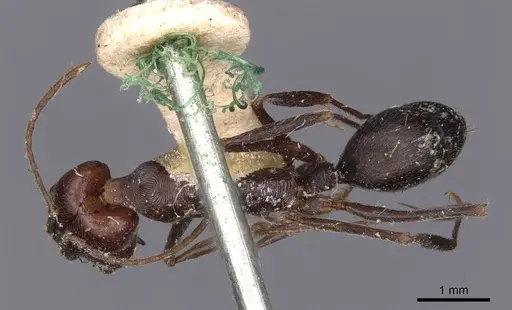
CASENT0915241
View on AntWeb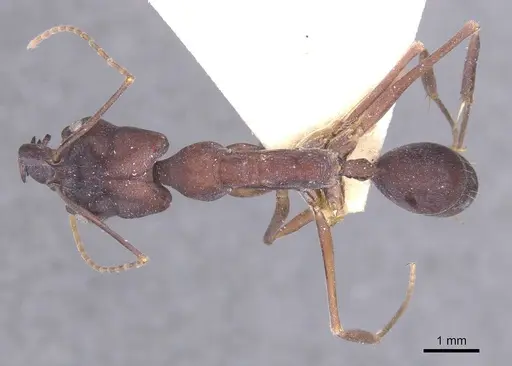
CASENT0915897
View on AntWeb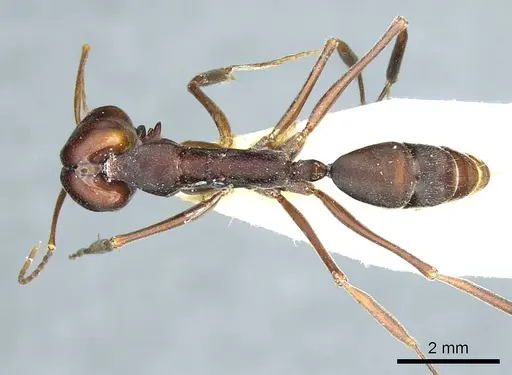
CASENT0916850
View on AntWeb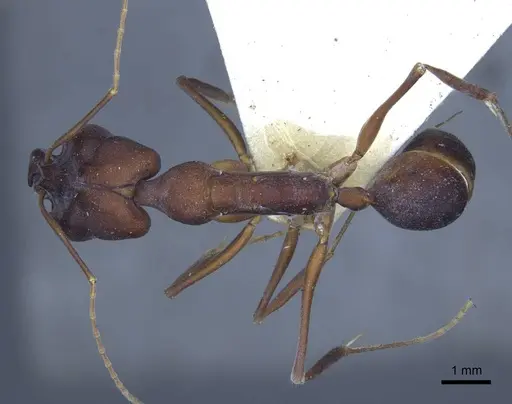
FOCOL0582
View on AntWeb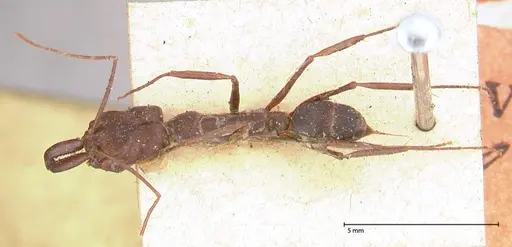
FOCOL1071
View on AntWeb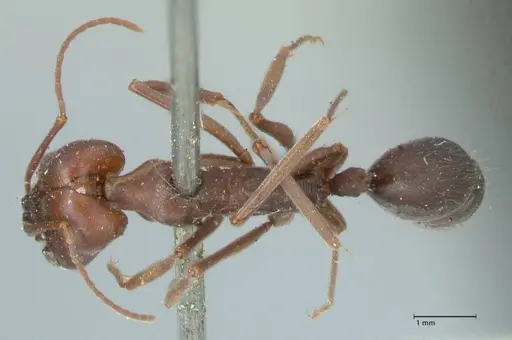
FOCOL1075
View on AntWeb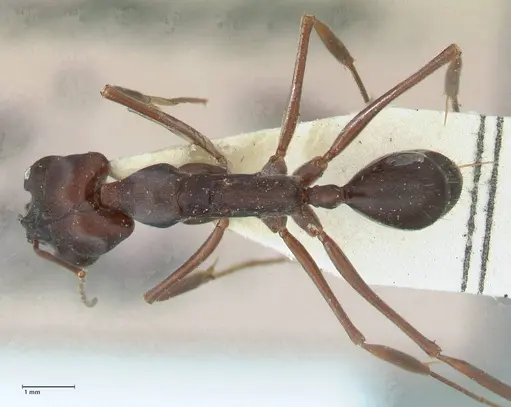
FOCOL1076
View on AntWeb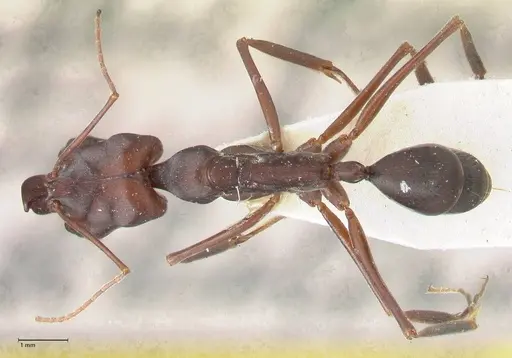
FOCOL1077
View on AntWeb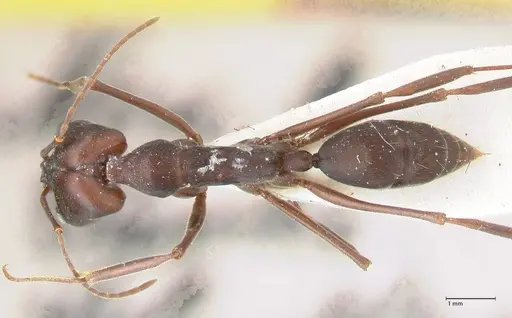
JTLC000006857
View on AntWeb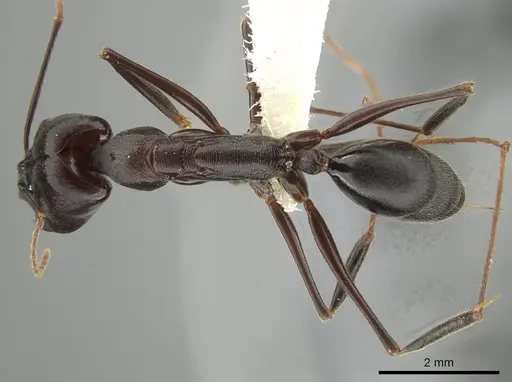
Literature
Loading...Loading products...