

Odontomachus biolleyi
- Scientific Name
- Odontomachus biolleyi
- Tribe
- Ponerini
- Subfamily
- Ponerinae
- Author
- Forel, 1908
- Distribution
- Found in 1 countries
Odontomachus biolleyi Overview
Odontomachus biolleyi is an ant species of the genus Odontomachus. It is primarily documented in 1 countries , including Mexico. Detailed taxonomic data and occurrence records can be further explored via authoritative databases such as AntWeb or the Global Biodiversity Information Facility (GBIF).
Odontomachus biolleyi
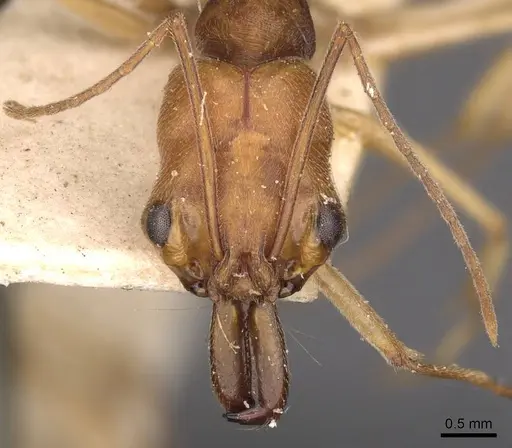
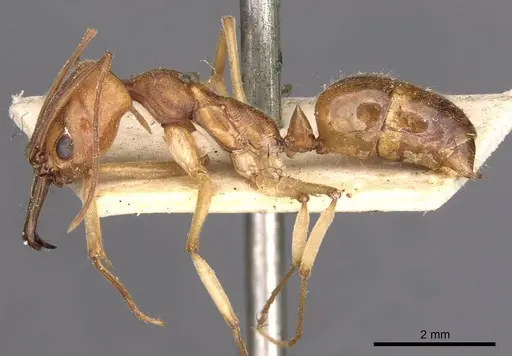
Odontomachus biolleyi is a medium-sized predatory ant native to the Neotropical region, found in Costa Rica and Mexico. Workers measure 7.9-9.4mm and have the distinctive trap-jaw mandibles characteristic of the genus, they can snap their jaws shut at incredible speeds to capture prey [1]. These ants are light brown with a conical petiolar node and a reduced, blunt petiolar spine [1]. They inhabit mangroves and tropical lowland forests, nesting in soil, under fallen trees, among tree roots, or in leaf litter [2].
What makes Odontomachus biolleyi special is their sophisticated hunting mechanism. Their powerful mandibles can strike at speeds over 100 mph, making them formidable predators of arthropods and nematodes [2]. Unlike many ants that rely on chemical defenses, these ants use mechanical predation, they actively hunt and ambush prey using their snap-jaw technique. This makes them fascinating to watch but requires specific care to thrive in captivity.
Quick Summary
- Difficulty: Medium
- Origin & Habitat: Native to Costa Rica and Mexico, specifically the Neotropical region. They inhabit mangroves and tropical lowland rainforests, nesting in soil, under fallen trees, among tree roots, and in leaf litter [2][1].
- Colony Type: Likely monogyne (single queen) based on typical Odontomachus patterns. Colony size is unknown but related species typically reach a few hundred workers.
- Colony: Monogyne
- Founding: Semi-claustral
- Size & Growth:
- Queen: Unconfirmed, likely 10-12mm based on genus patterns
- Worker: 7.9-9.4mm [1]
- Colony: Unknown, likely several hundred workers based on genus patterns
- Growth: Moderate, Ponerinae typically develop slower than Myrmicinae
- Development: Estimated 8-12 weeks based on typical Ponerinae development at 24-26°C (Ponerine ants typically have longer development times than many common ant species. Expect slower growth compared to Lasius or Tetramorium.)
- Antkeeping:
- Temperature: Keep at 24-28°C. These are tropical ants that need warm conditions. A heating cable on one side of the nest creates a gradient allowing workers to regulate their temperature [1].
- Humidity: Keep substrate consistently moist but not waterlogged. They naturally nest in damp forest floor and mangrove areas, aim for 70-80% humidity. Provide a water tube as a hydration source.
- Diapause: No, as a tropical species, they do not require hibernation. Maintain warm temperatures year-round.
- Nesting: They prefer humid nest setups. A Y-tong (AAC) nest or plaster formicarium works well. Provide connections to an outworld with substrate for hunting. They like dark, humid chambers similar to their natural leaf litter and soil nesting sites [2].
- Behavior: These ants are active hunters with powerful trap-jaw mandibles. Workers are aggressive predators that hunt arthropods and can deliver a painful bite if handled roughly. They are not aggressive toward humans unless threatened, but their bite can be painful due to the mechanical snapping action. They are medium-sized escape artists, ensure your formicarium has tight-fitting barriers and consider fluon on edges. Workers are fast-moving and will actively search for prey in the outworld.
- Common Issues: colonies can stall if temperatures drop below 24°C, keep them warm consistently, without live prey, colonies will decline, they are obligate predators and need hunting opportunities, escape prevention is important, they are active foragers and will find gaps in setup, mold can be an issue in their humid setup, maintain ventilation while preserving humidity, founding colonies are fragile, queen needs darkness and quiet for first months
Housing and Nest Setup
Odontomachus biolleyi needs a humid nest environment that mimics their natural forest floor habitat. A Y-tong (AAC) nest or plaster formicarium works well, both hold humidity well while providing dark chambers the ants prefer. Connect the nest to an outworld where you can add substrate (soil or sand mix) for natural hunting behavior. The outworld should be large enough for workers to hunt and for you to place prey items. These ants are medium-sized (7.9-9.4mm) so standard formicarium connections work fine, but ensure all connections are secure. Provide a water test tube with cotton as a constant hydration source, they will drink from the meniscus. Keep the nest area dark by covering three sides of the formicarium, as these ants prefer dim conditions. [2][1]
Feeding and Diet
These are obligate predators, they MUST have live prey to thrive. In the wild, they hunt arthropods and nematodes [2]. In captivity, offer small live insects like fruit flies, pinhead crickets, small roaches, mealworms, and other appropriately-sized arthropods. Feed prey items 2-3 times per week, adjusting based on colony size. Remove uneaten prey after 24 hours to prevent mold. Unlike many ants, they are not highly attracted to sugar sources, focus on protein-rich prey. A small dish of sugar water can be offered occasionally but don't rely on it as a primary food source. The hunting behavior is part of what makes them fascinating to watch, workers will actively search the outworld for prey.
Temperature and Heating
As a tropical species from Costa Rica and Mexico, Odontomachus biolleyi needs warm temperatures to thrive. Keep the nest area at 24-28°C consistently. Temperatures below 24°C can cause colony stagnation and slow development. Use a heating cable placed on top of the nest (not underneath, to avoid drying) to maintain warmth. Create a temperature gradient by heating one end of the nest, this lets workers regulate by moving between warmer and cooler areas. Room temperature alone is likely too cold unless your home is consistently warm. Monitor with a thermometer placed near the nest. Avoid temperature swings and drafts. [1]
Humidity Management
These ants need high humidity to match their mangrove and forest floor habitat. Keep the nest substrate consistently moist but never waterlogged. The substrate should feel damp to the touch. A water test tube provides constant drinking water and helps maintain humidity through evaporation. Check water levels weekly and refill as needed. However, balance humidity with ventilation to prevent mold, some airflow is important. If you see condensation heavily building up on the nest walls, increase ventilation slightly. The outworld can be drier than the nest area. Monitor your ants' behavior, if they cluster near the water tube, humidity may be too low. [2][1]
Behavior and Handling
Odontomachus biolleyi workers are active predators with distinctive trap-jaw mandibles. They will hunt and capture prey using their snap-jaw mechanism, which is fascinating to observe. Workers are not naturally aggressive toward humans but can deliver a painful bite if threatened or handled roughly. The bite is mechanical rather than venomous, but the force can be surprising. When working with your colony, move slowly and avoid disturbing them unnecessarily. They are medium escape artists, ensure all formicarium openings are secure and consider applying fluon barrier gel to edges. Workers are fast-moving and will readily explore the outworld for prey. [2]
Colony Founding
Queen founding is semi-claustral, the queen will not seal herself in completely and may need to hunt for food during the founding stage. After the nuptial flight, the queen finds a suitable nesting spot in soil or under cover. She lays eggs and tends to the brood while hunting small arthropods to feed herself and later the larvae. This differs from claustral species like Camponotus that rely entirely on stored fat. The founding colony is fragile, keep the queen in a dark, quiet location with access to moisture and occasional small live prey. Do not disturb her for the first few months. Expect 6-12 months to first workers (nanitics) depending on temperature and feeding.
Frequently Asked Questions
How long does it take for Odontomachus biolleyi to produce first workers?
Expect 6-12 months from founding to first workers. This is slower than many common ant species because Ponerinae have longer development times. Temperature and feeding quality affect this timeline, warmer temperatures (24-28°C) and regular prey will speed up development.
What do Odontomachus biolleyi eat?
They are obligate predators that need live prey. Feed small insects like fruit flies, pinhead crickets, small roaches, and mealworms. They are not attracted to sugar sources like honey or sugar water. Remove uneaten prey after 24 hours.
What temperature do Odontomachus biolleyi need?
Keep them at 24-28°C consistently. They are tropical ants from Costa Rica and Mexico and need warmth. Temperatures below 24°C can cause colony stagnation. Use a heating cable to maintain warmth.
Are Odontomachus biolleyi good for beginners?
They are rated as medium difficulty. They require more specialized care than simple species like Lasius, but are easier than some advanced Ponerinae. You need to commit to providing live prey regularly and maintaining warm, humid conditions. Not recommended as a first ant, but manageable as a second or third species.
Can I keep multiple Odontomachus biolleyi queens together?
Not recommended. Based on typical Odontomachus behavior, they are likely monogyne (single queen). Combining unrelated queens has not been documented for this species and would likely result in fighting.
Do Odontomachus biolleyi need hibernation?
No. As a tropical species from Costa Rica and Mexico, they do not require hibernation. Keep them warm year-round at 24-28°C. Simulating winter could harm the colony.
How big do Odontomachus biolleyi colonies get?
The exact maximum colony size is unknown for this species. Based on related Odontomachus species, colonies likely reach several hundred workers. They are not among the largest ant species.
What size formicarium do I need for Odontomachus biolleyi?
Start with a small setup for the founding queen, a test tube setup works for the first few months. Once you have 20+ workers, move to a small Y-tong or plaster nest connected to an outworld. They need space for hunting in the outworld, so make it appropriately sized.
Why is my Odontomachus biolleyi colony dying?
Common causes include: temperatures below 24°C, lack of live prey, low humidity, or disturbance during founding. Check these parameters first. Also ensure you're not using too much ventilation which can dry them out, or too little which causes mold.
References

This caresheet is licensed under CC BY-SA 4.0 .
CASENT0907425
View on AntWeb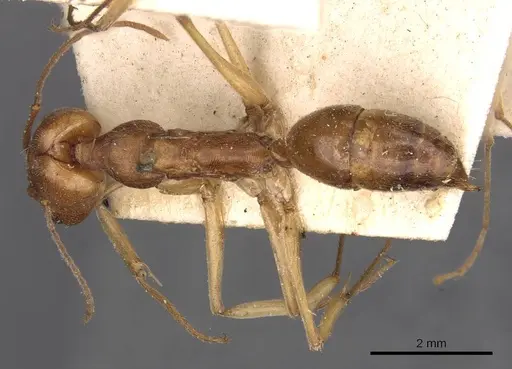
Literature
Loading...Loading products...