

Odontomachus alius
- Scientific Name
- Odontomachus alius
- Tribe
- Ponerini
- Subfamily
- Ponerinae
- Author
- Sorger & Zettel, 2011
- Distribution
- Found in 1 countries
Odontomachus alius Overview
Odontomachus alius is an ant species of the genus Odontomachus. It is primarily documented in 1 countries , including Philippines. Detailed taxonomic data and occurrence records can be further explored via authoritative databases such as AntWeb or the Global Biodiversity Information Facility (GBIF).
Odontomachus alius
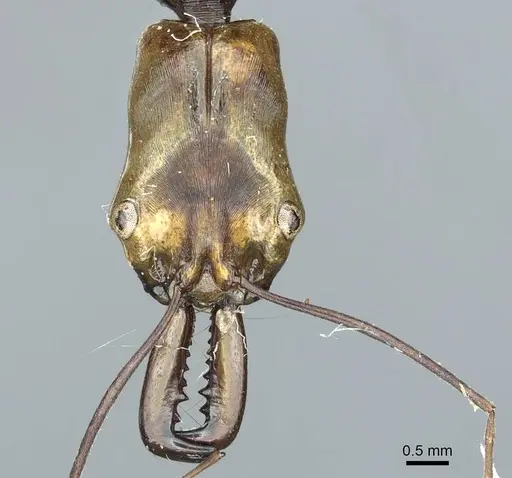
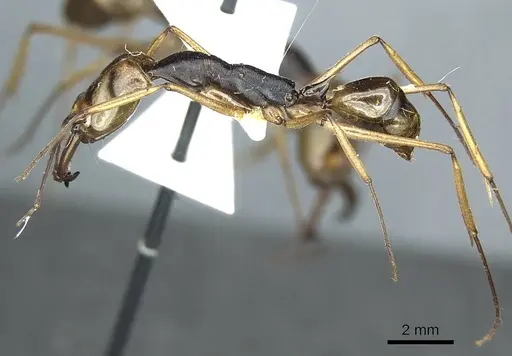
Odontomachus alius is a trap-jaw ant species endemic to the Philippines, found on the islands of Catanduanes, Samar, Biliran, Leyte, Bohol, and Cebu [1]. Workers are relatively large at 11.75-15.56mm total length, with a distinctive bicolored appearance, the head and gaster are light brown to yellowish, contrasting sharply with the dark brown mesosoma and petiole [2]. The species has a very long, S-shaped petiolar spine and shows significant variation across its island range, with five distinct regional forms [3]. This is a predatory trap-jaw ant known for its powerful mandibles that can snap shut with incredible speed to capture prey.
Quick Summary
- Difficulty: Medium
- Origin & Habitat: Endemic to the Philippines, specifically found on islands in the Visayas region including Catanduanes, Samar, Biliran, Leyte, Bohol, and Cebu. They live in lowland dipterocarp forests, sometimes in degraded remnant forest patches [4].
- Colony Type: Likely monogyne (single queen) based on typical Odontomachus patterns. Colony structure is not directly documented for this species.
- Colony: Monogyne
- Founding: Semi-claustral
- Size & Growth:
- Queen: 16.00-16.56mm [5]
- Worker: 11.75-15.56mm total length [1][2][3]
- Colony: Unknown, no colony size data available
- Growth: Moderate, estimated based on related tropical Ponerine ants
- Development: 6-10 weeks, estimated based on typical Ponerine development at tropical temperatures (Development time is inferred from related species in the genus. Warm temperatures (24-28°C) will accelerate development.)
- Antkeeping:
- Temperature: Keep at 24-28°C. These are tropical ants from the Philippines, so they need warm conditions. A heating cable on one side of the nest creates a suitable gradient.
- Humidity: High humidity (70-85%). They come from lowland dipterocarp forests which are warm and humid. Keep the nest substrate consistently moist but not waterlogged.
- Diapause: No, as a tropical species, they do not require hibernation. Keep them warm year-round.
- Nesting: They prefer humid nest setups. Y-tong (AAC) nests or moist plaster nests work well. Provide a dark, humid chamber since they naturally nest in forest floor environments. A test tube setup with a water reservoir works for founding colonies.
- Behavior: Trap-jaw ants are active predators. They hunt insects and other small arthropods using their powerful mandibles. Workers are moderately aggressive and will defend the nest. They are primarily nocturnal or crepuscular, becoming more active at night. Escape prevention is important, while not the smallest ants, they are agile and can climb smooth surfaces. They have a functional stinger and can deliver a painful sting if provoked.
- Common Issues: humidity control is critical, too dry and colonies will fail, especially during founding, wild-caught colonies may have parasites that kill them in captivity, slow founding phase can lead to beginner impatience and overfeeding, they need live prey, refusing dead food is common until colonies are established, escape prevention matters, they can climb glass and smooth plastic
Housing and Nest Setup
For founding colonies, a simple test tube setup works well. Use a test tube filled with water, stopped with a cotton ball, providing a humid chamber for the queen. Place the tube in a dark area to simulate their natural forest floor nesting conditions. Once the colony reaches 10-15 workers, you can move them to a Y-tong (AAC) nest or a moist plaster formicarium. These ants need humidity, so whichever nest type you choose, ensure the substrate or nest material stays moist. Provide an outworld (foraging area) connected to the nest where you can offer food. The outworld should be escape-proof, these ants can climb smooth surfaces effectively.
Feeding and Diet
Odontomachus alius are predators. In captivity, they primarily accept live small insects like fruit flies, small crickets, mealworms, and other appropriately sized arthropods. Some colonies will eventually accept dead prey, but live food triggers their hunting instincts more reliably. Offer protein sources 2-3 times per week. Sugar water or honey can be offered occasionally, though these ants are primarily protein-focused hunters. Fresh water should always be available. Remove uneaten prey after 24-48 hours to prevent mold.
Temperature and Seasonal Care
As a tropical species from the Philippines, Odontomachus alius needs warm temperatures year-round. Keep the nest area at 24-28°C. You can use a heating cable placed on top of the nest (not underneath, to avoid drying out the nest material) to maintain warmth. Create a temperature gradient so ants can choose their preferred zone. Room temperature may be too cool if your home is below 24°C. There is no hibernation requirement, these ants do not experience cold winters in their native habitat. Keep them warm and active throughout the year.
Behavior and Defense
These ants are equipped with powerful trap-jaw mandibles capable of snapping shut at extreme speeds. While primarily used for hunting prey, they will use them defensively if threatened. They also have a functional stinger and can deliver a painful sting. Workers are moderately aggressive and will patrol the outworld searching for prey. They are typically more active during evening and nighttime hours, reflecting their crepuscular/nocturnal nature in the wild. When hunting, they use their mandibles to capture and subdue prey items much larger than themselves.
Colony Development
A newly mated queen will dig a small chamber in moist substrate and seal herself in to lay her first eggs. This founding phase can take several weeks to months before the first workers (nanitics) emerge. The queen will not leave to forage during this time, she relies on her stored fat reserves. Once nanitics emerge, they will begin foraging for food to support further brood development. Colony growth is moderate, expect several months before you have a established colony with 20+ workers. Patience is key during the founding phase, as disturbing the queen too often can cause her to abandon or eat her brood.
Frequently Asked Questions
How long does it take for Odontomachus alius to produce first workers?
Expect 6-10 weeks from egg to first worker at optimal temperatures (24-28°C). The exact timeline varies based on temperature and feeding. The founding queen may take longer to lay her first eggs, so budget several months from founding to nanitics.
Can I keep multiple Odontomachus alius queens together?
Not recommended. While colony structure is not directly documented for this species, combining unrelated queens of this genus typically leads to fighting. Start with a single mated queen for best success.
Do Odontomachus alius ants sting?
Yes, they can sting. They have a functional stinger and can deliver a painful sting if handled roughly or if the colony feels threatened. Their trap-jaw mandibles are primarily for hunting, but they will snap at perceived threats. Handle with care and avoid provoking them.
What do I feed Odontomachus alius?
Feed them live small insects like fruit flies, small crickets, mealworms, or other appropriately sized arthropods. They are predators and most readily accept live prey. Some colonies will eventually accept dead prey, but live food is more reliable. Offer protein 2-3 times per week and ensure fresh water is always available.
Are Odontomachus alius good for beginners?
They are rated as medium difficulty. You need some antkeeping experience, particularly with humidity control and providing live prey. The main challenges are maintaining proper humidity and convincing newly founded colonies to accept food. They are not the hardest species, but they are more demanding than beginner species like Lasius or Tetramorium.
Do Odontomachus alius need hibernation?
No. As a tropical species from the Philippines, they do not require hibernation. Keep them warm year-round at 24-28°C. Cold temperatures can slow their metabolism and potentially harm the colony.
When should I move my Odontomachus alius to a formicarium?
Wait until the colony has at least 10-15 workers and is actively foraging in the outworld. Moving too early can stress the colony. Make sure the formicarium provides adequate humidity, Y-tong or moist plaster nests work well for this species.
Why is my Odontomachus alius colony not growing?
Common causes include: low humidity (keep substrate moist), temperatures too cool (aim for 24-28°C), not offering appropriate live prey, or the queen may have died during founding. Check these parameters and ensure you are offering live insects they can hunt.
How big do Odontomachus alius colonies get?
Colony size is not documented in scientific literature. Based on related species in the genus, colonies likely reach several hundred workers at maturity. Growth is moderate, expect several months to a year to establish a solid colony.
References

This caresheet is licensed under CC BY-SA 4.0 .
CASENT0915896
View on AntWeb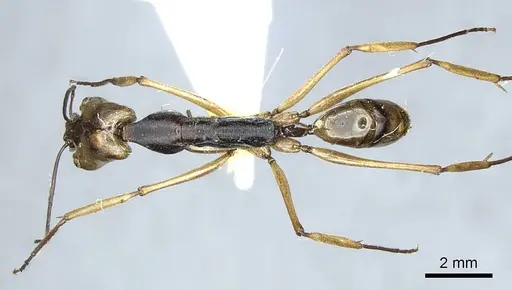
Literature
Loading...Loading products...