

Ocymyrmex velox
- Scientific Name
- Ocymyrmex velox
- Tribe
- Crematogastrini
- Subfamily
- Myrmicinae
- Author
- Santschi, 1932
- Common Name
- Large Hotrod Ant
- Distribution
- Found in 2 countries
Ocymyrmex velox Overview
Ocymyrmex velox (commonly known as the Large Hotrod Ant) is an ant species of the genus Ocymyrmex. It is primarily documented in 2 countries , including Botswana, Namibia. Detailed taxonomic data and occurrence records can be further explored via authoritative databases such as AntWeb or the Global Biodiversity Information Facility (GBIF).
Ocymyrmex velox - "Large Hotrod Ant"
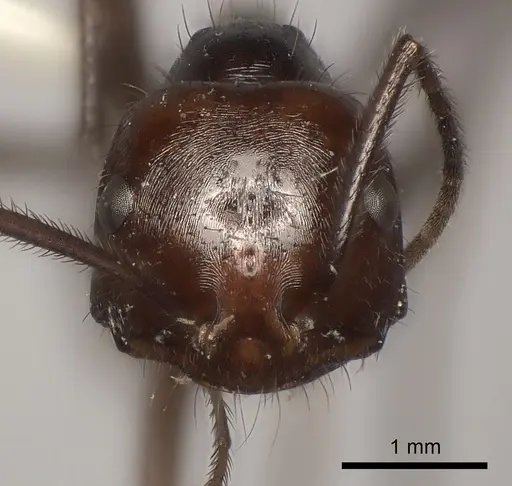
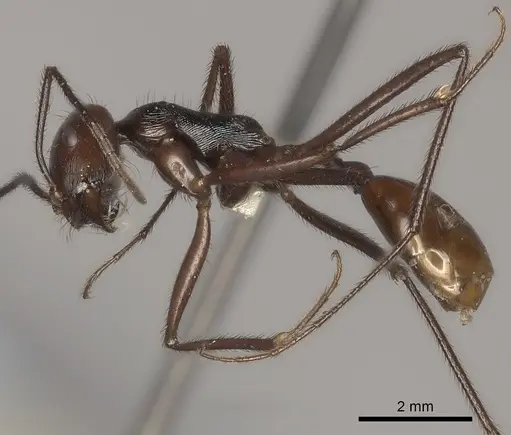
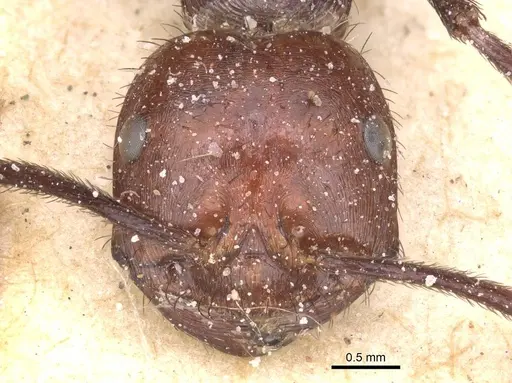
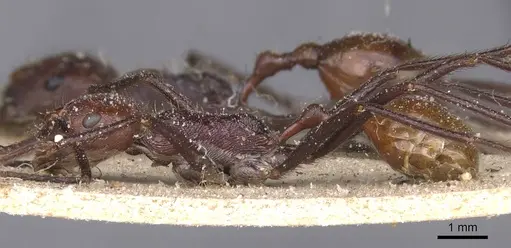
Ocymyrmex velox is a large, fast-running desert ant native to the Namib Desert in southern Africa. Workers measure 10-10.7mm in total length, making them one of the larger Myrmicinae ants. They have extremely long legs relative to their body size, slender alitrunks, and distinctive coloring, the alitrunk ranges from dull red to blackish red, the head is a lighter red, and the gaster can be orange to yellow in some individuals. This species belongs to the velox group within Ocymyrmex and is restricted to the eastern gravel plains of the Namib Desert [1].
These ants are remarkable thermophilic scavengers, occupying the same ecological niche as the famous Cataglyphis desert ants but in the Afrotropical region. They are diurnal insectivores that actively forage during the hottest parts of the day, scavenging dead arthropods and preying on termites when termite eruptions occur [1]. Their parallel evolution with Cataglyphis species demonstrates how unrelated ants developed similar morphological and physiological adaptations to survive in extreme desert heat [2][3].
Quick Summary
- Difficulty: Medium
- Origin & Habitat: Namib Desert in Namibia, with populations also in Angola, South Africa, and Zimbabwe. They inhabit the eastern gravel plains where temperatures can exceed 60°C on the sand surface [1].
- Colony Type: Colony structure is unconfirmed. Nests are inconspicuous with typically one entrance hole, sometimes marked by a small crater of excavated material [1].
- Size & Growth:
- Queen: Unconfirmed, queen measurements not documented in available literature
- Worker: 10.0-10.7mm total length
- Colony: Unknown, colony size has not been documented in available research
- Growth: Unknown, growth rate has not been documented
- Development: Unconfirmed, development timeline has not been directly studied. Based on typical Myrmicinae patterns in desert environments, estimate 6-10 weeks at optimal temperature. (Development timeline is unconfirmed. Related desert ants in similar climates typically complete development in 6-10 weeks at warm temperatures.)
- Antkeeping:
- Temperature: Keep nest area at 28-32°C with a thermal gradient. These are desert ants adapted to extreme heat, they forage when surface temperatures exceed what most ants can tolerate. Provide a warm area around 30°C with cooler areas available [3][2].
- Humidity: Low humidity preferred, these are desert ants adapted to arid conditions. Keep nest substrate dry with only minimal moisture available. Avoid damp conditions that could cause mold or discomfort for these desert-dwelling insects [1].
- Diapause: Likely minimal or no true diapause, as a Namib Desert species adapted to year-round warm conditions, they probably remain active throughout the year. However, cooler winter temperatures may slow activity. This requires keeper experimentation [1].
- Nesting: Use a dry, warm nest setup. Y-tong (acrylic) or plaster nests work well for these large desert ants. Provide a test tube water reservoir but keep the nest chamber dry. They prefer inconspicuous nests with minimal moisture, mimic their natural gravel plain habitat [1].
- Behavior: Ocymyrmex velox is a diurnal, fast-moving ant that forages individually across the desert surface. They are insectivores, primarily scavengers of dead arthropods but also active predators of termites, particularly when termite eruptions provide easy hunting opportunities [1]. They have excellent navigation abilities, using visual cues to find their way across the featureless desert [2]. Workers are not aggressive toward humans and do not have a painful sting. Their main defense is speed, they are among the fastest desert ants. Escape risk is moderate due to their large size, but standard formicarium barriers should contain them.
- Common Issues: desert species is sensitive to excess moisture, keep nesting area dry to prevent mold and fungal problems, they need constant warmth, cool temperatures will slow activity and may prevent colony development, as a specialized desert ant, they may not accept typical ant foods, live prey and fresh arthropods are likely essential, their fast speed makes them difficult to observe, ensure your formicarium has good lighting and viewing angles, wild-caught colonies may struggle to adapt to captive conditions if collected during wrong season or from stressed populations
Natural History and Distribution
Ocymyrmex velox is endemic to the Namib Desert region, found primarily in Namibia with additional records from Angola, South Africa, and Zimbabwe. Within the Namib, they are restricted to the eastern gravel plains, a specific microhabitat within the broader desert ecosystem [1]. This restricted distribution makes them a particularly interesting species for antkeepers who want something truly unique.
Their natural history is intimately tied to the extreme conditions of the Namib Desert. These ants are active during the hottest parts of the day when surface temperatures can exceed 60°C, conditions that would kill most other ant species. They have evolved extremely long legs relative to their body size, allowing them to run quickly across the hot sand while minimizing contact with the surface [2]. This is the same adaptive strategy used by Cataglyphis ants in the Palearctic region, representing a remarkable case of parallel evolution between two unrelated ant lineages [2][3].
In the wild, O. velox nests in inconspicuous locations on the gravel plains. Nests typically have only one entrance hole, sometimes marked by a small semilunar crater of excavated material. This simple nest architecture makes them harder to find than many other ant species [1].
Feeding and Diet
In their natural habitat, Ocymyrmex velox is a diurnal insectivore with two primary food sources. They are active scavengers of dead arthropods, patrolling the desert surface during hot daylight hours to find carcasses and remains. They will also prey on live termites, particularly during the dramatic eruptions of Hodotermes termite colonies that periodically occur in the Namib [1]. This termite predation represents a significant protein source during these unpredictable events.
For captive care, you should replicate this insectivorous diet. Offer small live insects such as fruit flies, small crickets, or mealworms. Since they are fast-moving predators, they may prefer live prey that they can chase and subdue. Dead arthropods may also be accepted, but live food is likely preferred. Fresh killed insects work well, you can crush the insect slightly to make it easier for the ants to find and consume. Sugar sources are not a natural part of their diet, these are primarily predatory/scavenging ants, not honeydew feeders. However, you can occasionally offer a drop of diluted honey or sugar water to test acceptance, but do not rely on sugar sources as a primary food [1].
Temperature and Heating Requirements
As a Namib Desert species, Ocymyrmex velox requires warm to hot temperatures, this is perhaps the most critical factor for successful captive care. These ants are adapted to some of the most extreme thermal conditions on Earth, actively foraging when surface temperatures would kill other ant species. Keep the nest area at 28-32°C continuously, with a thermal gradient allowing workers to choose their preferred temperature zone.
A heating cable or small heat mat placed on one side of the nest works well to create this gradient. Place the heating element on top of the nest rather than underneath to avoid drying out the nest too quickly. Room temperature alone (around 20-22°C) is likely too cool for this species and will result in reduced activity and potentially failed colonies. Monitor your ants' behavior, if they cluster near the warm end, increase heat slightly, if they avoid the heated area entirely, reduce heat. The goal is to mimic the warm conditions of their gravel plain habitat where they thrive [3][2].
Nesting and Housing
Ocymyrmex velox nests in simple, inconspicuous burrows in the Namib gravel plains. In captivity, they do well in dry nest setups that replicate these conditions. Y-tong (acrylic) nests or plaster nests work well, both allow you to control humidity precisely and provide a warm, dry environment. Test tube setups are also suitable for founding colonies, but you may need to provide gentle warmth.
The key is dryness, these are desert ants that evolved in arid conditions. Keep the nest substrate relatively dry with only a small water reservoir for humidity. Avoid the damp conditions that work well for many tropical ant species. Provide a temperature gradient within the nest so workers can regulate their own body temperature by moving between warmer and cooler areas. The nest should also be dark, these ants naturally live in underground chambers and prefer dim conditions. Good ventilation is important to prevent stale air, but avoid creating drafts that could dry the nest too much [1].
Behavior and Observation
Ocymyrmex velox is an active, fast-moving ant that forages individually rather than in groups. Workers patrol the desert surface alone, using visual navigation to find their way back to the nest after foraging. This solitary foraging pattern is different from many ant species that use pheromone trails [2][3]. Their excellent navigation abilities allow them to traverse the featureless desert landscape and return home reliably.
Their speed is their primary defense, they are among the fastest desert ants, capable of rapid escape when threatened. They do not have a particularly painful sting, and their small size relative to humans means any sting would be mild. Watching them forage is a highlight of keeping this species, their quick movements and purposeful behavior are fascinating to observe. They are not aggressive toward keepers and are generally calm to handle. However, their speed makes them challenging to work with during transfers or colony maintenance [2].
Frequently Asked Questions
How long does it take for Ocymyrmex velox to produce first workers?
The egg-to-worker timeline is unconfirmed for this species. Based on typical Myrmicinae development in warm desert conditions, expect approximately 6-10 weeks from egg to first worker at optimal temperatures around 30°C. However, this is an estimate, actual development time may vary and has not been directly documented for O. velox.
What do Ocymyrmex velox ants eat?
They are insectivores. Feed them small live insects such as fruit flies, small crickets, or mealworms. They are active predators and scavengers in the wild, primarily eating dead arthropods and termites. Dead insects may be accepted, but live prey is preferred. Sugar sources are not a natural part of their diet.
Do Ocymyrmex velox ants need hibernation?
Likely no true hibernation is required. As a Namib Desert species adapted to year-round warm conditions, they probably remain active throughout the year. However, cooler winter temperatures may slow their activity. You can reduce temperatures slightly in winter (around 20-24°C) but do not cool them dramatically or attempt prolonged hibernation.
What temperature do Ocymyrmex velox ants need?
Keep them warm at 28-32°C with a thermal gradient. These desert ants are adapted to extreme heat and need consistently warm conditions to thrive. A heating cable or heat mat on one side of the nest creates the necessary gradient. Room temperature alone is too cool for this species.
Are Ocymyrmex velox good for beginners?
They are considered medium difficulty. They require specific warm, dry conditions that differ from many common pet ant species. Their specialized diet (live insects) and temperature requirements make them better suited for antkeepers who have some experience with species that need heating and insect-based diets.
How big do Ocymyrmex velox colonies get?
Maximum colony size is unknown, this has not been documented in available research. They are large ants (workers 10-10.7mm) but colony sizes in the wild appear to be modest based on their inconspicuous nesting habits. Expect a moderate-sized colony over time rather than the massive supercolonies seen in some species.
Can I keep multiple Ocymyrmex velox queens together?
Colony structure (single queen vs multiple queens) is unconfirmed for this species. There is no documented research on whether they are monogyne (single queen) or polygyne (multiple queens). It is not recommended to combine unrelated foundress queens without documented evidence of pleometrosis (multiple queen founding) in this species.
Do Ocymyrmex velox ants sting?
They have a stinger but it is not particularly painful to humans. Their main defense is their speed, they are extremely fast runners and will quickly flee from threats. They are not aggressive toward keepers and are generally calm to handle.
When can I move Ocymyrmex velox to a formicarium?
Move them to a proper formicarium once the colony reaches 20-30 workers and the founding chamber becomes crowded. For initial colonies, a test tube setup with gentle warmth works well. Once established, transfer to a Y-tong or plaster nest that can accommodate their need for warmth and dryness.
Why are my Ocymyrmex velox ants dying?
Common causes include: too cool temperatures (below 28°C), excessive moisture causing mold, poor diet (they need live insects, not just sugar water), or stress from wild-caught origins. Ensure proper heating, dry nesting conditions, and offer appropriate live prey. These specialized desert ants are sensitive to conditions that would suit more common ant species.
References

This caresheet is licensed under CC BY-SA 4.0 .
CASENT0217900
View on AntWeb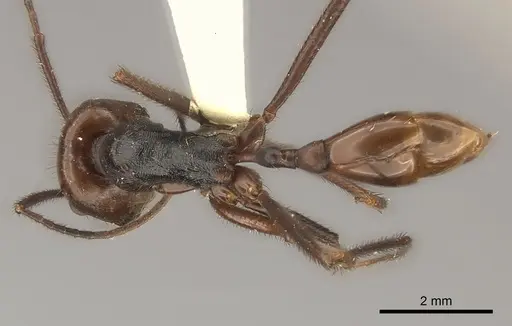
CASENT0913239
View on AntWeb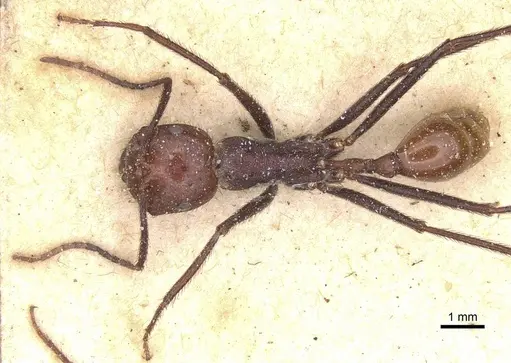
Literature
Loading...Loading products...