

Ocymyrmex nitidulus
- Scientific Name
- Ocymyrmex nitidulus
- Tribe
- Crematogastrini
- Subfamily
- Myrmicinae
- Author
- Emery, 1892
- Distribution
- Found in 3 countries
Ocymyrmex nitidulus Overview
Ocymyrmex nitidulus is an ant species of the genus Ocymyrmex. It is primarily documented in 3 countries , including Ethiopia, Kenya, Tanzania. Detailed taxonomic data and occurrence records can be further explored via authoritative databases such as AntWeb or the Global Biodiversity Information Facility (GBIF).
Ocymyrmex nitidulus - "Hotrod Ant"
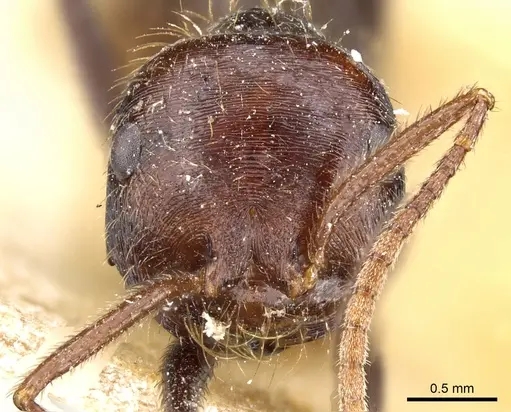
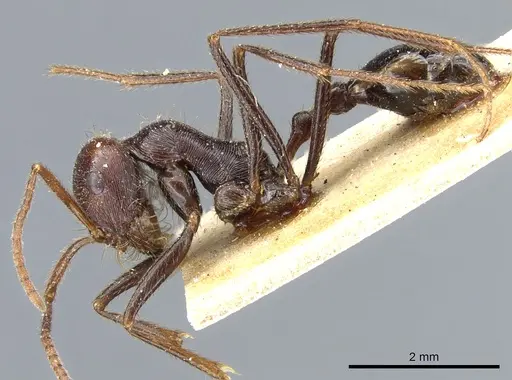
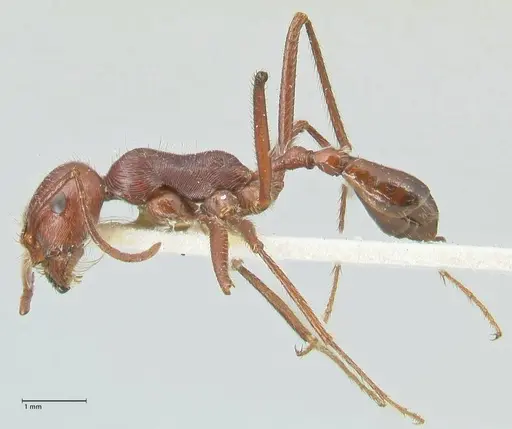
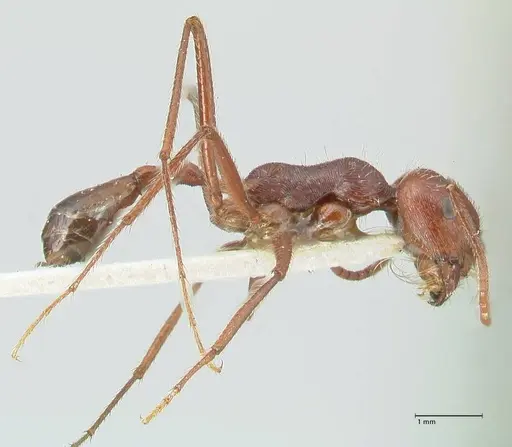
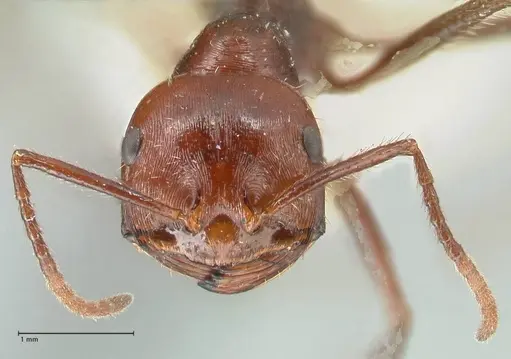
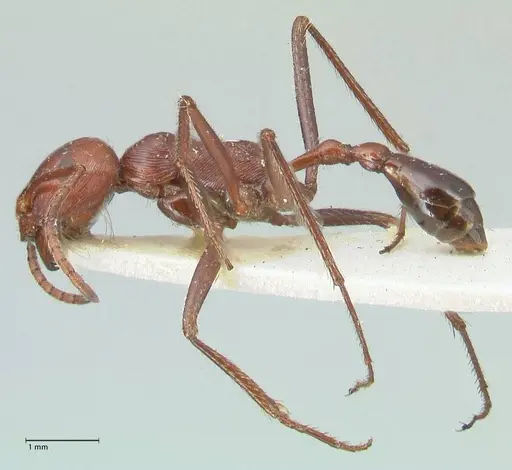
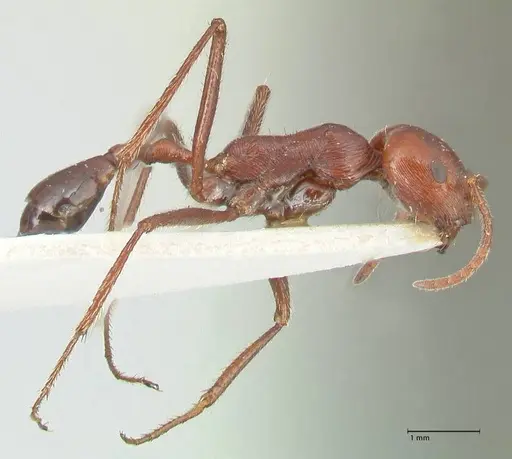
Ocymyrmex nitidulus is a fascinating ant species known for its exceptionally fast and erratic movements, especially during the hottest parts of the day. These ants have a sleek, polished appearance, often described as glossy dull red with a darker, blackish-brown to black gaster. Unlike many ant species, their queens are 'ergatoid,' meaning they are worker-like in appearance, lacking wings and typically found deep within the nest. Workers typically measure between 7.4-7.8 mm in total length.
- Difficulty: Hard
- Origin & Habitat: Afrotropical Region (Ethiopia, Kenya, Somalia, Uganda, Tanzania). in Dry savannas and extreme desert conditions, usually nesting deep in loose sandy soil..
- Colony Type: Monogyne (functionally, even with multiple ergatoid females, only one is inseminated)., claustral (though the queen is ergatoid and remains deep in the nest). founding.
- Size & Growth:
- Queen: Not specified
- Worker: 7.4-7.8mm
- Colony: Small (200-1000 individuals).. Slow growth.
- Antkeeping:
- Temperature: They are thermophilic, thriving in relatively high temperatures. While specific ranges for O. nitidulus are not given, related species are active at 27-67°C. Maintaining a warm environment, likely in the upper 20s to low 30s Celsius, is crucial..
- Humidity: As they inhabit arid and desert environments, lower humidity is preferred. The nest should be kept largely dry, with a small, localized hydration source if needed..
- Diapause: Not required. Not specified at Not specified.
- Nesting: Deep, sandy nests are crucial. Artificial setups should mimic this with ample substrate depth..
- Behavior: Medium (primarily towards prey, but can be skittish towards handler). aggressiveness.
- Common Issues: Maintaining proper temperature and humidity, Lack of suitable deep, sandy nesting space, Stress due to improper setup, Difficulty in providing appropriate diet for a scavenging species.
One of the most remarkable aspects of Ocymyrmex nitidulus, and the genus Ocymyrmex in general, is their incredibly rapid and erratic movement. These 'hotrod ants' are known to be active even during the hottest parts of the day in their natural arid habitats. This extreme speed is a key adaptation to their environment, allowing them to quickly scavenge for heat-stressed insects and avoid becoming prey themselves. Providing a spacious outworld that allows for their natural foraging behavior is essential to their well-being in captivity.
Unlike many ant species, the queens of Ocymyrmex nitidulus are 'ergatoid,' meaning they are worker-like and do not possess wings. This unique trait means you won't be looking for a typical winged queen after a nuptial flight. Instead, the queen is morphologically distinct from workers due to larger ovaries and is typically found deep within the nest. Even though a colony might produce multiple ergatoid females, only one is usually inseminated and functions as the reproductive queen, making the colony functionally monogyne.
Their natural nesting behavior involves digging deep into loose, sandy soil, often forming simple vertical tunnels with chambers branching off. In captivity, this translates to a critical need for a suitable substrate and a deep nest setup. Standard acrylic or plaster nests might not be ideal unless they can replicate the extensive depth and substrate requirements these ants demand. A naturalistic setup with a deep sand-based formicarium would be much more appropriate to ensure their comfort and prevent stress.
Ocymyrmex nitidulus are thermophilic, meaning they thrive in high temperatures. Maintaining the right thermal gradient is paramount for their survival and development. They are adapted to hot, dry conditions, often seen foraging when temperatures are extreme. This means your ant setup will need consistent heating to mimic their native environment. Humidity should be kept relatively low overall, with targeted hydration for the brood area, to prevent mold and replicate their desert-like conditions.
Frequently Asked Questions
What makes Ocymyrmex nitidulus unique among ant species for antkeepers?
Ocymyrmex nitidulus stands out primarily due to its incredibly rapid, almost 'hotrod-like' movements, especially during hot conditions. Their queens are also unique, being 'ergatoid' (worker-like and wingless), which is a fascinating biological difference from many commonly kept species.
How do I identify an Ocymyrmex nitidulus queen if she doesn't have wings?
Identifying an Ocymyrmex nitidulus queen can be tricky because she is ergatoid, meaning she looks very similar to a large worker and lacks wings. In the wild, she's typically found deep in the nest. In a captive setup, a reproductive queen will often have a noticeably larger gaster due to increased egg-laying capacity, but physically, she'll still resemble a worker.
What kind of nest setup is best for Ocymyrmex nitidulus?
Given their natural habitat, a deep sand-based formicarium is highly recommended for Ocymyrmex nitidulus. They dig extensive tunnels vertically, so providing ample substrate depth, ideally 30cm or more, will allow them to create a comfortable and secure home that mimics their natural nesting behavior. Standard acrylic or plaster nests may not be suitable without significant modification.
What do Ocymyrmex nitidulus eat?
Ocymyrmex species are known to be opportunistic scavengers and predators. Their diet in the wild often includes dead or heat-stressed insects, and some species also consume seeds or prey on termites. In captivity, a varied diet of small insects like fruit flies, mealworms (pre-killed or cut), and possibly some seeds, supplemented with sugar water, should be offered.
Do Ocymyrmex nitidulus require a diapause (winter hibernation)?
Ocymyrmex nitidulus originate from arid, tropical regions of Africa, which typically do not experience cold winters requiring diapause. Therefore, it is generally not required for this species. Consistent warmth is more important for their year-round activity and development.
Are these ants aggressive, and can they sting?
Ocymyrmex nitidulus workers are not typically aggressive towards handlers, though their rapid and erratic movements might make them seem so. They are more aggressive towards their prey. There is no information suggesting they possess a significant sting that would be problematic to humans; the primary risk would be stress from improper handling or an unsuitable environment.
How fast do Ocymyrmex nitidulus colonies grow?
Colonies of Ocymyrmex nitidulus are generally considered to have a slow growth rate, reaching estimated sizes of 200 to 1000 individuals in maturity. Patience is key when keeping these ants, as they will not proliferate as quickly as some common beginner species.
What temperatures are ideal for keeping Ocymyrmex nitidulus?
Being thermophilic 'hotrod ants,' Ocymyrmex nitidulus require consistently high temperatures. While exact figures for nitidulus are scarce, related species thrive in ranges from 27°C up to 67°C in the wild. For captive care, aiming for temperatures in the upper 20s to low 30s Celsius (e.g., 28-32°C) would be a good starting point, ensuring a warm and stable environment.
Can I keep multiple ergatoid queens in one colony?
While a colony may produce multiple ergatoid females, only one is typically inseminated and functions as the reproductive queen, making the colony functionally monogyne. It's best to assume functional monogyne behavior and aim for one queen per colony for optimal success.
What kind of outworld setup is best for Ocymyrmex nitidulus?
An outworld for Ocymyrmex nitidulus should be spacious and mimic their natural arid environment. A dry, sandy substrate is ideal, with scattered elements like small rocks or pieces of wood to provide foraging territory and climbing opportunities. Given their speed, a secure, escape-proof lid is absolutely crucial.
Are there any specific humidity challenges for keeping these ants?
Yes, humidity management can be a challenge. As desert ants, they prefer low overall humidity. Too much humidity can lead to mold and stress. The key is to provide a very dry general nest environment while offering a small, localized hydration area deep within the nest where the brood can be kept at slightly higher humidity.

This caresheet is licensed under CC BY-SA 4.0 .
CASENT0280940
View on AntWeb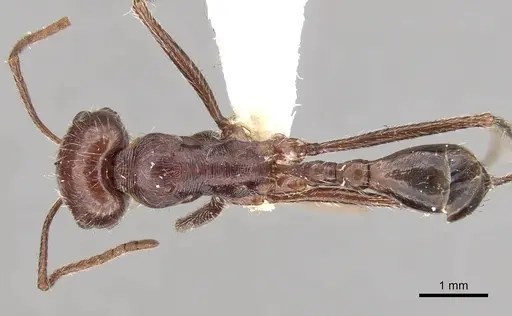
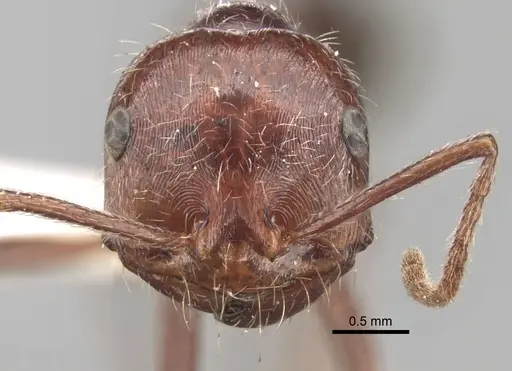
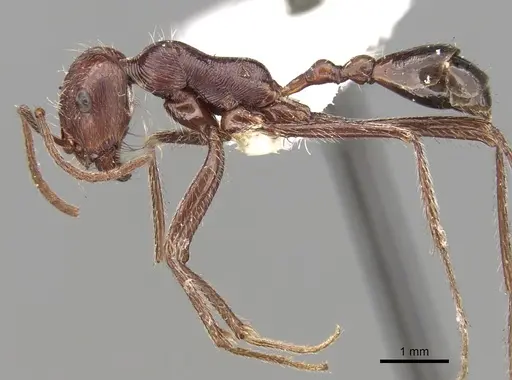
CASENT0904787
View on AntWeb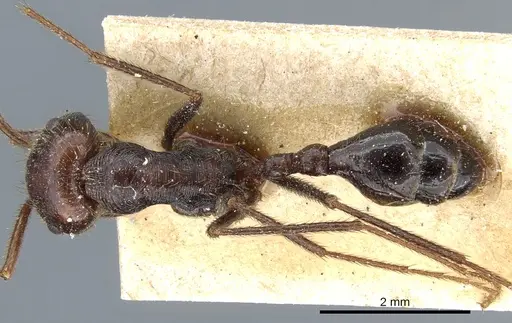
FOCOL2188
View on AntWeb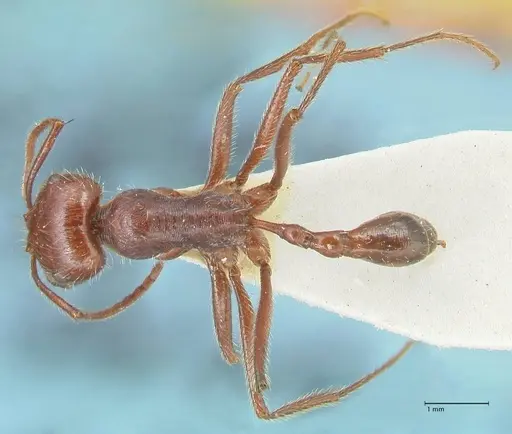
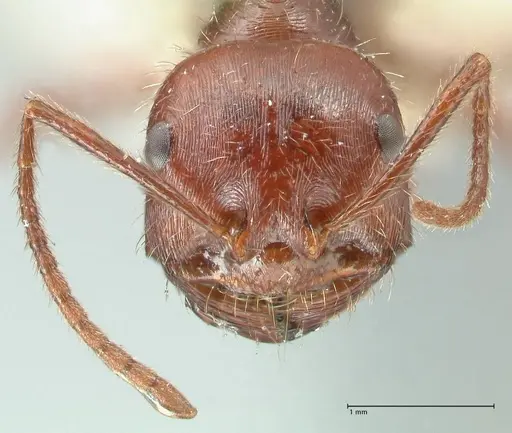
FOCOL2189
View on AntWeb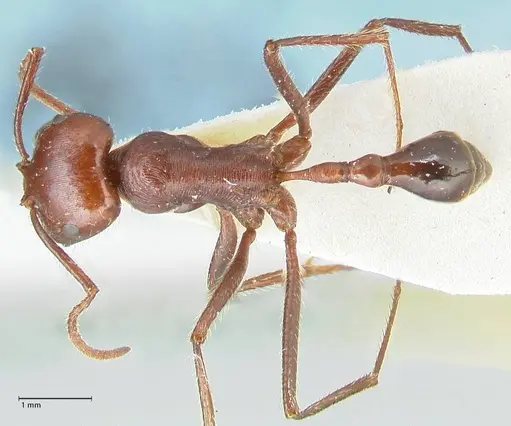
Literature
Loading...Loading products...