

Ocymyrmex micans
- Scientific Name
- Ocymyrmex micans
- Tribe
- Crematogastrini
- Subfamily
- Myrmicinae
- Author
- Forel, 1910
- Distribution
- Found in 1 countries
Ocymyrmex micans Overview
Ocymyrmex micans is an ant species of the genus Ocymyrmex. It is primarily documented in 1 countries , including Namibia. Detailed taxonomic data and occurrence records can be further explored via authoritative databases such as AntWeb or the Global Biodiversity Information Facility (GBIF).
Ocymyrmex micans
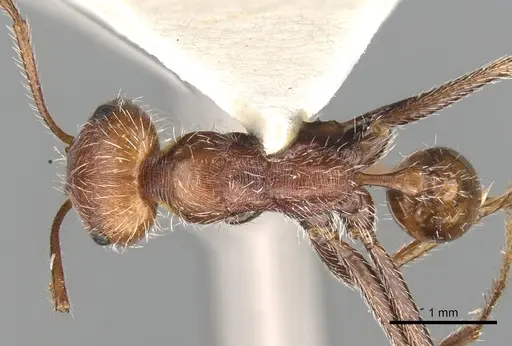
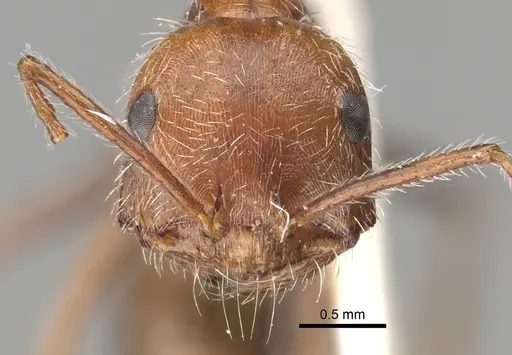
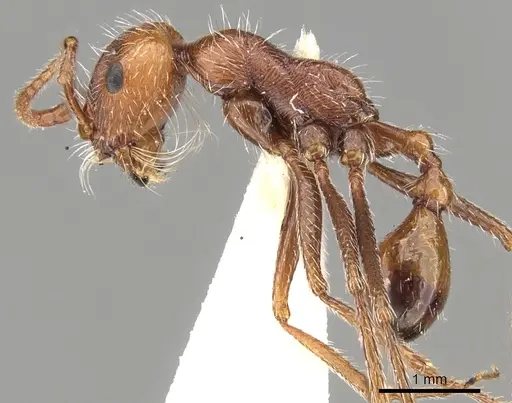
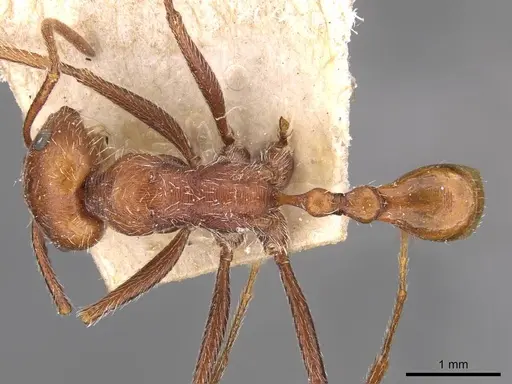
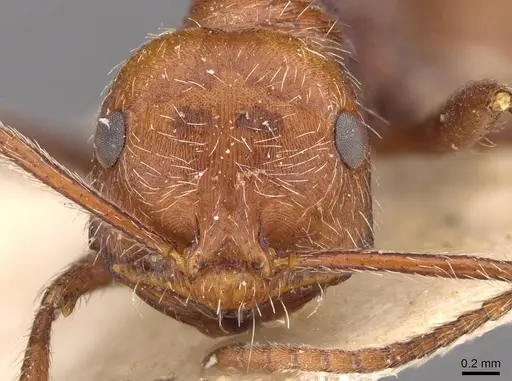
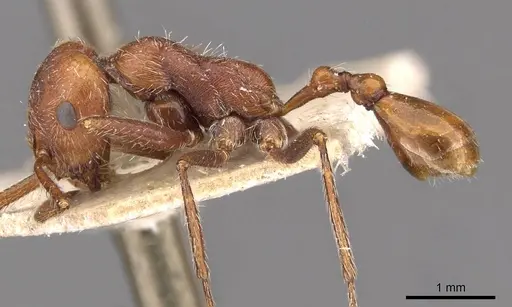
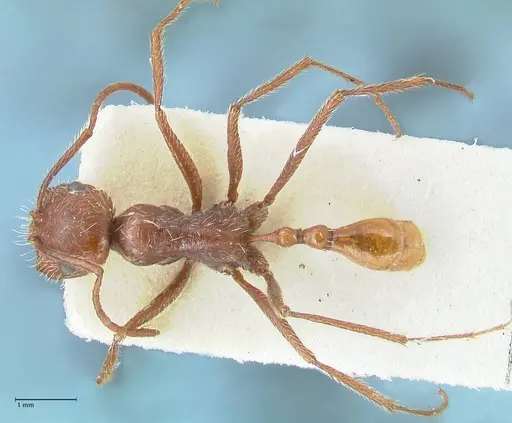
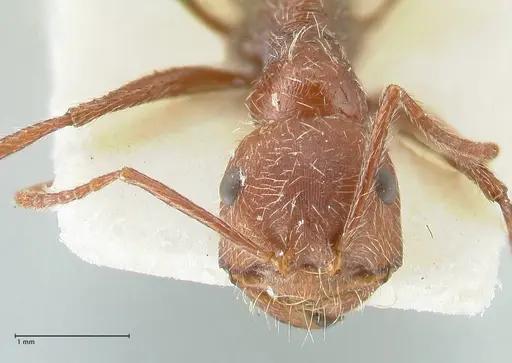
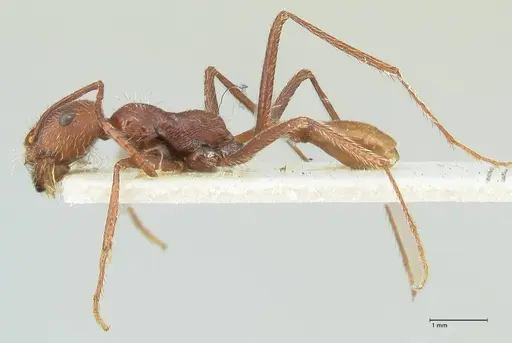
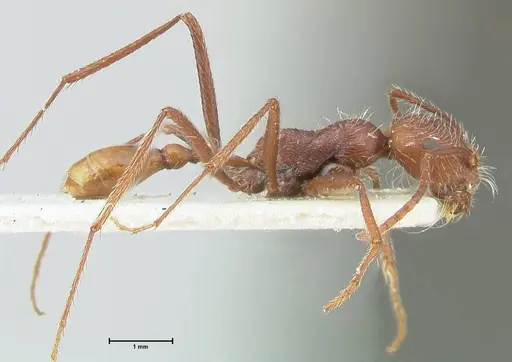
Ocymyrmex micans is a medium-sized myrmicine ant native to the hot, arid regions of Namibia and South Africa. Workers measure 6.2-6.9mm and display a distinctive orange to orange-red coloration, with the gaster noticeably lighter than the alitrunk. This species belongs to the Ocymyrmex hirsutus group and is closely related to Ocymyrmex fortior, from which it can be distinguished by its weaker cephalic sculpture and distinctly swollen postpetiole. In their natural saltpan habitat, these ants are extraordinarily dominant, field studies show they monopolized 87.1% of bait stations and achieved a behavioral dominance score of 72.7%, making them one of the most aggressive and competitive ant species in their ecosystem [1]. Only the worker caste has been described, with queens remaining unknown to science.
Quick Summary
- Difficulty: Expert
- Origin & Habitat: Native to Namibia and South Africa, where they inhabit hot, arid saltpan environments. They are ground-dwelling ants that thrive in open, sun-exposed areas with sparse vegetation [1].
- Colony Type: Colony structure is unconfirmed. Only worker caste has been described, queen caste remains unknown in scientific literature.
- Size & Growth:
- Queen: Unknown, queen caste has not been described in scientific literature
- Worker: 6.2-6.9mm
- Colony: Unknown, no colony size data available
- Growth: Unknown
- Development: Unconfirmed, development timeline has not been studied (No direct data available. Based on genus-level patterns for Ocymyrmex (thermophilic Myrmicinae), expect 4-8 weeks at optimal temperature, but this is an estimate.)
- Antkeeping:
- Temperature: High temperature is essential. Ocymyrmex is a thermophilic genus adapted to extreme heat. Keep nest area at 28-32°C with a warm gradient up to 35°C on one side. These ants naturally inhabit hot saltpan environments and will be inactive below 24°C. Use a heating cable or heat mat on one side of the nest.
- Humidity: Low to moderate. These ants come from arid to semi-arid environments. Keep substrate moderately dry with a small moist area for brood. Avoid excessive moisture, they are adapted to dry conditions. Provide a shallow water source in the outworld.
- Diapause: Unknown for this specific species. Based on their African origin and hot habitat, they likely do not require true hibernation. However, a slight cooling period during winter months may be beneficial. Monitor colony activity and adjust accordingly.
- Nesting: In captivity, these ants do well in Y-tong (AAC) nests or plaster nests with dry to moderately humid chambers. They prefer compact chambers over large open spaces. A naturalistic setup with a digging medium works well. Ensure excellent escape prevention, workers are medium-sized but very agile.
- Behavior: Ocymyrmex micans is highly aggressive and territorial. In the wild, they dominate their habitat and aggressively defend food resources, monopolizing bait stations [1]. They are fast-moving and will readily attack threats. Workers are active foragers that search for food aggressively. Their sting is present but pain level is not well documented, expect some defensive capability. Escape prevention is important due to their speed and determination. They are diurnal, naturally active during the hottest parts of the day in their native habitat.
- Common Issues: temperature management is critical, these ants require heat and will become sluggish or die in cool conditions, only worker caste is known, making colony establishment from wild-caught queens impossible, you must acquire an established colony, aggressive behavior makes them prone to escaping when disturbed, use excellent barrier methods, dry habitat requirements mean overwatering can cause mold and colony stress, limited availability in the antkeeping hobby due to lack of described queen caste
Temperature and Heating Requirements
Ocymyrmex micans requires high temperatures to thrive. As a thermophilic species from hot African saltpans, they are adapted to temperatures that would stress most other ant species. Keep the nest area at 28-32°C continuously, with a warm zone of up to 35°C available for them to choose. A heating cable placed on top of the nest works well, this provides gentle, consistent heat without drying out the nest too quickly. Room temperature (20-24°C) is too cool for this species and will result in sluggish behavior and poor brood development. Monitor with a digital thermometer and adjust heating to maintain consistent warmth. During winter, you can reduce temperatures slightly but do not allow them to drop below 22°C for extended periods. [1]
Housing and Nest Setup
These ants do well in Y-tong (acrylic) nests or plaster nests with appropriately sized chambers. They prefer tight, compact chambers over large open spaces. A naturalistic setup with a sand-clay digging medium also works well and allows them to create their own tunnels. Ensure the nest has a temperature gradient so they can move between warmer and cooler areas. The outworld should be simple and easy to clean, as these aggressive foragers can be messy. Escape prevention is critical, use fluon on rim edges and ensure all connections are secure. Despite their medium size, they are fast and determined escape artists when disturbed or hungry.
Feeding and Diet
Ocymyrmex micans is an aggressive forager and will accept a variety of foods. Based on their dominant behavior in the wild and genus patterns, they are likely omnivorous with a strong preference for protein. Offer protein sources such as mealworms, crickets, and other small insects regularly. Sugar water or honey can be offered occasionally, but protein should form the majority of their diet. They are active foragers and will readily search out food, so provide prey items that can be hunted. Remove uneaten prey after 24-48 hours to prevent mold. A constant water source in the outworld is essential. [1]
Understanding Their Dominant Nature
This species is one of the most behaviorally dominant ants in its native habitat. Studies in Namibian saltpans showed O. micans present at 34.4% of bait stations and monopolized a remarkable 87.1% of them [1]. Their behavioral dominance score of 72.7% indicates they actively displace other ant species from resources. This translates to captivity as well, they are aggressive, territorial, and will vigorously defend their nest. When working with them, expect defensive behavior and quick, coordinated responses to threats. This makes them fascinating to observe but requires careful handling. Do not house them in the same room as other ant colonies, as they may attempt to raid if they escape.
Colony Acquisition and Availability
This is one of the most challenging aspects of keeping Ocymyrmex micans. Only the worker caste has been scientifically described, the queen caste remains unknown. This means you cannot start a colony from a wild-caught queen. Existing colonies in the hobby are extremely rare and typically only available from specialized dealers or collectors who have maintained them for years. If you do acquire a colony, treat it with extra care as replacement is nearly impossible. Expect to pay a premium for any available colonies. The species is not widely available in the antkeeping hobby, making it a true collector's species for experienced keepers.
Frequently Asked Questions
Can I start an Ocymyrmex micans colony from a queen?
No. The queen caste for this species has not been described in scientific literature, meaning no one has documented or collected a queen. You must acquire an established colony from an existing keeper or dealer. This makes them one of the most difficult Ocymyrmex species to obtain.
What temperature do Ocymyrmex micans need?
They require high temperatures of 28-32°C in the nest area, with a warm zone up to 35°C. These ants are adapted to extreme heat and will become sluggish and stop developing below 24°C. A heating cable or heat mat is essential for successful keeping.
Are Ocymyrmex micans good for beginners?
No. This species is rated Expert difficulty due to several factors: high temperature requirements, the need for an established colony (queen unknown), aggressive behavior requiring excellent escape prevention, and extreme rarity in the hobby. Only experienced antkeepers should attempt this species.
Do Ocymyrmex micans ants sting?
Yes, as Myrmicinae they possess a stinger. While specific pain levels are not documented, expect defensive stinging behavior when threatened. Their aggressive temperament means they will readily defend the nest.
How big do Ocymyrmex micans colonies get?
Colony size is unknown, no scientific data exists on maximum colony size. Based on their dominant behavior and the genus, colonies are likely moderate (several hundred workers) rather than supercolony size.
What do Ocymyrmex micans eat?
They are aggressive foragers that likely prefer protein. Offer small insects like mealworms, crickets, and other arthropods. Sugar water or honey can be offered occasionally. Remove uneaten prey within 48 hours.
Do Ocymyrmex micans need hibernation?
Probably not. As a species from hot African saltpans, they likely do not require true hibernation. A slight temperature reduction during winter months may be beneficial, but do not allow temperatures to drop below 22°C.
Why are Ocymyrmex micans so rare in the antkeeping hobby?
Because only the worker caste has been scientifically described. Without known queens, no one can establish new colonies from the wild. All colonies in captivity exist from rare imports or established breeding lines, making them exceptionally scarce.
How do I house Ocymyrmex micans?
Use a Y-tong (AAC) nest or plaster nest with compact chambers. They prefer dry to moderately humid conditions. Provide a temperature gradient using a heating cable. Ensure excellent escape prevention as they are fast and aggressive.
Are Ocymyrmex micans aggressive?
Extremely so. In the wild, they are one of the most behaviorally dominant ant species, monopolizing 87% of bait stations [1]. They will aggressively defend their nest and actively displace other ant species. Handle with care and use excellent escape prevention.
References

This caresheet is licensed under CC BY-SA 4.0 .
Literature
Loading...Loading products...