

Ocymyrmex barbiger
- Scientific Name
- Ocymyrmex barbiger
- Tribe
- Crematogastrini
- Subfamily
- Myrmicinae
- Author
- Emery, 1886
- Common Name
- Bearded Hotrod Ant
- Distribution
- Found in 2 countries
Ocymyrmex barbiger Overview
Ocymyrmex barbiger (commonly known as the Bearded Hotrod Ant) is an ant species of the genus Ocymyrmex. It is primarily documented in 2 countries , including Namibia, South Africa. Detailed taxonomic data and occurrence records can be further explored via authoritative databases such as AntWeb or the Global Biodiversity Information Facility (GBIF).
Ocymyrmex barbiger - "Bearded Hotrod Ant"
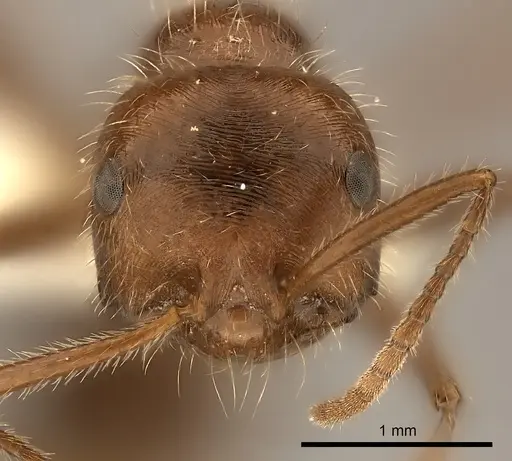
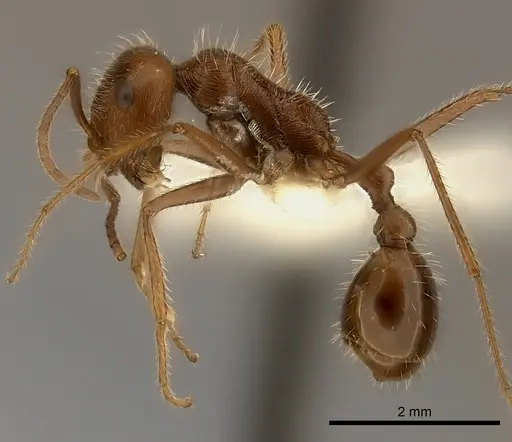
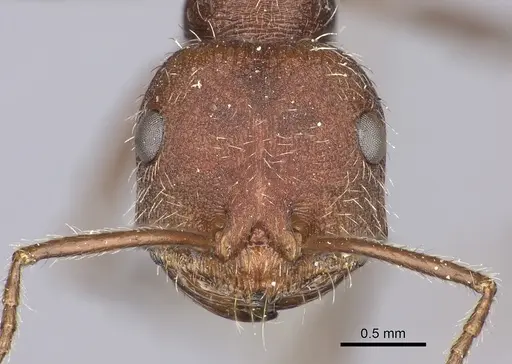
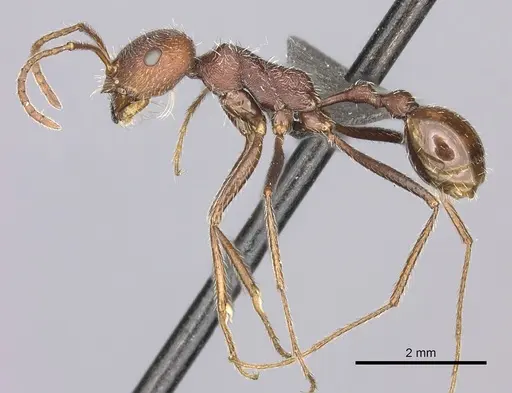
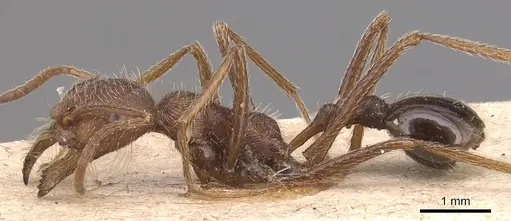
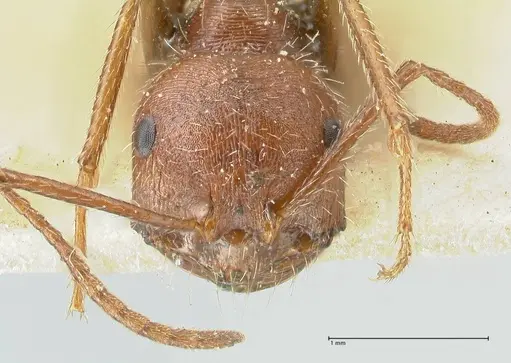
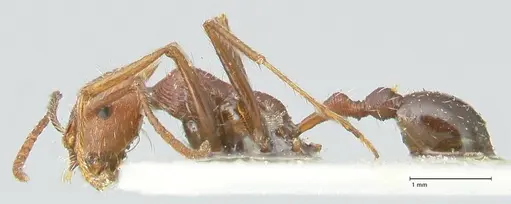
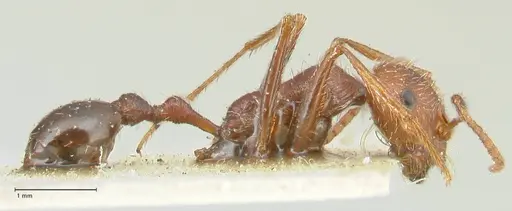
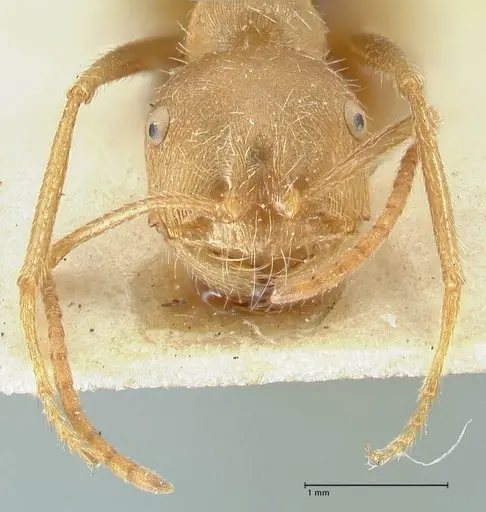
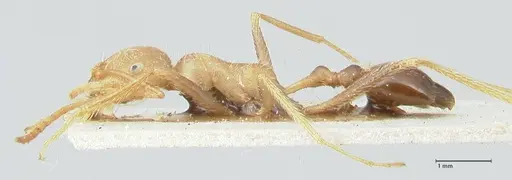
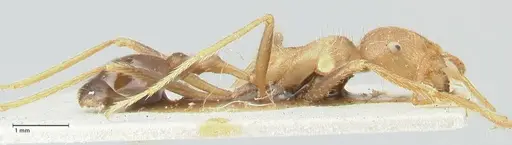
Ocymyrmex barbiger is a medium-sized Myrmicinae ant native to the arid regions of southern Africa, including Botswana, Namibia, and South Africa. Workers measure 6.7-7.2mm in length with an orange to reddish-brown head and alitrunk, and a darker brown to blackish gaster. This species is one of three in the genus where the first gastral tergite lacks the narrow neck constriction typical of most Ocymyrmex species. The genus as a whole is known for thermophilic desert ants that are active during the hottest parts of the day.
Quick Summary
- Difficulty: Medium
- Origin & Habitat: Native to the Afrotropical region, Botswana, Namibia, and South Africa. Inhabits arid to semi-arid environments including the Namib Desert and fynbos ecosystems. Prefers bare ground and is commonly found in road verges and disturbed areas [1].
- Colony Type: Colony structure is unconfirmed. The genus Ocymyrmex is known to have single-queen colonies in general, but specific colony structure for O. barbiger has not been documented.
- Size & Growth:
- Queen: Not described in available literature, estimated 8-10mm based on genus patterns
- Worker: 6.7-7.2mm
- Colony: Unknown, no colony size data available
- Growth: Unknown, no development data available
- Development: Unknown, no direct development data. Based on typical Myrmicinae patterns in warm climates, estimate 6-10 weeks at optimal temperature. (Development timeline has not been directly studied. Related desert ants in similar climates typically develop faster due to high temperatures.)
- Antkeeping:
- Temperature: This is a critical species requirement. Ocymyrmex barbiger is a thermophilic desert ant that forages at extremely high temperatures, active at midday when ground temperatures are highest. Workers can tolerate body temperatures from 27.2°C up to 61.6°C [2]. Keep nest area at 26-32°C with a thermal gradient reaching 35-40°C in a warm zone. They actively avoid cooler temperatures.
- Humidity: Low to moderate. As a desert species, they prefer drier conditions. Keep nest substrate moderately dry with occasional moisture zones. Avoid high humidity, aim for 40-60% ambient humidity. Provide a small water source but do not keep the nest constantly wet.
- Diapause: Likely minimal or none. As a desert species from southern Africa, they may have reduced activity during cooler months rather than true hibernation. Keep at reduced temperatures (15-20°C) for 2-3 months in winter if colony shows reduced activity.
- Nesting: In nature, they nest in bare ground and soil. For captivity, use a dry, warm setup. Y-tong (AAC) nests or plaster nests work well, avoid overly humid setups. Provide a temperature gradient across the nest with one side heated. They prefer compact chambers over expansive spaces.
- Behavior: Ocymyrmex barbiger is a solitary forager, workers search for food alone rather than in groups [3]. They are thermophilic, meaning they become active during the hottest part of the day (midday) when ground temperatures peak, and they retreat during cooler periods. This species is predatory and scavenges on dead insects [3]. They are classified as omnivores but primarily consume protein from dead insects [2]. Workers are non-territorial and may overlap foraging ranges. Escape risk is moderate, workers are medium-sized (6-7mm) but fast-moving. Use standard escape prevention.
- Common Issues: temperature management is critical, they will be sluggish or inactive if kept too cool, overheating risk in captivity, while they tolerate high temperatures, nesting material can become dangerously hot under heating elements, low humidity is essential, overly damp conditions can kill colonies, slow colony growth due to lack of documented development data means keepers must experiment with conditions, solitary foraging means you may not see dramatic food discovery, workers find food individually
Temperature Requirements - The Critical Factor
Ocymyrmex barbiger is one of the most temperature-dependent ants you can keep. This species is thermophilic, meaning it thrives in extreme heat. In the wild, they forage during midday when ground temperatures are at their peak, this is when other ant species are least active, giving them access to prey that have died from heat stress [4][5]. Workers can tolerate body temperatures from 27.2°C up to an impressive 61.6°C [2]. For captive care, you must provide warm conditions. Keep the nest at 26-32°C as a baseline, with a heated zone reaching 35-40°C. Use a heating cable or mat on one side of the nest to create this gradient. Without adequate heat, workers will become sluggish and may stop foraging entirely. This is not a species for keepers who keep their ant room cool.
Feeding and Diet
Ocymyrmex barbiger is primarily a predator and scavenger. In the wild, they collect dead insects, particularly those that have died from the extreme heat of their desert habitat [3]. This gives them access to prey that competitors cannot access. They are classified as omnivores but protein from insects makes up the majority of their diet [2]. For captive care, offer small dead insects (fruit flies, small crickets, mealworms) as their primary food. They will readily scavenge dead prey. Sugar water or honey can be offered occasionally but is not a primary dietary need, focus on protein. Feed every 2-3 days, removing uneaten prey after 24 hours. Fresh water should always be available.
Foraging Behavior
Unlike many ant species that use recruitment and chemical trails, O. barbiger is a solitary forager [3]. Workers search for food alone, without leading nestmates to discoveries. This means you won't see the dramatic swarms that occur with species like fire ants. Instead, individual workers venture out to find prey. They are most active during the hottest part of the day, midday, when ground temperatures peak [6][5]. This is a deliberate strategy to avoid competition with other ant species that forage during cooler periods. In captivity, you may notice increased activity under heat lamps or in warm areas of the nest. Respect this natural rhythm, don't try to force activity during cooler periods.
Nesting and Habitat Setup
In the wild, Ocymyrmex barbiger nests in bare ground, often in disturbed areas like road verges [1]. They prefer open, sunny locations with minimal vegetation cover. For captivity, replicate these dry, warm conditions. Y-tong (AAC) nests or plaster nests work well because they can be heated effectively and maintain lower humidity. Avoid naturalistic setups with soil that hold too much moisture. Provide a temperature gradient across the nest, one side heated, one side cooler so ants can regulate their temperature. The nest chambers should be relatively compact, not expansive. Place the nest in a warm room or use a heating cable on low setting.
Seasonal Care and Winter Rest
As a desert species from southern Africa, Ocymyrmex barbiger does not require true hibernation. However, they may reduce activity during cooler months. In captivity, if you notice workers becoming less active or clustering in cooler areas of the nest, you can reduce temperatures to 15-20°C for 2-3 months during winter. This mimics their natural seasonal slowdown. Do not cool them dramatically, they are not cold-hardy. If your room temperature stays above 20°C year-round, no winter rest is necessary. The key is to never let them get cold, temperatures below 20°C will cause problems.
Common Keeping Challenges
The biggest challenge with Ocymyrmex barbiger is providing adequate heat without overheating. While they tolerate high temperatures, a heating cable directly on acrylic can melt or warp the nest. Always place heating elements on top of the nest, never underneath, and use a thermostat controller if possible. The second challenge is humidity, these are desert ants that prefer dry conditions. Overly damp test tubes or naturalistic setups will kill them. Keep the nest dry and only provide moisture through a dedicated water source. Finally, be patient with growth, since we don't have development data for this species, colony growth may be slow. Don't overfeed in an attempt to speed things up.
Frequently Asked Questions
What temperature do Ocymyrmex barbiger ants need?
They need warm conditions, keep nest at 26-32°C with a heated zone reaching 35-40°C. This is a thermophilic species that forages in extreme heat in the wild. Without adequate warmth, they will become inactive.
How often should I feed Ocymyrmex barbiger?
Feed every 2-3 days with small dead insects (fruit flies, small crickets, mealworms). Remove uneaten prey after 24 hours. They are primarily predatory/scavenging and focus on protein rather than sugar.
Are Ocymyrmex barbiger good for beginners?
No, this is not a beginner species. They have very specific temperature requirements (need constant heat), require dry conditions, and there is limited information about their captive care. They are best suited for experienced antkeepers who can maintain warm, stable conditions.
Do Ocymyrmex barbiger ants sting?
Ocymyrmex species have stingers, but their sting is not considered medically significant to humans. Given their small size and the fact that they are not aggressive, sting risk is minimal.
What do Ocymyrmex barbiger eat in captivity?
Primary food should be small dead insects, fruit flies, pinhead crickets, small mealworms, or other tiny arthropods. They are solitary foragers that scavenge and hunt individually. Sugar water can be offered occasionally but is not required.
How long does it take for Ocymyrmex barbiger to develop from egg to worker?
The exact development timeline is unknown, this species has not been studied in captivity. Based on typical Myrmicinae patterns in warm climates, estimate 6-10 weeks at optimal temperature. Be patient as colony growth may be slow.
Can I keep multiple Ocymyrmex barbiger queens together?
Not recommended. There is no data on colony founding for this species. Based on genus patterns, they likely have single-queen colonies. Combining unrelated queens has not been documented and risks fighting.
Do Ocymyrmex barbiger need hibernation?
No true hibernation is required. As a desert species from southern Africa, they may reduce activity in cooler months but do not need cold treatment. If colony activity decreases in winter, you can reduce temperatures to 15-20°C for 2-3 months.
Why is my Ocymyrmex barbiger colony inactive?
The most likely cause is temperature, they are too cold. These ants require warmth to be active. Check that your nest has a warm zone at 35-40°C. If the entire nest is at room temperature (20°C or below), they will be sluggish or inactive.
What type of nest is best for Ocymyrmex barbiger?
Use a dry, heatable setup like a Y-tong (AAC) nest or plaster nest. Avoid naturalistic soil setups that hold moisture. Provide a temperature gradient across the nest with one heated side. Keep humidity low, these are desert ants.
References

This caresheet is licensed under CC BY-SA 4.0 .
CASENT0217895
View on AntWeb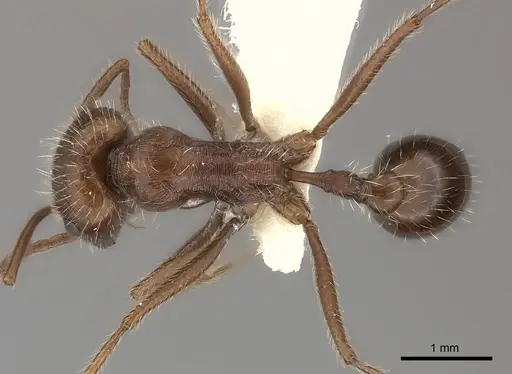
CASENT0235946
View on AntWeb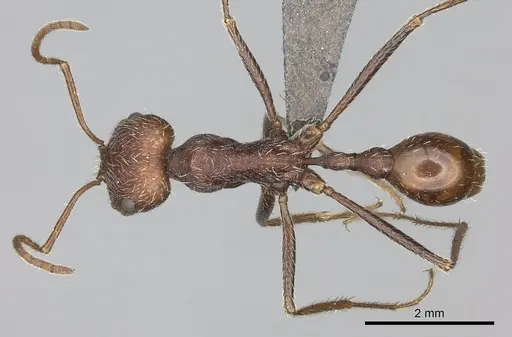
CASENT0904784
View on AntWeb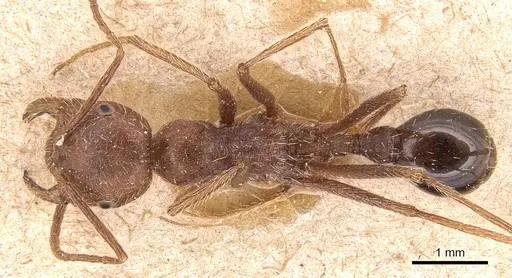
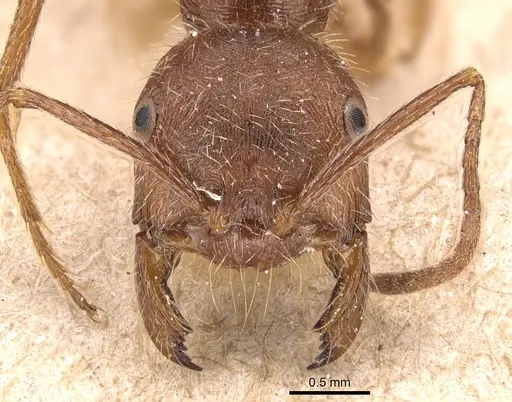
FOCOL2183
View on AntWeb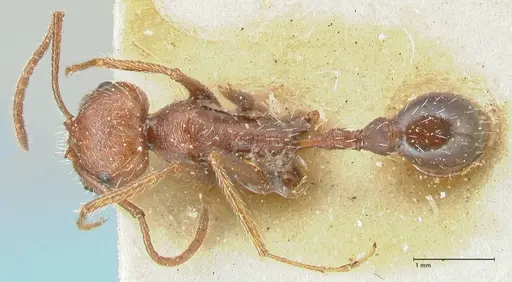
FOCOL2184
View on AntWeb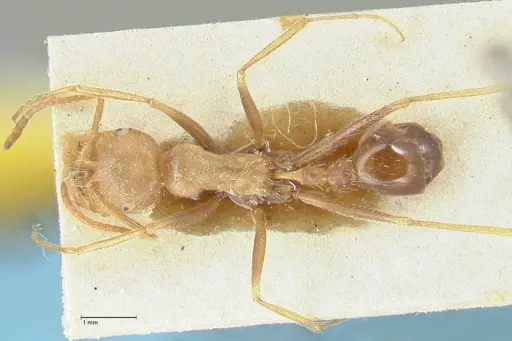
Literature
Loading...Loading products...