

Octostruma triquetrilabrum
- Scientific Name
- Octostruma triquetrilabrum
- Tribe
- Attini
- Subfamily
- Myrmicinae
- Author
- Longino, 2013
- Distribution
- Found in 2 countries
Octostruma triquetrilabrum Overview
Octostruma triquetrilabrum is an ant species of the genus Octostruma. It is primarily documented in 2 countries , including Costa Rica, Panama. Detailed taxonomic data and occurrence records can be further explored via authoritative databases such as AntWeb or the Global Biodiversity Information Facility (GBIF).
Octostruma triquetrilabrum
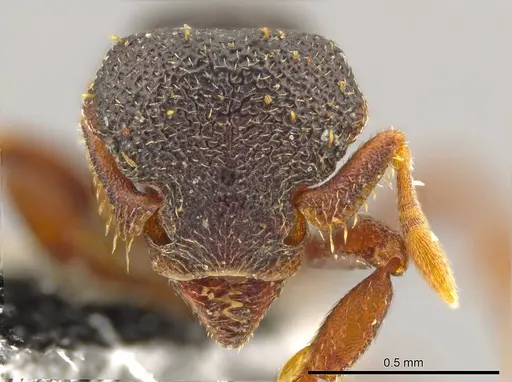
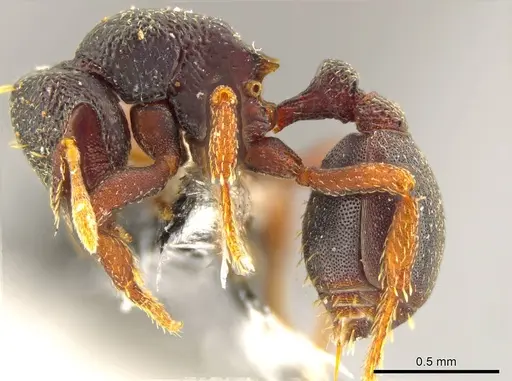
Octostruma triquetrilabrum is an extremely small leaf litter ant native to the cloud forests of Costa Rica and western Panama. Workers measure just 0.74-0.80mm in head width, making them among the smallest ants you could keep. The species was only described in 2013,so there's very limited information about their biology in the wild. They belong to the tribe Attini (fungus-growing ants), though Octostruma species are considered 'primitive' attines and their exact dietary habits are unclear. The name triquetrilabrum refers to their triangular labrum (upper lip) that is not split at the tip. These ants live in very wet, old-growth montane forests between 800-1150m elevation, where they forager in the leaf litter layer [1][2].
Quick Summary
- Difficulty: Hard
- Origin & Habitat: Cloud forests of Costa Rica and western Panama at 800-1150m elevation. They inhabit very wet old-growth montane forest on the Atlantic slope and seasonal moist forest just below cloud forest on the Pacific slope. All specimens have been collected by sifting leaf litter, meaning they live in the forest floor decomposition layer [1][3].
- Colony Type: Unknown, only worker caste has been described. Colony structure (single queen vs multiple queens) has not been documented. Founding behavior is unconfirmed.
- Size & Growth:
- Queen: Unknown, only workers have been described [1]
- Worker: 0.74-0.80mm head width,0.68-0.72mm head length,0.84-0.88mm Weber's length [1]
- Colony: Unknown, only a few specimens have ever been collected [1]
- Growth: Unknown
- Development: Unknown, no development data exists for this species. Based on similar tiny leaf litter ants, expect 4-8 weeks at optimal temperature. (No direct observations of colony development exist. This is one of the least-studied ant species in the hobby.)
- Antkeeping:
- Temperature: Keep around 20-24°C. These are cloud forest ants from moderate elevations, so they prefer stable, cool-to-warm temperatures. Avoid overheating, they come from environments where temperatures rarely get extreme [1].
- Humidity: Very high humidity required. They come from very wet montane forests where humidity is constantly high. Keep the nest substrate consistently moist but not waterlogged. Provide a water dish in the outworld.
- Diapause: Unknown, no data on overwintering behavior. Cloud forests at their elevation don't experience harsh winters, so they may have minimal dormancy requirements. Monitor colony activity patterns.
- Nesting: Naturalistic setup works best. Since they're leaf litter ants collected from sifted litter, they do well in setups that mimic forest floor conditions. A thin layer of moist soil/leaf litter in a shallow container, or a small acrylic/plaster nest with high humidity. They need tight, humid chambers scaled to their tiny size.
- Behavior: Extremely cryptic and reclusive. These are among the smallest ants in the hobby, and they're very shy. Workers forager slowly through leaf litter and are rarely seen on the surface. They are not aggressive and have no visible defense mechanisms. Escape prevention is critical due to their tiny size, they can squeeze through gaps that larger ants cannot. Expect minimal activity and slow colony growth.
- Common Issues: tiny size makes escape likely without fine mesh barriers, no colony development data makes proper care challenging, high humidity needs can lead to mold if ventilation is poor, very limited information means much is educated guesswork, slow growth tests keeper patience and may lead to overfeeding
Housing and Setup
Because Octostruma triquetrilabrum is a tiny leaf litter ant, you'll want to create a setup that mimics their natural forest floor habitat. A naturalistic approach works best, use a shallow container with several centimeters of moist substrate (a mix of soil, sand, and decomposed leaf litter). Keep the substrate consistently moist but not waterlogged. Since they're so small, even standard test tube setups may be too large and dry for them. If using an acrylic nest, choose one with small, tight chambers and provide a water reservoir. Cover part of the nest with a damp cloth or moss to maintain humidity. Escape prevention is critical, use fine mesh (at least 0.5mm or smaller) on any openings because these ants can squeeze through incredibly small gaps [1].
Feeding and Diet
The tribe Attini includes fungus-growing ants, but Octostruma species are considered 'primitive' attines and their exact dietary habits are unclear. Based on related Octostruma species, they likely supplement fungus consumption with small live prey. Offer tiny live prey like springtails, fruit flies, and other micro-arthropods. You can also offer tiny amounts of protein paste or crushed insects. Sugar sources are not typically accepted by these tiny ants, but you can occasionally offer a tiny drop of diluted honey or sugar water, though acceptance is uncertain. Feed small amounts of protein 2-3 times per week and remove any uneaten prey within 24 hours to prevent mold.
Temperature and Humidity
These cloud forest ants prefer stable, moderate temperatures around 20-24°C. They come from environments where temperatures are cool and stable year-round, so avoid placing their setup near heat sources or in direct sunlight. High humidity is essential, their natural habitat is described as 'very wet' old-growth forest. Keep the nest substrate consistently moist, and consider using a shallow water dish in the outworld to help maintain humidity through evaporation. Good ventilation is also important to prevent mold, but avoid placing them in areas with strong air currents or dry air. [1]
Colony Establishment
Since only workers have ever been collected and no queens have been described, establishing a colony of Octostruma triquetrilabrum in captivity is extremely challenging. If you obtain wild-caught workers, expect a colony size of only a handful of individuals at most. There is no documented information about queen founding, colony growth rates, or how quickly they produce new workers. Be prepared for very slow development and minimal visible activity. These ants are not for beginners, the lack of basic biological information makes proper care very difficult. [1]
Frequently Asked Questions
How big do Octostruma triquetrilabrum colonies get?
Unknown, only a few individual workers have ever been collected in the wild. Based on related species, colonies likely remain small, possibly under 100 workers. This species was only described in 2013 and remains one of the least-studied ants in the hobby [1].
What do Octostruma triquetrilabrum ants eat?
Based on related Octostruma species, they likely eat a combination of tiny live prey (springtails, fruit flies, micro-arthropods) and may supplement with fungus. Offer small live prey and occasionally tiny amounts of protein paste. Sugar acceptance is uncertain.
Can I keep Octostruma triquetrilabrum in a test tube?
Test tubes may be too large and dry for these tiny ants. A naturalistic setup with moist leaf litter substrate or a small acrylic nest with tight chambers works better. The key is maintaining very high humidity while preventing escapes.
What temperature do they need?
Keep them around 20-24°C. These are cloud forest ants from moderate elevations in Costa Rica and Panama, so they prefer cool-to-warm stable temperatures. Avoid overheating [1].
How long does it take for eggs to become workers?
Unknown, no development data exists for this species. Based on similar tiny leaf litter ants, expect 4-8 weeks at optimal temperature, but this is purely an estimate.
Are Octostruma triquetrilabrum good for beginners?
No, this is an expert-level species. They were only described in 2013,and almost no biological information exists. Their tiny size makes housing difficult, and proper care requirements are largely educated guesses. There are many better species for beginners.
Where is Octostruma triquetrilabrum found?
Only in cloud forests of Costa Rica (Monteverde area) and western Panama at 800-1150m elevation. All specimens have been collected by sifting leaf litter in very wet old-growth forests [1][3].
Do they need hibernation?
Unknown, no data exists on their overwintering behavior. Cloud forests at their elevation don't experience harsh winters, so they may not need a true diapause. Monitor your colony for seasonal activity changes.
Why are my Octostruma triquetrilabrum dying?
Without basic biological data, diagnosing problems is extremely difficult. Common issues likely include: escape through tiny gaps, drying out from low humidity, mold from poor ventilation, or starvation due to not offering appropriate tiny prey. These ants are incredibly fragile and require precise conditions.
References

This caresheet is licensed under CC BY-SA 4.0 .
JTLC000004551
View on AntWeb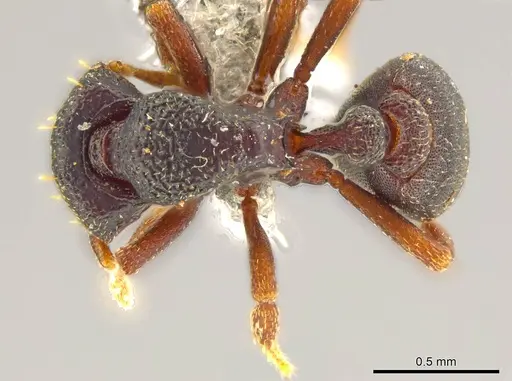
Literature
Loading...Loading products...