

Octostruma triangulabrum
- Scientific Name
- Octostruma triangulabrum
- Tribe
- Attini
- Subfamily
- Myrmicinae
- Author
- Longino, 2013
- Distribution
- Found in 1 countries
Octostruma triangulabrum Overview
Octostruma triangulabrum is an ant species of the genus Octostruma. It is primarily documented in 1 countries , including Mexico. Detailed taxonomic data and occurrence records can be further explored via authoritative databases such as AntWeb or the Global Biodiversity Information Facility (GBIF).
Octostruma triangulabrum
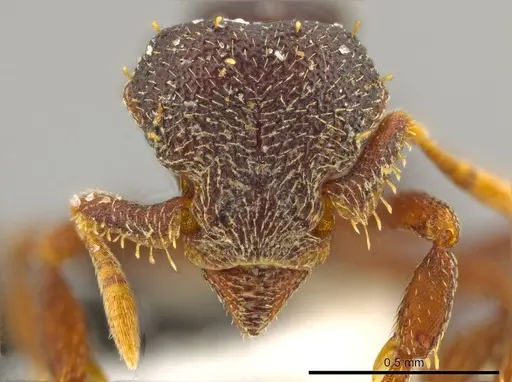
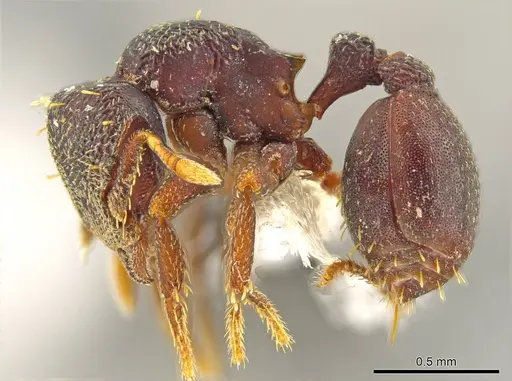
Octostruma triangulabrum is a tiny, cryptic ant species native to the montane forests of the Chiapas highlands in southern Mexico. Workers measure just 0.73-0.78mm in head width, making them one of the smaller ant species you'll encounter in the hobby [1]. They have a distinctive dark red-brown coloration and bear 8-12 spatulate (spoon-shaped) setae on their face, plus a unique pair of erect setae on the mesonotum that distinguishes them from related species [1]. This species is part of the Attini tribe, which includes fungus-farming ants, though Octostruma are specialized predators rather than fungus growers. They live entirely in sifted leaf litter and have never been observed above ground, they're collected exclusively through Winkler and Berlese extraction methods from forest floor samples [1]. The species was only described in 2013,making it one of the newer additions to the antkeeping hobby.
Quick Summary
- Difficulty: Expert
- Origin & Habitat: Montane wet forests of central Chiapas highlands, Mexico, at elevations of 900-2750m. They inhabit mesophyll cloud forest and wet pine-oak forests [1].
- Colony Type: Unknown, only worker caste has been described. Colony structure has not been documented.
- Size & Growth:
- Queen: Unknown, queen has not been described [1]
- Worker: 0.73-0.78mm HW,0.68-0.73mm HL,0.82-0.89mm WL [1]
- Colony: Unknown, only known from scattered worker specimens
- Growth: Unknown, estimated Slow based on tiny worker size and montane forest origin
- Development: Unknown, estimated 8-12 weeks based on related Attini patterns at cool temperatures (No direct data exists. Development is likely slow given their montane cloud forest origin and tiny size.)
- Antkeeping:
- Temperature: Cool conditions recommended, aim for 18-22°C. As a montane species from 900-2750m elevation, they likely prefer temperatures cooler than typical room temperature [1].
- Humidity: High humidity required, these are leaf litter ants from cloud forest habitats. Keep substrate consistently moist but not waterlogged. Think damp forest floor conditions.
- Diapause: Likely yes, montane species from temperate latitudes typically require a winter rest period. However, specific diapause requirements are unconfirmed.
- Nesting: Naturalistic setup with fine substrate (like soil/leaf litter mix) works best. Their tiny size and leaf-litter lifestyle means they do best in terrariums or small formicaria with plenty of floor space. Test tubes can work for founding colonies but may be too simple for established colonies.
- Behavior: Extremely cryptic and rarely seen. Workers forage exclusively in leaf litter and soil, they will not venture into open spaces. They are likely predatory on tiny arthropods like springtails and mites, consistent with other Octostruma species. Escape prevention is critical due to their minute size. Temperament is unknown but likely non-aggressive given their cryptic lifestyle. They will likely form small colonies given their rarity in samples (only up to 13% of litter samples).
- Common Issues: tiny size means escapes are likely without fine mesh barriers, these ants can squeeze through standard test tube plugs, no information on queen or founding behavior makes captive breeding extremely challenging, high humidity requirements create mold risk if ventilation is poor, cold-sensitive, temperatures below 15°C or above 25°C may be harmful, wild-caught colonies may be nearly impossible to obtain since they require specialized litter sampling
Natural History and Distribution
Octostruma triangulabrum is endemic to the central Chiapas highlands of southern Mexico, where it inhabits montane wet forests at elevations between 900 and 2750 meters [1]. This species occupies two distinct habitat types: mesophyll cloud forest and wet pine-oak forest. They are strictly leaf-litter dwelling ants, found only in sifted leaf litter samples processed through Winkler or Berlese extractors, they have never been observed in any other context [1]. The species can be locally abundant, comprising up to 13% of ant individuals in quantitative 1m² litter samples, though this varies significantly by site. They are sharply parapatric with the related species Octostruma wheeleri, meaning their ranges abut but do not overlap. The species was described in 2013 by John T. Longino and remains one of the least-studied Attini ants in captivity [1][2].
Housing and Enclosure Setup
Keeping Octostruma triangulabrum requires a setup that mimics their natural leaf-litter environment. A small naturalistic terrarium or formicarium with a deep layer of moist substrate works best. Use a mixture of soil, sand, and decomposed leaf litter to create a substrate that holds moisture while allowing for tunneling. The chamber should have excellent humidity retention, these ants are adapted to the constantly damp conditions of cloud forest floor litter. Because they are tiny and cryptic, they do not need large spaces, but they do need floor area to forage. Test tubes can work for founding colonies if the cotton is kept moist, but established colonies will likely do better in more naturalistic setups. Escape prevention is absolutely critical, these ants are small enough to squeeze through standard barriers. Use fine mesh on any ventilation holes and ensure all connections are tight-fitting [1].
Feeding and Diet
Octostruma triangulabrum is a member of the Attini tribe, which includes fungus-farming ants, but Octostruma specifically are specialized predators rather than fungus growers. Based on related species in the genus, they likely hunt tiny arthropods in the leaf litter layer. In captivity, you should offer small live prey appropriate to their size: springtails, tiny isopods, booklice, and micro-arthropods. They are unlikely to accept larger prey items or sugar sources. Feed small prey items every few days and remove any uneaten remains to prevent mold. Do not expect them to readily accept honey or sugar water, their diet appears to be exclusively predatory. The tiny worker size (under 1mm) means even small fruit flies may be too large [1].
Temperature and Seasonal Care
As a montane species from elevations up to 2750m, Octostruma triangulabrum likely prefers cool, stable temperatures. Aim for 18-22°C in the nest area, avoiding both cold (below 15°C) and heat (above 25°C). Room temperature in most homes may actually be too warm for this species, you may need to keep them in a cool basement or use a small cooler setup during summer months. The Chiapas highlands experience seasonal temperature variation, so they likely benefit from a slight winter cooling period, though the exact requirements are unknown. Monitor colony behavior, if workers become sluggish or cluster tightly, the temperature may be too low, if they avoid the nest area, it may be too warm. Humidity should remain consistently high year-round, as cloud forest conditions are humid regardless of season [1].
Challenges and Limitations
Octostruma triangulabrum is one of the most challenging ant species to keep for several reasons. First, they are extremely difficult to obtain, they cannot be collected by searching trees or ground nests, requiring specialized sifting of leaf litter followed by Winkler or Berlese extraction. Second, no information exists on their queen or colony structure, making captive breeding essentially experimental. Third, their tiny size makes them prone to escapes and difficult to feed with appropriately-sized prey. Fourth, they require cool, humid conditions that can be difficult to maintain consistently. Finally, they are a relatively new species description (2013) with almost no captive husbandry information available. This species is best suited for experienced antkeepers who have successfully kept other cryptic leaf-litter species and are prepared for experimental husbandry [1][2].
Frequently Asked Questions
Can I keep Octostruma triangulabrum in a test tube?
Test tubes can work for founding colonies if kept moist, but established colonies will likely need a naturalistic setup with soil and leaf litter substrate. Their leaf-litter lifestyle means they need floor space to forage, which test tubes don't provide well.
How long does it take for Octostruma triangulabrum to develop from egg to worker?
This is unknown, no research has documented their development timeline. Based on related Attini patterns and their montane origin, estimate 8-12 weeks at optimal cool temperatures (around 20°C).
What do Octostruma triangulabrum eat?
They are likely predatory on tiny arthropods like springtails, micro-mites, and other leaf-litter micro-fauna. Their tiny worker size means even small fruit flies are likely too large. Do not expect them to accept sugar sources.
Are Octostruma triangulabrum good for beginners?
No, this species is rated Expert difficulty. They require specialized setups, have unknown colony structure, are nearly impossible to obtain, and need cool humid conditions that are difficult to maintain.
Do Octostruma triangulabrum need hibernation?
Likely yes, as a montane species from temperate latitudes, they probably benefit from a winter cooling period. However, specific diapause requirements have not been documented.
How big do Octostruma triangulabrum colonies get?
Unknown, only workers have been collected, and colony size has not been documented. Based on their rarity in litter samples (max 13% of samples), colonies are likely small, possibly under 100 workers.
Can I keep multiple queens together?
Unknown, the queen caste has never been described, so colony structure is completely unconfirmed. Do not attempt combining unrelated queens without documented evidence that this species can form multi-queen colonies.
Why can't I find Octostruma triangulabrum for sale?
This species is extremely difficult to collect, they live only in leaf litter and require specialized extraction methods (Winkler/Berlese). They were only described in 2013 and have no established captive population. Most specimens in collections are museum paratypes.
What temperature should I keep Octostruma triangulabrum at?
Keep them cool, aim for 18-22°C. As a montane species from 900-2750m elevation in the Chiapas highlands, they prefer temperatures cooler than typical room temperature. Avoid temperatures above 25°C.
References

This caresheet is licensed under CC BY-SA 4.0 .
CASENT0608768
View on AntWeb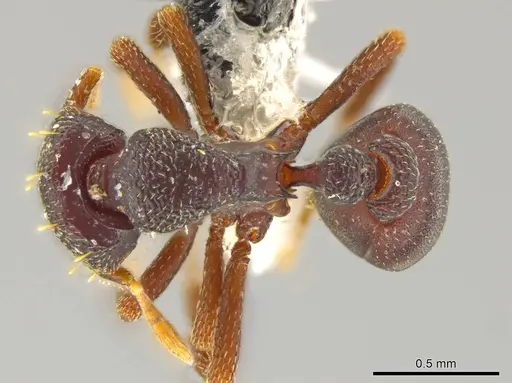
Literature
Loading...Loading products...