

Octostruma stenoscapa
- Scientific Name
- Octostruma stenoscapa
- Tribe
- Attini
- Subfamily
- Myrmicinae
- Author
- Palacio, 1997
- Distribution
- Found in 3 countries
Octostruma stenoscapa Overview
Octostruma stenoscapa is an ant species of the genus Octostruma. It is primarily documented in 3 countries , including Colombia, Ecuador, Panama. Detailed taxonomic data and occurrence records can be further explored via authoritative databases such as AntWeb or the Global Biodiversity Information Facility (GBIF).
Octostruma stenoscapa
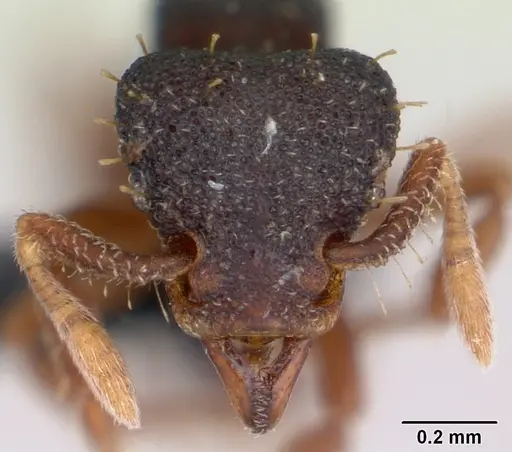
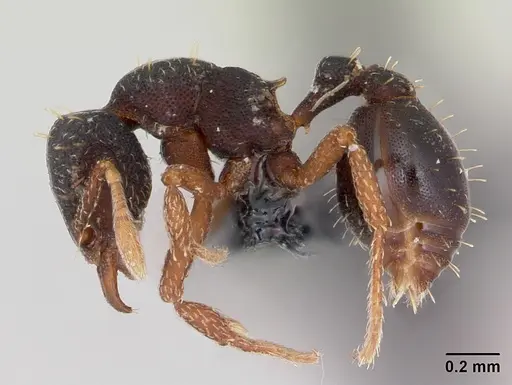
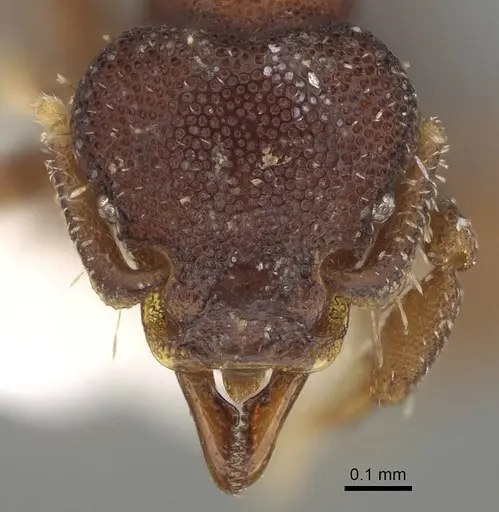
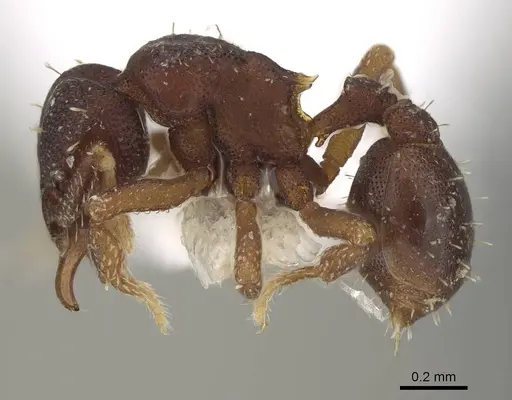
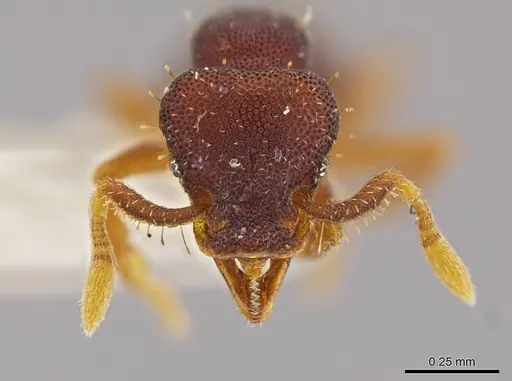
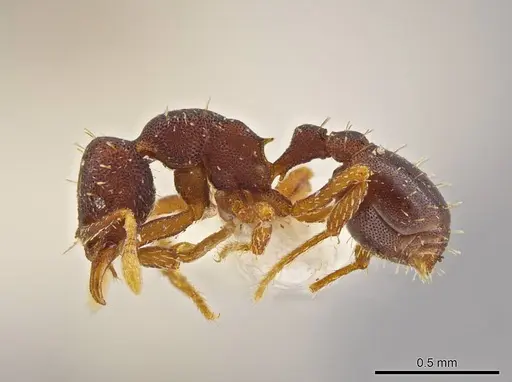
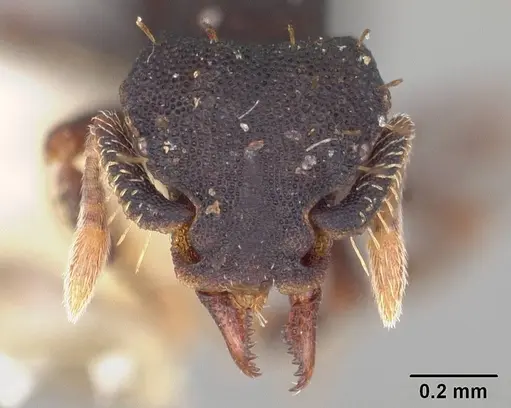
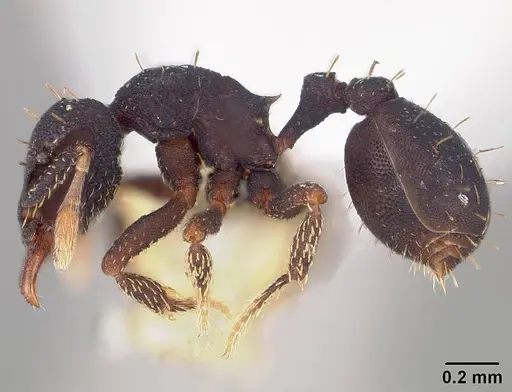
Octostruma stenoscapa is a tiny leaf-litter ant found across Central and South America, from Panama through Colombia to Ecuador. Workers measure just 0.50-0.56mm in head width, making them one of the smaller ant species you'll encounter [1]. They inhabit lowland rainforests, second growth forests, and cloud forests at elevations ranging from sea level to 1600m [1]. What makes this species immediately recognizable is its unusual mandibles, unlike other Octostruma species, they have mandibles similar to Basiceros, giving them a distinctive appearance [1]. These ants are part of the Attini tribe but are specialized predators rather than fungus growers. They live in the humid forest floor layer and are rarely collected, suggesting they are either uncommon or difficult to sample in the wild [2].
Quick Summary
- Difficulty: Hard
- Origin & Habitat: Central Panama to Ecuador, found in lowland rainforest, second growth forest, and cloud forest at elevations 0-1600m [1]. They are exclusively found in forest patches, not open areas [2].
- Colony Type: Colony structure is unconfirmed. Based on related Octostruma species, likely single-queen (monogyne) colonies.
- Size & Growth:
- Queen: Unknown, not directly measured in available literature
- Worker: 0.50-0.56mm head width,0.52-0.58mm head length,0.59-0.69mm Weber's length [1]
- Colony: Unknown, only a few individuals have been collected in studies [2]
- Growth: Unknown, likely slow given their small size and specialized lifestyle
- Development: Unknown, estimate 8-12 weeks based on similar small Myrmicinae (No direct development data available. Estimates based on related small leaf-litter ants.)
- Antkeeping:
- Temperature: Keep around 22-26°C with a gentle gradient. They come from warm, humid tropical forests so avoid temperatures below 20°C.
- Humidity: High humidity is essential, aim for 70-85%. These forest floor ants need consistently moist substrate. Use a hydration setup that maintains damp conditions without flooding.
- Diapause: No, as a tropical species, they do not require hibernation. Keep temperatures stable year-round.
- Nesting: These tiny ants do well in small test tube setups or acrylic nests with tight chambers. They prefer dark, humid spaces. A naturalistic setup with moist soil and leaf litter works well to mimic their natural forest floor habitat.
- Behavior: Octostruma stenoscapa is a shy, secretive species that forages slowly through leaf litter. They are specialized predators using their unusual mandibles to capture small prey. Workers are non-aggressive and will flee rather than fight. Escape prevention is critical, at only 0.5mm, they can squeeze through the tiniest gaps. They are rarely active in the open, preferring to stay hidden in the nest or within substrate. Their small size means they are easily lost or crushed during maintenance.
- Common Issues: escape prevention is critical, their tiny 0.5mm size means they can slip through standard barrier setups, high humidity requirements can lead to mold problems if ventilation is poor, they are rarely kept in captivity so established care protocols don't exist, slow growth and small colony sizes make them difficult to maintain, wild-caught colonies may be stressed and fail to adapt to captive conditions
Housing and Setup
Because of their extremely small size, Octostruma stenoscapa requires careful housing. Test tube setups work well, use a small test tube with a water reservoir that keeps the cotton consistently moist. The chamber should be dark, as these ants prefer dim conditions. If using an acrylic nest, choose one with small, tight chambers scaled to their tiny size. A naturalistic setup with a layer of moist forest soil and leaf litter on top of a hydration layer can mimic their natural habitat. Regardless of setup, ensure there are no gaps larger than 0.3mm, these ants will escape through openings you didn't know existed. Cover any ventilation holes with fine mesh. [1][2]
Feeding and Diet
Octostruma stenoscapa is a specialized predator. In the wild, they likely hunt small soil micro-arthropods like springtails, mites, and other tiny invertebrates. In captivity, offer live micro-prey such as springtails, tiny isopods, and fruit fly larvae. They are too small to tackle larger prey. Feed small amounts every 2-3 days, removing any uneaten prey within 24 hours to prevent mold. Sugar sources are unlikely to be accepted, these are strict predators, not sugar-seekers. Some keepers report success with very tiny drops of honey water placed directly on the foraging area, but this should be offered sparingly and removed if ignored.
Temperature and Humidity
Maintain temperatures between 22-26°C. They come from tropical forests where temperatures are warm and stable year-round. A heating cable on one side of the nest can create a gentle gradient, but avoid direct heat that could dry them out. Humidity is the most critical factor, aim for 70-85% relative humidity. The substrate should feel consistently damp but never waterlogged. A hydration system with a water reservoir connected to the nest works better than misting, which can cause sudden moisture swings. Check water levels regularly and refill before the reservoir runs dry. [1]
Colony Establishment
Establishing Octostruma stenoscapa colonies in captivity is challenging. If you obtain a founding queen, keep her in a small, dark test tube with a water reservoir. She will likely seal herself in and lay eggs, this claustral behavior is typical for Myrmicinae. The first workers (nanitics) will be very small and may take several months to develop. Do not disturb the colony during founding. Once workers emerge, growth will be slow. Do not combine unrelated queens, this species has not been studied for pleometrosis behavior and doing so would likely result in fighting. Wild-caught colonies may struggle to adapt to captive conditions, so be prepared for a long adjustment period.
Behavior and Observation
These ants are secretive and rarely seen outside the nest. Workers move slowly and carefully through leaf litter and substrate, hunting for small prey. They are not aggressive and will retreat from threats rather than defend. Observation is difficult because they spend most of their time hidden. You may see them venture out at night or when the nest is dark. Their unusual mandibles are used for grasping and holding small prey items. Because they are so small and reclusive, this species is best suited for keepers who enjoy observing subtle ant behavior rather than active, visible colonies. [1]
Frequently Asked Questions
How long does it take for Octostruma stenoscapa to produce first workers?
The exact timeline is unknown, but based on similar small Myrmicinae, expect 8-12 weeks from egg to worker at optimal temperature. Growth is slow and nanitics will be very small.
What do Octostruma stenoscapa eat?
They are specialized predators. Feed live micro-prey like springtails, tiny isopods, and fruit fly larvae. They are too small to handle larger insects. Sugar sources are unlikely to be accepted.
Are Octostruma stenoscapa good for beginners?
No. This species is considered difficult to keep due to their tiny size, high humidity requirements, specialized diet, and rarity in captivity. They are best suited for experienced antkeepers.
Do Octostruma stenoscapa need hibernation?
No. As a tropical species from Panama to Ecuador, they do not require diapause. Keep temperatures stable year-round in the 22-26°C range.
How do I prevent Octostruma stenoscapa from escaping?
Escape prevention is critical. Use fine mesh (0.3mm or smaller) on all ventilation. Check all connections and lid seals regularly. Their tiny 0.5mm size means they can slip through gaps you wouldn't notice.
Can I keep multiple Octostruma stenoscapa queens together?
Not recommended. There is no data on pleometrosis for this species, and combining unrelated queens typically results in fighting. Keep single-queen colonies.
What size colony do Octostruma stenoscapa reach?
Unknown. Based on collection records showing only a few individuals, colonies are likely small, probably under 100 workers even at maturity.
What temperature should I keep Octostruma stenoscapa at?
Keep them warm: 22-26°C. They come from tropical forests and need stable warmth. Avoid temperatures below 20°C.
When should I move Octostruma stenoscapa to a formicarium?
Wait until the colony has at least 20-30 workers and is actively foraging. For this species, many keepers prefer to keep them in test tube setups long-term since they thrive in small, humid spaces.
References

This caresheet is licensed under CC BY-SA 4.0 .
CASENT0008663
View on AntWeb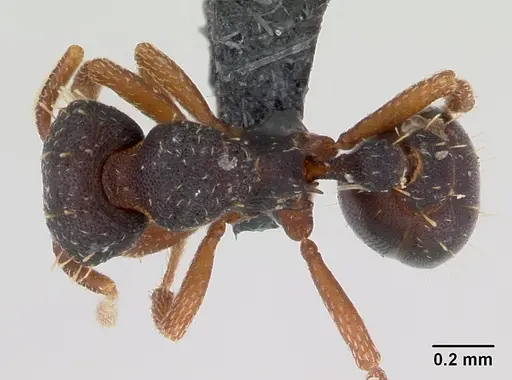
CASENT0914916
View on AntWeb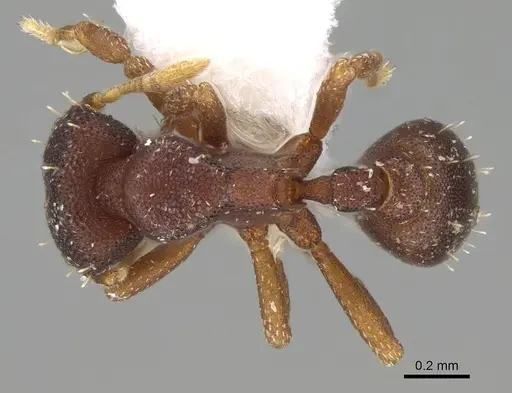
MCZ-ENT00511389
View on AntWeb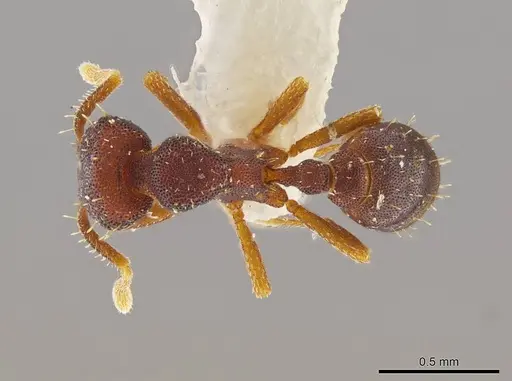
USNMENT00445337
View on AntWeb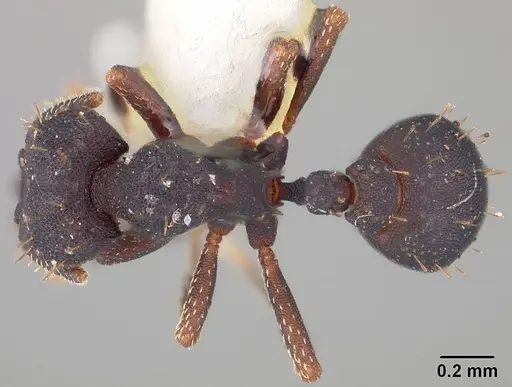
Literature
Loading...Loading products...