

Octostruma rugifera
- Scientific Name
- Octostruma rugifera
- Tribe
- Attini
- Subfamily
- Myrmicinae
- Author
- Mayr, 1887
- Distribution
- Found in 4 countries
Octostruma rugifera Overview
Octostruma rugifera is an ant species of the genus Octostruma. It is primarily documented in 4 countries , including Brazil, Colombia, Paraguay. Detailed taxonomic data and occurrence records can be further explored via authoritative databases such as AntWeb or the Global Biodiversity Information Facility (GBIF).
Octostruma rugifera
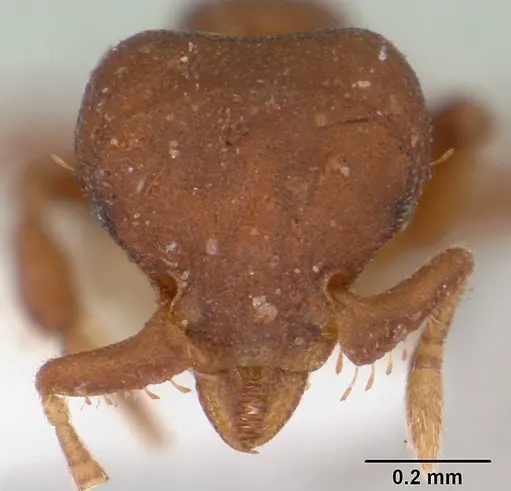
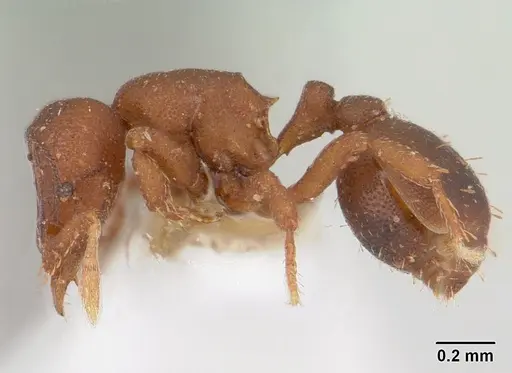
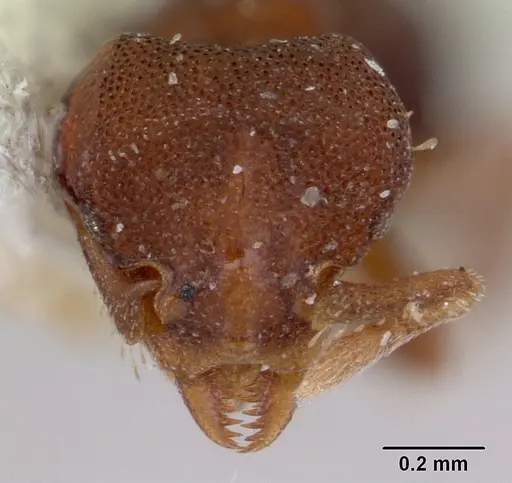
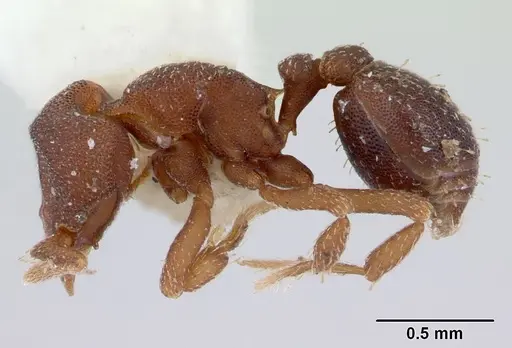
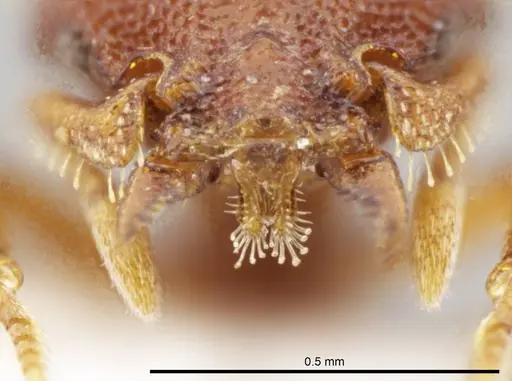
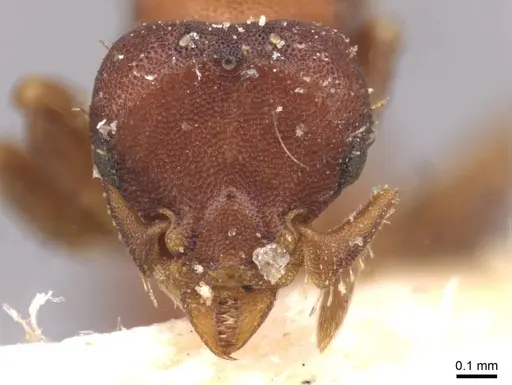
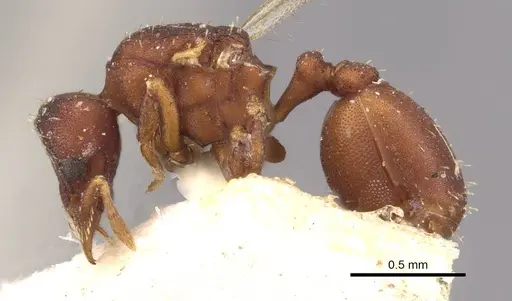
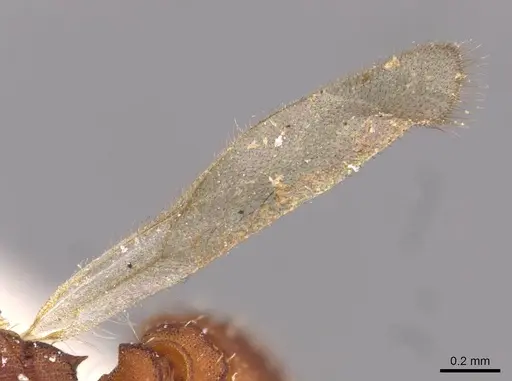
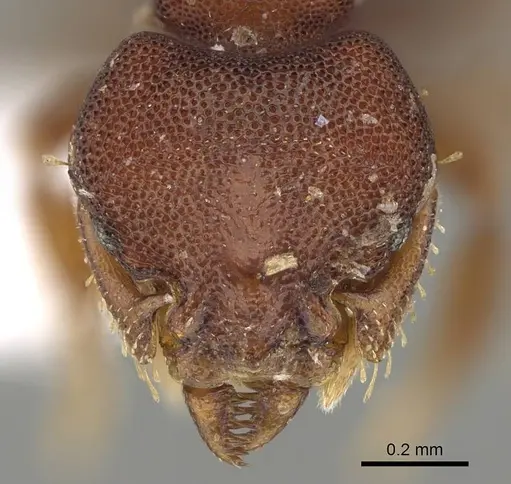
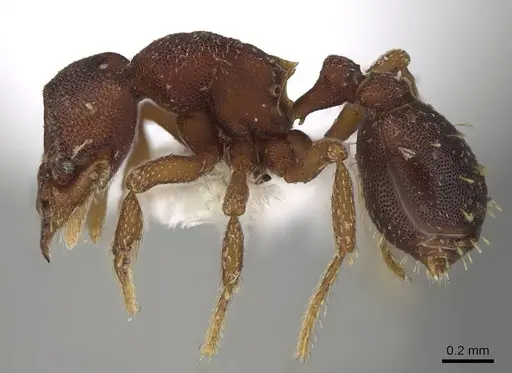
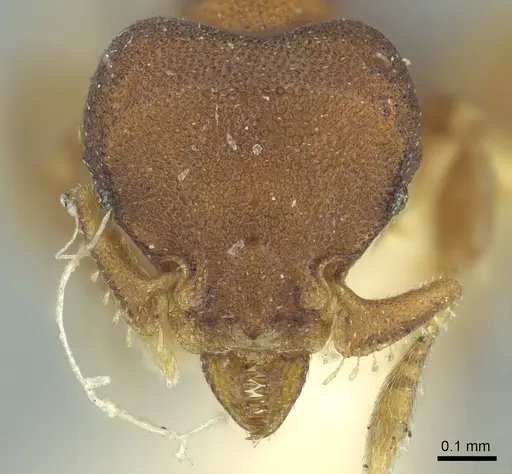
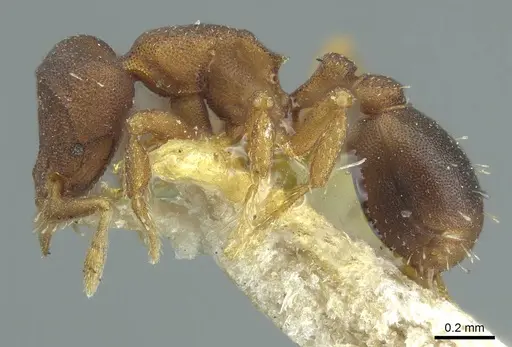
Octostruma rugifera is a tiny leaf-litter ant belonging to the tribe Basicerotini in the subfamily Myrmicinae. Workers measure just 2.0-2.5mm, making them one of the smaller ant species you'll encounter. They have a distinctive appearance with a roughly sculptured surface and a curved ridge (carina) running across the top of the head between the eyes. Queens are slightly larger at 2.9-3.1mm, and this species is notable for having both winged queens and ergatoid (wingless) queens that can serve as replacement reproductives if the primary queen dies [1].
This is a predatory specialist that hunts small prey in the leaf litter layer of tropical and subtropical forests. They are extremely habitat-specific, found almost exclusively in primary forest environments and virtually absent from secondary growth, plantations, or disturbed areas [2]. Their entire existence centers on the cool, humid microclimate beneath the forest floor's decomposing leaves.
Quick Summary
- Difficulty: Hard
- Origin & Habitat: Native to the Neotropical region: Argentina, Brazil, Colombia, Paraguay, and Venezuela. They live in the leaf litter layer of Atlantic Forest and other tropical forests, specifically in primary forest habitats [2][3]. This species is a habitat specialist that requires intact forest environments with deep, humid leaf litter.
- Colony Type: Likely monogyne (single queen) based on typical Basicerotini patterns, with documented ergatoid (wingless) replacement queens [1]. This means if the primary queen dies, a wingless daughter can take over reproduction duties.
- Colony: Monogyne
- Size & Growth:
- Queen: 2.9-3.1mm [1]
- Worker: 2.0-2.5mm [1]
- Colony: Unknown, likely small colonies based on similar leaf-litter specialists
- Growth: Unknown, likely slow to moderate
- Development: Unknown, estimated 6-10 weeks based on related Basicerotini species at tropical temperatures (No direct development data exists for this species. Related leaf-litter ants in the tribe typically take 6-10 weeks from egg to worker at warm tropical temperatures (24-28°C). Expect slow growth given their small colony sizes.)
- Antkeeping:
- Temperature: Keep at 24-28°C. This is a tropical forest species that thrives in warm, stable conditions. Room temperature (around 22-25°C) works well, but avoid temperatures below 20°C or above 30°C. A gentle heat gradient allows them to regulate their temperature [4][3].
- Humidity: Very high humidity is essential, think perpetually damp forest floor. Keep the nest substrate consistently moist but not waterlogged. The leaf litter layer they naturally inhabit stays constantly humid. Use a moisture-retaining setup like a naturalistic terrarium with deep substrate, and mist regularly to maintain damp conditions [4][3].
- Diapause: Unlikely, as a tropical species, they probably do not enter true diapause. However, they may reduce activity during cooler or drier periods. Keep conditions stable year-round.
- Nesting: This is a leaf-litter specialist that nests in the top few centimeters of soil and decaying leaf matter. In captivity, a naturalistic setup with a deep layer of moist substrate (soil mixed with leaf litter fragments) works best. They need tight, humid chambers, test tubes can work if kept very humid, but a naturalistic terrarium with damp soil and leaf litter more closely mimics their natural environment [4][3].
- Behavior: These ants are cryptic, spending most of their time hidden in the leaf litter layer. They are active hunters, using their small size to pursue tiny prey like springtails, mites, and other micro-arthropods found in decaying organic matter. Workers forage individually rather than in large groups. They are not aggressive and rarely venture into open spaces. Escape prevention is critical, at 2-2.5mm, they can slip through surprisingly small gaps. They are not known to sting and their small size makes them harmless to humans.
- Common Issues: tiny size makes escape likely, use fine mesh and tight-fitting lids, primary forest specialist does poorly in modified habitats, avoid pine plantations or eucalyptus areas, requires very high humidity, drying out kills colonies quickly, slow growth tests patience, don't overfeed or disturb founding colonies, virtually no biological data exists, expect a learning curve with this species
Natural History and Distribution
Octostruma rugifera is a leaf-litter ant found across the Neotropics, with confirmed records in Argentina, Brazil, Colombia, Paraguay, and Venezuela [1]. This species shows extremely strong habitat preferences, it is almost exclusively found in primary forest environments and is virtually absent from secondary growth, agricultural areas, or plantations [2]. Studies in Brazil show they occur in primary Atlantic Forest but disappear from regeneration areas and eucalyptus plantations [5][3].
They belong to the tribe Basicerotini, a group of small, cryptic ants specialized for life in the forest floor's leaf litter layer. The tribe includes several genera of tiny predatory ants that hunt small invertebrates in the humid microclimate beneath decomposing leaves. Within Octostruma, this species is distinguished by a curved ridge (carina) across the head and relatively sparse erect hairs [1].
The species has both winged queens and ergatoid (wingless) queens. Ergatoid queens are born without wings and can serve as replacement reproductives if the primary queen dies, a useful adaptation for small colonies that might lose their queen [1].
Housing and Nest Setup
Housing Octostruma rugifera successfully requires recreating the cool, humid conditions of a forest floor. A naturalistic setup works best, a shallow terrarium (like a fish tank or plastic container) filled with 5-10cm of moist substrate (a mix of soil, sand, and decaying leaf fragments). Keep the substrate consistently damp but not waterlogged, it should feel like a wrung-out sponge.
The key is maintaining high humidity at all times. These ants desiccate quickly in dry conditions. Cover the setup to retain moisture, but provide some ventilation to prevent mold. Adding a layer of leaf litter on top helps maintain humidity and gives the ants natural hiding spots.
Test tubes can work for colonies if you keep them in a humid environment (like inside a larger humidified container), but the ants will be more active and healthy in a naturalistic setup where they can forage through substrate. The tiny workers need tight spaces, avoid large, open areas where they may feel exposed. [4][3]
Feeding and Diet
Octostruma rugifera is a predatory specialist that hunts small invertebrates in leaf litter. In captivity, their primary food should be small live prey. Springtails are ideal, these tiny hexapods are the right size and are readily accepted. Other suitable foods include tiny mites, fruit flies, and other small insects.
Based on related Basicerotini species, they likely accept some protein sources like crushed mealworms or small cricket pieces, but live prey should form the core of their diet. They are not known to scavenge on sugar sources, their hunting behavior suggests they are obligate predators.
Feed small amounts every few days, removing any uneaten prey after 24 hours. The small colony size means they don't need much food. A few springtails or a tiny piece of protein every 2-3 days is sufficient for a growing colony. [4][3]
Temperature and Seasonal Care
As a tropical forest species, Octostruma rugifera needs warm, stable temperatures. Keep the nest area at 24-28°C, this matches the stable, warm conditions of their native leaf-litter habitat. Room temperature (22-25°C) is acceptable, but avoid temperatures below 20°C or above 30°C.
Unlike temperate ants, they do not require hibernation or diapause. However, they may reduce activity during cooler or drier periods. Maintain consistent conditions year-round.
A heat gradient (warmer on one side, cooler on the other) allows the ants to choose their preferred temperature. Place a heating cable or mat under one end of the setup, but always with a cool area available. Monitor for overheating, the shallow substrate can dry out quickly if heated directly. [4][3]
Behavior and Colony Dynamics
Octostruma rugifera is a cryptic, solitary forager. Workers hunt alone through the leaf litter, pursuing tiny prey rather than recruiting large groups to food sources. This is typical of Basicerotini ants, they are efficient solo hunters that don't rely on mass recruitment.
Colonies are likely small, probably under 100 workers at maturity based on similar leaf-litter specialists. The presence of ergatoid (wingless) queens means colonies can recover if their primary queen dies, a wingless daughter can take over reproduction duties without the colony collapsing [1].
These ants are not aggressive and pose no threat to humans. Their small size and cryptic habits make them fascinating to observe but easy to overlook. They spend most of their time hidden in substrate, emerging to forage at night or during humid periods.
Frequently Asked Questions
How long does it take for Octostruma rugifera to produce first workers?
The exact timeline is unknown, but based on related Basicerotini species, expect 6-10 weeks from egg to worker at tropical temperatures (24-28°C). Growth is likely slow given their small colony sizes, be patient with founding colonies.
Can I keep Octostruma rugifera in a test tube?
Test tubes can work if kept inside a humidified setup (like a larger container with damp substrate), but a naturalistic terrarium with moist soil and leaf litter is better. These leaf-litter ants need tight, humid spaces to thrive.
What do Octostruma rugifera ants eat?
They are predatory specialists that hunt small invertebrates. Feed live springtails, tiny mites, or small fruit flies. They may accept small protein pieces, but live prey should form the bulk of their diet.
Are Octostruma rugifera ants dangerous?
No, they are completely harmless to humans. Workers are only 2-2.5mm and are not known to sting. Their small size and cryptic nature make them harmless pets.
Do Octostruma rugifera need hibernation?
No, they are a tropical species and do not require hibernation. Keep conditions warm and stable year-round at 24-28°C.
Why are my Octostruma rugifera dying?
The most likely causes are: drying out (they need constant humidity), temperatures too cold or too hot, or stress from disturbance. These are sensitive leaf-litter specialists, stable, humid conditions are critical.
How big do Octostruma rugifera colonies get?
Colony size is not documented, but based on similar leaf-litter specialists, they likely reach only a few dozen to perhaps 100 workers at maturity. These are not large colony ants.
Can I keep multiple Octostruma rugifera queens together?
This has not been studied. Based on typical Basicerotini behavior, they likely have single-queen colonies. Keep one queen per setup to be safe.
What makes Octostruma rugifera different from other ants?
They are extremely habitat-specific primary forest specialists that virtually disappear from any modified habitat. They are tiny predatory specialists with both winged and wingless (ergatoid) queens, and they require the humid, stable conditions of a forest floor.
Are Octostruma rugifera good for beginners?
No, this is a difficult species to keep. They require very specific conditions (high humidity, stable warmth, live prey), grow slowly, and almost nothing is known about their captive care. They are best for experienced antkeepers who can provide stable, humid naturalistic setups.
References

This caresheet is licensed under CC BY-SA 4.0 .
CASENT0178003
View on AntWeb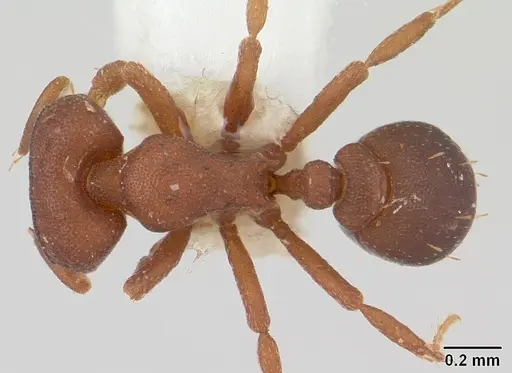
CASENT0178666
View on AntWeb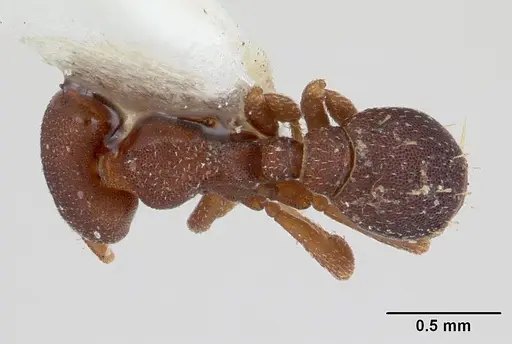
CASENT0636248
View on AntWeb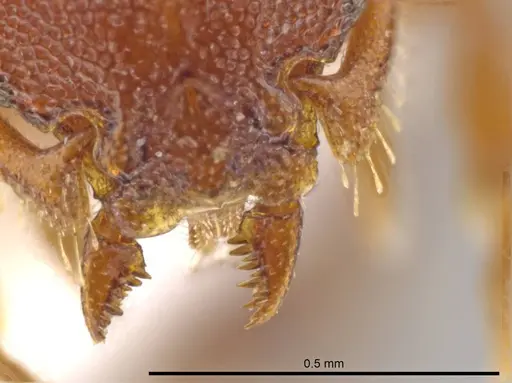
CASENT0909344
View on AntWeb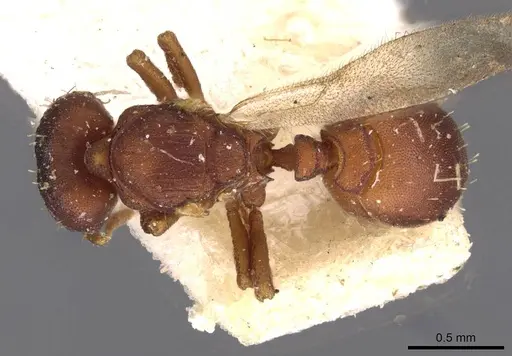
CASENT0914915
View on AntWeb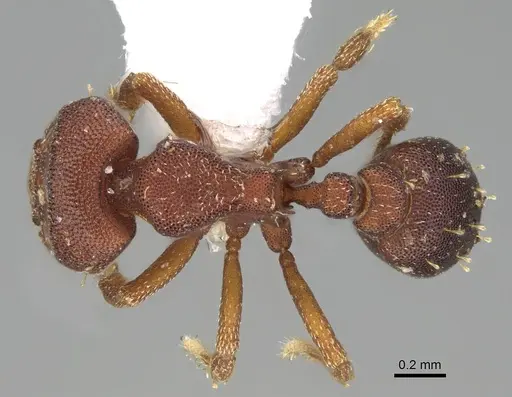
CASENT0915941
View on AntWeb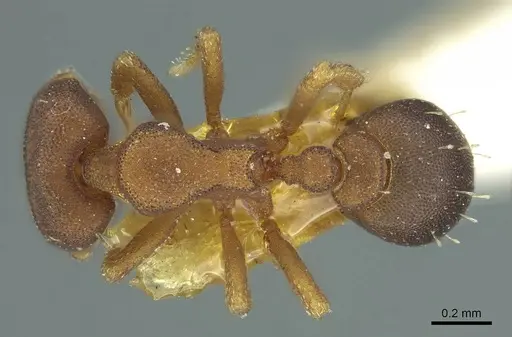
Literature
Loading...Loading products...