

Octostruma montanis
- Scientific Name
- Octostruma montanis
- Tribe
- Attini
- Subfamily
- Myrmicinae
- Author
- Longino, 2013
- Distribution
- Found in 2 countries
Octostruma montanis Overview
Octostruma montanis is an ant species of the genus Octostruma. It is primarily documented in 2 countries , including Costa Rica, Nicaragua. Detailed taxonomic data and occurrence records can be further explored via authoritative databases such as AntWeb or the Global Biodiversity Information Facility (GBIF).
Octostruma montanis
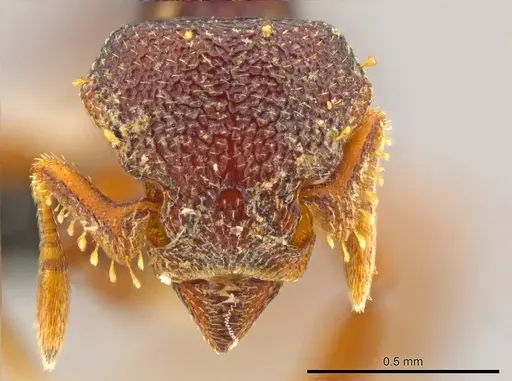
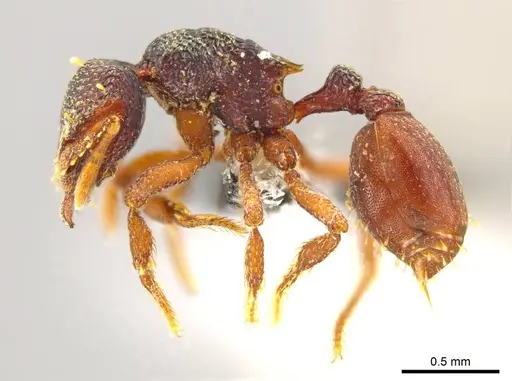
Octostruma montanis is a tiny, cryptic ant species that lives in cloud forests of Nicaragua and Costa Rica. Workers are just 0.73-0.78mm in head width, making them among the smaller ants you'll encounter. They have a distinctive appearance with 6 spatulate (spoon-shaped) setae on their face and lack these specialized hairs on the mesonotum. The species was formally described in 2013 by John Longino and is known from only two locations: Cerro Musún in Nicaragua (1100-1350m elevation) and Monteverde in Costa Rica (1500m). All specimens have been collected by sifting leaf litter and rotten wood from the forest floor, they're true litter-dwelling ants that rarely come to the surface. [1][2]
Quick Summary
- Difficulty: Expert
- Origin & Habitat: Cloud forests of Nicaragua and Costa Rica at 1100-1500m elevation. Found in wet cloud forest habitats in montane reserves, specifically in sifted leaf litter and rotting wood on the forest floor. [1][2][3]
- Colony Type: Colony structure is unconfirmed. Based on limited collection data, only single workers or small series have been found, suggesting small, dispersed colonies typical of cryptic litter ants. [1]
- Size & Growth:
- Queen: Undescribed, no queen specimens collected [1]
- Worker: 0.73-0.78 mm head width,0.69-0.72 mm head length,0.80-0.85 mm Weber's length [1]
- Colony: Unknown, only single workers or small series of 2-4 workers have been collected [1]
- Growth: Unknown
- Development: Unconfirmed (Development timeline has not been studied. Given their tiny size and cloud forest habitat, development is likely slow compared to larger ants.)
- Antkeeping:
- Temperature: Keep cool, aim for 18-22°C. This species is restricted to montane cloud forests above 1100m where temperatures remain moderate year-round. Avoid warm conditions. [1]
- Humidity: High humidity required. Cloud forest environment means consistently moist substrate. Keep nest material damp but not waterlogged, with good ventilation to prevent mold. [1][3]
- Diapause: Unknown, cloud forests at this elevation may experience mild seasonal variation, but specific diapause requirements have not been documented. [1]
- Nesting: Natural nesting occurs in rotting wood and leaf litter on the forest floor. In captivity, use a naturalistic setup with small chambers filled with moist substrate (coco fiber, peat, or soil mix). A small test tube with damp cotton can work for founding colonies, but they do best in small naturalistic formicaria. [1][3]
- Behavior: These are extremely cryptic, slow-moving ants that spend their time in the leaf litter layer. They are not aggressive and have no sting, their tiny size makes them harmless to humans. Foraging occurs within the substrate rather than on the surface. Escape risk is significant despite their small size, they can slip through standard barrier setups. They are not colony aggressive and will likely ignore other ants. [1][3]
- Common Issues: escape prevention is critical, their tiny size allows them to squeeze through standard barriers, very slow growth means colonies may appear stagnant for months, wild-caught colonies may not establish well due to stress from collection method, high humidity requirements can lead to mold problems if ventilation is poor, lack of documented care information means experimentation is necessary
Housing and Nest Setup
Octostruma montanis requires a setup that mimics the cool, humid conditions of the cloud forest floor. A small naturalistic formicarium with moist substrate works best, a mix of coco fiber, peat, and small pieces of rotting wood provides the microhabitat they naturally occupy. Because they're so small, even standard test tube setups need careful attention to prevent escapes. A small test tube (10-15mm diameter) with a water reservoir and damp cotton can work for founding colonies, but ensure the cotton is packed tightly. Foraging occurs within the substrate, so provide deep enough material for them to move through. Avoid heating elements, these ants come from elevations above 1100m where temperatures are moderate, not warm. [1][3]
Temperature and Humidity
Keep this species cool, room temperature is likely ideal, around 18-22°C. They naturally occur in montane cloud forests where temperatures remain moderate year-round. Avoid placing their setup near heat sources or in direct sunlight. Humidity should be high, mimicking the cloud forest environment. The substrate should feel consistently damp but never waterlogged. Good ventilation is essential to prevent mold, which can quickly kill small colonies. A small water dish in the outworld helps maintain humidity without over-wetting the nest. Monitor condensation levels, some moisture is good, but excessive condensation can indicate too little ventilation. [1]
Feeding and Diet
The diet of Octostruma montanis has not been documented in scientific literature. As a member of the tribe Attini, they're related to fungus-growing ants, but Octostruma is considered a basal genus that may not farm fungus. Their small size and occurrence in leaf litter suggest they likely feed on tiny arthropods, honeydew, or possibly fungal spores. In captivity, offer small protein sources like micro mealworms, fruit flies, or tiny pieces of insects. Sugar water or honey may be accepted but is not guaranteed. Given how little is known about their diet, experimentation may be necessary. Start with small offerings and observe what gets consumed. [1]
Behavior and Temperament
This is an extremely cryptic species that spends most of its time hidden within the leaf litter layer. Workers move slowly and deliberately, not the frantic activity seen in many common ant species. They're not aggressive and have no functional sting, their tiny size makes them completely harmless to humans. Colonies are likely small and dispersed in the wild, with workers foraging individually through the substrate rather than forming visible trails. They're not territorial toward humans and won't interact with the colony during routine maintenance. The main behavioral concern for keepers is their escape ability, despite being small, they're active enough to find and exploit tiny gaps in barrier setups. [1][3]
Acquiring This Species
Octostruma montanis is not a common species in the antkeeping hobby. The only documented collections come from two sites: Cerro Musún in Nicaragua and Monteverde in Costa Rica. They're found only above 1100m elevation in protected cloud forest reserves. If available, they would likely come from specialized dealers or through connections with researchers working in these areas. Wild collection would require permits and access to these protected areas. Expect to pay a premium if available, as they're both rare in the wild and difficult to maintain in captivity. Consider whether your setup can provide the specific conditions they need before acquiring a colony. [1]
Why This Species Is Difficult
This species is rated Expert difficulty for several reasons. First, there's almost no documented care information, everything beyond basic habitat description is inferred from related species or guesswork. Second, their specific environmental requirements (cool, humid, montane cloud forest) are difficult to replicate consistently. Third, their tiny size makes them vulnerable to drying out, drowning in water reservoirs, and escaping through standard barriers. Fourth, growth is likely extremely slow, which can lead to keeper frustration and the temptation to increase temperature (which may harm them). Finally, establishing wild-caught colonies is challenging because these ants are already living at the edge of their environmental tolerance. Only experienced antkeepers with the ability to carefully control temperature and humidity should attempt this species. [1]
Frequently Asked Questions
How long does it take for Octostruma montanis to produce first workers?
The egg-to-worker timeline is unconfirmed, this has not been studied in scientific literature. Given their tiny size and likely slow metabolism, expect development to take several months, possibly 3-6 months or longer. Patience is essential with this species.
Can I keep Octostruma montanis in a test tube?
Yes, a small test tube can work for founding colonies, but use one with a tight-fitting cotton plug and ensure the water reservoir is not too large. Their tiny size means they can drown in even small water pools. Monitor closely for drying and mold issues.
What do Octostruma montanis eat?
Diet is unconfirmed, but they're likely micro-predators or generalists. Offer small protein sources like micro mealworms, fruit flies, or tiny insect pieces. Sugar water or honey may be accepted. Experiment to see what your colony consumes.
Are Octostruma montanis good for beginners?
No, this species is rated Expert difficulty. There's almost no documented care information, their environmental requirements are very specific (cool, humid cloud forest), and their tiny size creates practical challenges. Only experienced antkeepers should attempt this species.
What temperature do Octostruma montanis need?
Keep them cool, aim for 18-22°C. They naturally occur in montane cloud forests above 1100m elevation where temperatures are moderate. Avoid warm conditions entirely.
How big do Octostruma montanis colonies get?
Colony size is unknown, but based on collection data (only single workers or small series found), colonies are likely small, probably under 100 workers even at maturity.
Do Octostruma montanis need hibernation?
Diapause requirements are unconfirmed. Cloud forests at their elevation (1100-1500m) experience seasonal temperature variation, so they may need a mild cool period. However, specific overwintering requirements have not been documented.
Why are my Octostruma montanis dying?
Common causes include: temperature too warm (keep under 22°C), substrate drying out (need consistent moisture), mold from poor ventilation, or escapes due to inadequate barriers. Their specific requirements make them challenging to maintain.
Where does Octostruma montanis live in the wild?
They live in cloud forests of Nicaragua and Costa Rica at 1100-1500m elevation. Specifically found at Cerro Musún in Nicaragua and Monteverde in Costa Rica, always in wet cloud forest habitats in leaf litter and rotting wood.
When should I move Octostruma montanis to a formicarium?
Move them when the test tube shows signs of stress (workers avoiding the wet end, mold issues) or when the colony has outgrown the available space. However, given their cryptic nature, they often do better staying in simple setups longer than more active species.
References

This caresheet is licensed under CC BY-SA 4.0 .
CASENT0627340
View on AntWeb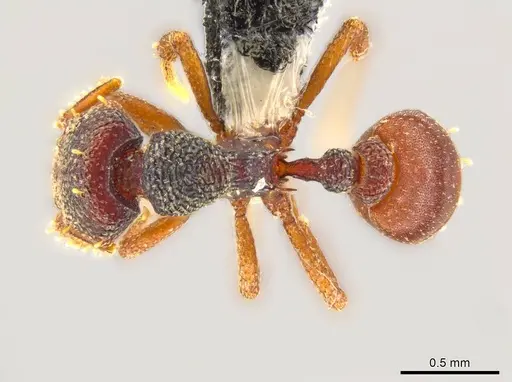
CASENT0639996
View on AntWeb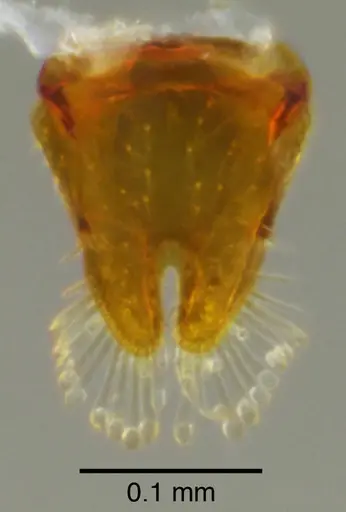
Literature
Loading...Loading products...