

Octostruma lutzi
- Scientific Name
- Octostruma lutzi
- Tribe
- Attini
- Subfamily
- Myrmicinae
- Author
- Wheeler, 1913
- Distribution
- Found in 3 countries
Octostruma lutzi Overview
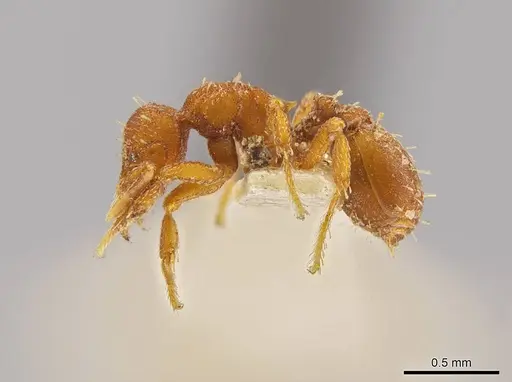
Octostruma lutzi is an ant species of the genus Octostruma. It is primarily documented in 3 countries , including Dominica, Guadeloupe, Martinique. Detailed taxonomic data and occurrence records can be further explored via authoritative databases such as AntWeb or the Global Biodiversity Information Facility (GBIF).
Octostruma lutzi
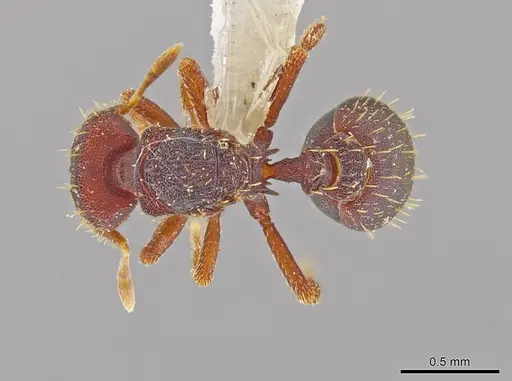
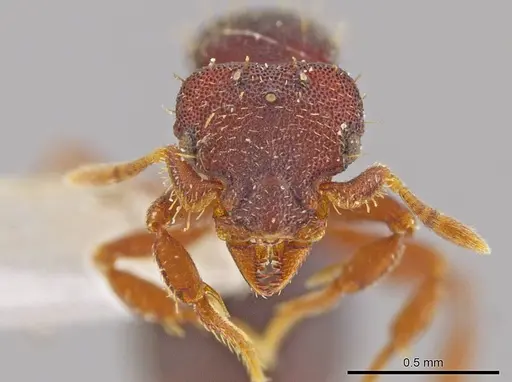
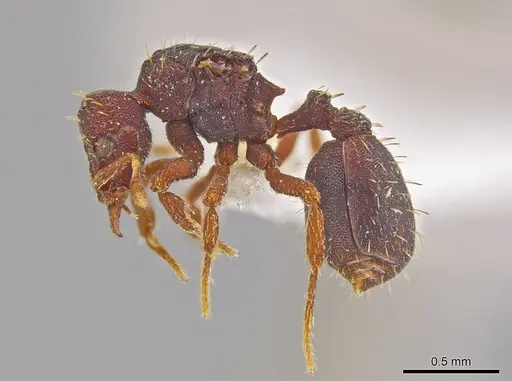
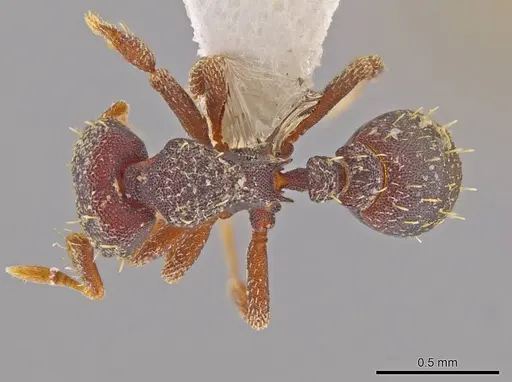
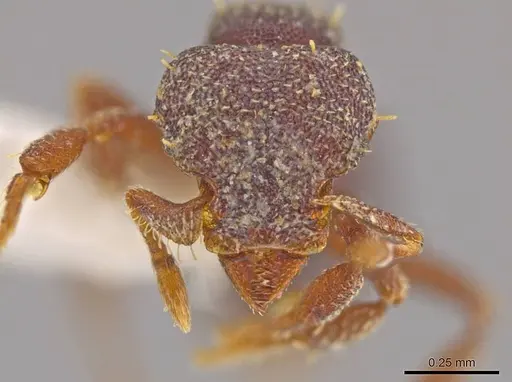
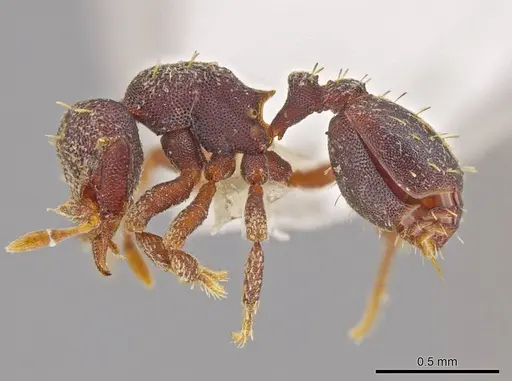
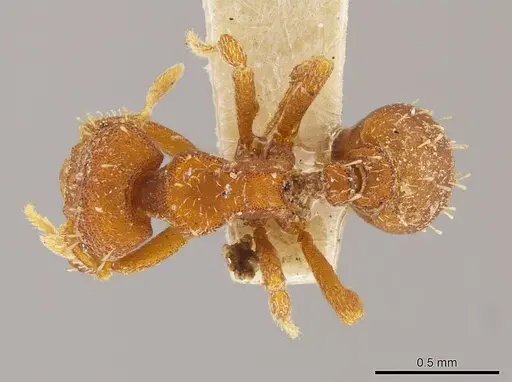
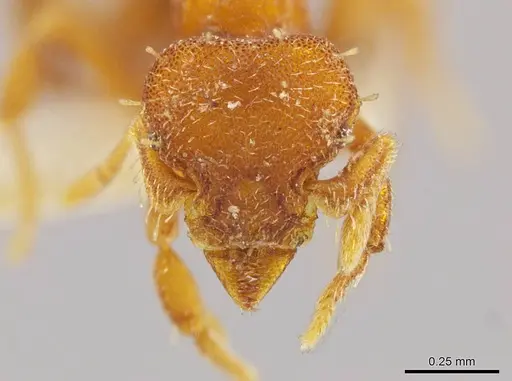
Octostruma lutzi is a tiny, cryptic leaf-litter ant endemic to the Caribbean islands of Dominica and Guadeloupe in the Lesser Antilles. Workers are among the smallest ants you'll encounter, measuring just 0.56-0.62mm in head width, with a distinctive appearance featuring two pairs of spatulate (spoon-shaped) setae on the mesosoma and erect hairs around the head [1]. Queens are slightly larger at 0.65-0.66mm and often appear alongside workers in litter samples, suggesting they remain in the nest after founding [1]. The species was originally described in 1913,briefly synonymized with O. balzani, and revived as a valid species by Longino in 2013 [2]. These ants inhabit the forest floor, living in sifted leaf litter and rotting wood in wet tropical forests from sea level up to 800m elevation on Guadeloupe [3].
What makes O. lutzi particularly interesting is how little we know about them in captivity, they are among the rarest ants in the antkeeping hobby, and their small size and cryptic lifestyle make them a true challenge for even experienced keepers. They are part of the Attini tribe, though unlike some close relatives, they don't cultivate fungus. Their Caribbean island endemism makes them a prized find for enthusiasts interested in unusual species.
Quick Summary
- Difficulty: Expert
- Origin & Habitat: Endemic to Dominica and Guadeloupe in the Lesser Antilles, where they live in tropical forest leaf litter and rotting wood from sea level to 800m elevation [1][3].
- Colony Type: Monogyne, dealate queens are found with workers in litter samples, indicating established single-queen colonies [1].
- Colony: Monogyne
- Size & Growth:
- Queen: 0.65-0.66 mm [1]
- Worker: 0.56-0.62 mm [1]
- Colony: Unknown, likely small colonies typical of leaf-litter ants, possibly under 100 workers
- Growth: Unknown, likely slow given their tiny size and cryptic lifestyle
- Development: Unknown, no direct data available. Based on similar tiny Myrmicinae, estimate 6-10 weeks at optimal temperature. (Development timeline is unconfirmed. Tropical leaf-litter ants typically develop faster than temperate species.)
- Antkeeping:
- Temperature: Keep around 24-28°C, mimicking warm tropical forest floor conditions. A gentle gradient allowing cooler areas is beneficial.
- Humidity: High humidity is essential, these ants live in damp forest litter. Keep substrate consistently moist but not waterlogged, with areas of varying moisture.
- Diapause: No, as a tropical species from a consistently warm Caribbean islands, they do not require hibernation [3].
- Nesting: Tiny chambers scaled to their minute size. Y-tong (AAC) nests with very narrow passages work well, or a naturalistic setup with damp leaf litter and small pieces of rotting wood. They do best in setups that retain moisture while allowing some ventilation.
- Behavior: These ants are extremely cryptic and slow-moving. Workers forage individually through leaf litter, likely hunting micro-arthropods or collecting small organic particles. They are not aggressive and have no functional sting. Escape prevention is critical, their tiny size means they can squeeze through gaps invisible to the naked eye. They are not known to be escape artists in the traditional sense, but their minute size makes standard barriers ineffective.
- Common Issues: escape prevention is critical, their tiny size allows them to slip through standard mesh and gaps that larger ants cannot pass, very slow colony growth means keepers may lose patience or overfeed, leading to mold problems, lack of published care information means you are essentially pioneering husbandry for this species, high humidity requirements can lead to mold if ventilation is inadequate, wild-caught colonies may carry parasites that can decimate small captive populations
Housing and Nest Setup
Housing Octostruma lutzi requires careful attention to scale. These are among the smallest ants in the Myrmicinae, with workers measuring just 0.56-0.62mm, smaller than many springtails they might prey upon. A Y-tong (AAC) formicarium with the smallest available chamber sizes is ideal, or you can create a custom setup with very tight tunnels and chambers. The key is ensuring all connections are snug, even a 1mm gap is an escape route for these tiny ants. Some keepers use a hybrid setup: a small test tube colony setup placed inside a larger outworld, allowing the ants to move between the two while maintaining humidity in the tube. Whatever setup you choose, ensure escape prevention is excellent, use fluon on container rims and fine mesh (at least 0.5mm or smaller) on any ventilation. The nest material should retain moisture well while allowing some gas exchange to prevent mold buildup. [1][3]
Feeding and Diet
Feeding these tiny ants presents a genuine challenge. In the wild, they likely forage for micro-arthropods, springtails, and small organic matter in the leaf litter layer. In captivity, the most reliable food is live micro-prey: springtails (Collembola) are ideal given their size, along with other tiny soil arthropods like minute booklice (Psocoptera) and tiny isopods. You may also offer small pieces of protein-rich foods like crushed mealworms or fish flakes, but acceptance is uncertain, place these directly in front of workers or in a feeding dish. Sugar sources are likely not important for this species, as they appear to be primarily predatory. Feed small amounts every 2-3 days and remove any uneaten prey within 24 hours to prevent mold. The key is offering prey small enough for these minute workers to tackle, if the prey is larger than their head, they cannot subdue it.
Temperature and Humidity
As a tropical species from the Caribbean islands of Dominica and Guadeloupe, Octostruma lutzi requires warm, humid conditions. Aim for temperatures in the range of 24-28°C, which mimics the stable warmth of their native forest floor habitat. Temperature can be maintained using a heating cable on one side of the nest (placed on top of the nest to warm it gently) or a small heat mat, with the goal of creating a gentle thermal gradient so workers can self-regulate. Humidity is perhaps even more critical, these ants live in damp leaf litter and rotting wood in nature, so the nest substrate should feel consistently moist. However, avoid standing water or waterlogging, which can drown tiny colonies. A hygrometer near the nest should read 70-85% relative humidity. Mist the nest area lightly when condensation disappears, and consider using a water reservoir setup (like a test tube water reservoir) to maintain stable humidity over time. [3]
Colony Establishment and Growth
Establishing a colony of Octostruma lutzi is challenging because they are rarely available in the antkeeping hobby. If you acquire a queen (dealate queens are sometimes found in litter samples alongside workers), she should be set up in a small claustral setup, a small test tube with a water reservoir, placed in a dark, humid environment. The founding chamber should be tiny relative to the queen's size. After workers emerge (timing is unknown but likely 6-10 weeks based on similar species), introduce very small live prey. Colony growth will be slow, these are naturally small colonies, and the tiny workers take time to develop. Do not expect rapid expansion. Patience is essential. Monitor for signs of stress: workers wandering away from the nest, refusal to accept prey, or colony decline. If the colony seems stagnant, check that humidity and temperature are within range and that prey size is appropriate.
Understanding Their Rarity
Octostruma lutzi represents a genuine frontier in antkeeping. They are endemic to just two Caribbean islands, Dominica and Guadeloupe, and live exclusively in the leaf litter layer of tropical forests, making them extremely difficult to find and collect. Their tiny size (workers under 1mm) means they are often overlooked even by researchers studying forest ant communities. The scientific literature on their biology in the wild is minimal, and there are no established captive breeding protocols or documented care routines in the antkeeping hobby. This makes keeping them both a challenge and an opportunity: you are essentially contributing to our understanding of this species' husbandry. Document your observations carefully, what foods they accept, how quickly colonies grow, what conditions they thrive in. Such information is valuable for the antkeeping community and contributes to our knowledge of this rarely-kept species. [1]
Legal and Ethical Considerations
Before acquiring Octostruma lutzi, verify the legal status in your jurisdiction. As an endemic species to Dominica and Guadeloupe, there may be export restrictions from these countries. Additionally, ensure any colony you obtain was captive-bred rather than wild-caught from protected areas. If you do acquire a wild-caught colony from legal sources, be aware that wild colonies may carry parasites or pathogens that can cause problems in captivity. Captive-bred colonies from established antkeepers are preferable when available. Never release this species or any non-native ant in regions where they are not naturally found, they could become invasive and damage local ecosystems. This is especially important for island species with limited native ranges, as they may have fewer natural predators or competitors in new environments.
Frequently Asked Questions
How long does it take for Octostruma lutzi to go from egg to first worker?
The exact timeline is unconfirmed, no published data exists for this species. Based on similar tiny leaf-litter Myrmicinae, estimate approximately 6-10 weeks at optimal temperature (24-28°C). The first workers (nanitics) will likely be smaller than mature workers.
What do Octostruma lutzi ants eat?
They are likely predatory on micro-arthropods. Feed live springtails, tiny booklice, and other minute soil creatures. Small pieces of protein like crushed mealworms may be accepted. Sugar sources are likely not important. Offer small prey items every 2-3 days and remove uneaten food promptly.
Are Octostruma lutzi good for beginners?
No, this species is firmly in the Expert category. They are among the smallest ants kept in captivity, require very specific humidity and temperature conditions, have no established care protocols in the hobby, and are extremely difficult to acquire. Beginners should start with more documented species like Lasius, Camponotus, or Messor.
How big do Octostruma lutzi colonies get?
Colony size is not documented in scientific literature. Based on typical leaf-litter ant patterns, colonies likely remain small, probably under 100-200 workers. They are naturally cryptic, slow-growing ants that do not form large colonies.
Can I keep multiple Octostruma lutzi queens together?
No, this species is monogyne, meaning colonies have a single queen. Multiple unrelated queens would likely fight. In the wild, dealate queens are found with workers in litter samples, indicating established single-queen colonies.
What temperature do Octostruma lutzi need?
Keep them warm at 24-28°C. This mimics their native Caribbean tropical forest floor habitat. Use a gentle heat gradient so workers can self-regulate by moving between warmer and cooler areas of the nest.
Do Octostruma lutzi need hibernation?
No, as a tropical species from the Caribbean islands of Dominica and Guadeloupe, they do not require hibernation. Maintain warm, stable temperatures year-round (24-28°C) and do not expose them to temperatures below room temperature.
Why are my Octostruma lutzi escaping?
Their tiny size (workers 0.56-0.62mm) means they can slip through gaps invisible to the naked eye. Use fluon on all rims, ensure container lids fit tightly, and use fine mesh (0.5mm or smaller) for any ventilation. Even a 0.5mm gap is a potential escape route.
Where is Octostruma lutzi found in the wild?
They are endemic to just two Caribbean islands: Dominica and Guadeloupe in the Lesser Antilles. On Guadeloupe, they occur from sea level to 800m elevation in various forested habitats including wet forest, seasonal dry forest, mahogany plantations, and cloud forest. They live in leaf litter and rotting wood on the forest floor.
When can I move Octostruma lutzi to a formicarium?
Wait until the colony has at least 20-30 workers and is actively foraging. For this species, that may take many months or even a year given their slow growth. Moving too soon can stress the colony. Ensure the formicarium has appropriately sized chambers, standard formicarium chambers are far too large for these tiny ants.
Is Octostruma lutzi invasive anywhere?
No, they are endemic to only Dominica and Guadeloupe, meaning they naturally occur nowhere else. There are no reports of them establishing in other regions. However, never release captive colonies as they could potentially become invasive in new environments.
References

This caresheet is licensed under CC BY-SA 4.0 .
Literature
Loading...Loading products...