

Octostruma gymnosoma
- Scientific Name
- Octostruma gymnosoma
- Tribe
- Attini
- Subfamily
- Myrmicinae
- Author
- Longino, 2013
- Distribution
- Found in 1 countries
Octostruma gymnosoma Overview
Octostruma gymnosoma is an ant species of the genus Octostruma. It is primarily documented in 1 countries , including Mexico. Detailed taxonomic data and occurrence records can be further explored via authoritative databases such as AntWeb or the Global Biodiversity Information Facility (GBIF).
Octostruma gymnosoma
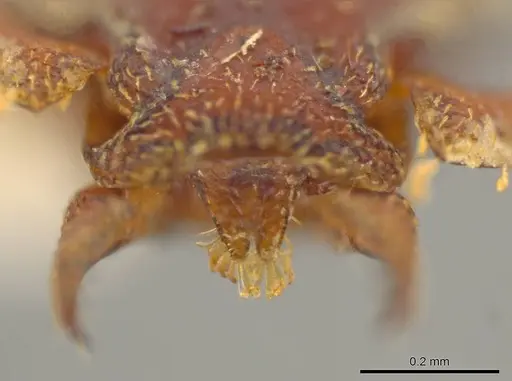
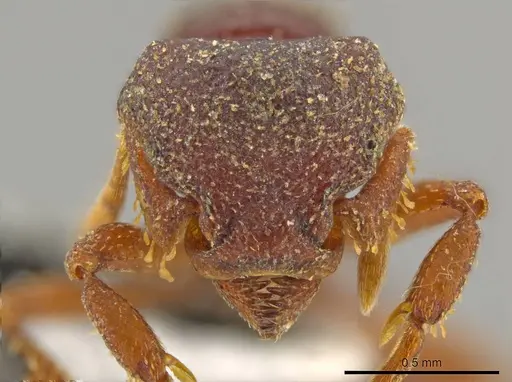
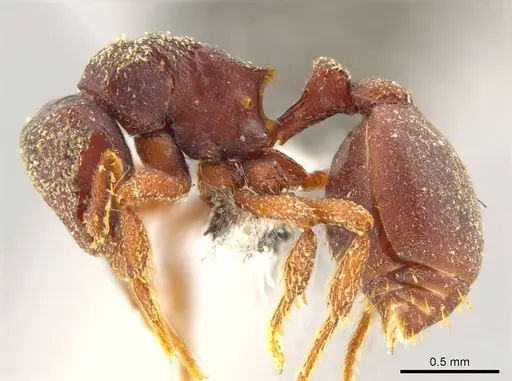
Octostruma gymnosoma is a tiny, dark brown ant belonging to the tribe Attini (fungus-growing ants). Workers measure just 0.88-0.98mm in head width, making them among the smallest ants in Central America [1]. The species was only discovered in 2013 and is known from just three specimens collected in mesophyll cloud forest at 1520m elevation in the Sierra Madre de Chiapas, Mexico [1]. This is the largest Octostruma species in Central America, though they remain remarkably small [1].
This species is extremely poorly known in the scientific literature, only three workers have ever been documented. As a cloud forest leaf-litter ant, it represents a rare and challenging species to keep, best suited for experienced antkeepers who enjoy the challenge of working with data-deficient species.
Quick Summary
- Difficulty: Expert
- Origin & Habitat: Sierra Madre de Chiapas, Mexico at 1520m elevation in mesophyll cloud forest. Specimens were collected from sifted leaf litter and rotten wood on the forest floor [1].
- Colony Type: Unknown, colony structure has not been documented for this species
- Size & Growth:
- Queen: Unknown, queen has not been described
- Worker: 0.88-0.98mm HW,0.76-0.82mm HL [1]
- Colony: Unknown, only three workers have ever been documented
- Growth: Unknown
- Development: Unknown, no development data exists for this species (Development timeline cannot be estimated due to complete lack of biological data. Related Octostruma species suggest 2-4 months at optimal temperature, but this is highly speculative.)
- Antkeeping:
- Temperature: Infer from cloud forest habitat: aim for 18-22°C with stable, cool conditions. Avoid overheating, these ants come from high-elevation, shaded forest floor [1].
- Humidity: High humidity required, cloud forest environment is consistently moist. Keep nest substrate damp but not waterlogged. Provide a humidity gradient so ants can self-regulate.
- Diapause: Unknown, no data on seasonal behavior. Cloud forests in Chiapas experience mild temperature variation year-round. Proceed with caution and observe colony behavior.
- Nesting: Naturalistic setup recommended based on collection data. They were found in sifted leaf litter and rotting wood, a setup with moist soil/leaf litter substrate or a small-scale naturalistic terrarium works best. Test tubes may be too large for their tiny size.
- Behavior: Extremely poorly documented. Based on genus behavior, they are likely cryptic leaf-litter ants that nest in small cavities in rotting wood or soil. Their small size and lack of documented aggression suggest they are non-aggressive and secretive. Escape prevention is critical due to their tiny 1mm size, they can squeeze through standard mesh barriers. Foraging style is unknown but likely involves scavenging or predating on small invertebrates in the leaf litter layer.
- Common Issues: extreme rarity in the wild makes obtaining this species nearly impossible, no biological data exists, keepers are essentially pioneering captive care, tiny size creates significant escape risk requiring fine mesh barriers, slow or unknown growth rate makes colony establishment difficult, lack of documented diet means experimental feeding is required
Discovery and Rarity
Octostruma gymnosoma was only described in 2013 by ant expert John T. Longino, making it one of the most recently discovered ant species available in the antkeeping hobby [1]. The entire scientific knowledge of this species consists of just three worker specimens, all collected from a single Winkler sample of sifted leaf litter and rotting wood in the Sierra Madre de Chiapas, Mexico [1]. This extreme rarity makes them one of the most sought-after and challenging species to keep. The species name 'gymnosoma' refers to the lack of spatulate setae on their dorsal surfaces, they are essentially 'naked-bodied' compared to related species [1]. The type locality is at 1520m elevation in mesophyll cloud forest, a habitat characterized by constant mist, cool temperatures, and high biodiversity.
Natural Habitat and Inference
This species is known only from Mexican cloud forest at 1520m elevation [1]. Cloud forests feature constant high humidity (often 80-100%), cool stable temperatures (typically 15-22°C), and dense vegetation that blocks direct sunlight. The ants were collected from the forest floor in leaf litter and rotting wood, they are true leaf-litter specialists. For captive care, this suggests they need cool, stable temperatures well below typical room temperature, very high humidity, and a naturalistic setup with plenty of substrate to forage through. The tiny size (under 1mm) indicates they likely prey on or scavenge microscopic organisms in the leaf litter layer, similar to other small Myrmicinae. Do not expect typical ant behaviors, these are cryptic, secretive ants that spend most of their time hidden in micro-habitats.
Housing and Setup
Given their tiny size and leaf-litter habitat, a naturalistic setup is strongly recommended over traditional formicaria. A small terrarium or container with 3-5cm of moist soil mixed with leaf litter and small pieces of rotting wood provides appropriate conditions. The substrate should remain consistently moist but never waterlogged. Because workers are only about 1mm long, escape prevention must be exceptional, even standard fine mesh may not contain them. Consider using multiple layers of fine mesh or sealing all potential gaps. Test tubes can work for founding colonies but may be too large and dry for these moisture-dependent ants. If using test tubes, ensure the water reservoir is properly sized and the cotton is packed tightly. A humidity gradient allows ants to self-regulate their moisture exposure.
Feeding and Diet
The diet of Octostruma gymnosoma has not been documented in scientific literature. As members of the tribe Attini, they are related to fungus-growing ants, but not all Attini cultivate fungus, some are predators or scavengers. Given their tiny size and leaf-litter habitat, they likely prey on small soil micro-arthropods, springtails, or mites. Experimental feeding is required. Start with tiny live prey such as springtails, fruit flies, or small mealworm pieces. Offer small amounts of sugar water or honey occasionally, but acceptance is uncertain. Remove uneaten prey promptly to prevent mold. Do not expect the aggressive foraging behavior seen in larger ants, these are subtle, cryptic predators.
Temperature and Seasonal Care
Cloud forest habitat provides strong clues about temperature needs. Aim for 18-22°C, significantly cooler than most ant species. Room temperature (20-25°C) may actually be too warm, especially in summer. Use cooling methods if needed: place the setup in a cool room, use cooling fans, or position away from heat sources. Avoid any heating elements unless absolutely necessary and monitor carefully. Temperature stability is important, avoid drafts and sudden fluctuations. Regarding diapause or winter rest, no data exists. The Mexican cloud forest experiences mild seasonal variation, so these ants may not require a true hibernation period. Observe your colony for signs of temperature stress (workers clustering away from heat sources, reduced activity) and adjust accordingly. [1]
Challenges and Realistic Expectations
Keeping Octostruma gymnosoma is essentially pioneering work. No captive husbandry guides exist, no development timelines are known, and even basic biology remains undocumented. You will be experimenting with every aspect of their care. Colonies may grow very slowly or fail for unknown reasons. Obtaining founding colonies is extremely difficult since the species is known from only three specimens in the entire world. Expect high mortality and plan accordingly. This species is not recommended for beginners or those seeking straightforward antkeeping. It is best suited for experienced antkeepers who enjoy the challenge of working with data-deficient species and who have the resources to maintain cool, humid conditions year-round. [1]
Frequently Asked Questions
How do I keep Octostruma gymnosoma ants?
This is one of the most challenging species to keep due to nearly complete lack of biological data. Provide a naturalistic setup with moist leaf litter and rotting wood, keep temperatures cool (18-22°C), maintain high humidity, and offer tiny live prey. You will essentially be pioneering captive care for this species.
What do Octostruma gymnosoma eat?
Diet is unconfirmed. Based on their tiny size and leaf-litter habitat, they likely prey on small micro-arthropods. Offer tiny live prey like springtails, fruit flies, or small mealworm pieces. Sugar water may be accepted experimentally but do not rely on it.
What temperature do Octostruma gymnosoma need?
Keep them cool at 18-22°C. They come from cloud forest at 1520m elevation where temperatures are mild year-round. Room temperature may be too warm, monitor carefully and avoid overheating.
How big do Octostruma gymnosoma colonies get?
Unknown. Only three workers have ever been documented. Related species suggest small colonies of perhaps dozens to a few hundred workers, but this is purely speculative.
Are Octostruma gymnosoma good for beginners?
No. This is an expert-level species due to extreme rarity, complete lack of biological data, and specific humidity/temperature requirements. Do not attempt this species unless you have extensive antkeeping experience.
How long does it take for Octostruma gymnosoma to develop from egg to worker?
Unknown, no development data exists for this species. Expect a long timeline (possibly months) based on the slow growth typical of small leaf-litter ants.
Where is Octostruma gymnosoma found?
Only in the Sierra Madre de Chiapas, Mexico at 1520m elevation in mesophyll cloud forest. The entire scientific knowledge comes from three workers collected in 2008.
Can I keep multiple Octostruma gymnosoma queens together?
Unknown. Colony structure has not been documented. Do not attempt combining unrelated queens, there is no data to guide this decision.
Why is Octostruma gymnosoma so rare?
The species was only described in 2013 and is known from just three specimens ever collected. Cloud forest leaf-litter ants are inherently difficult to sample, and this species appears to have a very restricted range. Obtaining them is extremely difficult.
References

This caresheet is licensed under CC BY-SA 4.0 .
CASENT0627366
View on AntWeb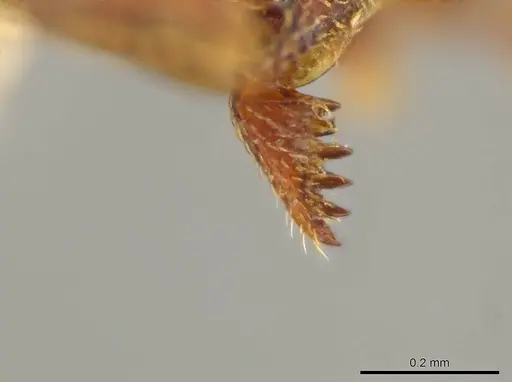
JTLC000015356
View on AntWeb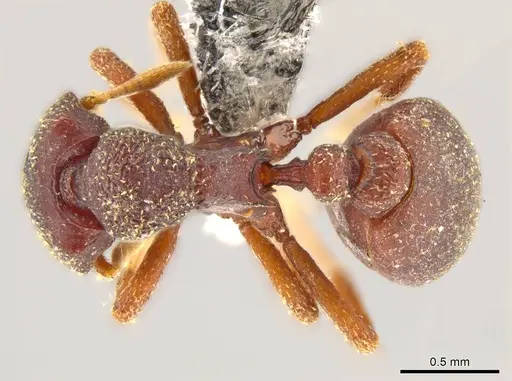
Literature
Loading...Loading products...