

Octostruma ascrobis
- Scientific Name
- Octostruma ascrobis
- Tribe
- Attini
- Subfamily
- Myrmicinae
- Author
- Longino, 2013
- Distribution
- Found in 4 countries
Octostruma ascrobis Overview
Octostruma ascrobis is an ant species of the genus Octostruma. It is primarily documented in 4 countries , including Costa Rica, Guatemala, Honduras. Detailed taxonomic data and occurrence records can be further explored via authoritative databases such as AntWeb or the Global Biodiversity Information Facility (GBIF).
Octostruma ascrobis
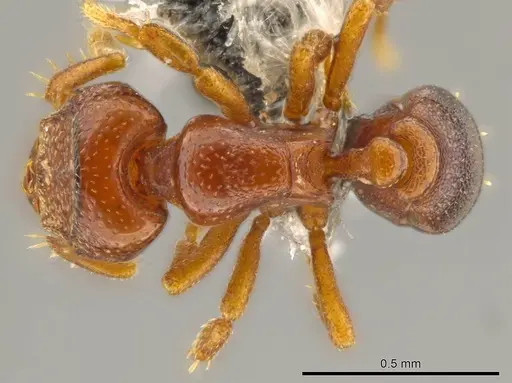
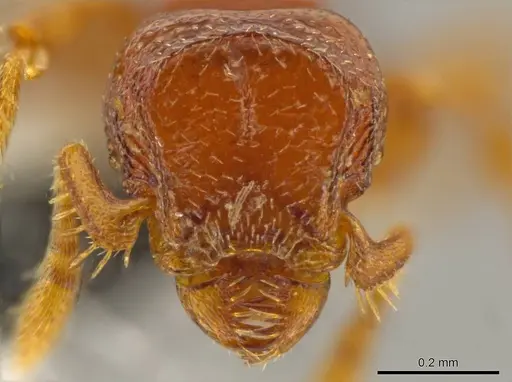
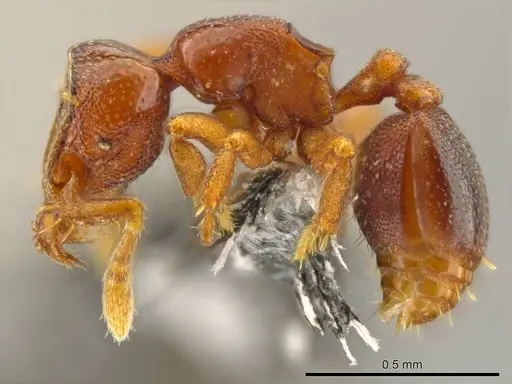
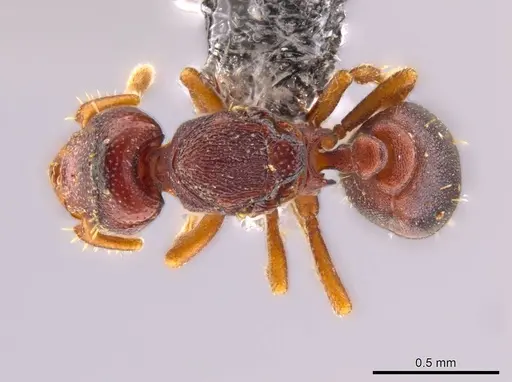
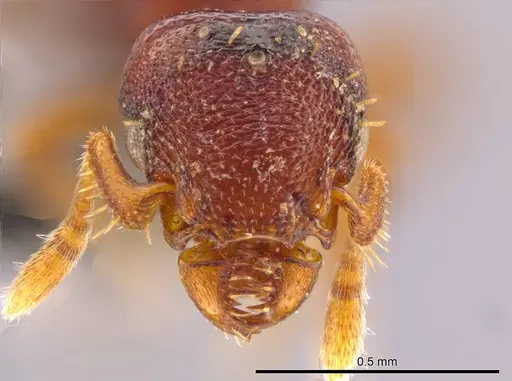
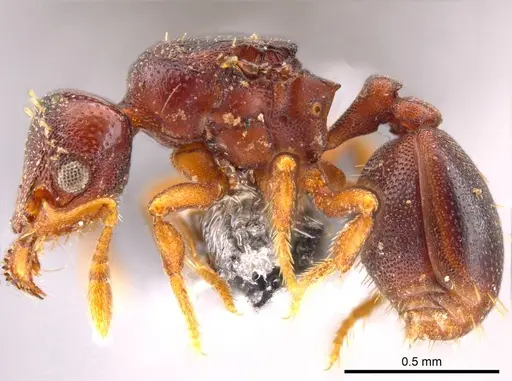
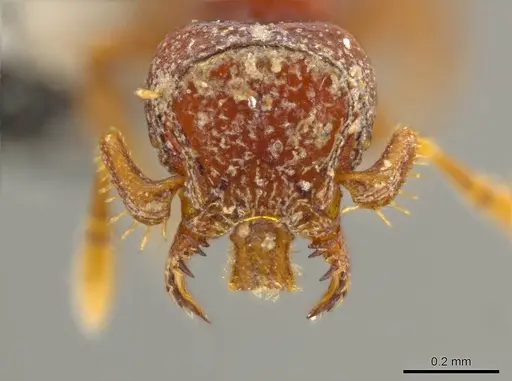
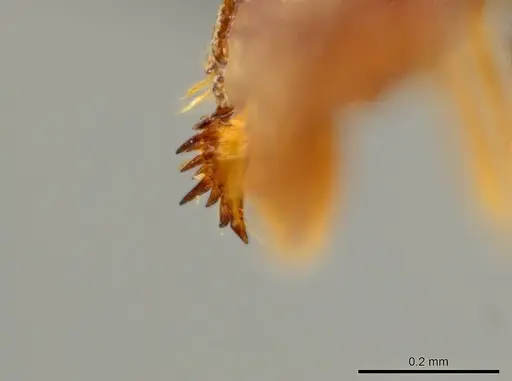
Octostruma ascrobis is a tiny reddish-brown ant native to the lowland rainforests of Central America, ranging from Mexico down to Costa Rica. Workers measure just 0.46-0.51mm, making them one of the smaller ant species you'll encounter in the hobby. They belong to the tribe Attini, which includes leaf-cutter ants and fungus-growers, though Octostruma itself is part of the 'basiceros' group that are not fungus-cultivators but are close relatives. These ants live entirely in the forest floor layer, nesting in rotting wood and sifted leaf litter where they forage individually among the debris. Their most distinctive physical features are their strongly-bowed mandibles with 10 teeth and a very shallow antennal scrobe that gives them a unique facial profile. The species was only formally described in 2013,so there's relatively little known about their captive care requirements.
Quick Summary
- Difficulty: Hard
- Origin & Habitat: Lowland rainforest of Central America (Mexico, Guatemala, Belize, Honduras, El Salvador, Nicaragua, Costa Rica) from sea level to 1000m, most abundant below 500m. They live in rotting wood and leaf litter on the forest floor [1][2].
- Colony Type: Unconfirmed colony structure. Based on related Octostruma species, likely single-queen colonies. Dealate queens and occasional alate queens have been found in litter samples [1].
- Size & Growth:
- Queen: 0.54-0.57mm [1]
- Worker: 0.46-0.51mm [1]
- Colony: Unknown, likely small to moderate based on typical litter-dwelling ant patterns
- Growth: Unknown, likely slow to moderate
- Development: Unknown, estimated 8-12 weeks based on similar small Myrmicinae at optimal temperature (No direct development data exists for this species. Estimates based on related Octostruma and small Myrmicinae patterns.)
- Antkeeping:
- Temperature: Keep around 24-28°C. As a lowland tropical species, they need warm, stable conditions. A gentle gradient allowing them to move between warmer and cooler areas is ideal [1].
- Humidity: High humidity required, think damp forest floor. Keep the nest substrate consistently moist but not waterlogged. Provide a gradient from damp to slightly drier areas so ants can self-regulate.
- Diapause: No, being a lowland tropical species, they do not require hibernation. Keep them warm year-round.
- Nesting: Naturalistic setup works best. These are leaf-litter ants that live in rotting wood and decomposing material. A naturalistic terrarium with moist soil, rotting wood pieces, and leaf litter mimics their natural environment. Y-tong or acrylic nests with tight chambers can work but may need modification to accommodate their tiny size.
- Behavior: These are shy, cryptic ants that forage individually rather than in trails. Workers are slow-moving and spend most of their time navigating through the litter layer. They are not aggressive and will flee from threats rather than engage. Their small size and cryptic nature make them fascinating to observe but challenging to keep. Escape prevention is critical, they can squeeze through the tiniest gaps. They are not known to sting and pose no danger to keepers.
- Common Issues: escape prevention is critical due to their tiny 0.5mm size, standard barriers may not work, high humidity needs can lead to mold problems if ventilation is poor, slow growth and small colony sizes may frustrate beginners expecting rapid development, wild-caught colonies may contain parasites that can decimate the colony in captivity, limited availability makes this species difficult to acquire, they are rarely sold in the ant hobby
Housing and Nest Setup
Octostruma ascrobis requires a naturalistic setup to thrive. These are leaf-litter ants that naturally nest in rotting wood and decomposing material on the forest floor. A small terrarium or naturalistic formicarium works best, fill it with moist soil or coco fiber substrate, add pieces of rotting wood, dried leaves, and other forest floor debris. This setup provides the humidity they need while giving them structure to navigate and forage. Because workers are only 0.5mm, standard test tube setups can work but may be too large and dry. If using a test tube, use a very small diameter and keep the water chamber modest to avoid flooding. Y-tong nests with narrow chambers can work, but ensure the chambers are appropriately scaled to their tiny size. Regardless of setup, excellent escape prevention is mandatory, these ants can squeeze through gaps that other species cannot. Use fine mesh barriers and ensure all openings are sealed tightly. [1][2]
Feeding and Diet
The diet of Octostruma ascrobis is not well-documented, but being in the Attini tribe (close relatives of fungus-growers), they likely have similar dietary needs to other small Myrmicinae. In the wild, they probably forage for small arthropods, honeydew, and possibly fungal particles. For captive care, offer small protein sources like micro-arthropods (springtails, tiny fruit fly larvae, small mealworms), along with sugar sources like diluted honey or sugar water. Because they are so small, prey items must be appropriately sized, even a single fruit fly is large relative to their worker. Offer protein every few days and keep a sugar source available at all times. Remove uneaten prey after 24-48 hours to prevent mold. Their small size means they eat very little, so overfeeding is a common mistake that leads to mold problems.
Temperature and Humidity
Being a lowland rainforest species from Central America, Octostruma ascrobis needs warm, humid conditions. Keep temperatures in the 24-28°C range, this is warm by antkeeping standards but appropriate for a tropical species. A heating cable on one side of the nest creates a gentle gradient so ants can thermoregulate. Avoid temperatures below 22°C for extended periods as this can slow metabolism and harm brood development. Humidity should be high, aim for 70-85% relative humidity in the nest area. The substrate should feel consistently moist but never waterlogged. A moisture gradient from damp to slightly drier areas allows ants to self-regulate. Poor humidity leads to desiccation and colony decline. Use a hygrometer to monitor conditions and mist or add water as needed to maintain appropriate levels. [1]
Behavior and Observation
Octostruma ascrobis is a shy, cryptic species that is a joy to observe for patient keepers. Workers forage individually rather than in organized trails, slowly navigating through the leaf litter and debris in their enclosure. They are not aggressive and will retreat from threats rather than engage. This makes them completely safe for keepers, they cannot sting and pose no danger. Their most interesting behaviors involve their unique mandible structure and the way they navigate through their environment. Because they are so small and cryptic, you may not see much activity, this is normal. They are most active at night and during twilight hours. A naturalistic setup with good lighting and a magnifying glass or macro lens can reveal fascinating behaviors that would otherwise go unnoticed. Their small colony sizes and slow growth mean this is a species for patient observers rather than those wanting rapid colony development. [1][2]
Colony Founding and Development
Colony founding behavior has not been directly documented for Octostruma ascrobis. Based on related species in the genus and typical Myrmicinae patterns, founding is likely claustral, the queen seals herself in a small chamber and raises her first workers alone using stored fat reserves. However, this is an inference, not a confirmed fact. Dealate (wingless) queens have been found in litter samples, suggesting they may found colonies in pre-existing cavities in rotting wood rather than digging chambers from scratch. The first workers (nanitics) will be smaller than mature workers. Colony growth is likely slow, expect many months before you see significant population increases. Maximum colony size is unknown but is probably under 500 workers based on typical litter-dwelling ant patterns. This is not a species for keepers wanting rapid colony expansion. [1]
Seasonal Care
As a lowland tropical species, Octostruma ascrobis does not require hibernation or diapause. Keep them warm year-round with temperatures in the 24-28°C range. Seasonal changes in the wild are minimal, they experience only small temperature and humidity fluctuations. Do not reduce temperatures in winter as you might for temperate species. However, slight seasonal variations in rainfall patterns exist in their native range, so you might slightly reduce misting frequency during a simulated 'dry season' (perhaps December-February) while maintaining humidity. This is optional and not required for colony health. The key is consistency, avoid drafts, sudden temperature changes, and dry conditions. If your room temperature is in the low-to-mid 20s°C, you may not need additional heating. [1]
Frequently Asked Questions
How long does it take for Octostruma ascrobis to produce first workers?
The egg-to-worker timeline is unconfirmed for this species. Based on similar small Myrmicinae, expect 8-12 weeks at optimal temperature (around 26°C). Growth is slow, be patient.
Can I keep Octostruma ascrobis in a test tube?
Yes, but with modifications. Standard test tubes are too large and may dry out too quickly. Use a small-diameter test tube with a modest water reservoir. However, a naturalistic setup with moist substrate works better for this species.
Are Octostruma ascrobis good for beginners?
No. This species is rated as difficult due to their tiny size (escape prevention is critical), high humidity needs, slow growth, and limited availability. They are best suited for experienced antkeepers who can provide the specific conditions they require.
How big do Octostruma ascrobis colonies get?
Maximum colony size is unknown but estimated at under 500 workers based on typical litter-dwelling ant patterns. They are not a large colony species.
What do Octostruma ascrobis eat?
They likely accept small protein sources like micro-arthropods (springtails, tiny fruit fly larvae) and sugar sources (honey water, sugar water). Prey must be appropriately sized for their tiny workers.
Do Octostruma ascrobis need hibernation?
No. As a lowland tropical species from Central America, they do not require hibernation. Keep them warm year-round at 24-28°C.
Why are my Octostruma ascrobis escaping?
Their tiny 0.5mm size allows them to squeeze through gaps that other species cannot. Use fine mesh (at least 0.5mm), seal all openings with cotton or tape, and use fluon barriers on smooth surfaces.
Can I keep multiple Octostruma ascrobis queens together?
This has not been documented. Based on related Octostruma species, they likely form single-queen colonies. Do not combine unrelated queens.
When should I move Octostruma ascrobis to a formicarium?
Wait until the colony reaches at least 20-30 workers. They do well in naturalistic setups from the start, so consider a naturalistic terrarium rather than switching to a traditional formicarium.
Why is my Octostruma ascrobis colony declining?
Common causes include: low humidity (they need 70-85%), temperatures below 22°C, mold from overfeeding or poor ventilation, parasites from wild-caught colonies, or escape-related losses. Review your husbandry conditions.
Where can I get Octostruma ascrobis?
This species is rarely available in the ant hobby. It was only described in 2013 and is not commonly kept. You may need to find a specialized dealer or collector in Central America to acquire a colony.
References

This caresheet is licensed under CC BY-SA 4.0 .
Literature
Loading...Loading products...